
 English
 For Schools
 For Homeschool

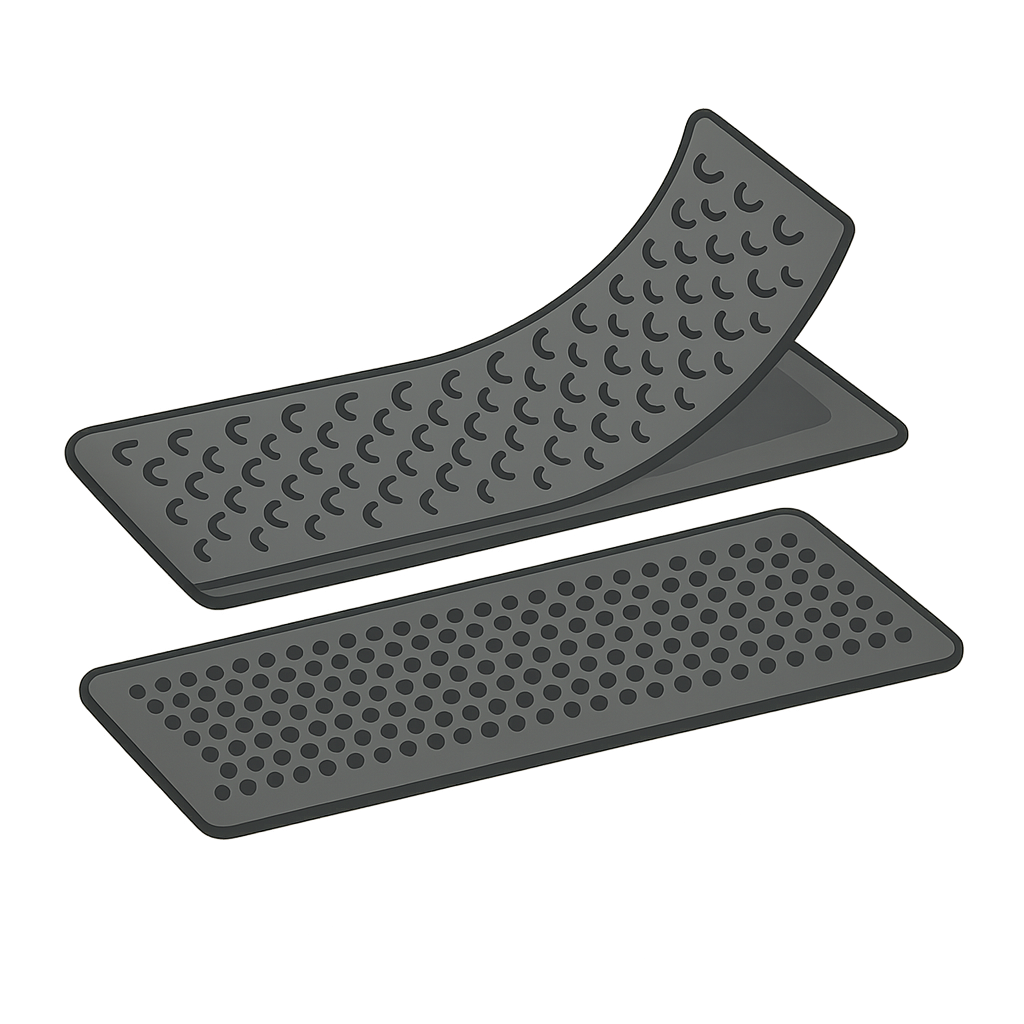
The Story of Velcro
RRRRIP. That’s me. That’s the sound I make every day, all over the world. Hello. I am Velcro, the fuzzy, scratchy fastener that holds things together. You probably know me well. I’m the reason your sneakers stay on your feet without any tricky laces to tie. I’m the one who keeps your winter jacket zipped up tight against the cold wind and the reason your lunchbox doesn’t fly open in your backpack. Many people think I must have been dreamed up in a big, noisy factory, with sparks flying and gears turning. But my story didn’t start there. It began somewhere much quieter and much more natural. My story started with a long walk in the woods, a curious Swiss engineer named George, and his very furry dog, Milka. It all began with a very sticky situation, but not the kind you might think. It was the kind that sticks to your clothes and won’t let go.
My inventor, George de Mestral, loved the outdoors. One sunny day in 1941, he took his dog Milka for a hike through the beautiful Swiss Alps. They walked through fields and forests, enjoying the fresh mountain air. When they returned home, George noticed that he and Milka were completely covered in something small and prickly. They were burdock burrs, those pesky little seeds that seem to jump onto you as you walk by. George was annoyed at first, as he began pulling them off his wool trousers and out of Milka’s thick fur. But as he plucked them off one by one, his annoyance turned into curiosity. He wondered, why do these things stick so well. He just had to know. Instead of throwing the burrs away, he took one to his microscope. When he looked through the lens, he saw something amazing. The burr wasn’t just a fuzzy ball; it was covered in hundreds and hundreds of tiny, perfect hooks. Then he looked at a thread from his pants and saw that it was made of many tiny loops of fabric. That was his 'aha.' moment. The tiny hooks on the burr were grabbing onto the tiny loops in the cloth, like thousands of little hands holding on tight. George was inspired. He wanted to copy what he saw in nature. But making man-made hooks and loops was much harder than it looked. For years, he experimented. He tried using cotton, but it was too soft and wore out quickly. He worked with weavers in France, who told him his idea was impossible. But George was persistent. Finally, after almost ten years of hard work, he found the perfect material: nylon. He discovered that if he wove nylon thread under a special infrared light, it created strong, stiff hooks. Another piece of woven nylon could be made into soft, fuzzy loops. He pressed them together, and they held fast. I was finally born.
George needed a name for his new invention. Being clever, he combined two French words: 'velours,' which means velvet, for my soft, loopy side, and 'crochet,' which means hook, for my scratchy, hook side. Together, they became Velcro. At first, I was a bit of a mystery. People in the 1950s mostly used buttons and zippers and weren’t sure what to do with me. But then, I got my big break, and it was out of this world. Literally. The scientists at NASA, the American space agency, were preparing for the Apollo missions to the moon. They had a problem: in space, where there is no gravity, everything floats. How could the astronauts keep their pens, tools, and food from drifting away. I was the perfect solution. They put strips of me all over the inside of the spacecraft and on the astronauts' suits. I held their equipment securely and kept their helmets attached. I went to space and became a star. After my adventures with the astronauts, I became famous back on Earth. Soon, I was everywhere. I was making it easier for children to put on their own shoes, helping doctors secure bandages in hospitals, and keeping soldiers’ gear organized. Today, you can find me on backpacks, wallets, camera bags, and even holding pictures on the wall. Looking back, my whole life began because a curious man looked closely at nature and refused to give up. He proved that sometimes the biggest ideas come from the smallest things, like a tiny burr stuck to a dog’s fur.
Activities
Take a Quiz
Test what you learned with a fun quiz!
Get creative with colors!
Print a coloring book page of this topic.