English

La Llorona - Latin American
La Llorona, or 'The Weeping Woman…
Reads at Grades K-2 Listens at K–3
Print & create
Answer keys·No prep·Free with an account
28 worksheets · answer keys · full story · quiz · Ages 6-8 · CEFR A2
Plus adds 279,000+ more stories in 27 languages, audio for every one, and printables for all of them.
Just want La Llorona - Latin American?
My name is Mateo, and I live in a little house where the river sings a lullaby every night. The water rushes over smooth, gray stones, and the wind rustles the tall reeds that grow along the bank, making them whisper secrets. Sometimes, when the moon is a silver sliver in the sky, I think I hear another sound mixed in with the river's song—a sound like a sad sigh carried on the breeze. My abuela says it's the sound of a story that the river has known forever. This is the legend of La Llorona, a tale as old as the water itself.
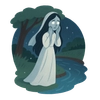
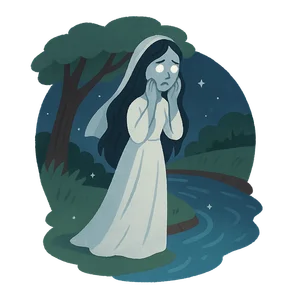
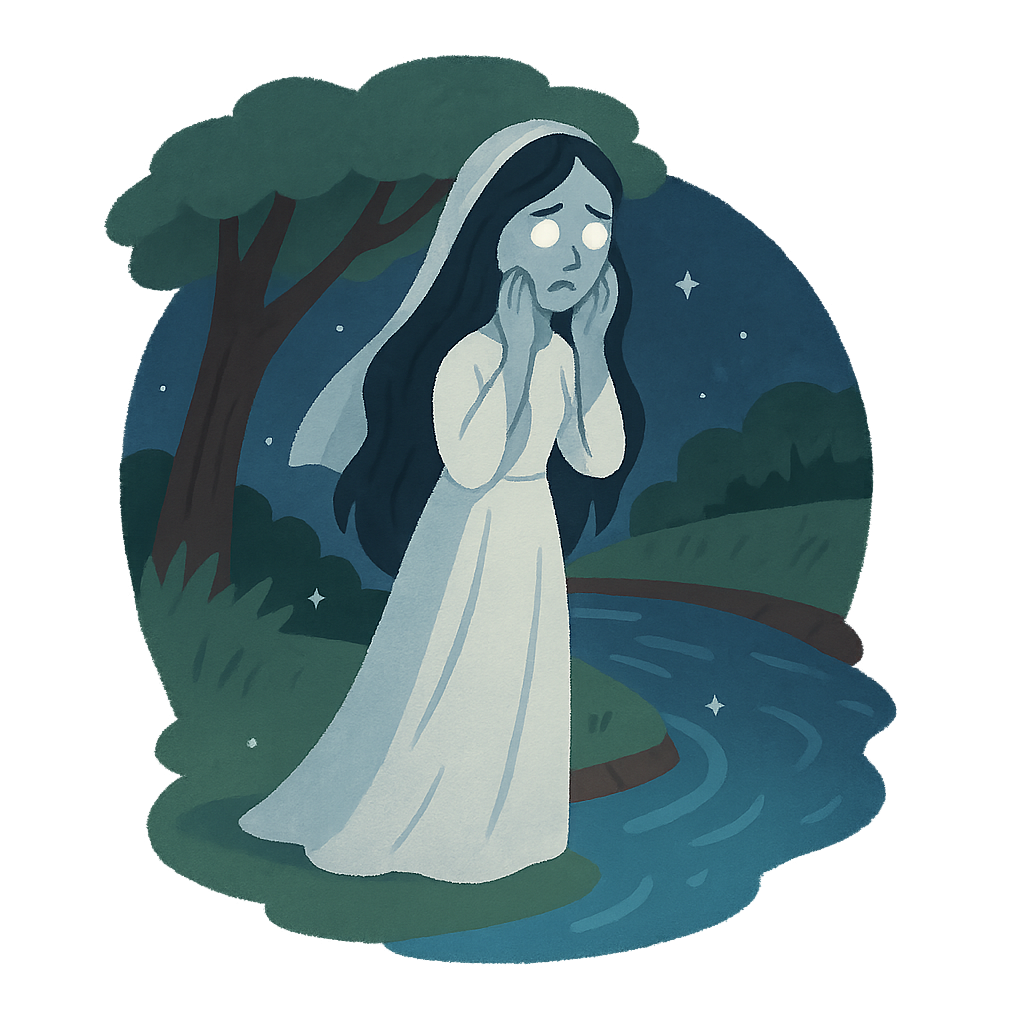
Long ago, a beautiful woman named Maria lived in a village much like ours. Abuela told me that she had two children whom she loved more than all the stars in the sky. Their laughter was her favorite music, and she would spend her days playing with them by the very same river that flows past my window. She would weave flowers into their hair and tell them stories about the fish that swam in the clear water. But one day, a great sorrow fell upon her, and in her confusion and sadness, she lost her children to the river's strong current. When she realized they were gone, her heart broke into a thousand pieces. Her spirit was so full of love and grief that it couldn't leave the place where she last saw them. Now, her ghostly figure, dressed in a long white gown, walks along the riverbanks forever. She is always searching, always calling out for her lost children with a mournful cry that echoes in the night, "¡Ay, mis hijos!" which means, "Oh, my children!".
Abuela says the story of La Llorona isn't meant to scare us, but to remind us of something very important: to stay close to the people we love and to be careful near the water's edge. It's a cautionary tale, a way for parents to keep their children safe by telling them to come home before dark so they don't wander off. The story has been told for hundreds of years, passed down from grandparents to grandchildren. It has inspired sad, beautiful songs, paintings of a lonely figure in white, and stories told around crackling fires. Even today, when the wind howls and sounds like a distant cry, it reminds us to hold our families tight. The story of La Llorona helps us imagine the power of a mother's love and connects us to a feeling that everyone, everywhere, can understand.
La Llorona: The Weeping Woman of the River
My name is Mateo, and I live in a little house where the river sings a lullaby every night. The water rushes over smooth, gray stones, and the wind rustles the tall reeds that grow along the bank, making them whisper secrets. Sometimes, when the moon is a silver sliver in the sky, I think I hear another sound mixed in with the river's song—a sound like a sad sigh carried on the breeze. My abuela says it's the sound of a story that the river has known forever. This is the legend of La Llorona, a tale as old as the water itself.
Long ago, a beautiful woman named Maria lived in a village much like ours. Abuela told me that she had two children whom she loved more than all the stars in the sky. Their laughter was her favorite music, and she would spend her days playing with them by the very same river that flows past my window. She would weave flowers into their hair and tell them stories about the fish that swam in the clear water. But one day, a great sorrow fell upon her, and in her confusion and sadness, she lost her children to the river's strong current. When she realized they were gone, her heart broke into a thousand pieces. Her spirit was so full of love and grief that it couldn't leave the place where she last saw them. Now, her ghostly figure, dressed in a long white gown, walks along the riverbanks forever. She is always searching, always calling out for her lost children with a mournful cry that echoes in the night, "¡Ay, mis hijos!" which means, "Oh, my children!".
Abuela says the story of La Llorona isn't meant to scare us, but to remind us of something very important: to stay close to the people we love and to be careful near the water's edge. It's a cautionary tale, a way for parents to keep their children safe by telling them to come home before dark so they don't wander off. The story has been told for hundreds of years, passed down from grandparents to grandchildren. It has inspired sad, beautiful songs, paintings of a lonely figure in white, and stories told around crackling fires. Even today, when the wind howls and sounds like a distant cry, it reminds us to hold our families tight. The story of La Llorona helps us imagine the power of a mother's love and connects us to a feeling that everyone, everywhere, can understand.
Wow facts
About
La Llorona, or 'The Weeping Woman,' is a widespread legend in Latin America about the ghost of a woman who lost her children and now perpetually searches for them near bodies of water, weeping.
Take a Quiz
Question 1 of 4
Why does Abuela say the story of La Llorona is told to children?
Explore next



Want to do even more?
Go beyond exploring. Unlock tools that turn every story into real learning.

Storypie Plus for families
Full stories, quizzes, and printables. Nights and car rides, sorted.
- Unlimited audio stories
- Create Mode: your child stars in the story
- Offline downloads
- Printable worksheets & coloring pages

Why Storypie for Schools
Students engaged. Prep in seconds. Evenings back to you.
- Worksheets & Quizzes
- Classroom Management
- Formative Assessment
- Custom Curriculum & Lesson Plans
- 27 Languages

Why Storypie for Homeschool
Curriculum done. They'll ask for more. Hours back in your day.
- Worksheet Generator
- First-Person Audio Stories
- Built-in Comprehension Quizzes
- Custom Curriculum & Lesson Plans
- Print & Go Activities