English

The Iliad
An ancient Greek epic poem, traditionally attributed to Homer…
Reads at Grades 6–8 Listens at Grades 4–8
 Screen-free speaker. Built for your kids.
No card, no commitment. One email when there is real news, and one click to stop.
Print & create
Answer keys·No prep·Free with an account
28 worksheets · answer keys · full story · quiz · Ages 10-12 · CEFR B2
Plus adds 102,000+ more stories in 27 languages, audio for every one, and printables for all of them.
Just want The Iliad?
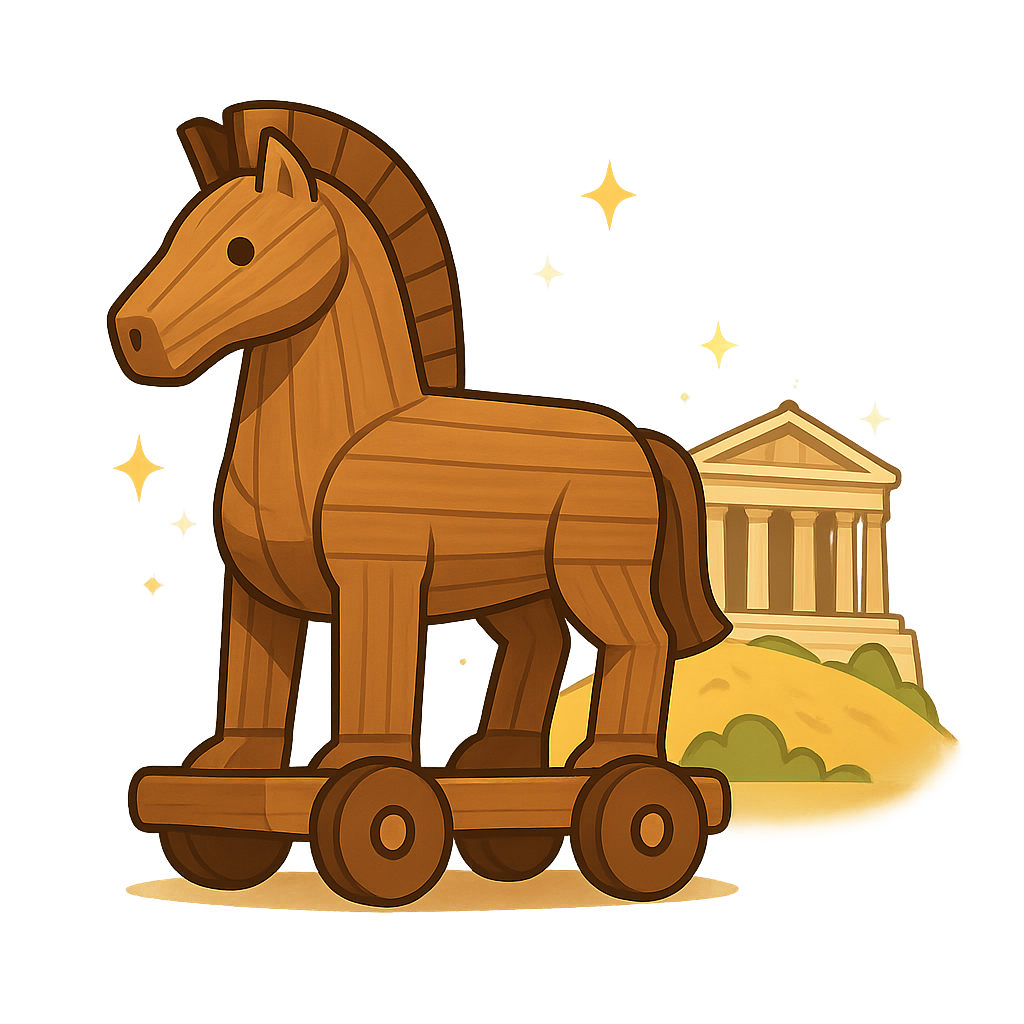
Even now, if I close my eyes, I can smell the salt on the wind and hear the endless murmur of the Aegean Sea. For ten years, that was my world: the dusty plains before the high walls of Troy, our thousand black ships pulled up on the sand, and the faces of men who had grown old far from home. My name is Odysseus, and though I was a king on my sunny island of Ithaca, here I was just one more soldier, one more strategist trying to end an impossible war. We had sailed across the sea for the most beautiful woman in the world, Helen, who had been taken from her husband by the Trojan prince, Paris. For her, two great armies clashed, but after a decade of relentless fighting, we were no closer to victory than we were on the day our ships first grated against the Trojan shore. This is where the story you call the Iliad truly begins, not at the start of the war, but in its final, fateful year, when the tempers of heroes and gods alike were about to change everything. The stalemate had worn us all down, turning brave men bitter and hopeful commanders desperate. Every sunrise brought the same grim reality: another day of battle, another day of loss, with no end in sight. We needed something to break the deadlock, but what we got was a conflict within our own ranks that threatened to destroy us completely.
Our greatest warrior was Achilles. He was faster than any horse, stronger than any two men combined, and fiercer than a cornered lion. It was said his mother was a sea goddess, Thetis, which made him semi-divine and nearly invincible. But his pride was as vast as his strength, and it proved to be a dangerous weakness. Our commander, King Agamemnon, was a powerful man, but he was arrogant and often let his own ego cloud his judgment. He insulted Achilles by taking away a young woman named Briseis, who had been given to Achilles as a prize of war. It was a foolish, prideful act. Achilles’s reaction was like a storm breaking over our camp. His anger was absolute. “I will not fight for a man who disrespects me,” he declared, his voice cold with fury. He withdrew to his tent, taking his elite soldiers, the Myrmidons, with him. Without him, the battlefield became a catastrophe for us Greeks. The mighty Trojan hero, Hector, prince of Troy and a good man fighting for his home, led his army in a relentless assault. He pushed us back to our ships, and for the first time, we truly feared we would be driven into the sea. Even the gods on Mount Olympus took sides, meddling in our battles as if we were pieces on their celestial game board. Zeus, king of the gods, favored the Trojans for a time, and our spirits sank with every defeat. Achilles’s closest friend, Patroclus, could not bear to watch us suffer any longer. He went to Achilles, his eyes full of tears. “If you will not fight,” he begged, “then let me wear your famous armor. The Trojans will think you have returned, and it will give our men the courage to fight back.” Achilles, moved by his friend’s loyalty, agreed. “Wear my armor,” he said, “but heed my warning. Drive the Trojans from our ships, but do not pursue them to the walls of Troy.” But in the chaos and glory of battle, Patroclus forgot the warning. He fought with incredible bravery, but he ventured too far and was struck down by Hector himself. When the news reached Achilles, a terrible, profound silence fell over him. The grief that seized him was more powerful than any army. His anger at Agamemnon vanished, replaced by a burning, all-consuming rage aimed at only one man: Hector. He vowed he would not rest until he had avenged his friend. His mother had the smith god, Hephaestus, forge him a new set of divine armor. When Achilles emerged from his tent, his eyes blazing with sorrow and fury, we all knew the tide of the war was about to turn in the most terrible way.
The Iliad: The Rage of Achilles
Even now, if I close my eyes, I can smell the salt on the wind and hear the endless murmur of the Aegean Sea. For ten years, that was my world: the dusty plains before the high walls of Troy, our thousand black ships pulled up on the sand, and the faces of men who had grown old far from home. My name is Odysseus, and though I was a king on my sunny island of Ithaca, here I was just one more soldier, one more strategist trying to end an impossible war. We had sailed across the sea for the most beautiful woman in the world, Helen, who had been taken from her husband by the Trojan prince, Paris. For her, two great armies clashed, but after a decade of relentless fighting, we were no closer to victory than we were on the day our ships first grated against the Trojan shore. This is where the story you call the Iliad truly begins, not at the start of the war, but in its final, fateful year, when the tempers of heroes and gods alike were about to change everything. The stalemate had worn us all down, turning brave men bitter and hopeful commanders desperate. Every sunrise brought the same grim reality: another day of battle, another day of loss, with no end in sight. We needed something to break the deadlock, but what we got was a conflict within our own ranks that threatened to destroy us completely.
Our greatest warrior was Achilles. He was faster than any horse, stronger than any two men combined, and fiercer than a cornered lion. It was said his mother was a sea goddess, Thetis, which made him semi-divine and nearly invincible. But his pride was as vast as his strength, and it proved to be a dangerous weakness. Our commander, King Agamemnon, was a powerful man, but he was arrogant and often let his own ego cloud his judgment. He insulted Achilles by taking away a young woman named Briseis, who had been given to Achilles as a prize of war. It was a foolish, prideful act. Achilles’s reaction was like a storm breaking over our camp. His anger was absolute. “I will not fight for a man who disrespects me,” he declared, his voice cold with fury. He withdrew to his tent, taking his elite soldiers, the Myrmidons, with him. Without him, the battlefield became a catastrophe for us Greeks. The mighty Trojan hero, Hector, prince of Troy and a good man fighting for his home, led his army in a relentless assault. He pushed us back to our ships, and for the first time, we truly feared we would be driven into the sea. Even the gods on Mount Olympus took sides, meddling in our battles as if we were pieces on their celestial game board. Zeus, king of the gods, favored the Trojans for a time, and our spirits sank with every defeat. Achilles’s closest friend, Patroclus, could not bear to watch us suffer any longer. He went to Achilles, his eyes full of tears. “If you will not fight,” he begged, “then let me wear your famous armor. The Trojans will think you have returned, and it will give our men the courage to fight back.” Achilles, moved by his friend’s loyalty, agreed. “Wear my armor,” he said, “but heed my warning. Drive the Trojans from our ships, but do not pursue them to the walls of Troy.” But in the chaos and glory of battle, Patroclus forgot the warning. He fought with incredible bravery, but he ventured too far and was struck down by Hector himself. When the news reached Achilles, a terrible, profound silence fell over him. The grief that seized him was more powerful than any army. His anger at Agamemnon vanished, replaced by a burning, all-consuming rage aimed at only one man: Hector. He vowed he would not rest until he had avenged his friend. His mother had the smith god, Hephaestus, forge him a new set of divine armor. When Achilles emerged from his tent, his eyes blazing with sorrow and fury, we all knew the tide of the war was about to turn in the most terrible way.
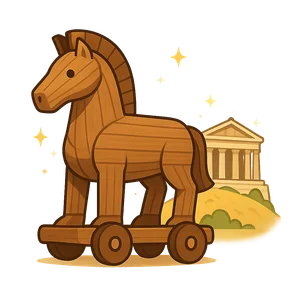
The final duel was inevitable. Hector, knowing his fate, stood alone outside the gates of Troy, waiting for the vengeful Achilles. They were the greatest champions of their people, but only one would walk away. Their battle was legendary, a clash of titans that shook the very ground, but Achilles’s grief-fueled power was an unstoppable force. He defeated Hector. In his rage, he did something no hero should: he disrespected his fallen foe, refusing to return the body for burial, a grave insult. But the story doesn't end with anger. Later, in the dead of night, Hector’s father, the old King Priam of Troy, risked everything to sneak into our camp. He found his way to Achilles’s tent, and there, the elderly king knelt before the man who had defeated his son. He kissed Achilles’s hands and begged, “Think of your own father, Achilles, and show me pity. Give me my son’s body back so I may bury him with honor.” Seeing the old king’s profound sorrow, Achilles’s heart finally softened. He saw his own father in Priam, and the two enemies wept together for all they had lost. This moment of shared humanity is the true heart of the Iliad. The poem, as the great poet Homer first told it, ends there, with Hector’s funeral and a temporary truce. It doesn’t even describe the end of the war. That came later, with a clever idea of mine involving a large wooden horse. But the Iliad wasn't just about who won or lost. For thousands of years, people have shared this story, first through songs and spoken poems, and then in books. It teaches us about the terrible cost of pride and anger, but also about the enduring power of friendship, courage, and compassion. The story of Achilles and Hector still inspires artists, writers, and thinkers to ask what it means to be a hero and how we find humanity even in the midst of conflict. It’s a reminder that the oldest stories are not just about gods and warriors, but about the feelings that connect us all across time.
Wow facts
About
An ancient Greek epic poem, traditionally attributed to Homer, that tells the story of the final year of the ten-year Trojan War, focusing on the wrath of the hero Achilles.
Take a Quiz
Question 1 of 5
What was the primary reason Achilles returned to fight in the Trojan War after refusing to participate?
Explore next



Want to do even more?
Go beyond exploring. Unlock tools that turn every story into real learning.

Storypie Plus for families
Full stories, quizzes, and printables. Nights and car rides, sorted.
- Unlimited audio stories
- Create Mode: your child stars in the story
- Offline downloads
- Printable worksheets & coloring pages

Why Storypie for Schools
Students engaged. Prep in seconds. Evenings back to you.
- Worksheets & Quizzes
- Classroom Management
- Formative Assessment
- Custom Curriculum & Lesson Plans
- 27 Languages

Why Storypie for Homeschool
Curriculum done. They'll ask for more. Hours back in your day.
- Worksheet Generator
- First-Person Audio Stories
- Built-in Comprehension Quizzes
- Custom Curriculum & Lesson Plans
- Print & Go Activities