English

International Whaling Commission
The International Whaling Commission (IWC) is an intergovernmental organization established in 1946 to manage…
Reads at Grades 6–8 Listens at Grades 4–8
Print & create
Answer keys·No prep·Free with an account
28 worksheets · answer keys · full story · quiz · Ages 10-12 · CEFR B2
Plus adds 116,000+ more stories in 27 languages, audio for every one, and printables for all of them.
Just want International Whaling Commission?
We are the International Whaling Commission, often called the IWC. Our story begins in a time when the world was trying to build new ways to work together after years of conflict. On December 2nd, 1946, a group of 15 countries gathered in Washington, D.C., to sign an important international treaty that created our organization. A treaty is a formal agreement between nations, and this one was created to address a serious global problem. For many years, the hunting of the world's great whales had been so intense that many species were being pushed dangerously close to extinction. Their populations had become very small, and there was a real fear they could disappear forever. Our original purpose was not to end whaling, but to manage it. The goal was to provide for the 'orderly development of the whaling industry,' which meant making sure that the hunt was conducted in a way that would allow whale populations to survive for future generations.
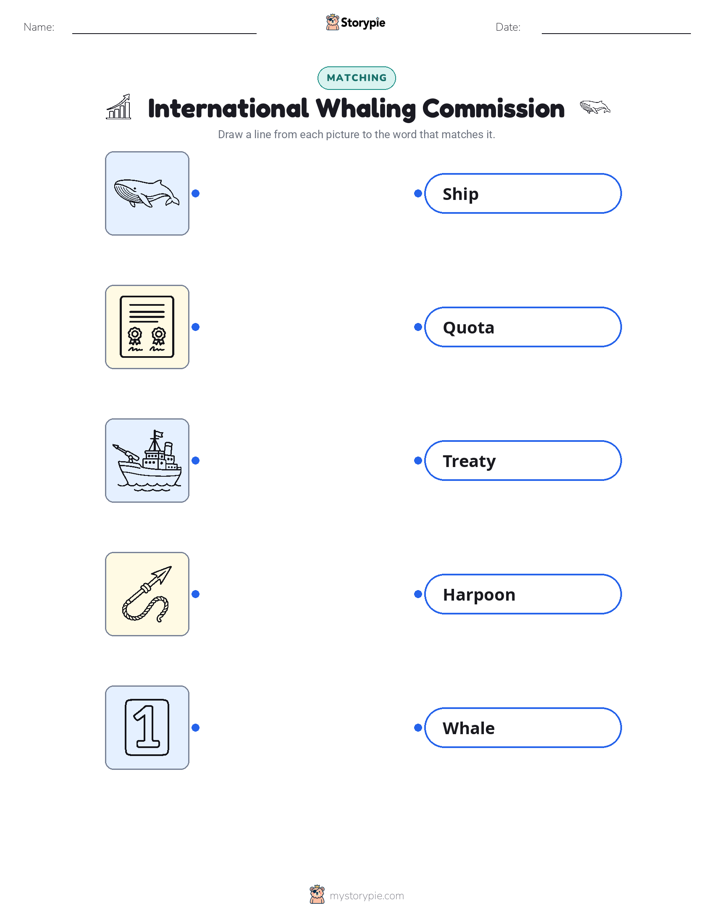
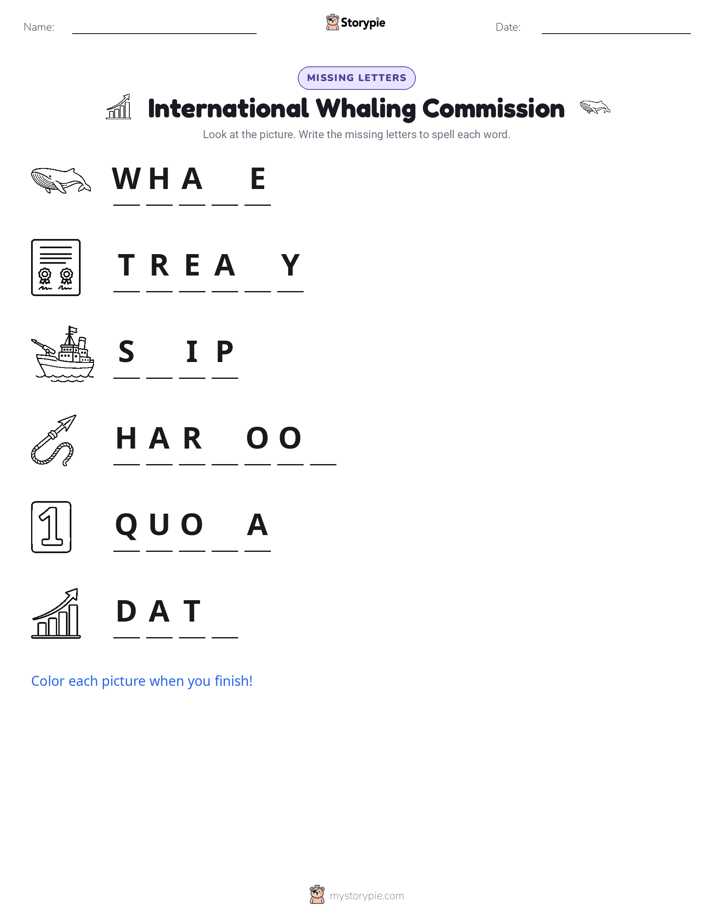
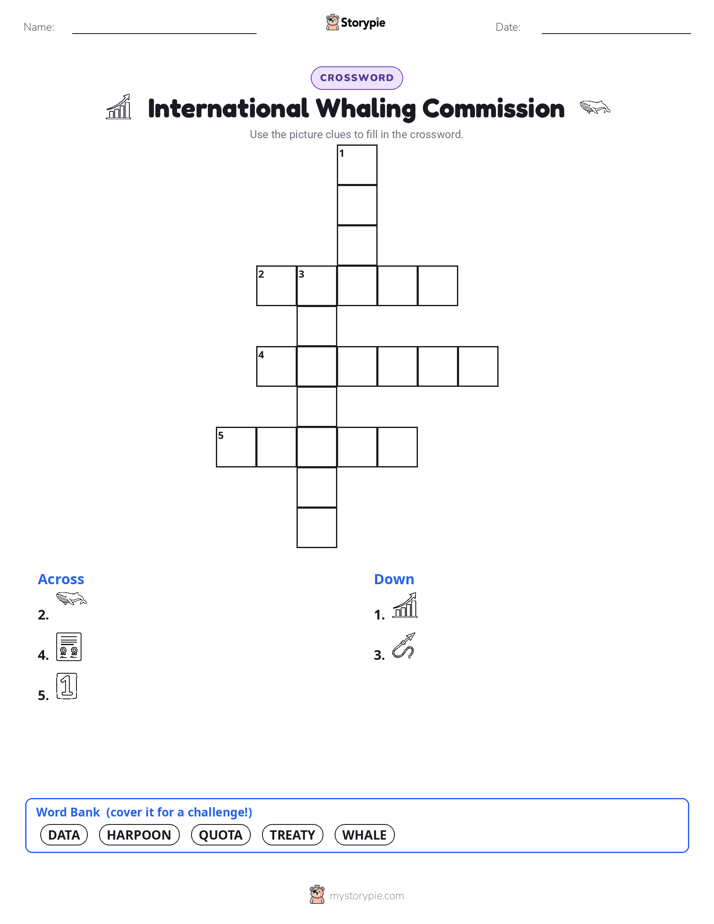
In our first few decades, our primary responsibility was to set rules for the global whaling industry. The most important of these rules were the catch limits, which are also known as quotas. A quota is a specific number that sets the maximum amount of whales that can be legally hunted in a season. To help us make these important decisions, we established a Scientific Committee. This committee is made up of the world's leading whale scientists, who volunteer their time and expertise. Their job was, and still is, to study whale populations and provide us with the best available scientific data about their numbers, health, and migration patterns. However, even with this scientific advice, our early years were filled with challenges. The member nations that made up our commission often had very different goals. While science might suggest a very low quota to protect a species, some countries with large whaling industries found it difficult to agree to limits that could affect their economies. Reaching an agreement that truly protected the whales proved to be extremely difficult, and as a result, the quotas were often set too high. Because the hunt remained too intense, many whale populations continued to shrink.
Our Story: The International Whaling Commission
We are the International Whaling Commission, often called the IWC. Our story begins in a time when the world was trying to build new ways to work together after years of conflict. On December 2nd, 1946, a group of 15 countries gathered in Washington, D.C., to sign an important international treaty that created our organization. A treaty is a formal agreement between nations, and this one was created to address a serious global problem. For many years, the hunting of the world's great whales had been so intense that many species were being pushed dangerously close to extinction. Their populations had become very small, and there was a real fear they could disappear forever. Our original purpose was not to end whaling, but to manage it. The goal was to provide for the 'orderly development of the whaling industry,' which meant making sure that the hunt was conducted in a way that would allow whale populations to survive for future generations.
In our first few decades, our primary responsibility was to set rules for the global whaling industry. The most important of these rules were the catch limits, which are also known as quotas. A quota is a specific number that sets the maximum amount of whales that can be legally hunted in a season. To help us make these important decisions, we established a Scientific Committee. This committee is made up of the world's leading whale scientists, who volunteer their time and expertise. Their job was, and still is, to study whale populations and provide us with the best available scientific data about their numbers, health, and migration patterns. However, even with this scientific advice, our early years were filled with challenges. The member nations that made up our commission often had very different goals. While science might suggest a very low quota to protect a species, some countries with large whaling industries found it difficult to agree to limits that could affect their economies. Reaching an agreement that truly protected the whales proved to be extremely difficult, and as a result, the quotas were often set too high. Because the hunt remained too intense, many whale populations continued to shrink.
A major change began to take shape during the 1970s and into the early 1980s. Around the world, people's understanding of and feelings about whales were shifting dramatically. A powerful environmental movement was growing, and one of its central causes was 'saving the whales.' People were becoming more aware of the intelligence and complexity of these incredible marine mammals, and the idea of hunting them for commercial products became less and less acceptable to a large part of the public. This change in public opinion influenced governments, and our commission began to reflect this new way of thinking. More and more countries that were focused on conservation, rather than hunting, decided to join the IWC. As our membership grew and changed, the balance of opinion within our meetings began to shift. A majority of our member nations started to favor policies focused on protecting whales over policies that supported the whaling industry. This set the stage for one of the most significant decisions in our entire history.
In 1982, after years of debate, our members voted to approve a pause on all commercial whaling. This pause is officially called a moratorium. It was a landmark decision that signaled a fundamental change in our mission. The moratorium went into effect in 1986 and is still in place today. It has been a critical tool in allowing some of the most threatened whale populations to begin the slow process of recovery. However, the moratorium did not end all forms of whaling. We continue to regulate specific types that are allowed under our rules. These include aboriginal subsistence whaling, which allows certain indigenous communities to hunt a limited number of whales to meet their traditional and nutritional needs. We also have rules for whaling conducted under special permit for scientific research purposes. Over the years, our work has expanded far beyond just managing hunting. We are now responsible for the conservation of all cetaceans, a group that includes not only all great whales but also dolphins and porpoises. Our focus today is on addressing the many modern threats these animals face, such as ocean pollution, the danger of being hit by large ships, and the risk of becoming entangled in fishing nets. We continue to use science to understand and protect these magnificent creatures in a changing world.
Wow facts
About
The International Whaling Commission (IWC) is an intergovernmental organization established in 1946 to manage whaling and conserve whale populations. The IWC's role has evolved from solely regulating the whaling industry to also focusing on global whale conservation, while continuing to regulate certain types of whaling.
Take a Quiz
Question 1 of 5
What was the original purpose of the International Whaling Commission when it was formed in 1946?
Explore next





Want to do even more?
Go beyond exploring. Unlock tools that turn every story into real learning.

Storypie Plus for families
Full stories, quizzes, and printables. Nights and car rides, sorted.
- Unlimited audio stories
- Create Mode: your child stars in the story
- Offline downloads
- Printable worksheets & coloring pages

Why Storypie for Schools
Students engaged. Prep in seconds. Evenings back to you.
- Worksheets & Quizzes
- Classroom Management
- Formative Assessment
- Custom Curriculum & Lesson Plans
- 27 Languages

Why Storypie for Homeschool
Curriculum done. They'll ask for more. Hours back in your day.
- Worksheet Generator
- First-Person Audio Stories
- Built-in Comprehension Quizzes
- Custom Curriculum & Lesson Plans
- Print & Go Activities