English

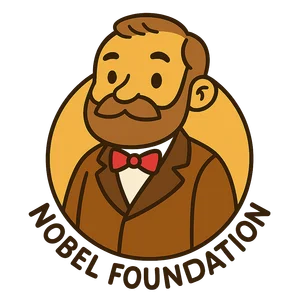
Nobel Foundation
A private institution established in 1900 to manage the finances and administration of the Nobel Prizes…
Reads at Grades K-2 Listens at K–3
Print & create
Answer keys·No prep·Free with an account
28 worksheets · answer keys · full story · quiz · Ages 6-8 · CEFR A2
Plus adds 116,000+ more stories in 27 languages, audio for every one, and printables for all of them.
Just want Nobel Foundation?
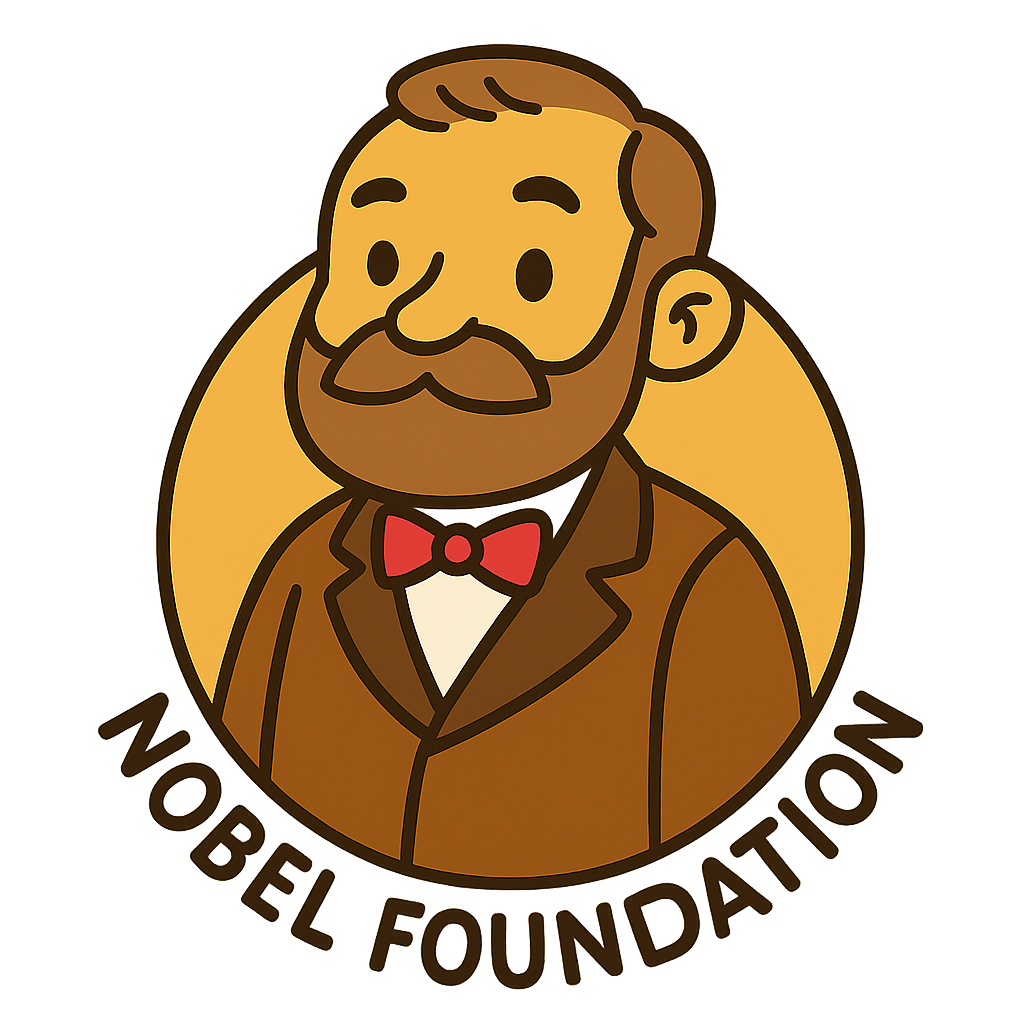
Hello! We are the Nobel Foundation. Our story begins with a man from Sweden named Alfred Nobel. He was a very clever inventor who came up with many new ideas during his life. As he got older, he thought a lot about what would happen to all the money he had earned. He didn't just want to leave it behind; he wanted it to be used for something wonderful that would help people for many, many years. He had a special wish: he wanted his money to be used to give prizes to people who had done the most good for the world. To make his important wish come true, we were created in the year 1900.
Our most important job is to manage the Nobel Prizes, which are very special awards given out each year. The first prizes were awarded just one year after we began, in 1901. Alfred Nobel’s idea was that these awards should go to people whose work has helped everyone, no matter where they live. We look for people who have made amazing discoveries or have worked hard to make the world a better, kinder place. The Nobel Prize is our way of saying "thank you" and celebrating the incredible ideas and actions that improve life for all of humanity. It shines a light on the best things people can do.
You might be wondering what someone has to do to win a Nobel Prize. The awards are given for many different kinds of amazing achievements. Three of our prizes are for science. We give one to people who make big discoveries in physics, which helps us understand how things like stars and electricity work. We give another for chemistry, which is the science of what everything is made of. A third prize is for medicine, which honors people who find new ways to keep us healthy and cure sickness. We also give a prize for literature, to someone who has written wonderful books or poems. A very special award, the Nobel Peace Prize, is for people who work to bring peace to the world. A little later, another prize was added to honor important work in economics, which is the study of how people make, share, and use things.
The Nobel Foundation: A Prize for the World
Hello! We are the Nobel Foundation. Our story begins with a man from Sweden named Alfred Nobel. He was a very clever inventor who came up with many new ideas during his life. As he got older, he thought a lot about what would happen to all the money he had earned. He didn't just want to leave it behind; he wanted it to be used for something wonderful that would help people for many, many years. He had a special wish: he wanted his money to be used to give prizes to people who had done the most good for the world. To make his important wish come true, we were created in the year 1900.
Our most important job is to manage the Nobel Prizes, which are very special awards given out each year. The first prizes were awarded just one year after we began, in 1901. Alfred Nobel’s idea was that these awards should go to people whose work has helped everyone, no matter where they live. We look for people who have made amazing discoveries or have worked hard to make the world a better, kinder place. The Nobel Prize is our way of saying "thank you" and celebrating the incredible ideas and actions that improve life for all of humanity. It shines a light on the best things people can do.
You might be wondering what someone has to do to win a Nobel Prize. The awards are given for many different kinds of amazing achievements. Three of our prizes are for science. We give one to people who make big discoveries in physics, which helps us understand how things like stars and electricity work. We give another for chemistry, which is the science of what everything is made of. A third prize is for medicine, which honors people who find new ways to keep us healthy and cure sickness. We also give a prize for literature, to someone who has written wonderful books or poems. A very special award, the Nobel Peace Prize, is for people who work to bring peace to the world. A little later, another prize was added to honor important work in economics, which is the study of how people make, share, and use things.
Giving out these prizes is a very exciting event! Every year in December, the winners, who are called laureates, travel to a big, fancy ceremony to receive their awards. For most of the prizes, the celebration happens in Stockholm, the capital city of Sweden. The King of Sweden himself hands each winner their prize. It is a great honor. The winners don't just get a handshake; they receive a beautiful gold medal with Alfred Nobel's picture on it and a special certificate called a diploma. But there is one exception. The Nobel Peace Prize is given out in a separate ceremony on the same day, but in a different city: Oslo, which is the capital of Norway.
Our work didn't stop after the first ceremony in 1901. We are still doing this important job every single year. A big part of our work is to take care of the money Alfred Nobel left behind. We manage it very carefully to make sure there will always be enough to continue giving the prizes far into the future. We work with different groups who are experts in science, literature, and peace to help choose the winners each year. Our mission continues today as we search for and honor new people all over the world who are helping humanity with their brilliant ideas and peaceful actions.
Wow facts
About
A private institution established in 1900 to manage the finances and administration of the Nobel Prizes, based on the will of inventor Alfred Nobel.
Take a Quiz
Question 1 of 4
Who was the person whose special wish started the Nobel Foundation?
Explore next


Want to do even more?
Go beyond exploring. Unlock tools that turn every story into real learning.

Storypie Plus for families
Full stories, quizzes, and printables. Nights and car rides, sorted.
- Unlimited audio stories
- Create Mode: your child stars in the story
- Offline downloads
- Printable worksheets & coloring pages

Why Storypie for Schools
Students engaged. Prep in seconds. Evenings back to you.
- Worksheets & Quizzes
- Classroom Management
- Formative Assessment
- Custom Curriculum & Lesson Plans
- 27 Languages

Why Storypie for Homeschool
Curriculum done. They'll ask for more. Hours back in your day.
- Worksheet Generator
- First-Person Audio Stories
- Built-in Comprehension Quizzes
- Custom Curriculum & Lesson Plans
- Print & Go Activities