English

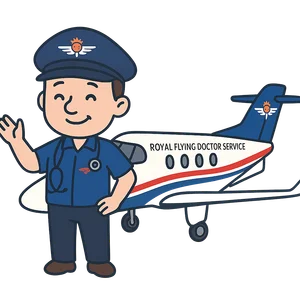
Royal Flying Doctor Service
The Royal Flying Doctor Service of Australia is a non-profit aeromedical organization that provides emergency…
Reads at Grades 6–8 Listens at Grades 4–8
Print & create
Answer keys·No prep·Free with an account
28 worksheets · answer keys · full story · quiz · Ages 10-12 · CEFR B2
Plus adds 116,000+ more stories in 27 languages, audio for every one, and printables for all of them.
Just want Royal Flying Doctor Service?
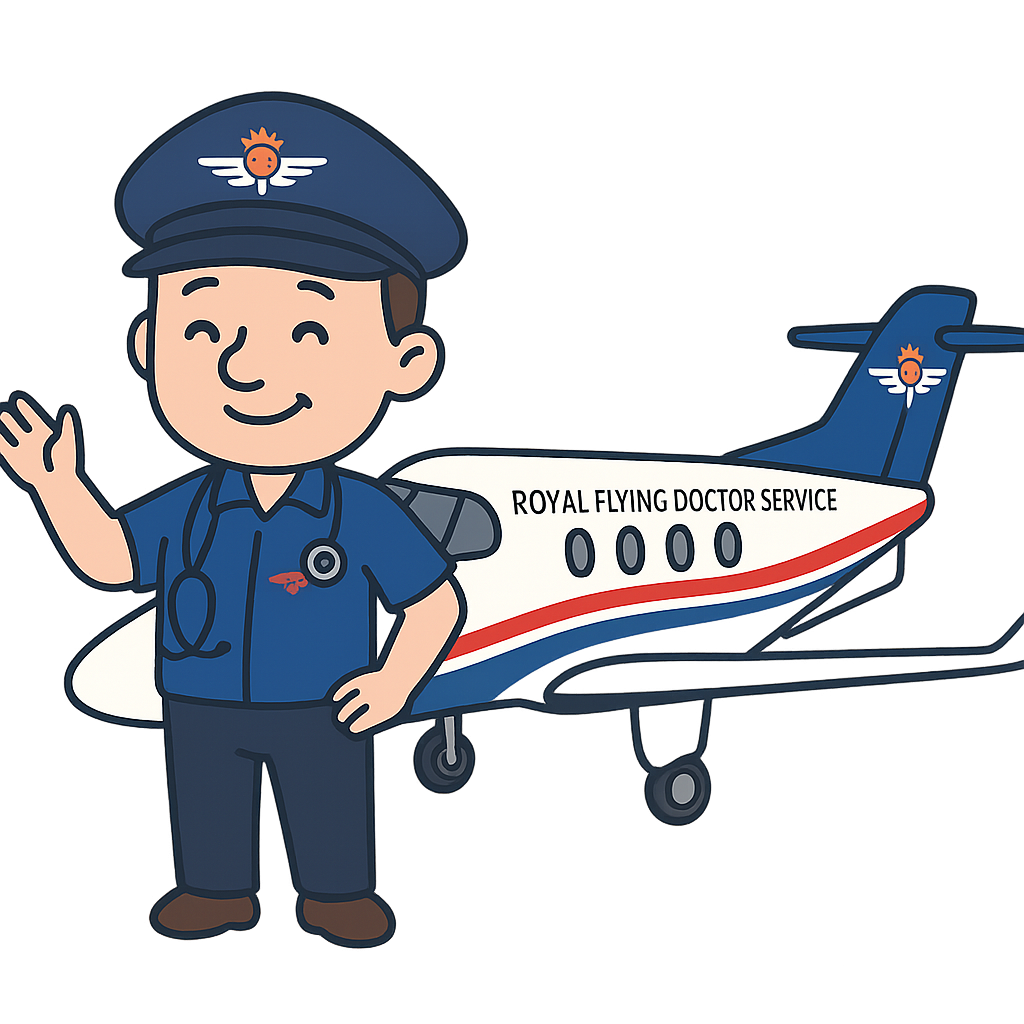
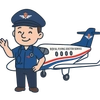
We are the Royal Flying Doctor Service, known by our acronym, RFDS. For nearly a century, our purpose has been to bring the finest medical care to people living, working, and traveling across the vast and remote areas of Australia called the Outback. Before our service was established, the sheer size of the country made getting help a life-threatening challenge. A person could be hundreds, or even thousands, of kilometers from the nearest doctor. A Presbyterian minister named Reverend John Flynn was determined to change this. He had a powerful vision to use the modern technology of his time—the airplane—to overcome the great distances. He imagined creating a “mantle of safety” for the people of the inland, a promise that medical help would always be within reach, no matter how isolated they were.
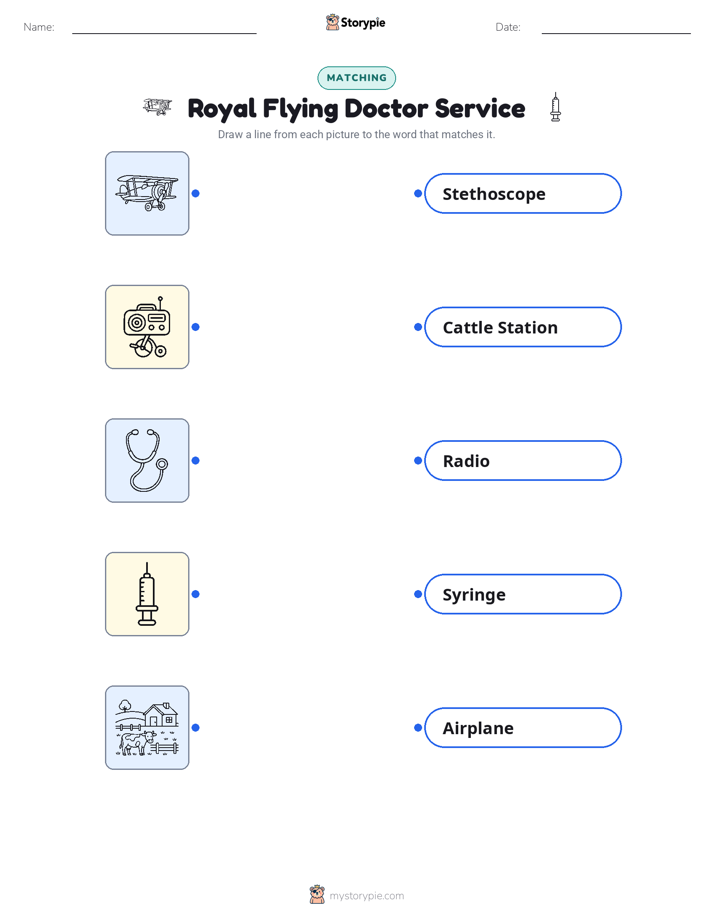
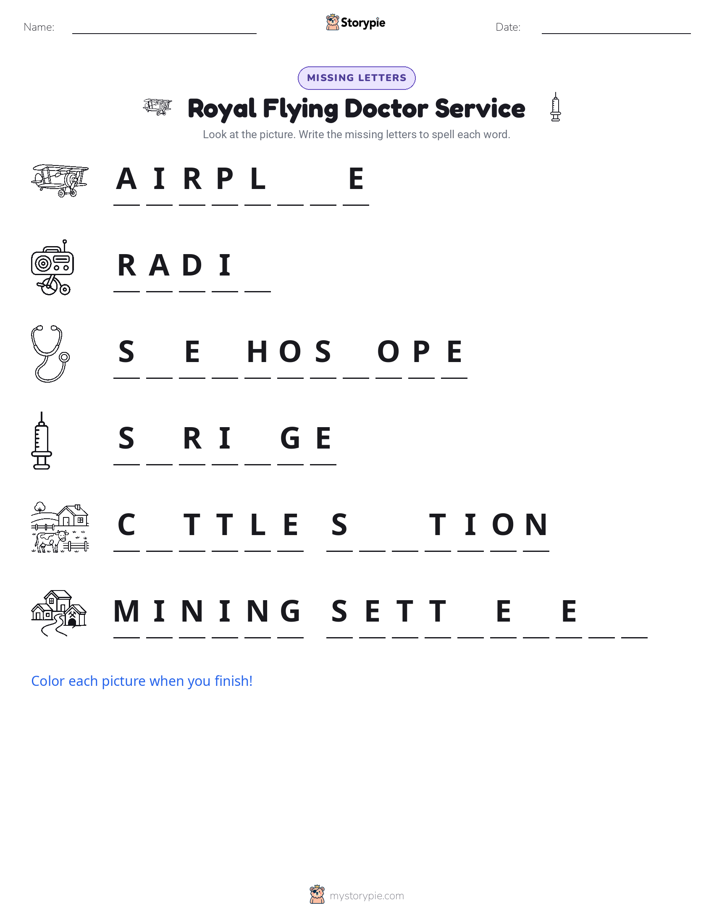
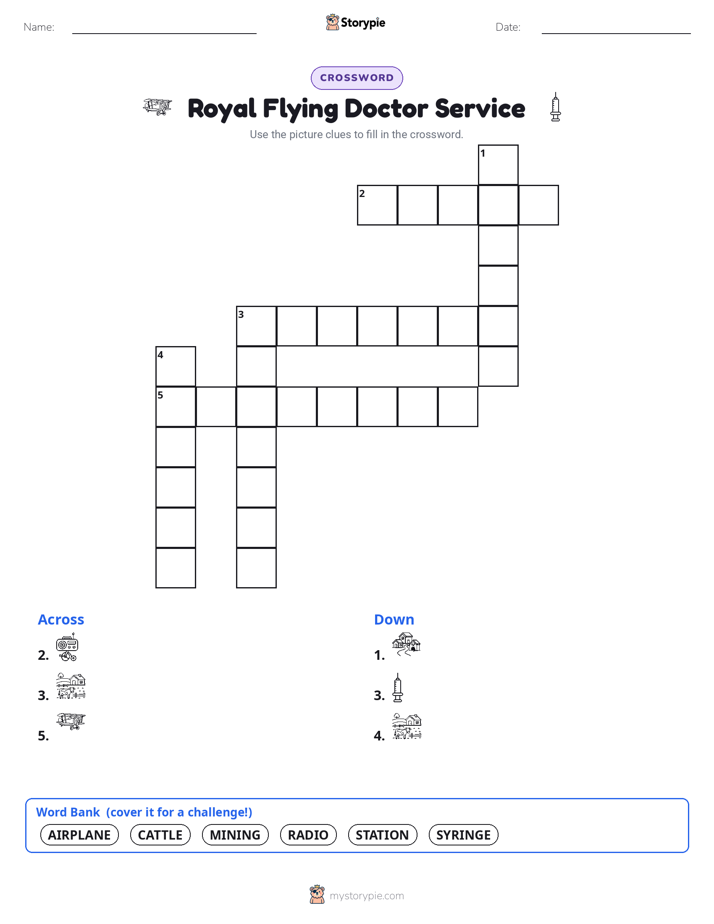
Our story took flight on May 17th, 1928. That day marked our very first official flight, when a de Havilland DH.50 biplane named ‘Victory’ lifted off from the dusty airstrip in Cloncurry, Queensland. The pilot, Arthur Affleck, flew Dr. K. St. Vincent Welch to treat a patient in a remote part of the state. In those early years, we were known as the Aerial Medical Service. While the airplane solved the problem of distance, it created another major challenge: communication. There was no way for a person on a remote cattle station or in a tiny mining settlement to contact us to ask for help. The telephone network did not extend into these areas, and there was often no electricity.
This critical problem was solved by a brilliant invention from Alfred Traeger: the pedal-powered radio. It was a true breakthrough for outback communication. To use it, a person would pedal a set of bicycle-like pedals connected to a generator. This created enough electricity to power a small radio transmitter. Using this device, people could send out messages in Morse code, which would be picked up by our base. For the first time, isolated communities had a direct link to medical advice and emergency assistance. This invention was the missing piece that made our service truly effective, allowing us to know where and when we were needed.
The Royal Flying Doctor Service: A Mantle of Safety
We are the Royal Flying Doctor Service, known by our acronym, RFDS. For nearly a century, our purpose has been to bring the finest medical care to people living, working, and traveling across the vast and remote areas of Australia called the Outback. Before our service was established, the sheer size of the country made getting help a life-threatening challenge. A person could be hundreds, or even thousands, of kilometers from the nearest doctor. A Presbyterian minister named Reverend John Flynn was determined to change this. He had a powerful vision to use the modern technology of his time—the airplane—to overcome the great distances. He imagined creating a “mantle of safety” for the people of the inland, a promise that medical help would always be within reach, no matter how isolated they were.
Our story took flight on May 17th, 1928. That day marked our very first official flight, when a de Havilland DH.50 biplane named ‘Victory’ lifted off from the dusty airstrip in Cloncurry, Queensland. The pilot, Arthur Affleck, flew Dr. K. St. Vincent Welch to treat a patient in a remote part of the state. In those early years, we were known as the Aerial Medical Service. While the airplane solved the problem of distance, it created another major challenge: communication. There was no way for a person on a remote cattle station or in a tiny mining settlement to contact us to ask for help. The telephone network did not extend into these areas, and there was often no electricity.
This critical problem was solved by a brilliant invention from Alfred Traeger: the pedal-powered radio. It was a true breakthrough for outback communication. To use it, a person would pedal a set of bicycle-like pedals connected to a generator. This created enough electricity to power a small radio transmitter. Using this device, people could send out messages in Morse code, which would be picked up by our base. For the first time, isolated communities had a direct link to medical advice and emergency assistance. This invention was the missing piece that made our service truly effective, allowing us to know where and when we were needed.
After a successful one-year experiment based in Queensland, our service proved its immense value, and we began to expand. Over the following decade, we worked to establish new bases, secure more aircraft, and reach more people across the continent. By 1942, our operations had grown so much that our name was changed to the Flying Doctor Service of Australia, reflecting our national scope. A moment of great honor came in 1955 when Queen Elizabeth II granted us a Royal Charter. This is a formal recognition given to organizations of national importance. In acknowledgment of this special charter and our vital work for the nation, we became known by the name we proudly carry today: the Royal Flying Doctor Service.
Today, our fleet of modern aircraft function as intensive care units in the sky. These planes are custom-built and packed with the latest medical equipment, allowing our doctors and nurses to provide critical care in the air. They are designed to be rugged and versatile, capable of landing on short, unpaved dirt airstrips in the middle of the bush. But our work is far more than just emergency rescues. We operate fly-in clinics, where our teams of doctors, nurses, dentists, and mental health professionals regularly visit remote communities. These clinics provide essential services like health check-ups, immunizations, and ongoing support that people in cities can access easily. We also embrace new technology through ‘telehealth,’ providing medical advice over the phone or video calls to thousands of people each year. On average, we help one person every two minutes of every single day.
Our mission continues, just as important now as it was when Reverend Flynn first dreamed of it. We serve a diverse range of people, from families on remote cattle stations and workers in mining camps to Indigenous communities and tourists who find themselves in unexpected trouble. As a not-for-profit organization, we are a charity at heart. We rely on crucial support from Australian governments and the generous donations from the public to keep our planes in the air and our medical teams ready to respond. We are proud to carry on the vision that began with a single plane in 1928, ensuring that everyone in Australia can access the finest care, no matter where they call home.
Wow facts
About
The Royal Flying Doctor Service of Australia is a non-profit aeromedical organization that provides emergency and primary health care services to people in remote and rural areas of Australia.
Take a Quiz
Question 1 of 5
What was the primary communication challenge our service faced in its early years, and how was it solved?
Explore next


Want to do even more?
Go beyond exploring. Unlock tools that turn every story into real learning.

Storypie Plus for families
Full stories, quizzes, and printables. Nights and car rides, sorted.
- Unlimited audio stories
- Create Mode: your child stars in the story
- Offline downloads
- Printable worksheets & coloring pages

Why Storypie for Schools
Students engaged. Prep in seconds. Evenings back to you.
- Worksheets & Quizzes
- Classroom Management
- Formative Assessment
- Custom Curriculum & Lesson Plans
- 27 Languages

Why Storypie for Homeschool
Curriculum done. They'll ask for more. Hours back in your day.
- Worksheet Generator
- First-Person Audio Stories
- Built-in Comprehension Quizzes
- Custom Curriculum & Lesson Plans
- Print & Go Activities