English

Sesame Workshop
A non-profit educational organization behind the television show Sesame Street…
Reads at Grades 6–8 Listens at Grades 4–8
Print & create
Answer keys·No prep·Free with an account
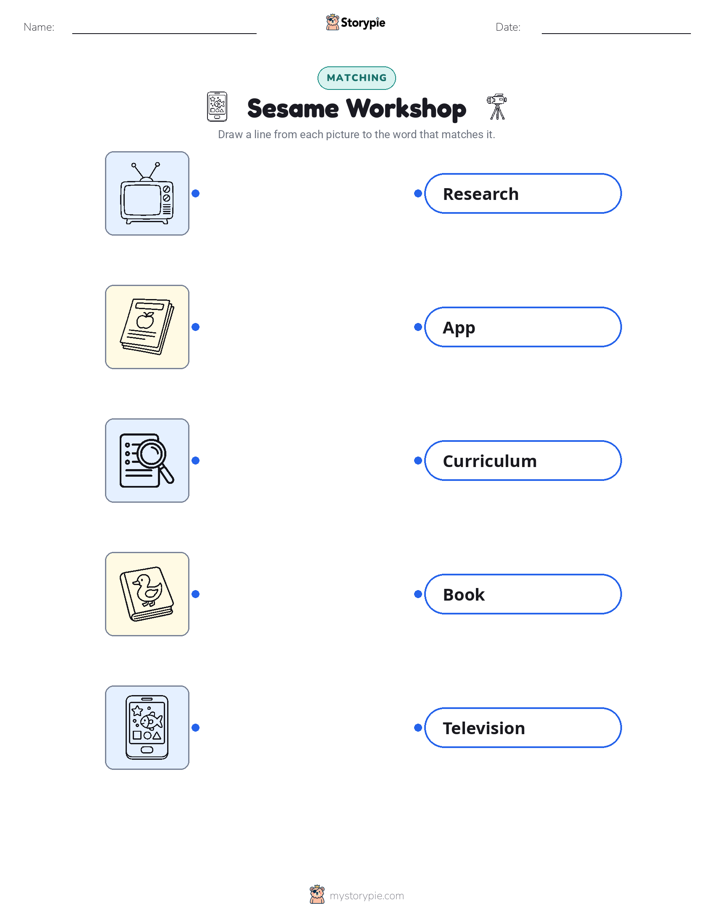
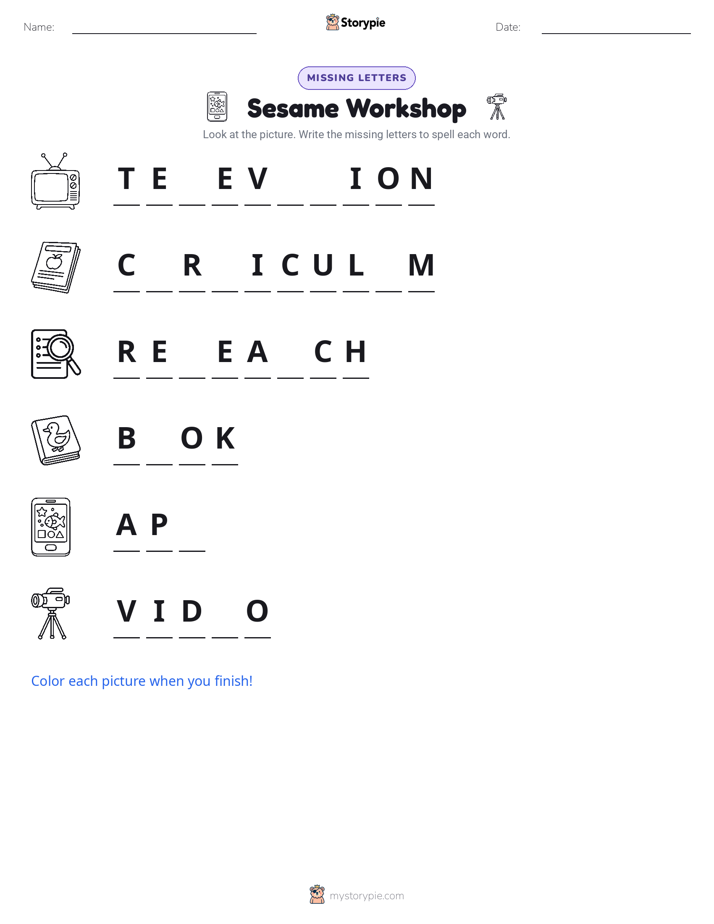
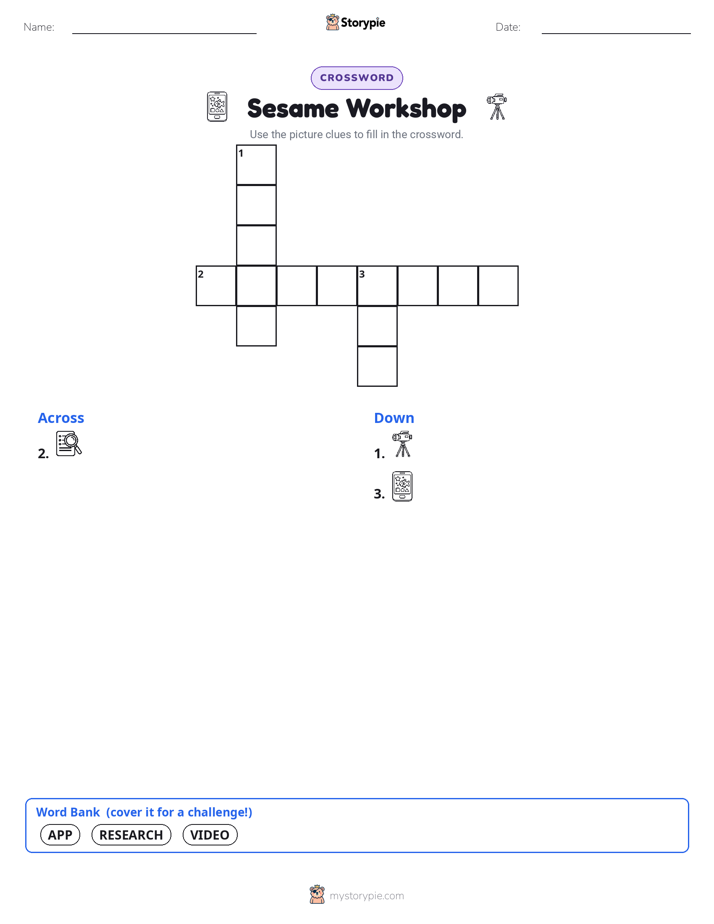
28 worksheets · answer keys · full story · quiz · Ages 10-12 · CEFR B2
Plus adds 116,000+ more stories in 27 languages, audio for every one, and printables for all of them.
Just want Sesame Workshop?
We are Sesame Workshop, a nonprofit organization with a mission to help children everywhere grow smarter, stronger, and kinder. You might know us by the name of our most famous television show, *Sesame Street*, but our story began a little before the first episode aired. We were founded in 1968 by Joan Ganz Cooney and Lloyd Morrisett, who had a groundbreaking idea. At the time, many people saw television as just a source of simple entertainment. But our founders saw its incredible potential. They asked a revolutionary question: could television be used as a tool to help prepare young children for school? We were originally called the Children's Television Workshop, or CTW, and our specific goal was to reach preschoolers, especially those from low-income families who might not have access to the same early learning resources as other children. To achieve this, we brought together a unique team of experts—educators, child development researchers, writers, and creative artists. Among them was the brilliant puppeteer Jim Henson, who helped create the unforgettable characters, or Muppets, that would become the heart of our show. Together, we set out to create a program that was not only educational but also irresistibly fun and engaging. On November 10th, 1969, our creation, *Sesame Street*, premiered, changing children's television forever.
From our earliest days, our work has been guided by a unique, research-based process we call the Sesame Model. This isn't just about making a fun show; it's a careful method for creating effective educational content. We start by working with educators and researchers to develop a detailed curriculum. This curriculum outlines specific learning goals for our audience, covering everything from foundational academic skills like recognizing letters and numbers to crucial social-emotional skills. We wanted to teach children not just their ABCs and 123s, but also how to be good friends, how to share, and how to understand their own feelings and the feelings of others. Every script, song, and segment of our show is then designed to teach these lessons in an entertaining way. After creating the content, we test it with real children to see what works, what holds their attention, and what is truly helping them learn. This cycle of research, creation, and testing ensures our programs are both engaging and effective. This careful approach became our signature and the foundation of our success, not just in the United States, but around the world.
The Story of Sesame Workshop
We are Sesame Workshop, a nonprofit organization with a mission to help children everywhere grow smarter, stronger, and kinder. You might know us by the name of our most famous television show, Sesame Street, but our story began a little before the first episode aired. We were founded in 1968 by Joan Ganz Cooney and Lloyd Morrisett, who had a groundbreaking idea. At the time, many people saw television as just a source of simple entertainment. But our founders saw its incredible potential. They asked a revolutionary question: could television be used as a tool to help prepare young children for school? We were originally called the Children's Television Workshop, or CTW, and our specific goal was to reach preschoolers, especially those from low-income families who might not have access to the same early learning resources as other children. To achieve this, we brought together a unique team of experts—educators, child development researchers, writers, and creative artists. Among them was the brilliant puppeteer Jim Henson, who helped create the unforgettable characters, or Muppets, that would become the heart of our show. Together, we set out to create a program that was not only educational but also irresistibly fun and engaging. On November 10th, 1969, our creation, Sesame Street, premiered, changing children's television forever.
From our earliest days, our work has been guided by a unique, research-based process we call the Sesame Model. This isn't just about making a fun show; it's a careful method for creating effective educational content. We start by working with educators and researchers to develop a detailed curriculum. This curriculum outlines specific learning goals for our audience, covering everything from foundational academic skills like recognizing letters and numbers to crucial social-emotional skills. We wanted to teach children not just their ABCs and 123s, but also how to be good friends, how to share, and how to understand their own feelings and the feelings of others. Every script, song, and segment of our show is then designed to teach these lessons in an entertaining way. After creating the content, we test it with real children to see what works, what holds their attention, and what is truly helping them learn. This cycle of research, creation, and testing ensures our programs are both engaging and effective. This careful approach became our signature and the foundation of our success, not just in the United States, but around the world.
As the success of Sesame Street grew in America, we realized that children in other countries could also benefit from our educational model. Beginning in the 1970s, we began to expand our work beyond the United States. We knew, however, that simply translating the American show into different languages wouldn't be enough. To be truly effective, the content needed to reflect the unique languages, cultures, and specific educational needs of children in each region. This led to the creation of international co-productions, where we partner with local creators and educators to make a version of Sesame Street that feels like it belongs to them. For example, we helped launch Plaza Sésamo in Mexico and Sesamstrasse in Germany. These shows feature their own unique settings, characters, and curriculum goals tailored to their communities. This collaborative approach has allowed our mission to travel the globe, with dozens of local versions of Sesame Street reaching children in their own languages and cultural contexts, proving that learning is a universal language.
As the world changed, so did we. By the year 2000, our work had expanded far beyond just a single television show. We were creating books, educational outreach programs in communities, and exploring new technologies. To better reflect this broader scope of our work, we changed our name from the Children's Television Workshop to Sesame Workshop. This new name signaled our evolution into a multifaceted educational organization. With the rise of the internet and digital devices, we adapted once again. We began creating content for a new generation of learners, developing educational apps, online games, videos for streaming services, and a wide range of digital resources for children, parents, and teachers. Our mission also evolved to help children navigate an increasingly complex world. We've never shied away from addressing important topics in an age-appropriate way. For example, to promote understanding and inclusion, we introduced a new character to Sesame Street named Julia, a Muppet who has autism. Through her story, we help children and families learn about autism and the importance of empathy and friendship. Today, our work continues, driven by the same mission we've had from the start: to use the power of media to help children everywhere reach their full potential.
Wow facts
About
A non-profit educational organization behind the television show Sesame Street, dedicated to helping children grow smarter, stronger, and kinder through media and educational programs.
Take a Quiz
Question 1 of 5
What was the revolutionary mission of the Children's Television Workshop when it was founded in 1968?
Explore next





Want to do even more?
Go beyond exploring. Unlock tools that turn every story into real learning.

Storypie Plus for families
Full stories, quizzes, and printables. Nights and car rides, sorted.
- Unlimited audio stories
- Create Mode: your child stars in the story
- Offline downloads
- Printable worksheets & coloring pages

Why Storypie for Schools
Students engaged. Prep in seconds. Evenings back to you.
- Worksheets & Quizzes
- Classroom Management
- Formative Assessment
- Custom Curriculum & Lesson Plans
- 27 Languages

Why Storypie for Homeschool
Curriculum done. They'll ask for more. Hours back in your day.
- Worksheet Generator
- First-Person Audio Stories
- Built-in Comprehension Quizzes
- Custom Curriculum & Lesson Plans
- Print & Go Activities