English

Special Olympics
A global organization that provides year-round sports training and athletic competition in a variety of…
Reads at Grades 6–8 Listens at Grades 4–8
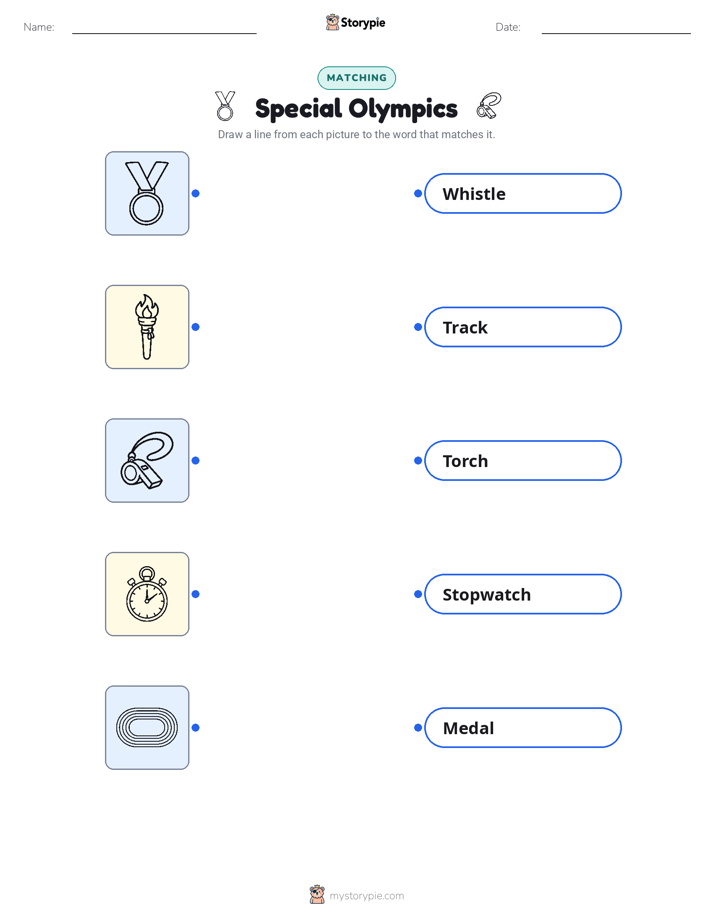
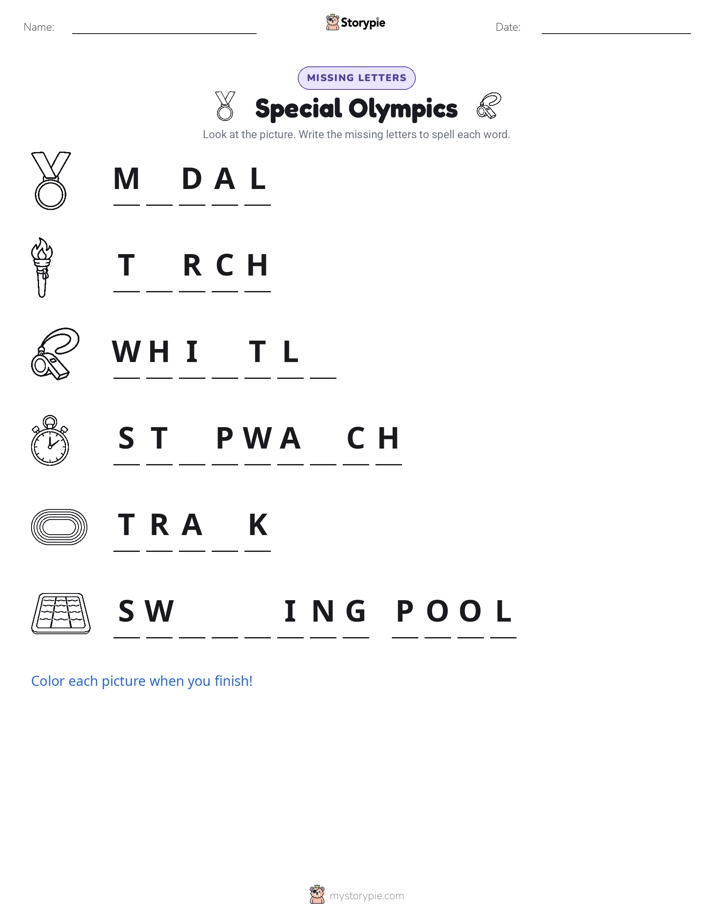
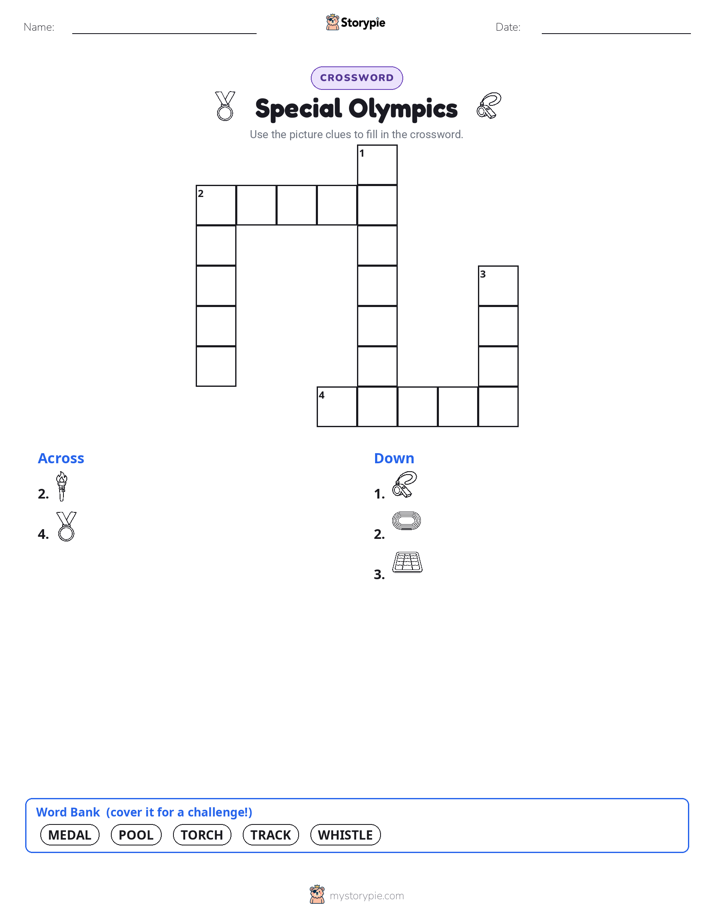
Print & create
Answer keys·No prep·Free with an account
28 worksheets · answer keys · full story · quiz · Ages 10-12 · CEFR B2
Plus adds 116,000+ more stories in 27 languages, audio for every one, and printables for all of them.
Just want Special Olympics?
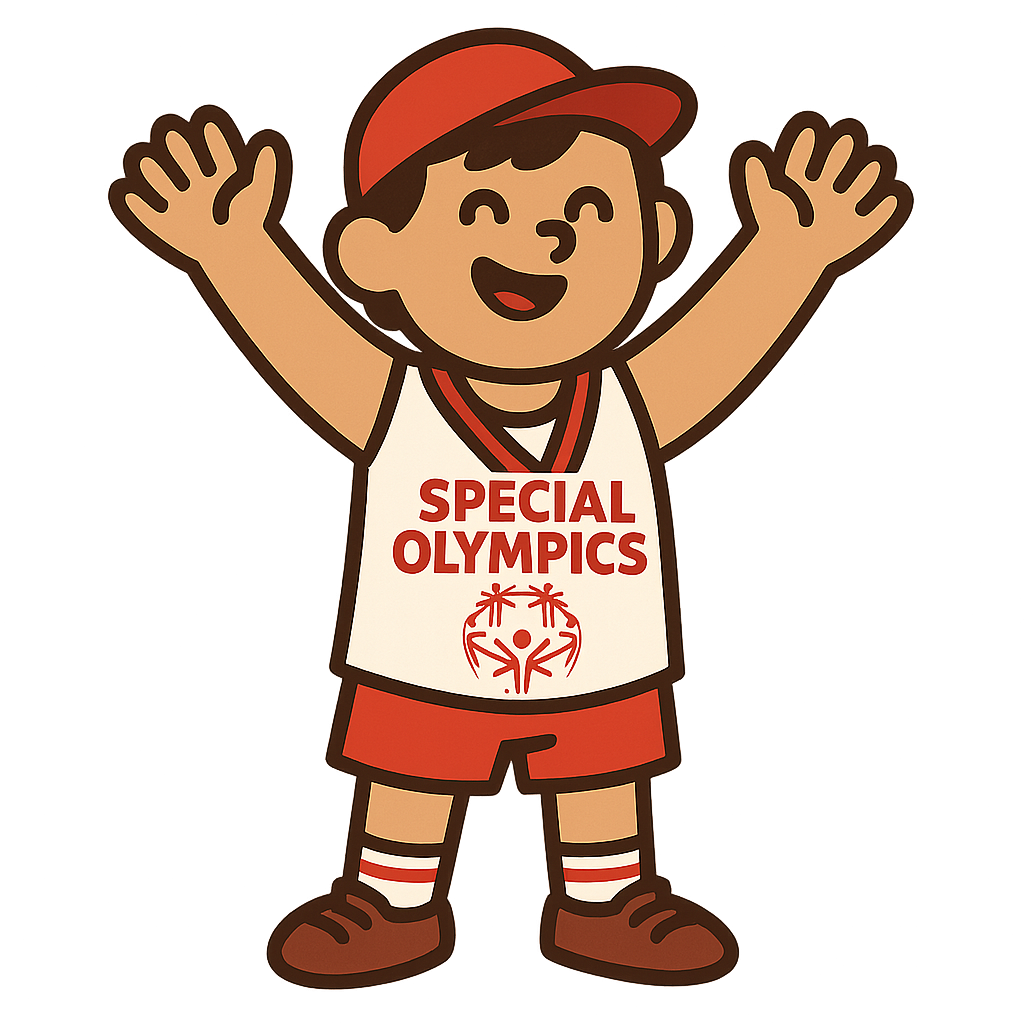
Hello. We are Special Olympics, and our story began with a simple but powerful idea conceived by our founder, Eunice Kennedy Shriver. During the 1950s and 1960s, the world was often a different and more difficult place for people with intellectual disabilities. They were frequently excluded from many parts of society that others took for granted, such as school, workplaces, and community activities. Opportunities to play sports, experience the joy of physical activity, and learn about teamwork and competition were especially rare. Eunice Kennedy Shriver saw this widespread exclusion and believed it was fundamentally wrong. She held a strong conviction that sports could do much more than just provide a chance to play; she believed that the discipline and joy of athletics had the power to reveal the hidden talents and unique gifts of every individual. More importantly, she felt that by showcasing these abilities in a public and positive way, we could help transform negative attitudes and deep-seated misunderstandings about people with intellectual disabilities.
To put this powerful belief into action, Eunice started a summer day camp in 1962. This was not a large, formal event held in a stadium; it began humbly, right in her own backyard. The camp was named Camp Shriver, and she invited young people with intellectual disabilities from the local area to come and participate in a wide variety of sports and physical activities. It was designed to be a place of fun, encouragement, and discovery, where every participant was celebrated for their effort and spirit. The camp was a tremendous success. For Eunice and the volunteers, it provided clear and undeniable proof of what she had always believed: that when given a fair chance and proper encouragement, individuals with intellectual disabilities could be focused, dedicated, and truly exceptional athletes. The joy and confidence that radiated from the participants at Camp Shriver became the foundational spark for a much larger, worldwide movement.
Special Olympics: A Movement of Inclusion
Hello. We are Special Olympics, and our story began with a simple but powerful idea conceived by our founder, Eunice Kennedy Shriver. During the 1950s and 1960s, the world was often a different and more difficult place for people with intellectual disabilities. They were frequently excluded from many parts of society that others took for granted, such as school, workplaces, and community activities. Opportunities to play sports, experience the joy of physical activity, and learn about teamwork and competition were especially rare. Eunice Kennedy Shriver saw this widespread exclusion and believed it was fundamentally wrong. She held a strong conviction that sports could do much more than just provide a chance to play; she believed that the discipline and joy of athletics had the power to reveal the hidden talents and unique gifts of every individual. More importantly, she felt that by showcasing these abilities in a public and positive way, we could help transform negative attitudes and deep-seated misunderstandings about people with intellectual disabilities.
To put this powerful belief into action, Eunice started a summer day camp in 1962. This was not a large, formal event held in a stadium; it began humbly, right in her own backyard. The camp was named Camp Shriver, and she invited young people with intellectual disabilities from the local area to come and participate in a wide variety of sports and physical activities. It was designed to be a place of fun, encouragement, and discovery, where every participant was celebrated for their effort and spirit. The camp was a tremendous success. For Eunice and the volunteers, it provided clear and undeniable proof of what she had always believed: that when given a fair chance and proper encouragement, individuals with intellectual disabilities could be focused, dedicated, and truly exceptional athletes. The joy and confidence that radiated from the participants at Camp Shriver became the foundational spark for a much larger, worldwide movement.
The success of that backyard camp directly led to the creation of a much bigger event. On July 20th, 1968, we organized and held the very first International Special Olympics Summer Games. The event took place at Soldier Field in Chicago, Illinois, a major professional sports stadium. Holding the games there sent a powerful message: these athletes were worthy of a world-class stage. Approximately 1,000 athletes from the United States and Canada traveled to Chicago to compete. They participated in events familiar to any sports fan, such as track and field and swimming, showcasing their incredible skill and determination to a cheering crowd. This historic event marked our official beginning as an organization. Following the excitement and positive impact of the first Games, our movement began to grow at a rapid pace. We expanded from a single summer event into a year-round program that offered ongoing sports training and regular competitions, allowing athletes to develop their skills over time. Our reach also spread far beyond North America, as new programs started in countries all around the globe. A major milestone in our history came in 1988, when the International Olympic Committee officially recognized our organization. This important recognition gave us permission to use the name "Olympics," which formally connected our mission to the respected, worldwide spirit of the Olympic movement.
As our sports programs grew across the globe, we understood that our mission needed to encompass more than just what happens on the playing field. Our focus expanded with the goal of improving the overall well-being and quality of life for our athletes in every aspect. To achieve this, we created several important initiatives that go beyond sports. One of our most impactful programs is called Healthy Athletes. Through this program, we provide completely free health screenings and essential services that many of our athletes might otherwise struggle to access. At our events, volunteer medical professionals generously donate their time to check athletes' vision and hearing, provide dental care, and offer other vital health services. We also wanted to empower our athletes to be more than just competitors on a team. To this end, our Athlete Leadership programs were developed. These programs provide training and opportunities for athletes to become leaders themselves. They learn valuable skills in areas like public speaking, committee work, and advocacy, which allows them to serve as coaches, officials, spokespeople, and respected leaders within our organization and their own home communities.
Another one of our most important and transformative programs is called Unified Sports. This unique initiative brings people with and without intellectual disabilities together to play on the same teams. By training together, competing as equals, and working toward a shared goal side-by-side, teammates build genuine friendships that are based on mutual respect and a deep, personal understanding. Unified Sports has become an incredibly powerful tool for fostering authentic inclusion, because it breaks down social barriers and clearly demonstrates that every person, regardless of ability, has something valuable to contribute to a team's success. This experience changes the attitudes of everyone involved—players, coaches, and spectators—and helps create more welcoming and integrated communities. Together, these programs show that our work extends far beyond the finish line. Our ultimate aim is to help build a world where our athletes are healthy, confident, empowered, and fully included in all aspects of life.
Today, we are a truly global movement, continuing the work that started so many years ago in a simple backyard. We proudly serve millions of athletes in more than 190 countries, spanning every continent on the planet. Our programs now offer year-round training and competition in over 30 different Olympic-type sports, from team sports like basketball and soccer to individual challenges like gymnastics and skiing. Though we have grown immensely since that first camp, our core goal remains exactly the same as it was in the beginning: to create a more inclusive and accepting world by celebrating the incredible abilities and achievements of all people. We continue the important work of fighting against the social stigma and negative stereotypes that people with intellectual disabilities often face. Through the universal power of sport, we bring people together, building a global community where every single person is treated with the dignity, acceptance, and respect they deserve.
Wow facts
About
A global organization that provides year-round sports training and athletic competition in a variety of Olympic-type sports for children and adults with intellectual disabilities.
Take a Quiz
Question 1 of 5
What was the direct result of the success of Camp Shriver in 1962?
Explore next




Want to do even more?
Go beyond exploring. Unlock tools that turn every story into real learning.

Storypie Plus for families
Full stories, quizzes, and printables. Nights and car rides, sorted.
- Unlimited audio stories
- Create Mode: your child stars in the story
- Offline downloads
- Printable worksheets & coloring pages

Why Storypie for Schools
Students engaged. Prep in seconds. Evenings back to you.
- Worksheets & Quizzes
- Classroom Management
- Formative Assessment
- Custom Curriculum & Lesson Plans
- 27 Languages

Why Storypie for Homeschool
Curriculum done. They'll ask for more. Hours back in your day.
- Worksheet Generator
- First-Person Audio Stories
- Built-in Comprehension Quizzes
- Custom Curriculum & Lesson Plans
- Print & Go Activities