English

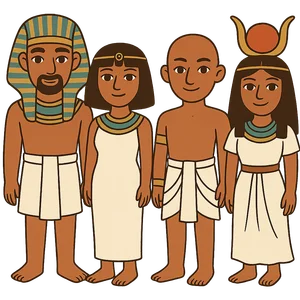
Ancient Egyptians
The Ancient Egyptians were a civilization in northeastern Africa that flourished for over 3…
Reads at Grades 6–8 Listens at Grades 4–8
Print & create
Answer keys·No prep·Free with an account
28 worksheets · answer keys · full story · quiz · Ages 10-12 · CEFR B2
Plus adds 116,000+ more stories in 27 languages, audio for every one, and printables for all of them.
Just want Ancient Egyptians?
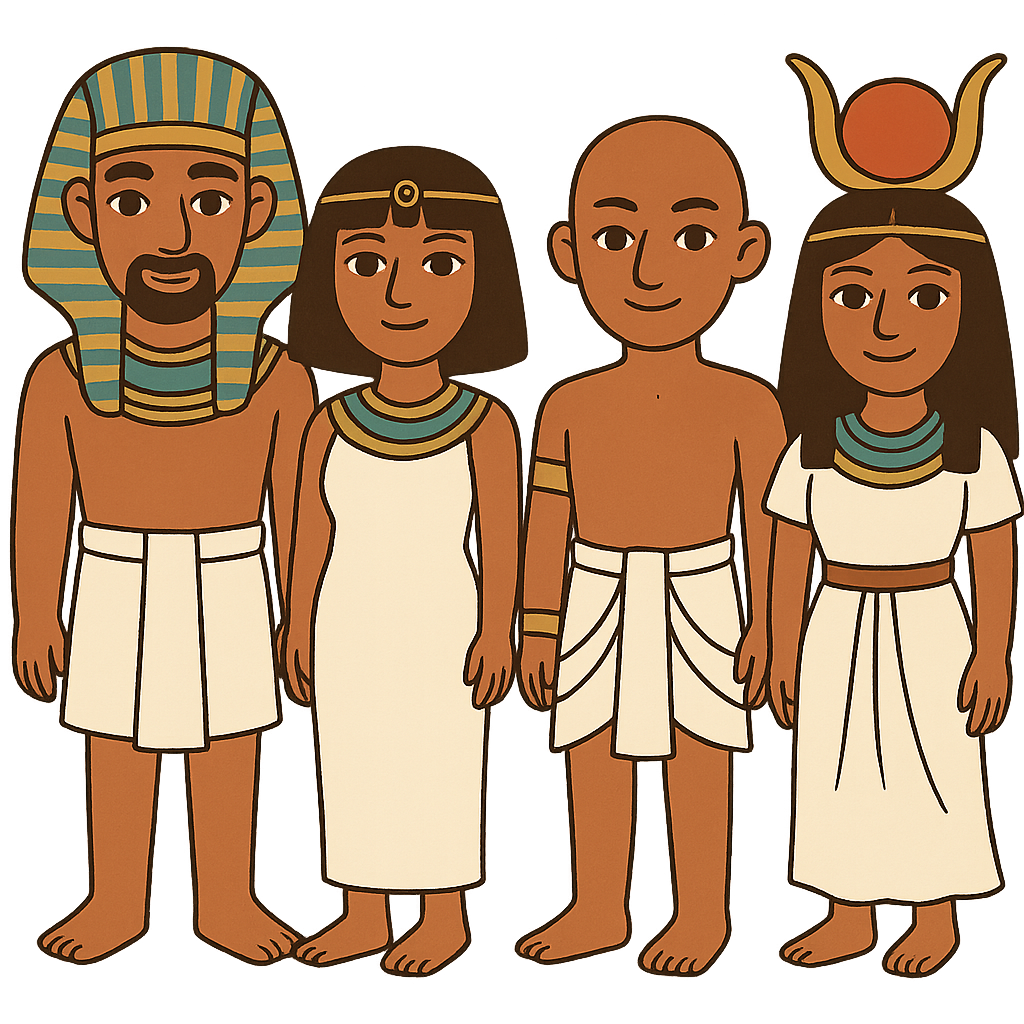
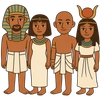
We are the people of Kemet, and our story is written on stone and papyrus, a tale that unfolds along the banks of a great river. For over 3,000 years, our civilization flourished in northeastern Africa, nourished by the life-giving waters of the Nile. We called our home Kemet, which means 'the black land.' This name came from the rich, dark soil that the Nile River gifted us each year. Every summer, like clockwork, the river would swell and overflow its banks, covering the surrounding valley. When the waters receded, they left behind a thick layer of fertile mud called silt. This annual gift made our land an oasis of abundance, a perfect place for farming in the middle of a vast desert.
This dark, narrow strip of land was where we built our lives and our kingdom. We became expert farmers, learning the rhythms of the river and the seasons. We planted wheat and barley in the fertile silt, and our harvests fed our entire society, allowing our cities to grow and our culture to thrive. Beyond the black land lay the endless sands of the desert, which we called the 'red land.' This harsh, dry landscape protected us from invaders and created a stark contrast with the vibrant life along the river. The Nile was more than just a source of water and food; it was the heart of our world, shaping our calendar, our beliefs, and our very identity.
Our society was carefully structured to reflect balance and order. At the very top was our king, whom we called the pharaoh. We did not see the pharaoh as just a ruler; we believed he was a god on Earth, a living link between us and the divine. His most important duty was to maintain ma'at, the fundamental principle of cosmic order, truth, and justice. As long as the pharaoh upheld ma'at, we believed our kingdom would be stable and prosperous. This belief guided every decision, from matters of state to the rituals of daily life. Our spiritual world was filled with many gods and goddesses, each controlling a different part of the natural and human world. One of the most powerful and revered was Ra, the sun god. We believed that each day, Ra journeyed across the sky in a great boat, bringing light and warmth to the world, and each night he traveled through the underworld to be reborn at dawn. To show our devotion and ensure the gods would protect our kingdom, we built magnificent temples of stone. These were not just places of worship; they were grand, beautiful homes for the gods on Earth, cared for by legions of priests.
We Are the People of Kemet
We are the people of Kemet, and our story is written on stone and papyrus, a tale that unfolds along the banks of a great river. For over 3,000 years, our civilization flourished in northeastern Africa, nourished by the life-giving waters of the Nile. We called our home Kemet, which means 'the black land.' This name came from the rich, dark soil that the Nile River gifted us each year. Every summer, like clockwork, the river would swell and overflow its banks, covering the surrounding valley. When the waters receded, they left behind a thick layer of fertile mud called silt. This annual gift made our land an oasis of abundance, a perfect place for farming in the middle of a vast desert.
This dark, narrow strip of land was where we built our lives and our kingdom. We became expert farmers, learning the rhythms of the river and the seasons. We planted wheat and barley in the fertile silt, and our harvests fed our entire society, allowing our cities to grow and our culture to thrive. Beyond the black land lay the endless sands of the desert, which we called the 'red land.' This harsh, dry landscape protected us from invaders and created a stark contrast with the vibrant life along the river. The Nile was more than just a source of water and food; it was the heart of our world, shaping our calendar, our beliefs, and our very identity.
Our society was carefully structured to reflect balance and order. At the very top was our king, whom we called the pharaoh. We did not see the pharaoh as just a ruler; we believed he was a god on Earth, a living link between us and the divine. His most important duty was to maintain ma'at, the fundamental principle of cosmic order, truth, and justice. As long as the pharaoh upheld ma'at, we believed our kingdom would be stable and prosperous. This belief guided every decision, from matters of state to the rituals of daily life. Our spiritual world was filled with many gods and goddesses, each controlling a different part of the natural and human world. One of the most powerful and revered was Ra, the sun god. We believed that each day, Ra journeyed across the sky in a great boat, bringing light and warmth to the world, and each night he traveled through the underworld to be reborn at dawn. To show our devotion and ensure the gods would protect our kingdom, we built magnificent temples of stone. These were not just places of worship; they were grand, beautiful homes for the gods on Earth, cared for by legions of priests.
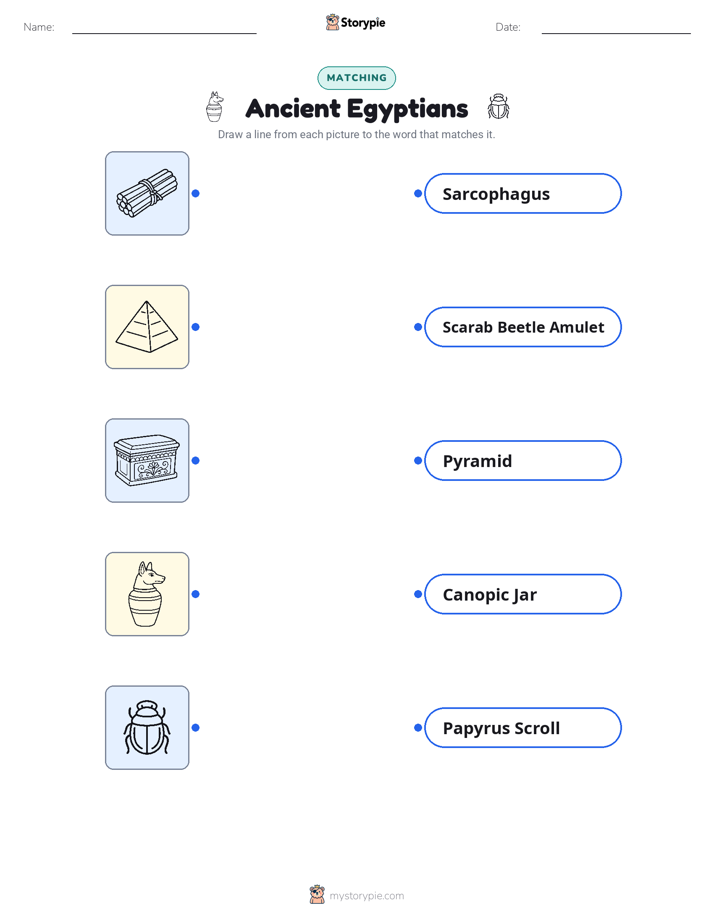
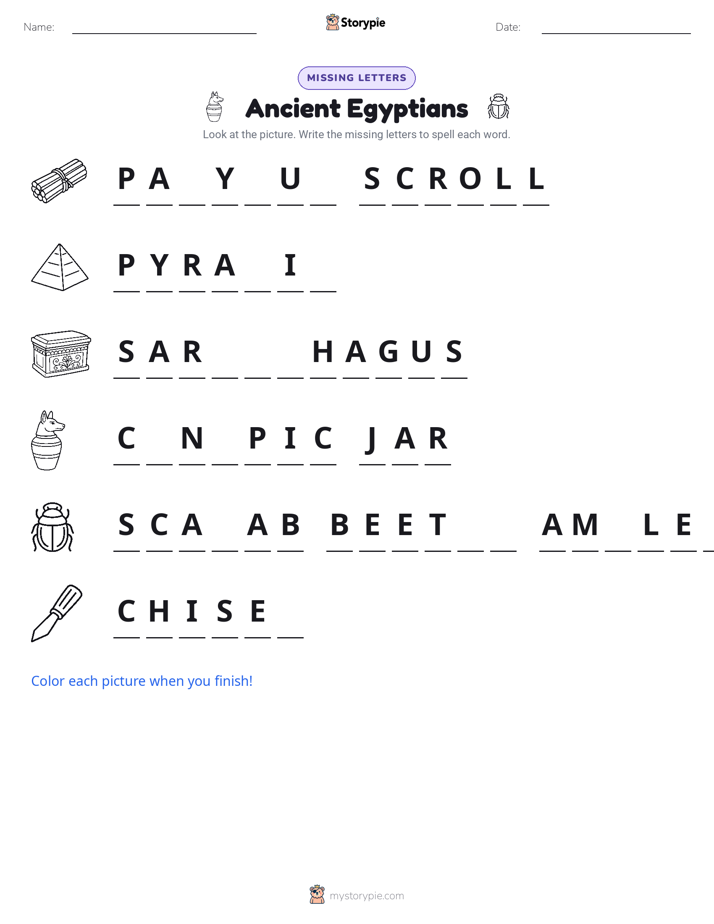
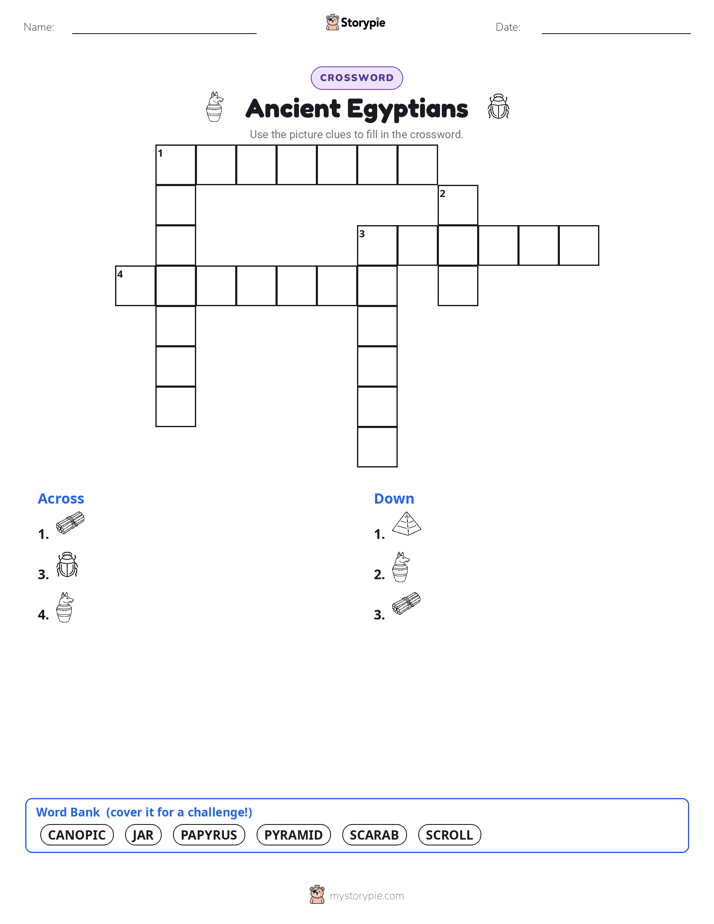
Our belief in the divine extended deeply into our understanding of life and death. We were certain that life did not end with our last breath; instead, it was a transition to another, eternal existence in the afterlife. To ensure a safe and successful journey to this next world, the body had to be preserved. Over centuries, we perfected a complex method called mummification, a careful process of treating and wrapping the body to keep it from decaying. We believed that the spirit needed its physical form to recognize in the afterlife. Our greatest architectural achievements were born from this profound belief. During the era we know as the Old Kingdom, our pharaohs commanded the construction of the pyramids, colossal stone structures that served as their magnificent tombs. These were not just burial places; they were eternal homes designed to protect the pharaoh's body and spirit. We filled these tombs with everything a person could possibly need in the next life: furniture, clothing, jewelry, food, and even games. To guide the deceased safely through the dangers of the underworld, we included collections of sacred spells and prayers, known as the Book of the Dead, written on papyrus scrolls.
Our focus on eternity was matched by our ingenuity in the present. We developed one of the world's first great writing systems, a beautiful and complex script of pictures and symbols called hieroglyphs. Writing was a specialized skill, and the scribes who mastered it were highly respected members of our society. Using reed pens and ink, they recorded our history, religious texts, laws, and stories on scrolls made from the papyrus plant that grew along the Nile. Our creativity also flourished in science and mathematics. We were skilled mathematicians, and our understanding of geometry was essential for our engineering marvels. We used it to survey farmland after the annual flood and to calculate the precise angles needed to build our towering pyramids and temples. Our knowledge of medicine was also remarkably advanced for our time. Our doctors could diagnose illnesses, set broken bones, and even perform simple surgeries. Our practice of mummification, which required a detailed knowledge of the human body, gave us a unique understanding of anatomy that helped our physicians heal the living.
Our ancient civilization, which had endured for millennia, finally came to an end when we were conquered by the Romans in the year 30 BCE. For centuries after, the world forgot how to read our sacred hieroglyphs, and our history became shrouded in mystery. It was not until the 19th century that a remarkable discovery changed everything. A stone slab, known as the Rosetta Stone, was found with the same text inscribed in three scripts, including our hieroglyphs. This stone became the key that allowed scholars to finally decode our ancient language and unlock the stories we had left behind. Today, our civilization may be part of the past, but our legacy is all around. The great pyramids still stand as a testament to our skill, our art continues to fascinate, and our scientific knowledge laid the groundwork for future discoveries. In the very place where we once built our kingdom, the modern nation of Egypt now thrives, a living connection to our enduring story.
Wow facts
About
The Ancient Egyptians were a civilization in northeastern Africa that flourished for over 3,000 years along the banks of the Nile River, known for their pyramids, pharaohs, mummification, and hieroglyphic writing.
Take a Quiz
Question 1 of 5
What was the direct result of the Nile River's annual flooding for the people of Kemet?
Explore next
Want to do even more?
Go beyond exploring. Unlock tools that turn every story into real learning.

Storypie Plus for families
Full stories, quizzes, and printables. Nights and car rides, sorted.
- Unlimited audio stories
- Create Mode: your child stars in the story
- Offline downloads
- Printable worksheets & coloring pages

Why Storypie for Schools
Students engaged. Prep in seconds. Evenings back to you.
- Worksheets & Quizzes
- Classroom Management
- Formative Assessment
- Custom Curriculum & Lesson Plans
- 27 Languages

Why Storypie for Homeschool
Curriculum done. They'll ask for more. Hours back in your day.
- Worksheet Generator
- First-Person Audio Stories
- Built-in Comprehension Quizzes
- Custom Curriculum & Lesson Plans
- Print & Go Activities