English

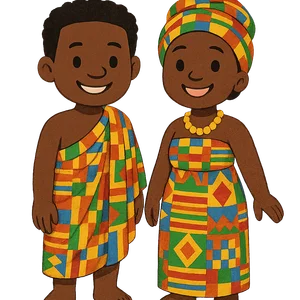
Ashanti People
The Ashanti are an Akan ethnic group native to the Ashanti Region of modern-day Ghana…
Reads at Grades 3–5 Listens at Grades 1–5
Print & create
Answer keys·No prep·Free with an account
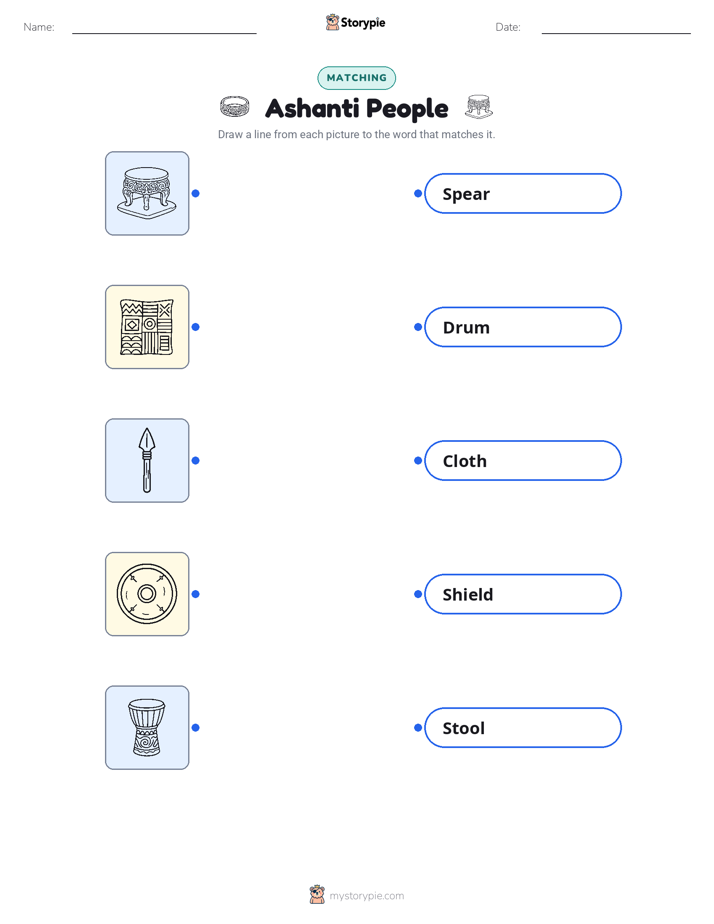
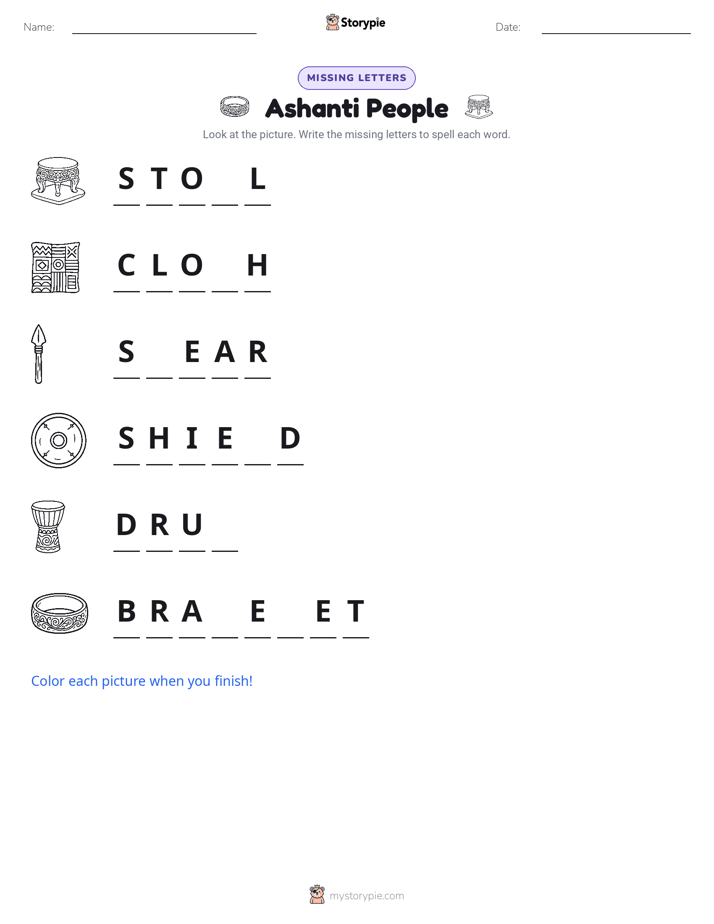
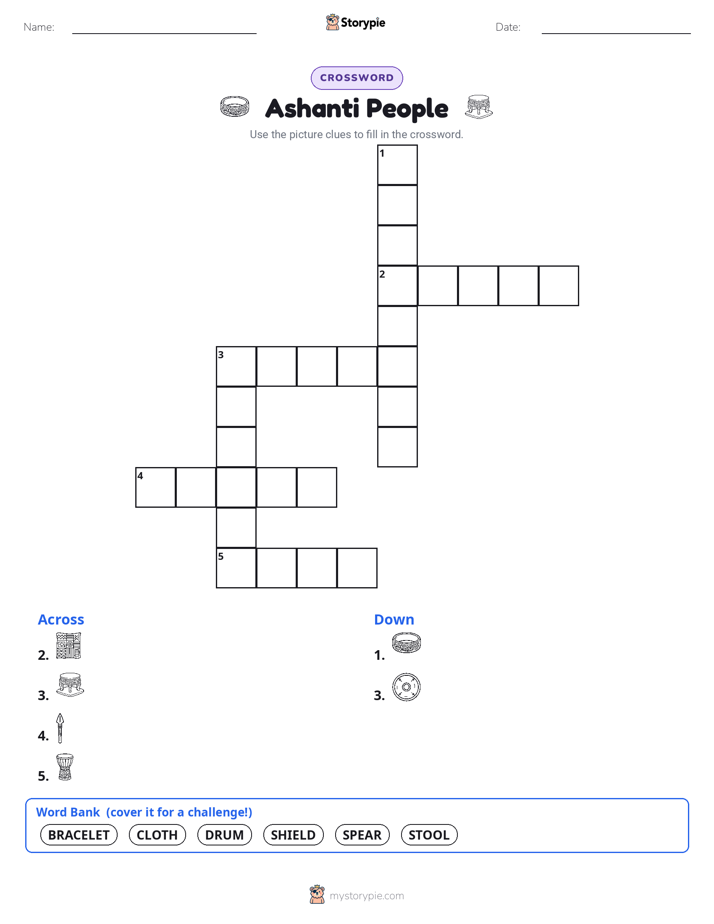
28 worksheets · answer keys · full story · quiz · Ages 8-10 · CEFR B1
Plus adds 116,000+ more stories in 27 languages, audio for every one, and printables for all of them.
Just want Ashanti People?
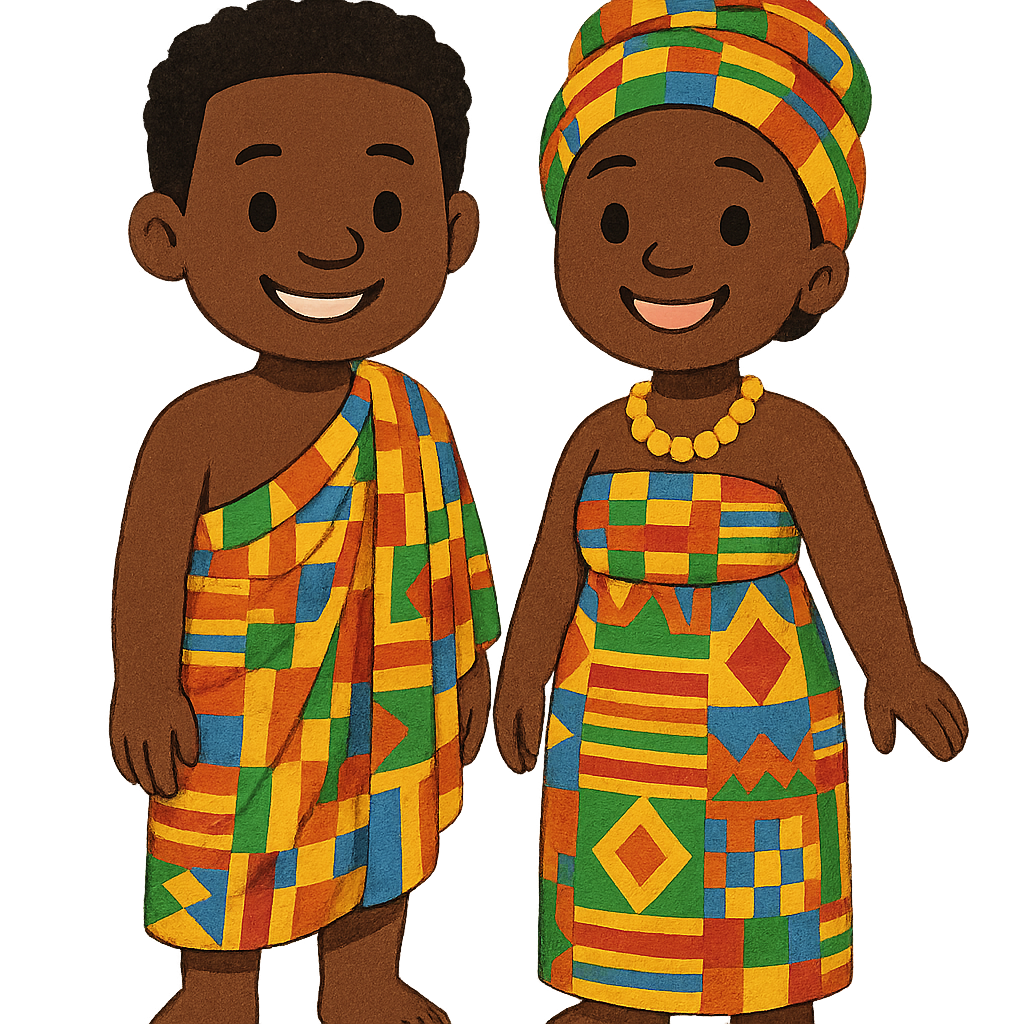
Hello! We are the Ashanti people, and we are part of the larger Akan group of people who live in the country of Ghana today. Our story as a united kingdom began a long time ago, around the year 1701. It was then that our first great king, Osei Tutu, brought many different groups together to form a powerful empire. He knew that we would be stronger together than we were apart. Our unity is represented by our most sacred symbol, the Golden Stool. Our traditions tell us that this special stool was brought down from the sky. It is not a regular chair for sitting; in fact, it must never be sat upon. We believe the Golden Stool holds the very soul of our nation, representing our strength, our spirit, and our connection to one another through history.
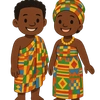
Our sense of connection is also part of our daily life and family structure. We have what is called a matrilineal society. This means that when we trace our family lines, we follow them through our mothers, grandmothers, and so on. Important things like inheritance are also passed down through the mother’s side of the family. This way of organizing our families is a tradition we have followed for generations. You can also see our culture and beliefs in the beautiful art we create. Perhaps you have heard of our famous Kente cloth. It is a stunning fabric that we weave with threads of many bright colors. Every single color and every pattern woven into the cloth has a special meaning. It’s like a language made of thread, telling a story or sharing an idea. We also have Adinkra symbols. These are special designs that represent important ideas and proverbs, reminding us of the wisdom of our ancestors.
The Golden Stool and the Woven Cloth: Our Story as Ashanti People
Hello! We are the Ashanti people, and we are part of the larger Akan group of people who live in the country of Ghana today. Our story as a united kingdom began a long time ago, around the year 1701. It was then that our first great king, Osei Tutu, brought many different groups together to form a powerful empire. He knew that we would be stronger together than we were apart. Our unity is represented by our most sacred symbol, the Golden Stool. Our traditions tell us that this special stool was brought down from the sky. It is not a regular chair for sitting; in fact, it must never be sat upon. We believe the Golden Stool holds the very soul of our nation, representing our strength, our spirit, and our connection to one another through history.
Our sense of connection is also part of our daily life and family structure. We have what is called a matrilineal society. This means that when we trace our family lines, we follow them through our mothers, grandmothers, and so on. Important things like inheritance are also passed down through the mother’s side of the family. This way of organizing our families is a tradition we have followed for generations. You can also see our culture and beliefs in the beautiful art we create. Perhaps you have heard of our famous Kente cloth. It is a stunning fabric that we weave with threads of many bright colors. Every single color and every pattern woven into the cloth has a special meaning. It’s like a language made of thread, telling a story or sharing an idea. We also have Adinkra symbols. These are special designs that represent important ideas and proverbs, reminding us of the wisdom of our ancestors.
Like many peoples, our history has had its challenges. During the 19th and early 20th centuries, we fought a series of wars against the British. We fought hard because we wanted to protect our independence and our way of life. In the end, our kingdom became part of a British colony. But even when our political situation changed, our culture did not fade away. We held onto our traditions, our art, and our family structures. Our culture remained strong and has been passed down to us today. Today, we, the Ashanti people, thrive in modern Ghana. Our king, who holds the title of the Asantehene, is still a very important cultural leader for our communities. We continue to celebrate our unique traditions, from weaving Kente cloth to remembering the stories behind our Adinkra symbols, keeping the soul of our nation alive for future generations.
Wow facts
About
The Ashanti are an Akan ethnic group native to the Ashanti Region of modern-day Ghana, known for the historic and powerful Ashanti Empire, their intricate art forms like Kente cloth, and the sacred Golden Stool.
Take a Quiz
Question 1 of 5
What is the name of the first great king who united the Ashanti people around 1701?
Explore next





Want to do even more?
Go beyond exploring. Unlock tools that turn every story into real learning.

Storypie Plus for families
Full stories, quizzes, and printables. Nights and car rides, sorted.
- Unlimited audio stories
- Create Mode: your child stars in the story
- Offline downloads
- Printable worksheets & coloring pages

Why Storypie for Schools
Students engaged. Prep in seconds. Evenings back to you.
- Worksheets & Quizzes
- Classroom Management
- Formative Assessment
- Custom Curriculum & Lesson Plans
- 27 Languages

Why Storypie for Homeschool
Curriculum done. They'll ask for more. Hours back in your day.
- Worksheet Generator
- First-Person Audio Stories
- Built-in Comprehension Quizzes
- Custom Curriculum & Lesson Plans
- Print & Go Activities