English

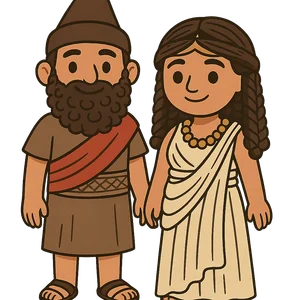
Babylonians
The Babylonians were an ancient Mesopotamian civilization known for establishing an influential empire under…
Reads at Grades 6–8 Listens at Grades 4–8
Print & create
Answer keys·No prep·Free with an account
28 worksheets · answer keys · full story · quiz · Ages 10-12 · CEFR B2
Plus adds 164,000+ more stories in 27 languages, audio for every one, and printables for all of them.
Just want Babylonians?
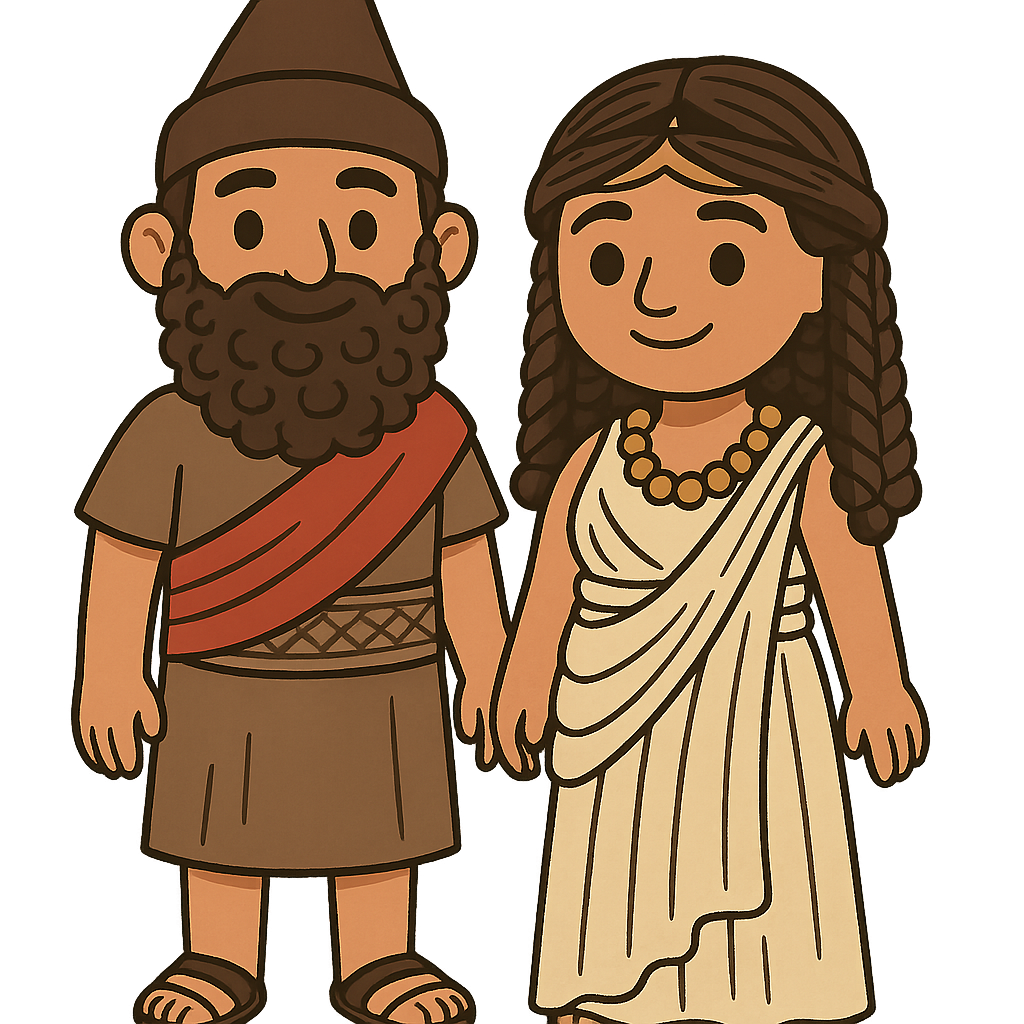
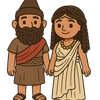
We are the people of Babylonia, a civilization that rose from the ancient land of Mesopotamia. Our story unfolded over more than a thousand years, during which we built two great empires. Our homeland was nestled between the mighty Tigris and Euphrates rivers, a fertile region in the place the world now knows as Iraq. From this land, our culture, laws, and knowledge grew to influence the course of history, leaving a mark that can still be seen today.
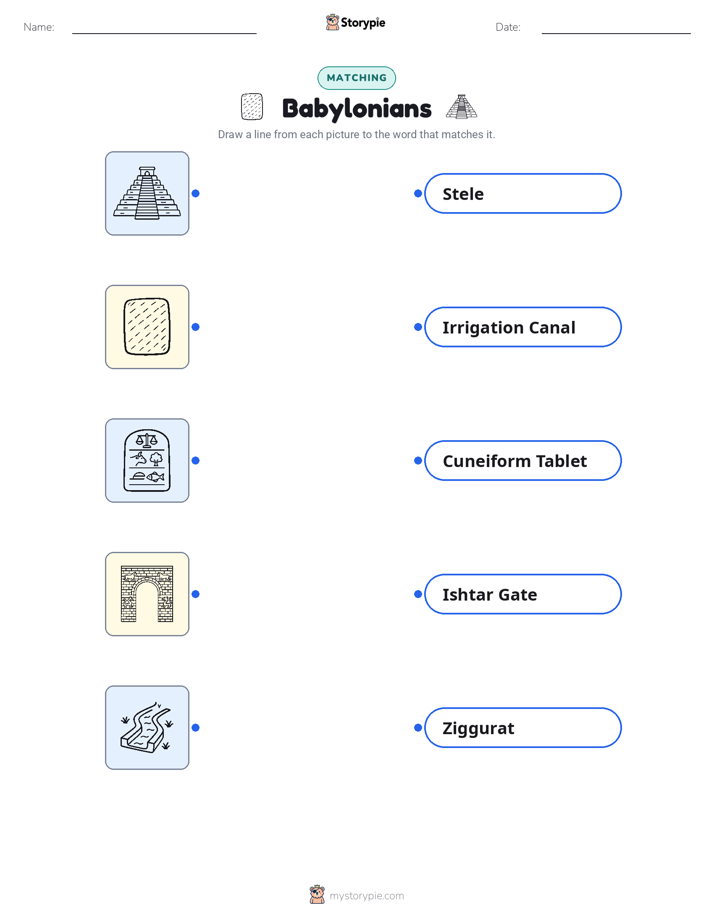
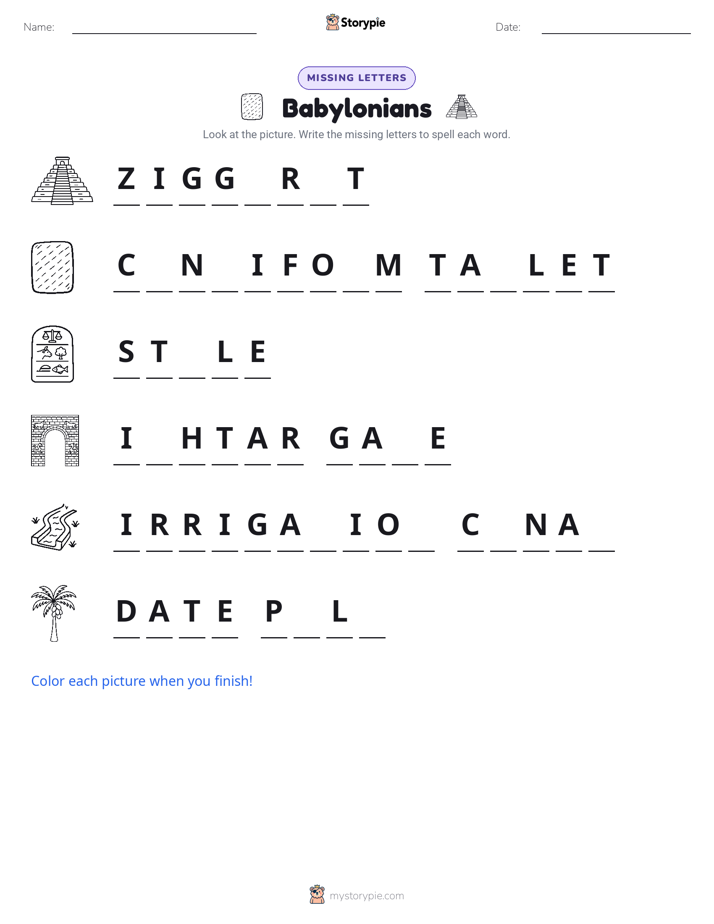
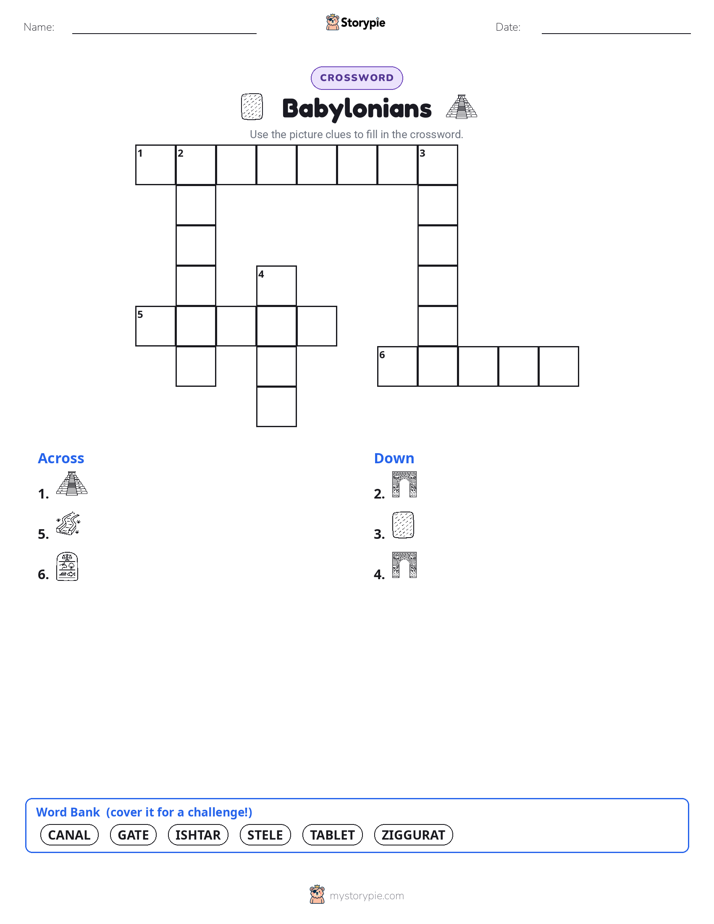
Our heart was Babylon, a magnificent capital city that became a wonder of the ancient world, especially during the reign of King Nebuchadnezzar II. To protect our people and our treasures, we constructed massive walls around the city, so thick and high that they were a testament to our power. The most famous entrance was the Ishtar Gate, a breathtaking structure covered in brilliant blue glazed bricks. This gate was not just for defense; it was a work of art, decorated with powerful images of gods and beasts that watched over all who entered. Legends from our time also told of the Hanging Gardens of Babylon. It was said that this man-made mountain of trees and flowers was built by the king for a queen who missed the green hills of her homeland, creating a paradise of cascading greenery in the middle of our bustling city.
Justice and order were the foundations of our society. One of our most famous rulers, King Hammurabi, understood that a great empire needed clear and fair rules for everyone. He created the Code of Laws, which is remembered as one of the first complete legal codes in all of history. To ensure that no one could claim ignorance of the law, he had these 282 rules carved onto a tall stone pillar, or stele, and placed it in a public square for all to see. The code operated on a principle you might have heard of: 'an eye for an eye.' This meant that the punishment should fit the crime. However, justice was not always equal for everyone. The punishments described in the code could change depending on a person's social status, with different consequences for nobles, commoners, and the enslaved.
The Legacy of Babylon
We are the people of Babylonia, a civilization that rose from the ancient land of Mesopotamia. Our story unfolded over more than a thousand years, during which we built two great empires. Our homeland was nestled between the mighty Tigris and Euphrates rivers, a fertile region in the place the world now knows as Iraq. From this land, our culture, laws, and knowledge grew to influence the course of history, leaving a mark that can still be seen today.
Our heart was Babylon, a magnificent capital city that became a wonder of the ancient world, especially during the reign of King Nebuchadnezzar II. To protect our people and our treasures, we constructed massive walls around the city, so thick and high that they were a testament to our power. The most famous entrance was the Ishtar Gate, a breathtaking structure covered in brilliant blue glazed bricks. This gate was not just for defense; it was a work of art, decorated with powerful images of gods and beasts that watched over all who entered. Legends from our time also told of the Hanging Gardens of Babylon. It was said that this man-made mountain of trees and flowers was built by the king for a queen who missed the green hills of her homeland, creating a paradise of cascading greenery in the middle of our bustling city.
Justice and order were the foundations of our society. One of our most famous rulers, King Hammurabi, understood that a great empire needed clear and fair rules for everyone. He created the Code of Laws, which is remembered as one of the first complete legal codes in all of history. To ensure that no one could claim ignorance of the law, he had these 282 rules carved onto a tall stone pillar, or stele, and placed it in a public square for all to see. The code operated on a principle you might have heard of: 'an eye for an eye.' This meant that the punishment should fit the crime. However, justice was not always equal for everyone. The punishments described in the code could change depending on a person's social status, with different consequences for nobles, commoners, and the enslaved.
Our daily lives were connected to the rivers that gave our land life. Many of us were farmers, growing crops like barley and dates. We developed sophisticated irrigation canals to channel water from the Tigris and Euphrates, turning the dry land into productive fields. Our society was structured like a pyramid, with the king at the very top, followed by priests, nobles, and soldiers. Below them were the merchants, artisans, and farmers, and at the bottom were the enslaved people. We worshipped many gods and goddesses, believing they controlled the natural world. Our chief god was Marduk, the patron deity of Babylon itself. To honor our gods, we built enormous temples called ziggurats, which were terraced pyramids that seemed to reach toward the heavens, serving as a bridge between the earth and the divine.
We were also keen observers of the world around us, especially the night sky. Our astronomers carefully watched the movements of the stars and planets from the tops of our ziggurats. This knowledge allowed us to create detailed calendars to track seasons for farming and religious festivals. We became so skilled that we could even predict solar and lunar eclipses. This scientific curiosity was built upon our advanced understanding of mathematics. We developed a base-60 number system, which was incredibly versatile. We recorded all our knowledge, from legal codes to astronomical observations, using a form of writing called cuneiform. Scribes would press wedge-shaped marks into soft clay tablets, which would then dry and harden, preserving our history and discoveries for thousands of years.
Our time as a powerful, independent empire came to an end in 539 BCE, when the Persians conquered our great city of Babylon. Although our civilization ceased to rule, our ideas did not vanish. The knowledge we gathered and the systems we created lived on, influencing the many cultures that came after us. Our groundbreaking contributions to law provided a model for future legal systems. Our astronomical observations laid the groundwork for modern science. And every time you look at a clock, you can see our enduring legacy in the 60-second minute and the 60-minute hour—a small but constant reminder of our time on Earth.
Wow facts
About
The Babylonians were an ancient Mesopotamian civilization known for establishing an influential empire under Hammurabi, but it was short-lived, declining rapidly after his death. They also created advanced legal codes like the Code of Hammurabi and made significant contributions to astronomy and mathematics.
Take a Quiz
Question 1 of 5
According to the story, which Babylonian achievement still affects how people measure time?
Explore next






Want to do even more?
Go beyond exploring. Unlock tools that turn every story into real learning.

Storypie Plus for families
Full stories, quizzes, and printables. Nights and car rides, sorted.
- Unlimited audio stories
- Create Mode: your child stars in the story
- Offline downloads
- Printable worksheets & coloring pages

Why Storypie for Schools
Students engaged. Prep in seconds. Evenings back to you.
- Worksheets & Quizzes
- Classroom Management
- Formative Assessment
- Custom Curriculum & Lesson Plans
- 27 Languages

Why Storypie for Homeschool
Curriculum done. They'll ask for more. Hours back in your day.
- Worksheet Generator
- First-Person Audio Stories
- Built-in Comprehension Quizzes
- Custom Curriculum & Lesson Plans
- Print & Go Activities