English

Powhatan Confederacy
A powerful political alliance of over 30 Algonquian-speaking Native American tribes in the Tidewater region…
Reads at Grades 3–5 Listens at Grades 1–5
Print & create
Answer keys·No prep·Free with an account
28 worksheets · answer keys · full story · quiz · Ages 8-10 · CEFR B1
Plus adds 116,000+ more stories in 27 languages, audio for every one, and printables for all of them.
Just want Powhatan Confederacy?
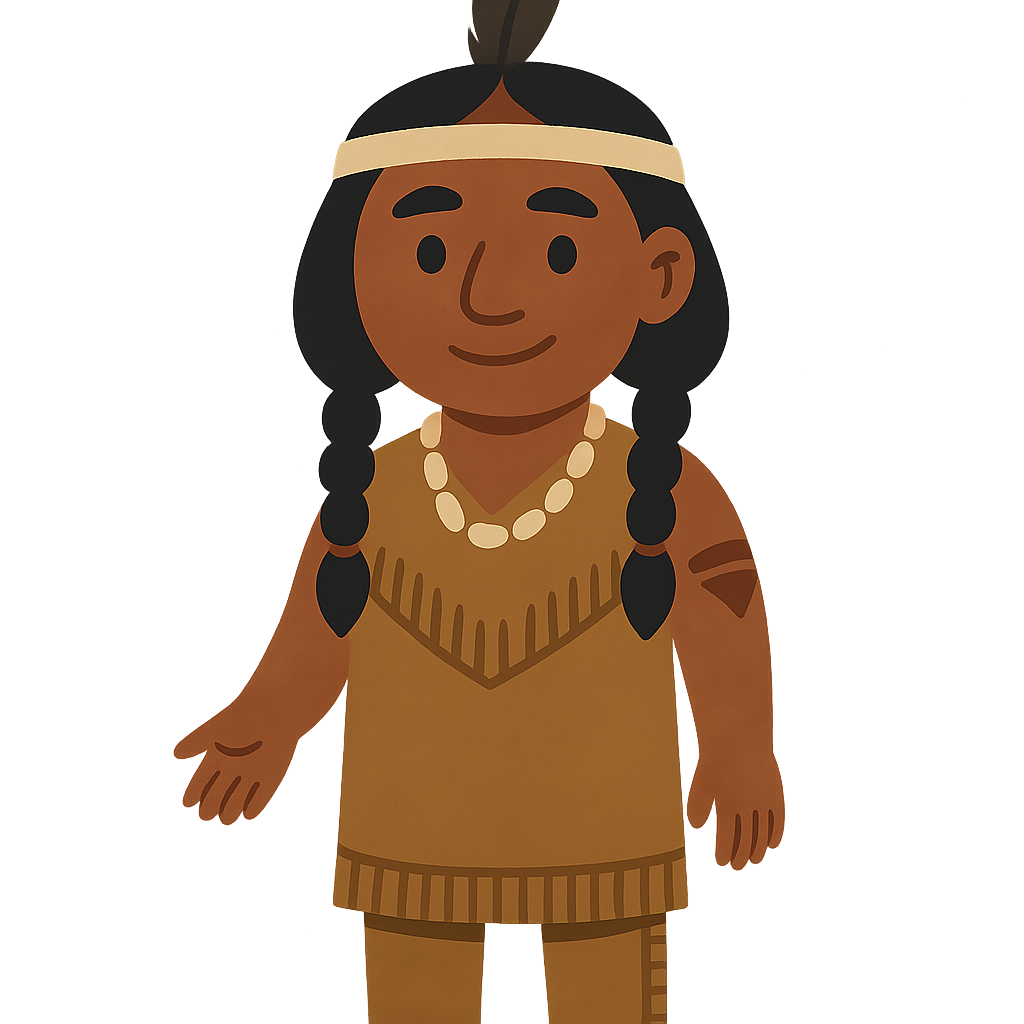
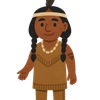
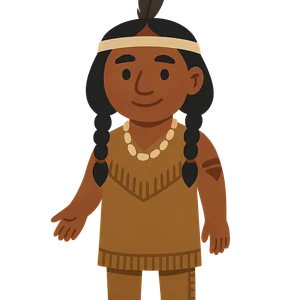
We welcome you to our story. We are the people of the Powhatan Confederacy, and our ancestral home is a vast and beautiful land called Tsenacommacah. This area, which is now known as eastern Virginia, has been our home for generations. The name Powhatan is often used to describe our paramount chief, but it is also the name of our people and our powerful union. Our confederacy was not just a single group; it was a strong alliance made up of more than 30 distinct Algonquian-speaking communities. Around the late 1500s, our great leader, a paramount chief named Wahunsenacawh, brought our many villages together into this union.
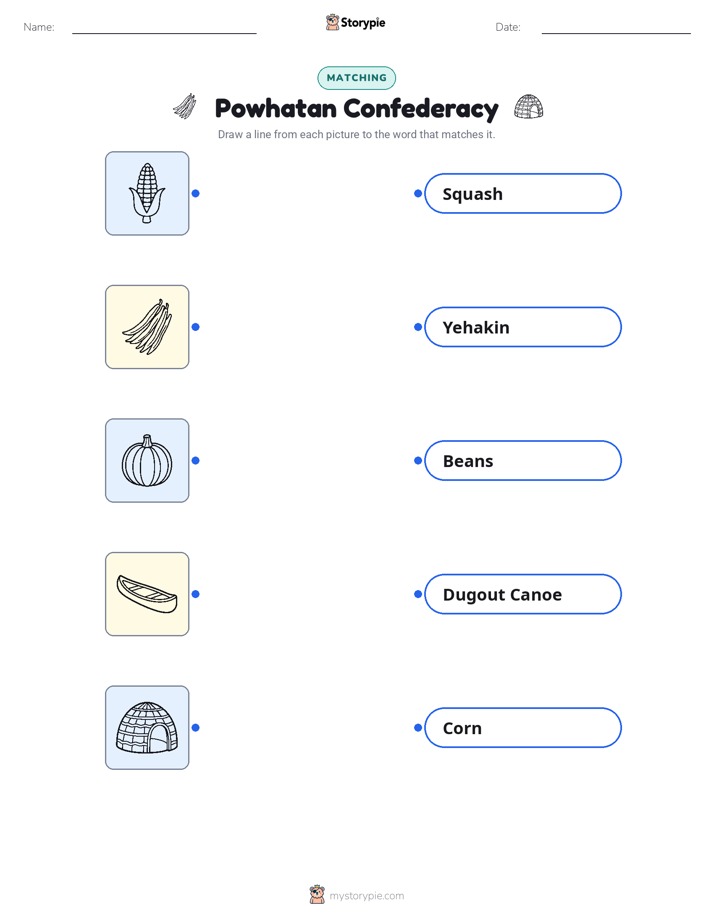
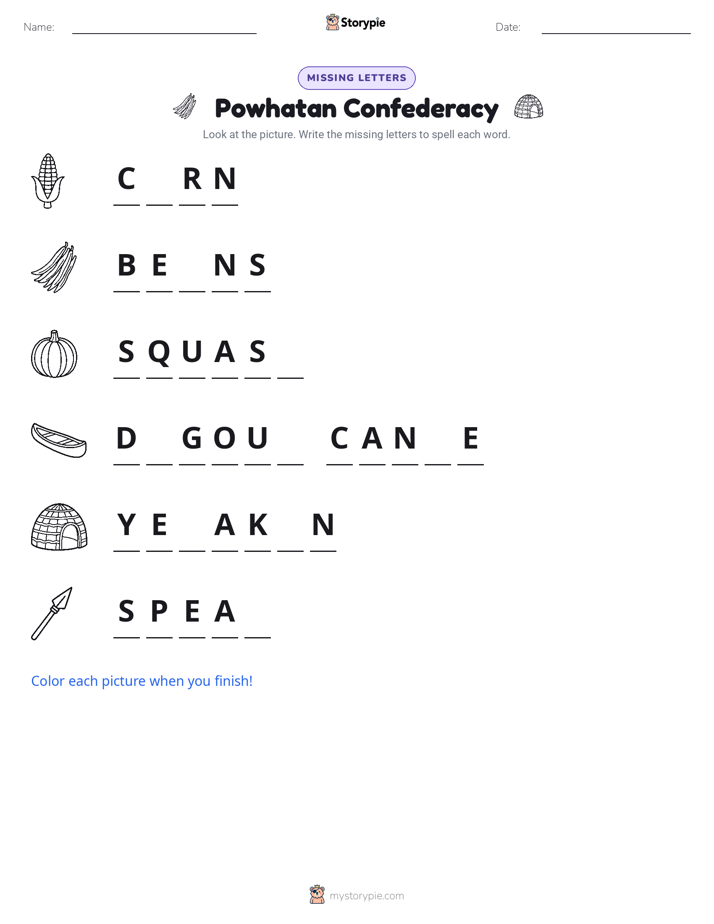
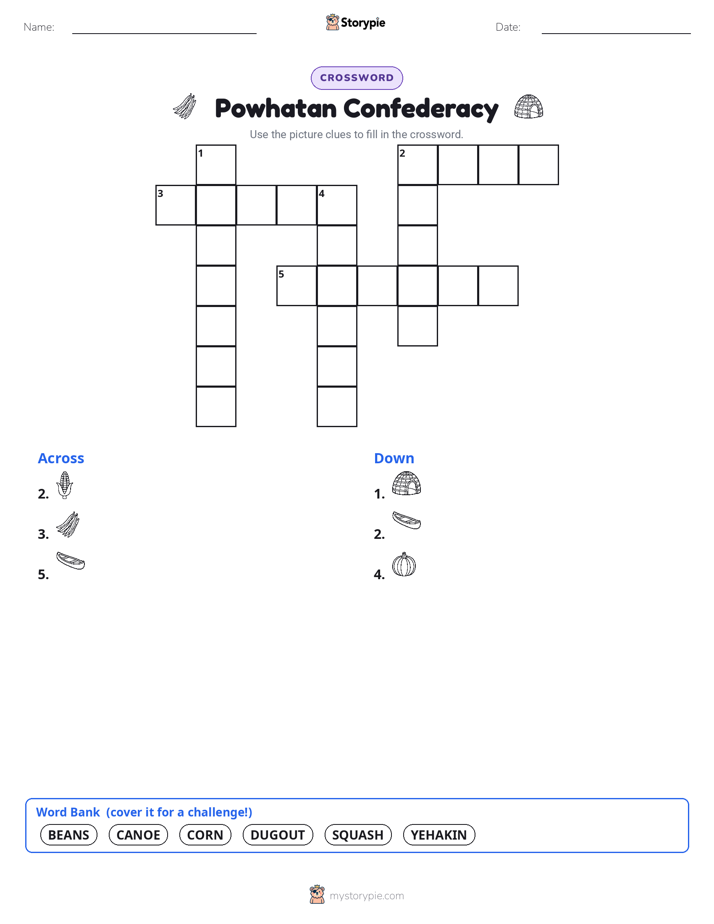
Our lives were shaped by the world around us, especially the many rivers that flow through Tsenacommacah. We built our villages near these life-giving waters, which provided us with fish to eat and fresh water to drink. The rivers also served as our main highways, allowing us to travel by canoe to visit other communities for trade or gatherings. Our homes were sturdy, wood-framed longhouses that we called yehakins. We built them with care to shelter our families from the sun in the summer and the cold in the winter. Living together in these villages, we supported one another and shared the bounty of the land.
In the year 1607, a new group of people arrived in our homeland. They were English settlers, and they built a settlement they called Jamestown. At first, there was a period of cautious interaction. We traded with the newcomers, sharing our knowledge of the land and our food in exchange for their goods. However, as more settlers arrived, conflicts began to grow between our peoples. We had different ideas about land and its use, and disagreements over resources led to a series of wars that brought great hardship to our communities.
We Are the Powhatan Confederacy
We welcome you to our story. We are the people of the Powhatan Confederacy, and our ancestral home is a vast and beautiful land called Tsenacommacah. This area, which is now known as eastern Virginia, has been our home for generations. The name Powhatan is often used to describe our paramount chief, but it is also the name of our people and our powerful union. Our confederacy was not just a single group; it was a strong alliance made up of more than 30 distinct Algonquian-speaking communities. Around the late 1500s, our great leader, a paramount chief named Wahunsenacawh, brought our many villages together into this union.
Our lives were shaped by the world around us, especially the many rivers that flow through Tsenacommacah. We built our villages near these life-giving waters, which provided us with fish to eat and fresh water to drink. The rivers also served as our main highways, allowing us to travel by canoe to visit other communities for trade or gatherings. Our homes were sturdy, wood-framed longhouses that we called yehakins. We built them with care to shelter our families from the sun in the summer and the cold in the winter. Living together in these villages, we supported one another and shared the bounty of the land.
In the year 1607, a new group of people arrived in our homeland. They were English settlers, and they built a settlement they called Jamestown. At first, there was a period of cautious interaction. We traded with the newcomers, sharing our knowledge of the land and our food in exchange for their goods. However, as more settlers arrived, conflicts began to grow between our peoples. We had different ideas about land and its use, and disagreements over resources led to a series of wars that brought great hardship to our communities.
During this time of change and conflict, one of our most well-known ancestors, Pocahontas, lived. She was the daughter of our chief, Wahunsenacawh, and she became known for her role as a bridge between our two very different peoples. She worked to create understanding in a time of deep mistrust. After many years of fighting, the Powhatan Confederacy as a political power came to an end around 1646. But it is very important to know that our people did not disappear. We survived these difficult times, and our story continued.
Today, we are still here. Many tribes that are descended from the original Powhatan Confederacy live in our ancestral homeland of Virginia and are officially recognized. We are proud of our heritage, and we work hard to keep our culture alive for future generations. We are preserving our traditions, our stories, and our language, ensuring that the legacy of our ancestors and the spirit of the Powhatan people will never be forgotten.
Wow facts
About
A powerful political alliance of over 30 Algonquian-speaking Native American tribes in the Tidewater region of Virginia during the late 16th and early 17th centuries.
Take a Quiz
Question 1 of 5
What is Tsenacommacah?
Explore next


Want to do even more?
Go beyond exploring. Unlock tools that turn every story into real learning.

Storypie Plus for families
Full stories, quizzes, and printables. Nights and car rides, sorted.
- Unlimited audio stories
- Create Mode: your child stars in the story
- Offline downloads
- Printable worksheets & coloring pages

Why Storypie for Schools
Students engaged. Prep in seconds. Evenings back to you.
- Worksheets & Quizzes
- Classroom Management
- Formative Assessment
- Custom Curriculum & Lesson Plans
- 27 Languages

Why Storypie for Homeschool
Curriculum done. They'll ask for more. Hours back in your day.
- Worksheet Generator
- First-Person Audio Stories
- Built-in Comprehension Quizzes
- Custom Curriculum & Lesson Plans
- Print & Go Activities