English

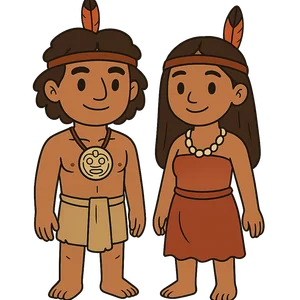
Taíno people
The Taíno were the indigenous Arawakan people of the Caribbean islands, including Puerto Rico, Hispaniola…
Reads at Grades K-2 Listens at K–3
Print & create
Answer keys·No prep·Free with an account
28 worksheets · answer keys · full story · quiz · Ages 6-8 · CEFR A2
Plus adds 116,000+ more stories in 27 languages, audio for every one, and printables for all of them.
Just want Taíno people?
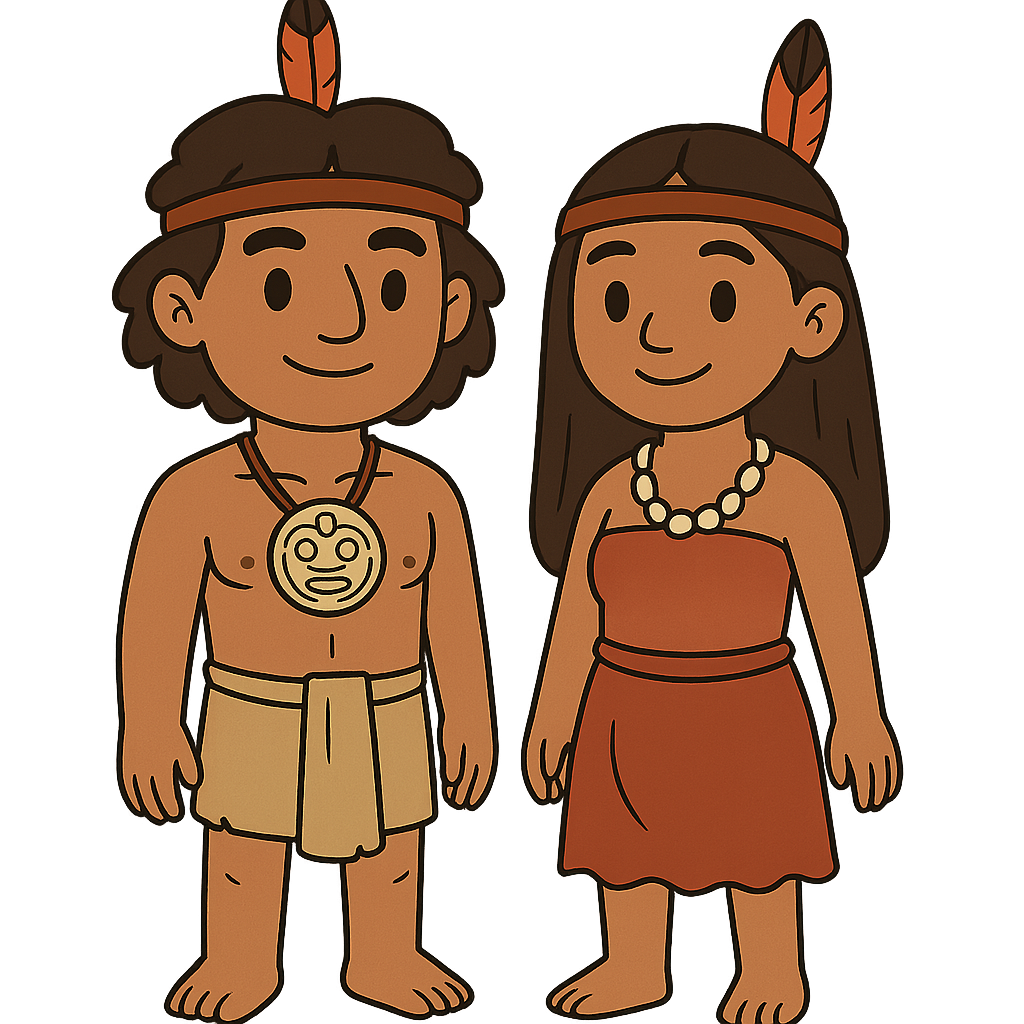
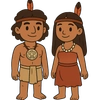
We are the Taíno people. For hundreds of years, our home has been on the beautiful, warm islands of the Caribbean Sea. These are places now called Puerto Rico, Cuba, and Hispaniola. The bright blue water surrounded our island homes, and it connected us to one another. To travel across the sea, we built large canoes. We would find a tall, strong tree and carefully carve a canoe from its single trunk. With our paddles, we could journey between islands to trade or visit our relatives.
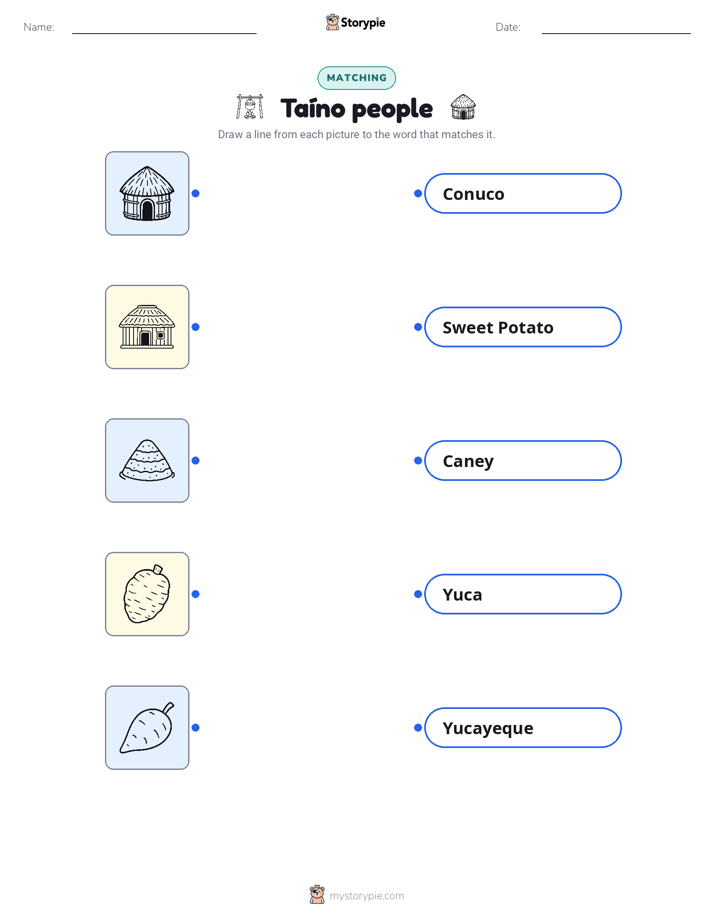
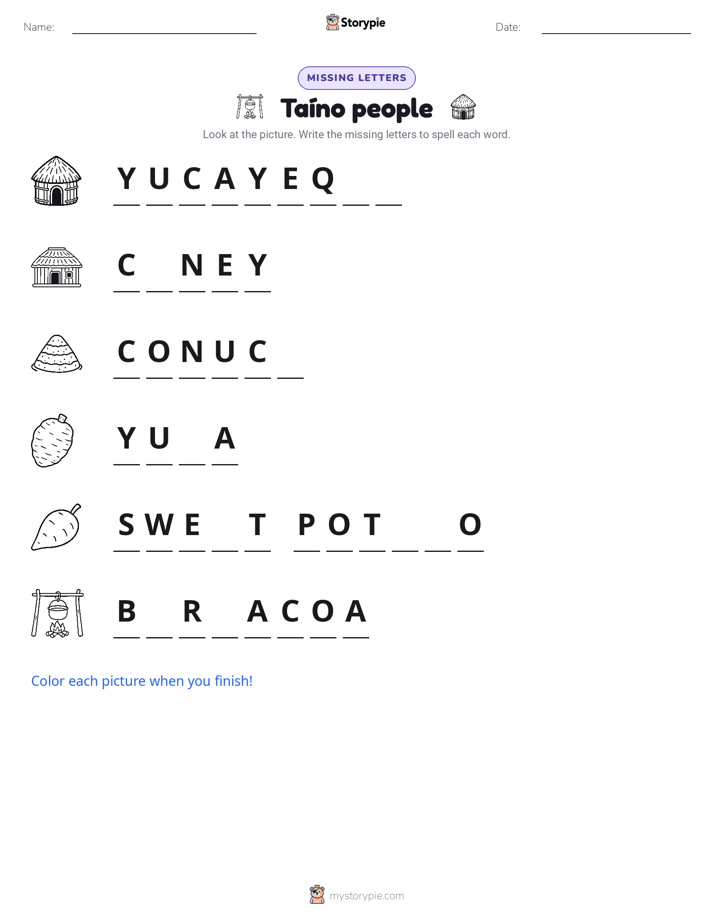
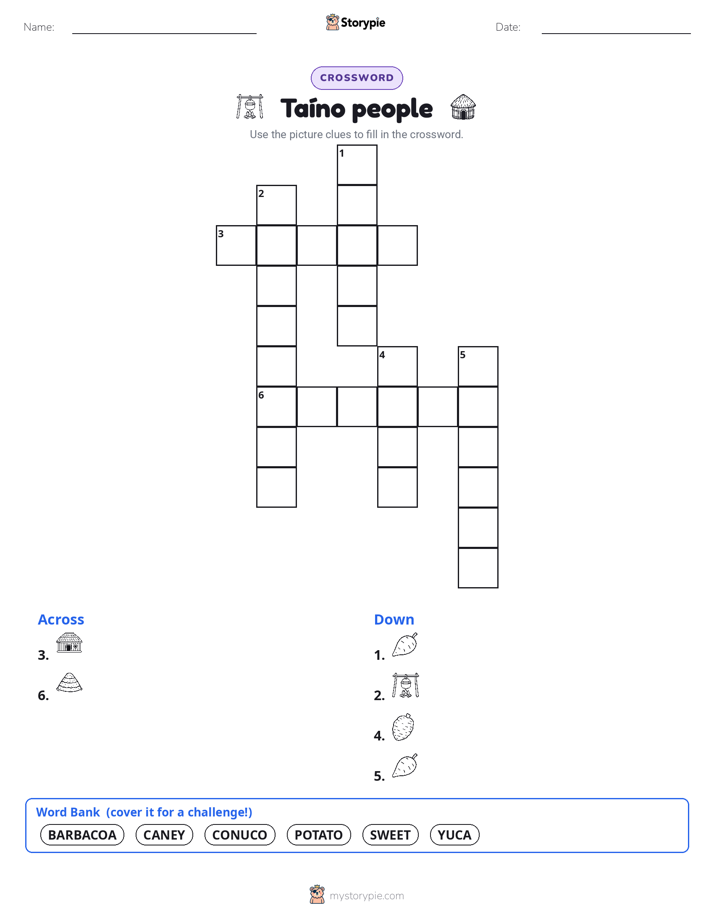
We lived together in villages called yucayeques. Our communities were a place for families to live and work together. Most of our houses were called bohios. They were cozy and round, built with strong wooden poles and covered with woven palm leaves to keep us dry and cool. Our leader, the cacique, lived in a special house called a caney. You could always tell which one it was because it was larger than the others and built in the shape of a rectangle.
In the center of every yucayeque was a large, open plaza. This was the heart of our village life. It was where we all gathered to share important moments. On the plaza, we held our ceremonies, we danced to music, and we played exciting games with our friends and family. It was a special place where our whole community could come together to celebrate and honor our traditions.
We were skilled farmers and fishers who knew how to live with the land and the sea. The earth and water gave us everything we needed. We grew our food in special mounds of soil called conucos. In these garden beds, we planted corn, sweet potatoes, and yuca. We were also expert fishers. We made nets and used spears to catch fish and turtles in the ocean and in the rivers. In the forests, we hunted for small animals like birds and furry animals called hutias.
The Story of the Taíno People
We are the Taíno people. For hundreds of years, our home has been on the beautiful, warm islands of the Caribbean Sea. These are places now called Puerto Rico, Cuba, and Hispaniola. The bright blue water surrounded our island homes, and it connected us to one another. To travel across the sea, we built large canoes. We would find a tall, strong tree and carefully carve a canoe from its single trunk. With our paddles, we could journey between islands to trade or visit our relatives.
We lived together in villages called yucayeques. Our communities were a place for families to live and work together. Most of our houses were called bohios. They were cozy and round, built with strong wooden poles and covered with woven palm leaves to keep us dry and cool. Our leader, the cacique, lived in a special house called a caney. You could always tell which one it was because it was larger than the others and built in the shape of a rectangle.
In the center of every yucayeque was a large, open plaza. This was the heart of our village life. It was where we all gathered to share important moments. On the plaza, we held our ceremonies, we danced to music, and we played exciting games with our friends and family. It was a special place where our whole community could come together to celebrate and honor our traditions.
We were skilled farmers and fishers who knew how to live with the land and the sea. The earth and water gave us everything we needed. We grew our food in special mounds of soil called conucos. In these garden beds, we planted corn, sweet potatoes, and yuca. We were also expert fishers. We made nets and used spears to catch fish and turtles in the ocean and in the rivers. In the forests, we hunted for small animals like birds and furry animals called hutias.
Our culture was full of music, stories, and fun. We loved to play a game with a rubber ball called batú. The goal was to hit the ball with your body to keep it in the air, but you could not use your hands! We also held big festivals called areytos. During an areyto, our whole community would gather to sing and dance for hours, telling the stories of our ancestors. To honor our gods and spirits, we carved special figures called zemís out of stone and wood. These were very important to us.
Our way of life changed after ships led by Christopher Columbus arrived in 1492. But our culture did not disappear. Today, we are still here. Many people in the Caribbean have Taíno ancestors and are very proud of their heritage. Our culture is alive in our families and traditions. You can also hear our past in words that people use all over the world. Words from our language, like 'hammock,' 'barbecue,' and 'hurricane,' are still spoken today.
Wow facts
About
The Taíno were the indigenous Arawakan people of the Caribbean islands, including Puerto Rico, Hispaniola, and Cuba, who had a rich culture and complex society prior to European contact in 1492.
Take a Quiz
Question 1 of 4
What was the name of the villages where the Taíno people lived?
Explore next
Want to do even more?
Go beyond exploring. Unlock tools that turn every story into real learning.

Storypie Plus for families
Full stories, quizzes, and printables. Nights and car rides, sorted.
- Unlimited audio stories
- Create Mode: your child stars in the story
- Offline downloads
- Printable worksheets & coloring pages

Why Storypie for Schools
Students engaged. Prep in seconds. Evenings back to you.
- Worksheets & Quizzes
- Classroom Management
- Formative Assessment
- Custom Curriculum & Lesson Plans
- 27 Languages

Why Storypie for Homeschool
Curriculum done. They'll ask for more. Hours back in your day.
- Worksheet Generator
- First-Person Audio Stories
- Built-in Comprehension Quizzes
- Custom Curriculum & Lesson Plans
- Print & Go Activities