English

Wayuu People
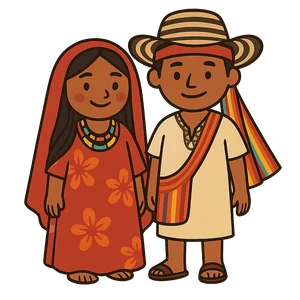
The Wayuu are an Indigenous American ethnic group inhabiting the Guajira Peninsula in northern Colombia and…
Reads at Grades 6–8 Listens at Grades 4–8
Print & create
Answer keys·No prep·Free with an account
28 worksheets · answer keys · full story · quiz · Ages 10-12 · CEFR B2
Plus adds 116,000+ more stories in 27 languages, audio for every one, and printables for all of them.
Just want Wayuu People?
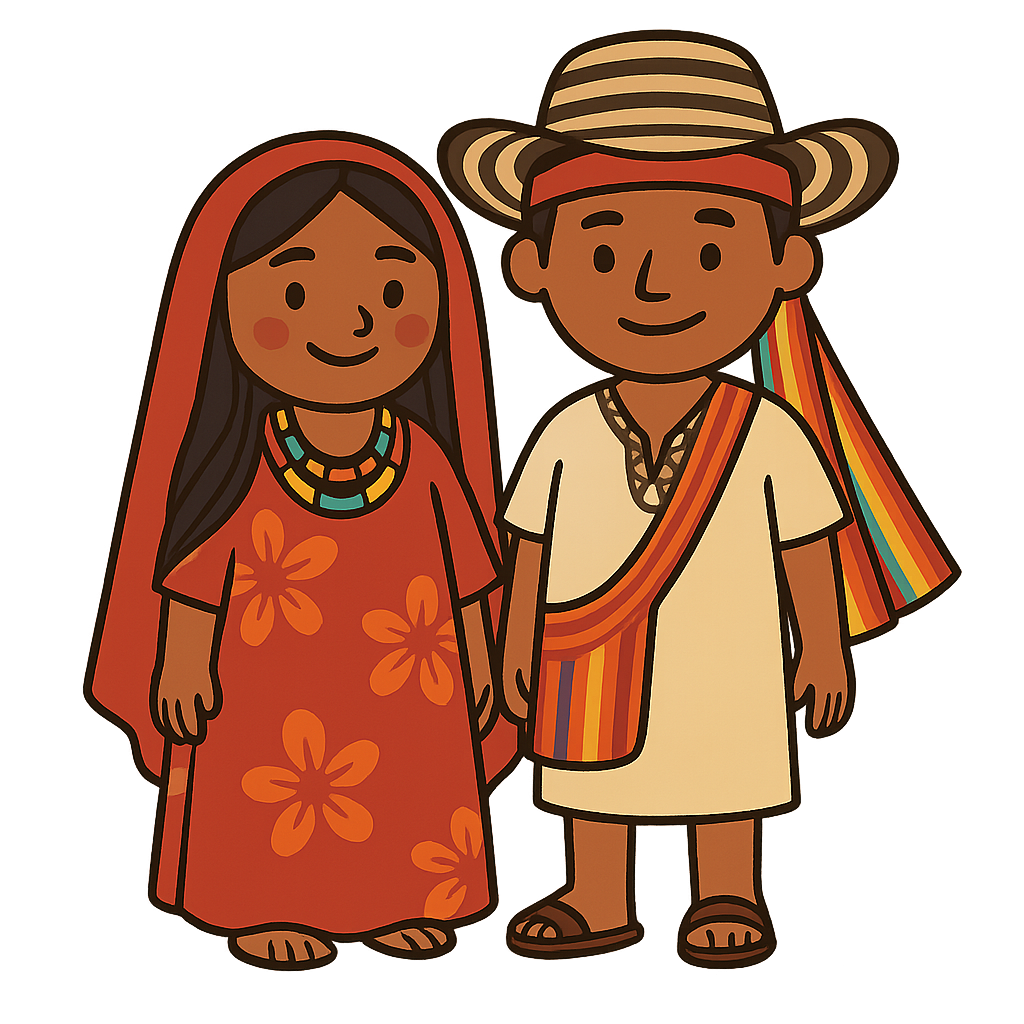
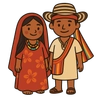
We are the Wayuu people. In our own language, we call ourselves the children of the sun and the earth, a name that speaks to our deep connection to the world around us. Our home for many centuries has been the vast La Guajira Peninsula, a striking landscape of sand and tough, hardy plants that stretches across parts of both Colombia and Venezuela. Here, the desert meets the blue waters of the Caribbean Sea. Living in this environment is not always easy, but it is beautiful, and it has shaped who we are. Over generations, we have learned to read the signs of the land, to understand its seasons, and to live in harmony with its unique rhythms. Our history is written in the sand and carried on the winds of this special place.
At the very center of our world is family, and our families are built around our mothers. We are a matrilineal society, which is a way of saying that our identity flows through the women in our families. When a child is born, their family line, their inheritance, and even their last name come from their mother’s side. This places women, especially the elders, in a position of great respect and authority. In many of our households, the oldest woman is the leader, the one who guides the family with her wisdom and experience. Her home is the heart of the family, a place where everyone gathers and finds their connection to one another and to our shared past.
Our society is also organized into a network of about 30 different clans. Think of a clan as a very large, extended family, all tracing their ancestry back through their mothers to a common ancestor. Each clan is represented by a special animal totem, such as a tiger, a snake, or a hawk. These animal symbols are more than just pictures; they are sacred guides for our social rules and relationships. They tell us who we are related to, who we can marry, and what our responsibilities are to our kin. This clan system weaves us all together into a strong and supportive community, ensuring that no one stands alone.
The Wayuu: Children of the Sun and Earth
We are the Wayuu people. In our own language, we call ourselves the children of the sun and the earth, a name that speaks to our deep connection to the world around us. Our home for many centuries has been the vast La Guajira Peninsula, a striking landscape of sand and tough, hardy plants that stretches across parts of both Colombia and Venezuela. Here, the desert meets the blue waters of the Caribbean Sea. Living in this environment is not always easy, but it is beautiful, and it has shaped who we are. Over generations, we have learned to read the signs of the land, to understand its seasons, and to live in harmony with its unique rhythms. Our history is written in the sand and carried on the winds of this special place.
At the very center of our world is family, and our families are built around our mothers. We are a matrilineal society, which is a way of saying that our identity flows through the women in our families. When a child is born, their family line, their inheritance, and even their last name come from their mother’s side. This places women, especially the elders, in a position of great respect and authority. In many of our households, the oldest woman is the leader, the one who guides the family with her wisdom and experience. Her home is the heart of the family, a place where everyone gathers and finds their connection to one another and to our shared past.
Our society is also organized into a network of about 30 different clans. Think of a clan as a very large, extended family, all tracing their ancestry back through their mothers to a common ancestor. Each clan is represented by a special animal totem, such as a tiger, a snake, or a hawk. These animal symbols are more than just pictures; they are sacred guides for our social rules and relationships. They tell us who we are related to, who we can marry, and what our responsibilities are to our kin. This clan system weaves us all together into a strong and supportive community, ensuring that no one stands alone.
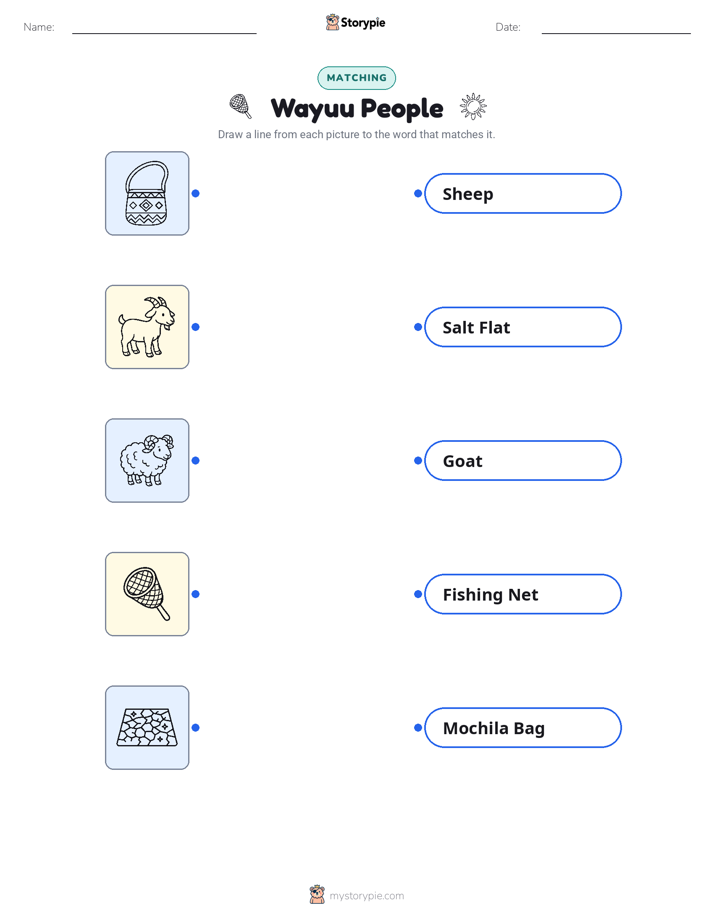
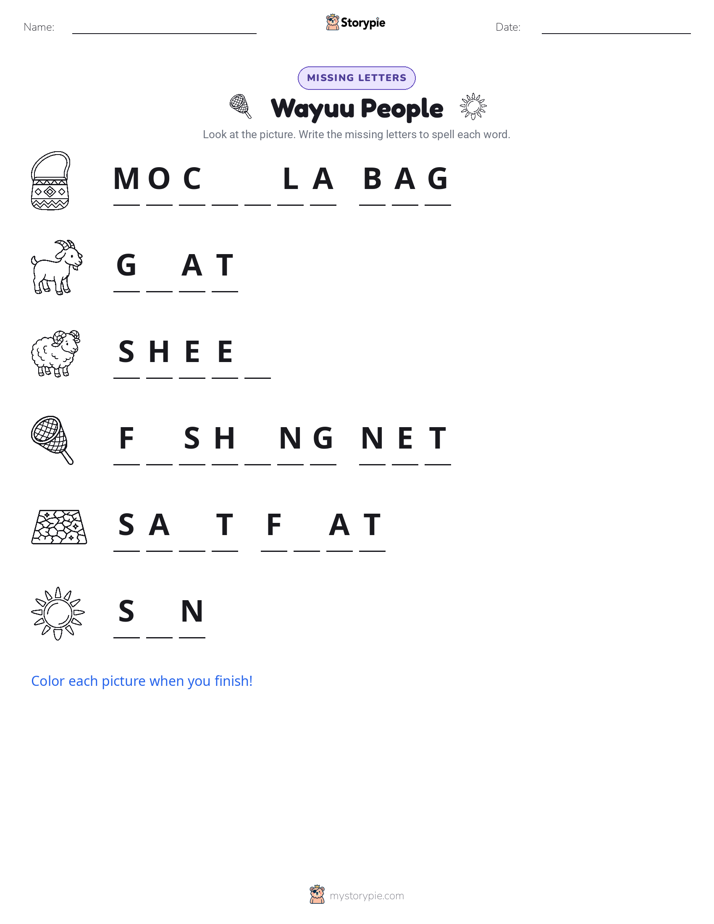
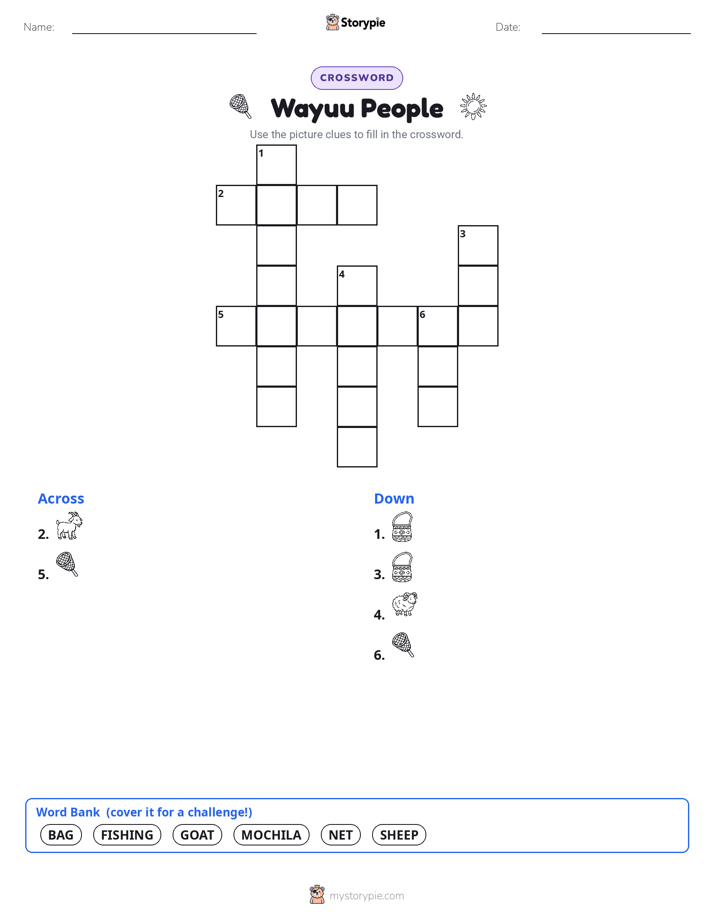
Perhaps the most famous expression of our culture is our beautiful weaving, especially the colorful bags you may have seen, which we call mochilas. But for us, weaving is not just a craft or a way to make something useful. It is a way of thinking, a way of dreaming, and a way of telling the stories of our people. The intricate, repeating patterns are a language all their own. Our traditional stories tell us that this gift came from a mythical spider named Walekerü. According to the legend, she was a magical being who appeared to a young woman and taught her how to weave the threads into stunning geometric designs. These designs are called kanaas, and each one has a name and a meaning.
This sacred skill of weaving is passed down through the generations, from mothers to their daughters. A young girl learns by watching her mother, her aunts, and her grandmother, practicing until her hands know the patterns by heart. When a woman creates a mochila, she is not just making a bag; she is weaving her thoughts, her knowledge, and her spirit into the fabric. Each unique design holds a piece of our culture, a symbol of our connection to the natural world, and a link in the long chain that connects us to our ancestors and to the generations that will follow.
To live successfully in the desert, we have always relied on our deep knowledge of the land and its resources. For many generations, we have been skilled herders of goats and sheep. These animals are incredibly important to us, providing not only milk and meat for our families but also serving as a source of wealth and a symbol of status. Our connection to the Caribbean Sea is just as vital. We have long been fishers, heading out onto the water to bring back food for our communities. Along the coast, where the sun is strong, we have also traditionally harvested salt from the dry, flat beds left behind by the ocean. This constant work—herding, fishing, and gathering—is a testament to our resilience and strength. It shows how we have found ways not just to survive, but to thrive, in a challenging environment.
Our history is also one of great strength and independence. For centuries, we successfully resisted the Spanish conquest that changed so much of the surrounding lands. This determined resistance allowed us to hold on to our way of life, to protect our communities, and to keep our language, Wayuunaiki, alive and strong. It is a vital part of who we are today.
Today, we continue to be a proud and vibrant people, but we face modern challenges. Water shortages in the dry peninsula are a serious concern, and we work hard to protect our ancestral lands and the resources they provide. Even as we face these difficulties, we keep our culture thriving. We continue to pass down our traditions, to speak our language, and to weave our stories into our art. Through our weavings and our community strength, we share our unique story with the world and work to build a strong, healthy future for the next generation of Wayuu.
Wow facts
About
The Wayuu are an Indigenous American ethnic group inhabiting the Guajira Peninsula in northern Colombia and northwestern Venezuela. They are known for their strong matrilineal society, where family ties are traced through the mother's side, and women hold important roles, but men also take part in leadership and decision-making. The Wayuu are also famous for their vibrant, intricate textile arts.
Take a Quiz
Question 1 of 5
What was a major consequence of the Wayuu people's long resistance to Spanish conquest?
Want to do even more?
Go beyond exploring. Unlock tools that turn every story into real learning.

Storypie Plus for families
Full stories, quizzes, and printables. Nights and car rides, sorted.
- Unlimited audio stories
- Create Mode: your child stars in the story
- Offline downloads
- Printable worksheets & coloring pages

Why Storypie for Schools
Students engaged. Prep in seconds. Evenings back to you.
- Worksheets & Quizzes
- Classroom Management
- Formative Assessment
- Custom Curriculum & Lesson Plans
- 27 Languages

Why Storypie for Homeschool
Curriculum done. They'll ask for more. Hours back in your day.
- Worksheet Generator
- First-Person Audio Stories
- Built-in Comprehension Quizzes
- Custom Curriculum & Lesson Plans
- Print & Go Activities