English

Wixárika (Huichol) People
The Wixárika, commonly known as the Huichol…
Reads at Grades 3–5 Listens at Grades 1–5
Print & create
Answer keys·No prep·Free with an account
28 worksheets · answer keys · full story · quiz · Ages 8-10 · CEFR B1
Plus adds 116,000+ more stories in 27 languages, audio for every one, and printables for all of them.
Just want Wixárika (Huichol) People?
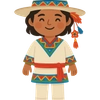
Hello. We are the Wixárika people, and we want to share our story with you. You might have heard us called the Huichol people, but we prefer our own name, Wixárika. Our ancestral homeland is a beautiful and rugged place, deep in the Sierra Madre Occidental mountains of Mexico. For centuries, long before outsiders arrived in this land, our communities have lived here, spread across several states. Our homes are nestled in the mountains and canyons that we know so well. We have our own unique language, which we have spoken for generations. It is the language of our songs, our ceremonies, and the stories that we pass down to our children. Living in these mountains has shaped who we are, and our connection to this land is at the very heart of our culture.
For us, the world is alive with spirits. We believe that everything in nature has a spiritual presence—every mountain, every plant, and every animal. This connection guides our way of life. We honor our main deities, who are powerful forces of nature. Tatewari, who is Grandfather Fire, gives us warmth and light. Tayau, who is Father Sun, helps our crops grow and shines upon the world. Our world is a sacred place, and we have a responsibility to help keep it in balance. To do this, some of us take part in a sacred journey each year. This pilgrimage takes us from our mountain homes to a desert called Wirikuta. It is a long and challenging journey, but it is one of the most important things we do.
In the desert of Wirikuta, we search for a special cactus called hikuri, which you may know as peyote. Finding the hikuri is a very special moment. Our traditional beliefs teach us that it allows us to connect with the spiritual world in a very deep way. Through these connections, we receive guidance and visions that help us understand our place in the universe. This pilgrimage is not just for ourselves. We believe that by completing this journey and performing our ceremonies, we are helping to keep the entire world in balance. It is a promise we made to our ancestors and a duty we carry for the future, ensuring that the sun will continue to rise and the seasons will continue to change.
We Are the Wixárika People
Hello. We are the Wixárika people, and we want to share our story with you. You might have heard us called the Huichol people, but we prefer our own name, Wixárika. Our ancestral homeland is a beautiful and rugged place, deep in the Sierra Madre Occidental mountains of Mexico. For centuries, long before outsiders arrived in this land, our communities have lived here, spread across several states. Our homes are nestled in the mountains and canyons that we know so well. We have our own unique language, which we have spoken for generations. It is the language of our songs, our ceremonies, and the stories that we pass down to our children. Living in these mountains has shaped who we are, and our connection to this land is at the very heart of our culture.
For us, the world is alive with spirits. We believe that everything in nature has a spiritual presence—every mountain, every plant, and every animal. This connection guides our way of life. We honor our main deities, who are powerful forces of nature. Tatewari, who is Grandfather Fire, gives us warmth and light. Tayau, who is Father Sun, helps our crops grow and shines upon the world. Our world is a sacred place, and we have a responsibility to help keep it in balance. To do this, some of us take part in a sacred journey each year. This pilgrimage takes us from our mountain homes to a desert called Wirikuta. It is a long and challenging journey, but it is one of the most important things we do.
In the desert of Wirikuta, we search for a special cactus called hikuri, which you may know as peyote. Finding the hikuri is a very special moment. Our traditional beliefs teach us that it allows us to connect with the spiritual world in a very deep way. Through these connections, we receive guidance and visions that help us understand our place in the universe. This pilgrimage is not just for ourselves. We believe that by completing this journey and performing our ceremonies, we are helping to keep the entire world in balance. It is a promise we made to our ancestors and a duty we carry for the future, ensuring that the sun will continue to rise and the seasons will continue to change.
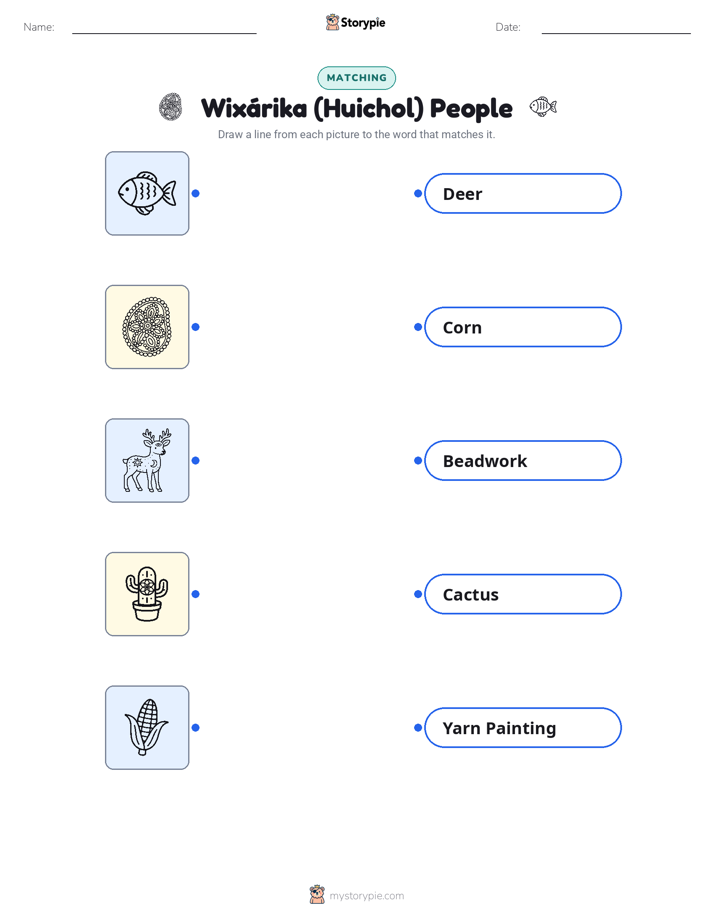
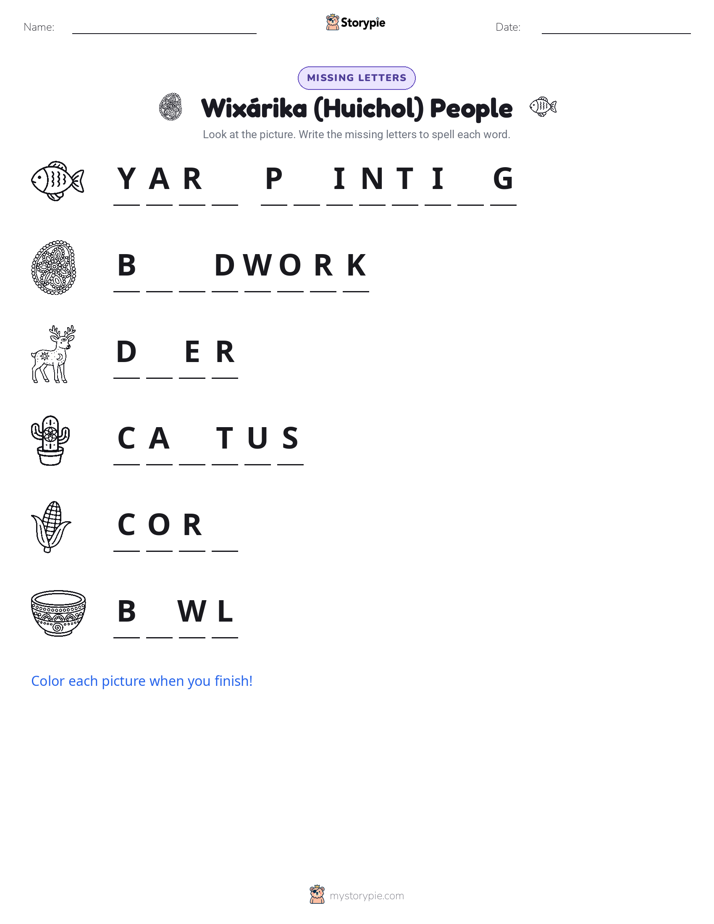
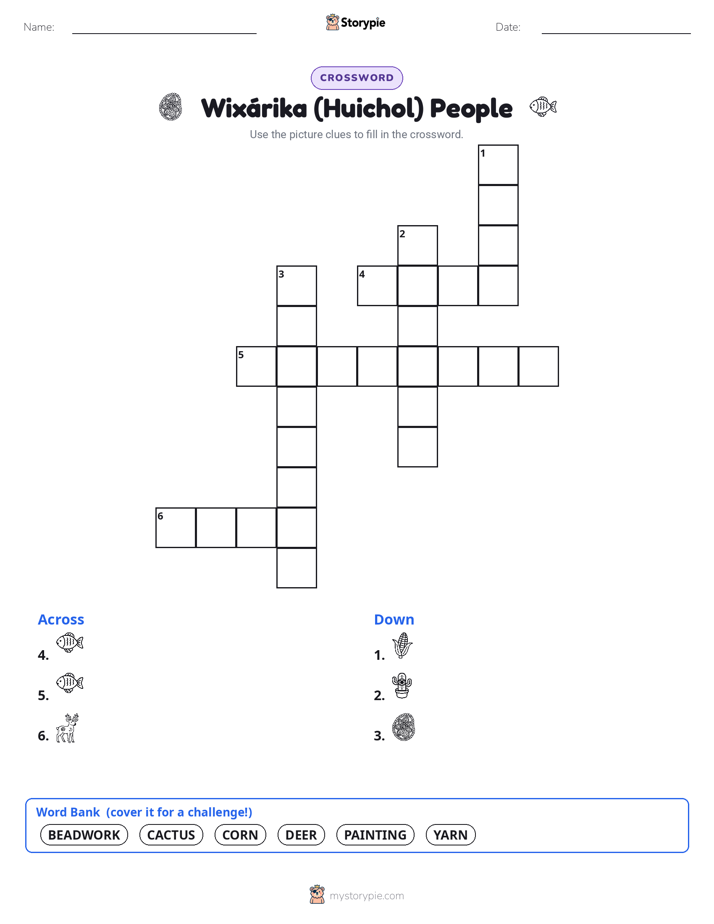
One of the most important ways we share our spiritual understanding is through our art. If you have ever seen our work, you know that it is full of brilliant colors and amazing patterns. But for us, our art is much more than just a beautiful decoration. It is a way for us to tell our sacred stories and share the visions we have seen. Our colorful yarn paintings are called nierikas. To make them, we press yarn into a board covered with wax, creating intricate designs that tell a story. We also create detailed beadwork, carefully placing tiny beads one by one to form patterns and images. The symbols we use are very important. When you see a deer, an eagle, or an ear of corn in our art, it holds a deep spiritual meaning and is a character in the sacred stories of our people.
Our lives have always been tied to the land. For many generations, we have been farmers, growing the sacred foods that sustain us: corn, beans, and squash. These three crops are central to our diet and our ceremonies, representing the gifts of the earth. Today, our lives include both ancient traditions and modern ways. We work hard to keep our culture strong by continuing the practices that our ancestors taught us. We still hold our ceremonies, create our art, and make our pilgrimages. However, we also face new challenges. One of the biggest challenges is protecting our sacred lands, including the desert of Wirikuta, from modern threats like mining, which could damage the land and our spiritual sites.
Even with these challenges, we are focused on our future. We continue to teach our children the Wixárika way of life. We show them how to farm, how to create art that tells our stories, and how to speak our language. We teach them the importance of respecting the spirits of nature and honoring our traditions. By passing this knowledge to the next generation, we make sure that our culture will remain strong for many years to come. We are the Wixárika people, and our story is one of connection, creativity, and continuing tradition in the mountains we call home.
Wow facts
About
The Wixárika, commonly known as the Huichol, are an indigenous people of Mexico living primarily in the Sierra Madre Occidental range. They are renowned for their intricate beadwork and yarn paintings, as well as their deep spiritual traditions and preservation of pre-Columbian culture.
Take a Quiz
Question 1 of 5
What is the preferred name for the people described in the story?
Want to do even more?
Go beyond exploring. Unlock tools that turn every story into real learning.

Storypie Plus for families
Full stories, quizzes, and printables. Nights and car rides, sorted.
- Unlimited audio stories
- Create Mode: your child stars in the story
- Offline downloads
- Printable worksheets & coloring pages

Why Storypie for Schools
Students engaged. Prep in seconds. Evenings back to you.
- Worksheets & Quizzes
- Classroom Management
- Formative Assessment
- Custom Curriculum & Lesson Plans
- 27 Languages

Why Storypie for Homeschool
Curriculum done. They'll ask for more. Hours back in your day.
- Worksheet Generator
- First-Person Audio Stories
- Built-in Comprehension Quizzes
- Custom Curriculum & Lesson Plans
- Print & Go Activities