English

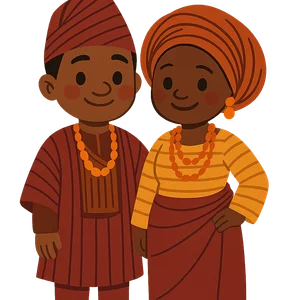
Yoruba People
The Yoruba are one of the largest ethnic groups in Africa, concentrated in Southwestern Nigeria and Benin…
Reads at Grades 3–5 Listens at Grades 1–5
Print & create
Answer keys·No prep·Free with an account
28 worksheets · answer keys · full story · quiz · Ages 8-10 · CEFR B1
Plus adds 116,000+ more stories in 27 languages, audio for every one, and printables for all of them.
Just want Yoruba People?
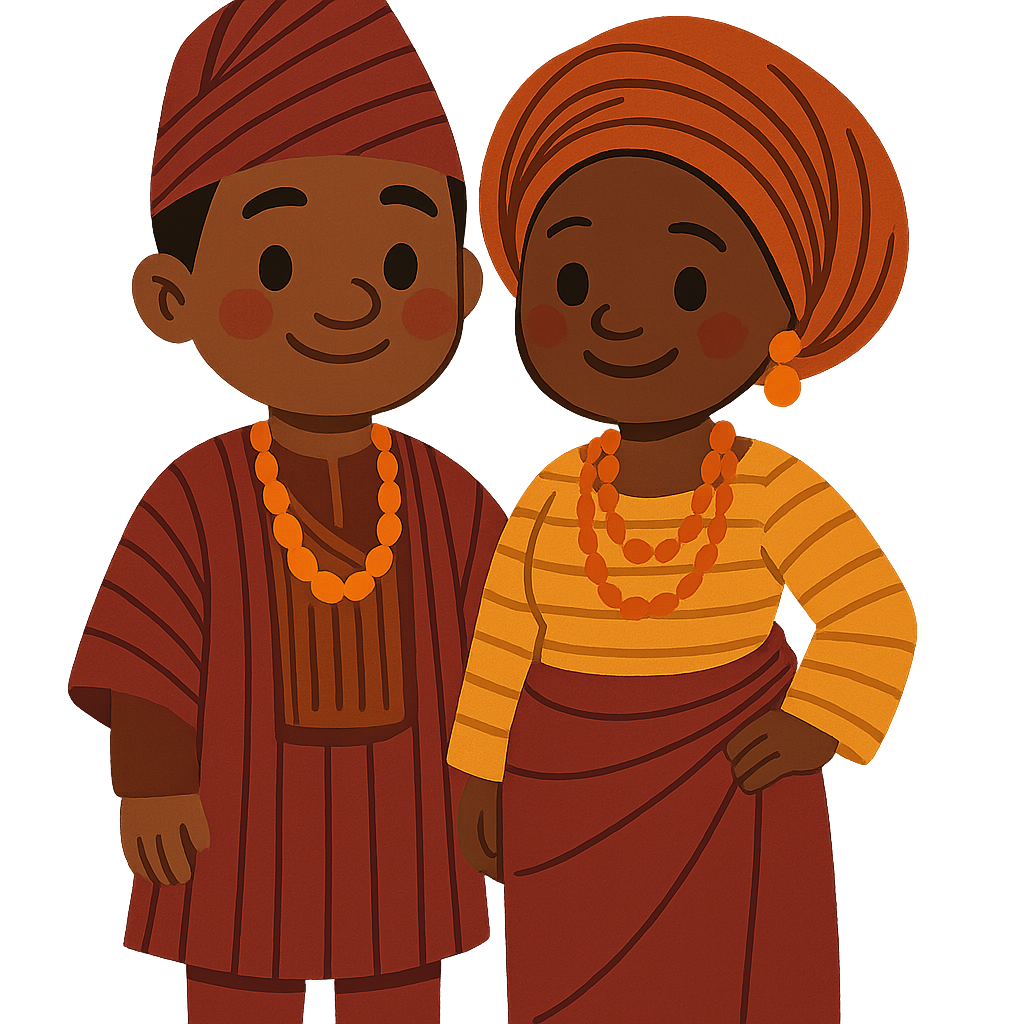
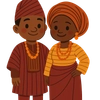
Hello. We are the Yoruba people, and we want to share our story with you. Our history is long and rich, and it begins in our ancestral home, the city of Ile-Ife. Located in what is now modern-day Nigeria, Ile-Ife is more than just a place on a map for us; it is a sacred city. Our oldest and most treasured stories tell us that this is where the world began. From this special origin point, Ile-Ife grew over many centuries. Around the 11th century, it became a vibrant and important city-state. It was not just a place where people lived, but a major center for our culture, where our traditions, art, and ways of life flourished and spread.
The early artists of Ile-Ife were truly masters of their craft. Our ancestors were incredibly skilled, and they became famous for creating sculptures that looked so real they seemed to be alive. About 900 years ago, artists in Ife began making detailed heads and figures from reddish-brown clay called terracotta. They also worked with metals like bronze, casting beautiful and lasting works of art. These sculptures often show our revered kings, who are called Oni, and our powerful queens. When you look at them, you can see the calm and dignified expressions on their faces. These pieces of art are more than just beautiful objects; they are a window into our past. They prove that our society was highly organized, with the wealth and stability to support artists. They also show how much we valued our history and our leaders.
For many hundreds of years, the story of our people was also the story of the great Oyo Empire. This powerful state was home to many Yoruba people and grew to become one of the largest and strongest in all of West Africa. The empire reached its greatest height during the 17th and 18th centuries, a time when its influence was felt far and wide. The Oyo Empire was especially known for its strong and well-organized army. A key part of its military strength came from its soldiers who fought on horseback, which gave them speed and power on the battlefield. At the head of this vast empire was a supreme ruler, an emperor who held the title of the Alaafin of Oyo. His leadership guided the empire's politics, trade, and defense, making Oyo a dominant force for a very long time.
The Story of the Yoruba People
Hello. We are the Yoruba people, and we want to share our story with you. Our history is long and rich, and it begins in our ancestral home, the city of Ile-Ife. Located in what is now modern-day Nigeria, Ile-Ife is more than just a place on a map for us; it is a sacred city. Our oldest and most treasured stories tell us that this is where the world began. From this special origin point, Ile-Ife grew over many centuries. Around the 11th century, it became a vibrant and important city-state. It was not just a place where people lived, but a major center for our culture, where our traditions, art, and ways of life flourished and spread.
The early artists of Ile-Ife were truly masters of their craft. Our ancestors were incredibly skilled, and they became famous for creating sculptures that looked so real they seemed to be alive. About 900 years ago, artists in Ife began making detailed heads and figures from reddish-brown clay called terracotta. They also worked with metals like bronze, casting beautiful and lasting works of art. These sculptures often show our revered kings, who are called Oni, and our powerful queens. When you look at them, you can see the calm and dignified expressions on their faces. These pieces of art are more than just beautiful objects; they are a window into our past. They prove that our society was highly organized, with the wealth and stability to support artists. They also show how much we valued our history and our leaders.
For many hundreds of years, the story of our people was also the story of the great Oyo Empire. This powerful state was home to many Yoruba people and grew to become one of the largest and strongest in all of West Africa. The empire reached its greatest height during the 17th and 18th centuries, a time when its influence was felt far and wide. The Oyo Empire was especially known for its strong and well-organized army. A key part of its military strength came from its soldiers who fought on horseback, which gave them speed and power on the battlefield. At the head of this vast empire was a supreme ruler, an emperor who held the title of the Alaafin of Oyo. His leadership guided the empire's politics, trade, and defense, making Oyo a dominant force for a very long time.
Our spiritual life has always been a deep and important part of our culture. Our traditional beliefs are centered on a single, supreme creator, whom we call Olodumare. We believe Olodumare is the source of all things. Alongside the creator, we also honor many divine spirits known as Orishas. These are not distant figures; they are deeply connected to our world. Each Orisha represents a part of nature, like rivers or forests, or an important human idea, like wisdom or justice. For example, one of the most well-known is Shango, the powerful Orisha of thunder and lightning. To honor the Orishas and keep our connection to our history strong, we hold festivals filled with stories, music, and drumming. These celebrations are joyful times when we come together as a community to share our beliefs and teach our traditions to the next generation.
From our earliest history, we have been a people who build and live in large, well-organized cities and towns. Our communities were not just collections of houses; they were planned centers of life and culture. Traditionally, a Yoruba city was led by a king or chief, who is called an Oba. The Oba’s palace was a very important building, usually located right at the center of the city, showing the leader’s central role in the community. Another key part of our city life has always been our bustling markets. These were not just places for buying and selling food and crafts. They were lively, energetic hubs where people gathered to trade goods, share news, and connect with their neighbors. The market was the beating heart of the city, a place where our community came together.
Our story did not end in the past. Today, we, the Yoruba people, are one of the largest ethnic groups in all of Africa. Millions of us continue to live in our homelands in West Africa, especially in the countries of Nigeria and Benin, where our culture continues to grow and change. But our culture has also traveled far across the ocean. Over the centuries, our people and our traditions have spread across the world. You can now find vibrant Yoruba communities in many different countries. The influence of our culture is strong in places like Brazil, Cuba, and the United States. In these countries and others, you can hear our language being spoken, see art inspired by our ancestors, listen to music with our rhythms, and find religious traditions that honor the Orishas. Our culture is a living, breathing part of the world.
Wow facts
About
The Yoruba are one of the largest ethnic groups in Africa, concentrated in Southwestern Nigeria and Benin, with a rich history of sophisticated kingdoms, urban living, and influential art and religion.
Take a Quiz
Question 1 of 5
What materials did artists in Ile-Ife use to create detailed sculptures of their kings and queens about 900 years ago?
Explore next



Want to do even more?
Go beyond exploring. Unlock tools that turn every story into real learning.

Storypie Plus for families
Full stories, quizzes, and printables. Nights and car rides, sorted.
- Unlimited audio stories
- Create Mode: your child stars in the story
- Offline downloads
- Printable worksheets & coloring pages

Why Storypie for Schools
Students engaged. Prep in seconds. Evenings back to you.
- Worksheets & Quizzes
- Classroom Management
- Formative Assessment
- Custom Curriculum & Lesson Plans
- 27 Languages

Why Storypie for Homeschool
Curriculum done. They'll ask for more. Hours back in your day.
- Worksheet Generator
- First-Person Audio Stories
- Built-in Comprehension Quizzes
- Custom Curriculum & Lesson Plans
- Print & Go Activities