English

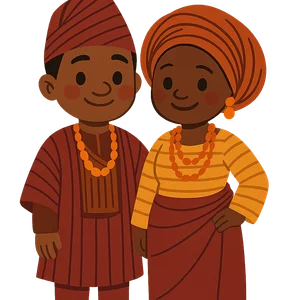
Yoruba People
The Yoruba are one of the largest ethnic groups in Africa, concentrated in Southwestern Nigeria and Benin…
Reads at Grades 6–8 Listens at Grades 4–8
Print & create
Answer keys·No prep·Free with an account
28 worksheets · answer keys · full story · quiz · Ages 10-12 · CEFR B2
Plus adds 116,000+ more stories in 27 languages, audio for every one, and printables for all of them.
Just want Yoruba People?
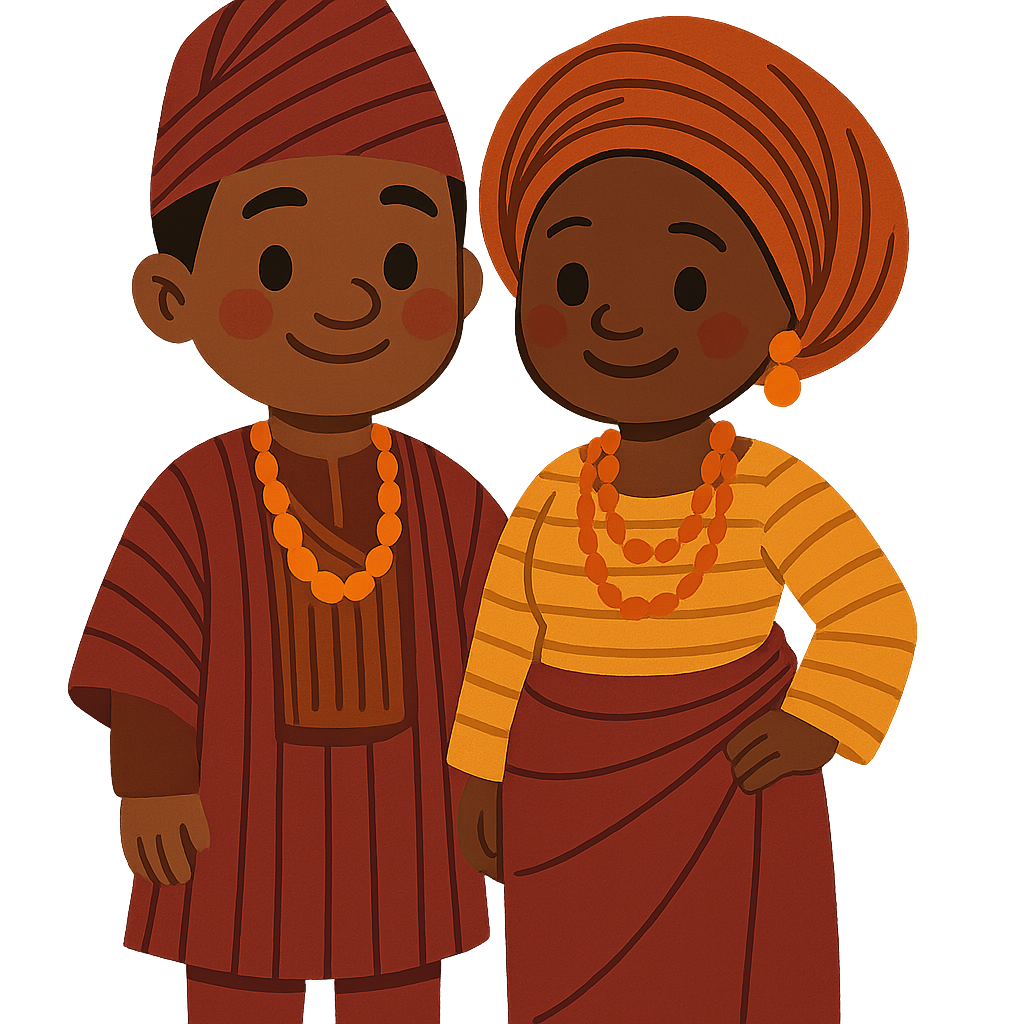
Hello. We are the Yoruba people, and our story is one of ancient roots, vibrant culture, and enduring spirit. Our history stretches back through generations, and our traditions tell us that our origins began in a sacred city called Ile-Ife, a place we consider the cradle of our civilization. According to these traditions, our common ancestor was a figure named Oduduwa. He is a central part of our identity, representing the beginning from which our people and our leaders grew. The idea of a shared ancestor in a sacred city has helped to unite us for centuries, giving us a common sense of where we come from and who we are. It is the foundation upon which our complex societies were built.
From this sacred beginning in Ile-Ife, our communities expanded. As our population grew, we established many powerful city-states, each with its own unique character but connected by a shared language and culture. Over time, some of these city-states grew into vast and influential kingdoms. The most well-known of these was the Oyo Empire, a highly organized and powerful state that became a major force in West Africa for a long time. These kingdoms were led by rulers we call Obas, who held positions of great authority and respect. Their leadership was often seen as a continuation of the legacy that began with Oduduwa, linking the present with our most ancient past. This system of governance allowed our societies to flourish, creating centers of trade, learning, and art that were known far and wide.
The Story of the Yoruba People
Hello. We are the Yoruba people, and our story is one of ancient roots, vibrant culture, and enduring spirit. Our history stretches back through generations, and our traditions tell us that our origins began in a sacred city called Ile-Ife, a place we consider the cradle of our civilization. According to these traditions, our common ancestor was a figure named Oduduwa. He is a central part of our identity, representing the beginning from which our people and our leaders grew. The idea of a shared ancestor in a sacred city has helped to unite us for centuries, giving us a common sense of where we come from and who we are. It is the foundation upon which our complex societies were built.
From this sacred beginning in Ile-Ife, our communities expanded. As our population grew, we established many powerful city-states, each with its own unique character but connected by a shared language and culture. Over time, some of these city-states grew into vast and influential kingdoms. The most well-known of these was the Oyo Empire, a highly organized and powerful state that became a major force in West Africa for a long time. These kingdoms were led by rulers we call Obas, who held positions of great authority and respect. Their leadership was often seen as a continuation of the legacy that began with Oduduwa, linking the present with our most ancient past. This system of governance allowed our societies to flourish, creating centers of trade, learning, and art that were known far and wide.
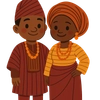
Our culture has always been rich with artistic expression and deep spiritual meaning. We are celebrated for our artistic traditions, which show incredible skill and creativity. In Ile-Ife, our ancestors created stunning sculptures from metal and terracotta. These sculptures are famous for being incredibly realistic, capturing the unique features of human faces with amazing detail and sensitivity. We also have a long history of creating vibrant textiles, weaving cloths with intricate patterns and brilliant colors that are not just beautiful but also carry important social and spiritual messages. This creativity is woven into the fabric of our daily lives and our spiritual worldview.
Our traditional spiritual beliefs are centered on a supreme creator, known as Olodumare. While Olodumare is the ultimate source of all things, our beliefs also include many divine beings called Orishas. The Orishas act as messengers and guides, each representing different aspects of nature and human experience, and they interact more directly with the world. These spiritual ideas are not separate from our everyday existence; they are part of it. They shape our understanding of the world and our place in it. This worldview is supported by strong community values, with family at the very core of our society. Our communities have long been known for their bustling markets, which are not only places to buy and sell goods but also lively social hubs where people connect, share news, and strengthen the bonds that hold our society together.
Our history also includes a period of immense difficulty and sorrow. The transatlantic slave trade had a profound and painful impact on our people. Many of our ancestors were forcibly taken from their homes and families and carried across the ocean to the Americas. This was a time of great loss that disrupted our societies and caused unimaginable suffering. However, the strength of our culture and spirit could not be broken. Our people carried our traditions with them, holding onto their beliefs, their music, their stories, and their way of seeing the world. This resilience is a crucial part of our story.
In the Americas, our culture not only survived but also took root in new lands. Our traditions blended with others, influencing the development of new spiritual practices, music, and art forms that continue to thrive today. Our legacy is not something that exists only in the past. Today, we, the Yoruba people, are a vibrant and dynamic population of millions, living in West Africa and in communities all over the world, which is known as the diaspora. We continue to make important contributions in every field imaginable, from science and business to art and literature. Our language is spoken, our art is celebrated in museums worldwide, and our heritage continues to evolve, connecting our modern lives to the ancient wisdom of our ancestors. Our story is a living one, and it continues with each new generation.
Wow facts
About
The Yoruba are one of the largest ethnic groups in Africa, concentrated in Southwestern Nigeria and Benin, with a rich history of sophisticated kingdoms, urban living, and influential art and religion.
Take a Quiz
Question 1 of 5
According to the story, what is the significance of the city of Ile-Ife?
Explore next



Want to do even more?
Go beyond exploring. Unlock tools that turn every story into real learning.

Storypie Plus for families
Full stories, quizzes, and printables. Nights and car rides, sorted.
- Unlimited audio stories
- Create Mode: your child stars in the story
- Offline downloads
- Printable worksheets & coloring pages

Why Storypie for Schools
Students engaged. Prep in seconds. Evenings back to you.
- Worksheets & Quizzes
- Classroom Management
- Formative Assessment
- Custom Curriculum & Lesson Plans
- 27 Languages

Why Storypie for Homeschool
Curriculum done. They'll ask for more. Hours back in your day.
- Worksheet Generator
- First-Person Audio Stories
- Built-in Comprehension Quizzes
- Custom Curriculum & Lesson Plans
- Print & Go Activities