English

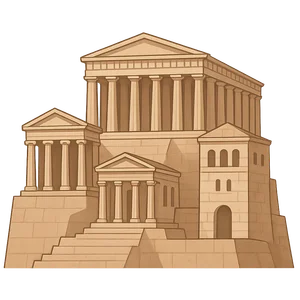
Ancient Athens
The birthplace of democracy, Western philosophy, and theatre…
Reads at Grades 3–5 Listens at Grades 1–5
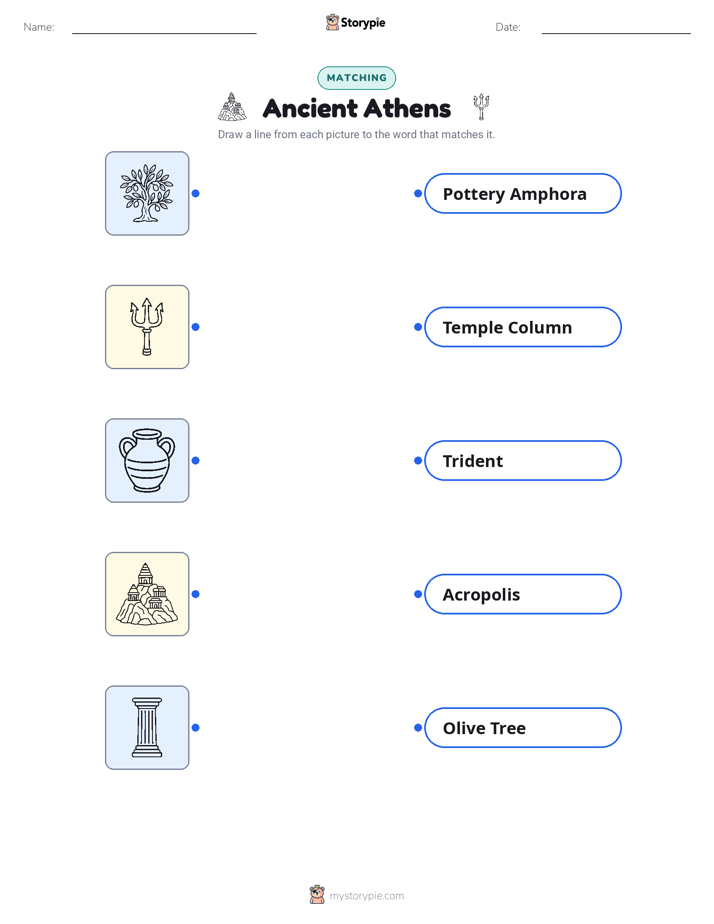
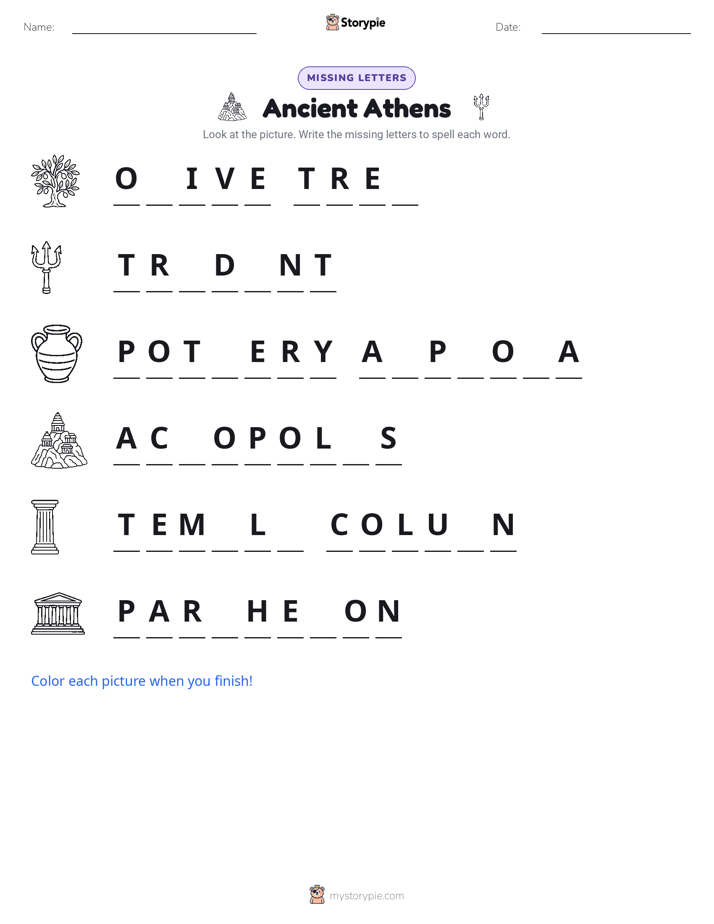
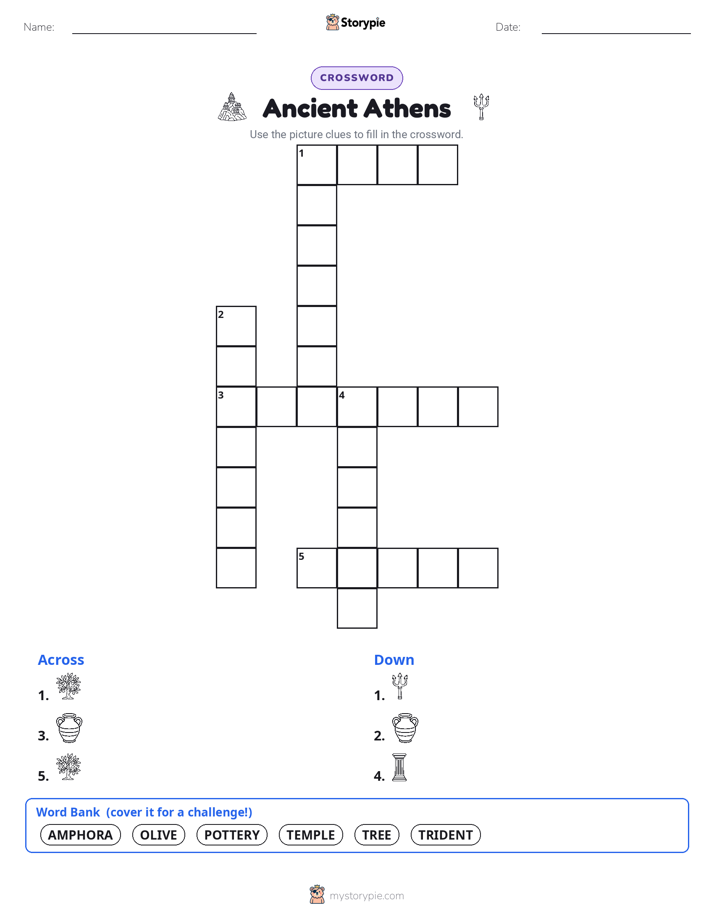
Print & create
Answer keys·No prep·Free with an account
28 worksheets · answer keys · full story · quiz · Ages 8-10 · CEFR B1
Plus adds 102,000+ more stories in 27 languages, audio for every one, and printables for all of them.
Just want Ancient Athens?
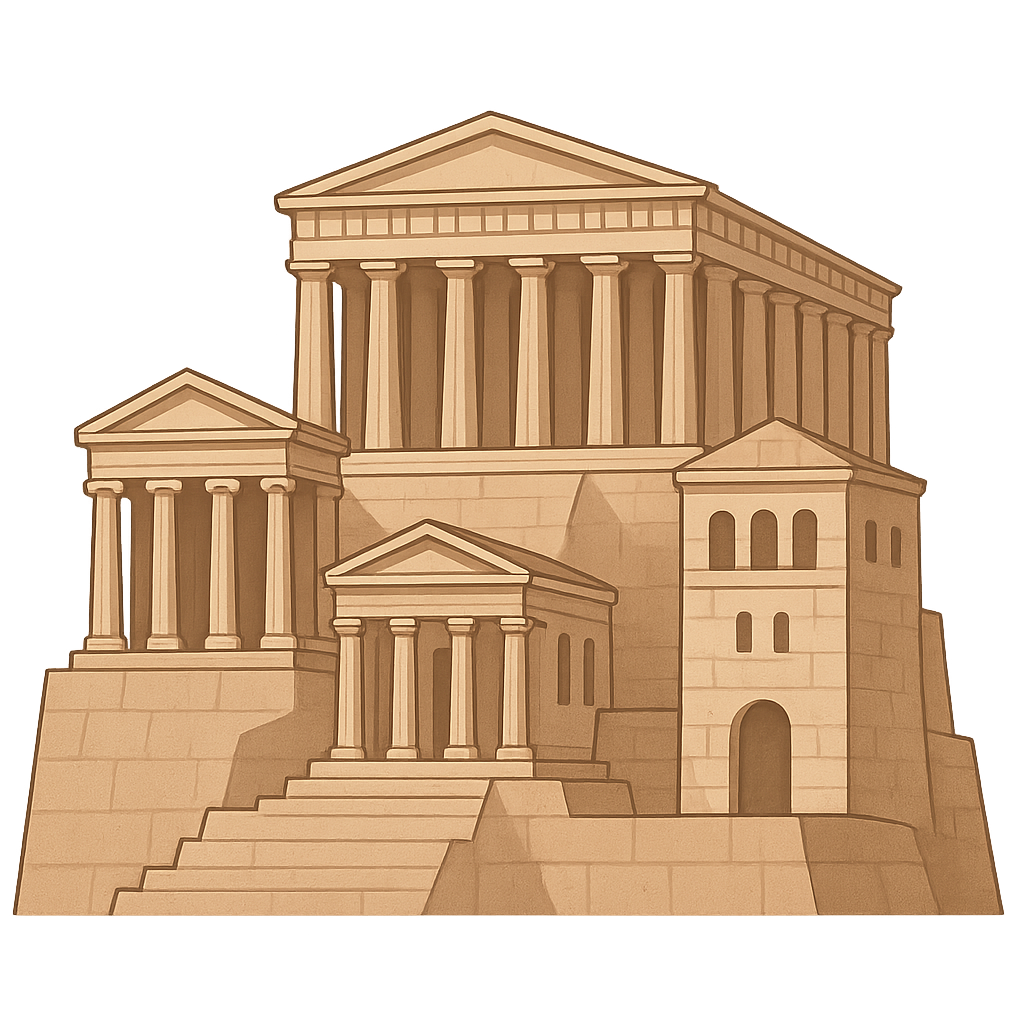
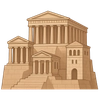
I wake each morning to the feeling of warm sun on my ancient marble stones. From my highest hill, the Acropolis, I wear a crown of stone that gleams against a brilliant blue sky. This crown is my Parthenon, a temple that has watched over my people for thousands of years. Below, a bustling city spreads out like a white blanket, stretching all the way to the sparkling Aegean Sea. I can hear the hum of modern life mixing with the whispers of the past, a song only I can truly understand. For centuries, I have been a beacon of light, a place where art, wisdom, and new ways of thinking were born. I have watched heroes rise and fall, and I have listened as the world's greatest thinkers asked the world's biggest questions right here on my streets. I am Athens, a city where ideas learned to fly.
My story begins long, long ago, on a rocky hill where a small settlement was founded around 1400 BCE. For hundreds of years, my people lived and grew, building their homes and their community. But they were building something else, too, something invisible. They were building a new way of thinking. They believed that ordinary people, not just kings or queens, should have a say in how they were governed. Around 508 BCE, this belief blossomed into a revolutionary idea they called 'democracy'. It was a simple but powerful concept: the power of the people to choose their own leaders and make their own rules. Imagine that. For the first time, citizens could gather together, debate, and vote on the laws that shaped their lives. This idea was a tiny seed planted in my soil, but it would grow into a mighty tree whose branches would one day reach across the entire world.
The City of the Violet Crown
I wake each morning to the feeling of warm sun on my ancient marble stones. From my highest hill, the Acropolis, I wear a crown of stone that gleams against a brilliant blue sky. This crown is my Parthenon, a temple that has watched over my people for thousands of years. Below, a bustling city spreads out like a white blanket, stretching all the way to the sparkling Aegean Sea. I can hear the hum of modern life mixing with the whispers of the past, a song only I can truly understand. For centuries, I have been a beacon of light, a place where art, wisdom, and new ways of thinking were born. I have watched heroes rise and fall, and I have listened as the world's greatest thinkers asked the world's biggest questions right here on my streets. I am Athens, a city where ideas learned to fly.
My story begins long, long ago, on a rocky hill where a small settlement was founded around 1400 BCE. For hundreds of years, my people lived and grew, building their homes and their community. But they were building something else, too, something invisible. They were building a new way of thinking. They believed that ordinary people, not just kings or queens, should have a say in how they were governed. Around 508 BCE, this belief blossomed into a revolutionary idea they called 'democracy'. It was a simple but powerful concept: the power of the people to choose their own leaders and make their own rules. Imagine that. For the first time, citizens could gather together, debate, and vote on the laws that shaped their lives. This idea was a tiny seed planted in my soil, but it would grow into a mighty tree whose branches would one day reach across the entire world.
My most glorious chapter was what historians call my Golden Age, during the 5th century BCE. A wise and ambitious leader named Pericles came to power around 461 BCE. He had a grand dream to make me the most beautiful and intelligent city the world had ever known. He started a massive building project on my Acropolis, my sacred hill. The centerpiece was the Parthenon, a magnificent temple dedicated to my protector, the goddess Athena. Construction began in 447 BCE, and for years, the sounds of hammers and chisels filled the air as sculptors and architects created a masterpiece of perfect columns and breathtaking statues. Down below the Acropolis lay the Agora, a busy marketplace. It was more than just a place to buy olives and pottery. It was my city’s heart, where friends met, business was done, and news was shared. It was here, around 420 BCE, that a curious man named Socrates would often walk, asking people challenging questions to make them think more deeply about life, justice, and truth.
Of course, my long life has not always been peaceful. I had fierce rivals, and my disagreements with the city of Sparta led to a long and difficult struggle known as the Peloponnesian War, which lasted from 431 BCE to 404 BCE. These were trying times that tested the strength of my people. Many centuries later, around 146 BCE, a new power arrived. The Romans, with their mighty armies, came to my lands. But when they saw my beautiful temples and met my wise teachers, they were filled with admiration, not a desire to destroy. They respected my art and philosophy so much that they protected my precious buildings and sent their own children to study in my schools. By learning from me, the Romans helped carry my ideas about art, government, and science even farther, spreading them throughout their vast empire. For a long time after, I grew quiet, my ancient stones holding their stories and waiting for a new chapter to begin.
Today, my heart beats on. In 1834, I was chosen to be the capital of the new country of Greece, and a modern city grew up all around my ancient ruins. Now, my past and present live side-by-side. You can see the Parthenon from a cafe window or walk from a bustling shopping street onto the same paths where philosophers once debated. People from every corner of the globe come to visit me. They climb my hills, walk through the columns of my temples, and try to imagine what life was like thousands of years ago. My stones are not just old rocks. They are storybooks of human curiosity, bravery, and creativity. The ideas born here—about fairness, beauty, and the power of asking 'why?'—are still alive. They continue to inspire people everywhere to ask their own big questions and to work together to build a better, wiser world.
Wow facts
About
The birthplace of democracy, Western philosophy, and theatre, Ancient Athens was a powerful Greek city-state known for its cultural and intellectual achievements, particularly during its Golden Age in the 5th century BCE. Ancient Athens was a major center for Western philosophy, but its origins trace back to earlier thinkers in Ionia. Ancient Athens significantly contributed to the development of Western theatre, but its origins trace back to earlier cultures.
Take a Quiz
Question 1 of 5
In the first paragraph, what does it mean when Athens says it is a city 'where ideas learned to fly'?
Explore next




Want to do even more?
Go beyond exploring. Unlock tools that turn every story into real learning.

Storypie Plus for families
Full stories, quizzes, and printables. Nights and car rides, sorted.
- Unlimited audio stories
- Create Mode: your child stars in the story
- Offline downloads
- Printable worksheets & coloring pages

Why Storypie for Schools
Students engaged. Prep in seconds. Evenings back to you.
- Worksheets & Quizzes
- Classroom Management
- Formative Assessment
- Custom Curriculum & Lesson Plans
- 27 Languages

Why Storypie for Homeschool
Curriculum done. They'll ask for more. Hours back in your day.
- Worksheet Generator
- First-Person Audio Stories
- Built-in Comprehension Quizzes
- Custom Curriculum & Lesson Plans
- Print & Go Activities