English

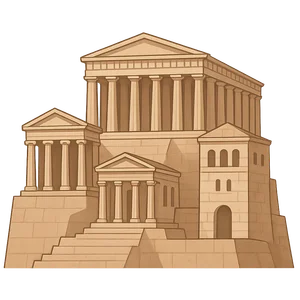
Ancient Athens
The birthplace of democracy, Western philosophy, and theatre…
Reads at Grades 6–8 Listens at Grades 4–8
Print & create
Answer keys·No prep·Free with an account
28 worksheets · answer keys · full story · quiz · Ages 10-12 · CEFR B2
Plus adds 102,000+ more stories in 27 languages, audio for every one, and printables for all of them.
Just want Ancient Athens?
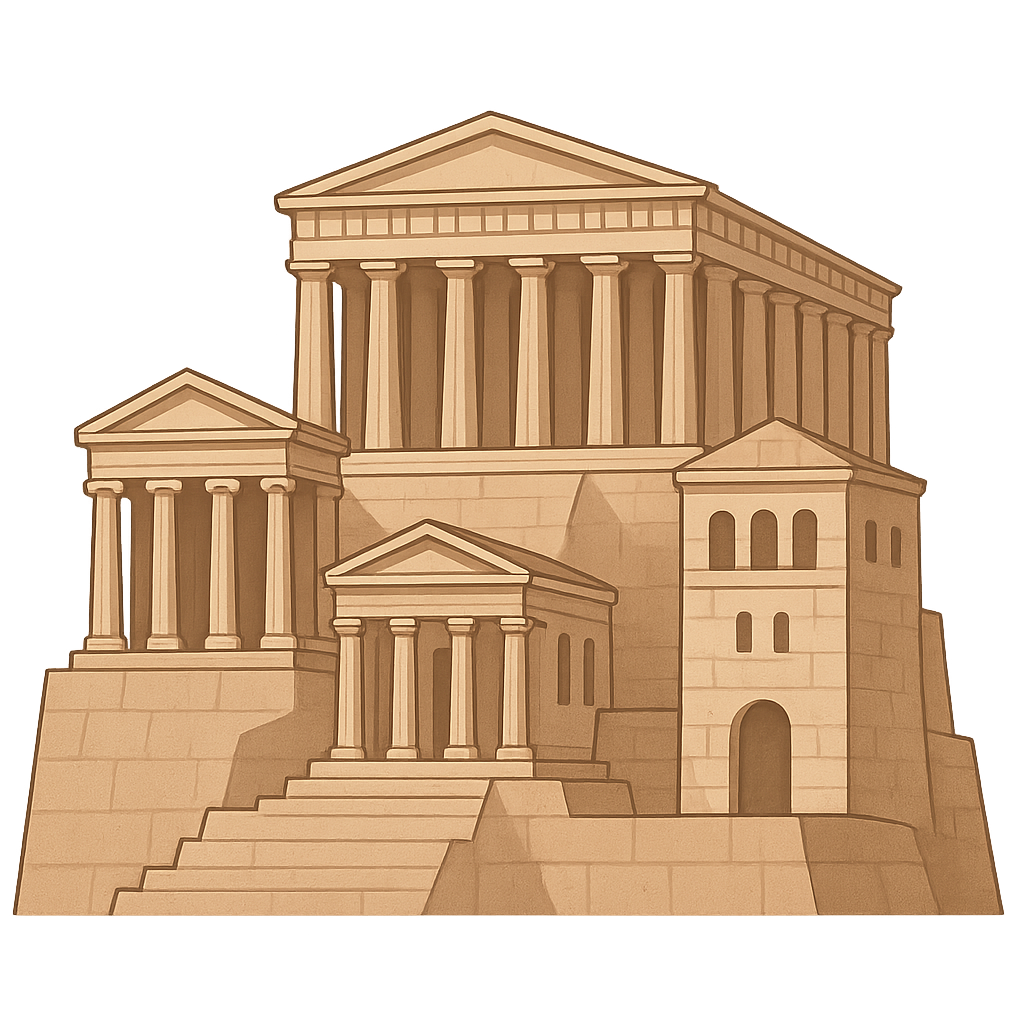
The Greek sun feels like a warm blanket on my ancient marble stones. From my highest hill, the Acropolis, I can smell the sweet scent of olive groves carried on a salty breeze from the Aegean Sea. For thousands of years, I have watched the world from this perch, gazing down upon the bustling streets below and the sparkling blue water in the distance. Great ships have sailed from my ports, and even greater ideas have been born within my walls. I have been a home to artists who could make stone look alive, thinkers who asked the world’s biggest questions, and citizens who dared to govern themselves. My story is written in the columns of my temples and echoed in the halls of governments around the world. I am Athens, a city of thinkers, artists, and dreamers.
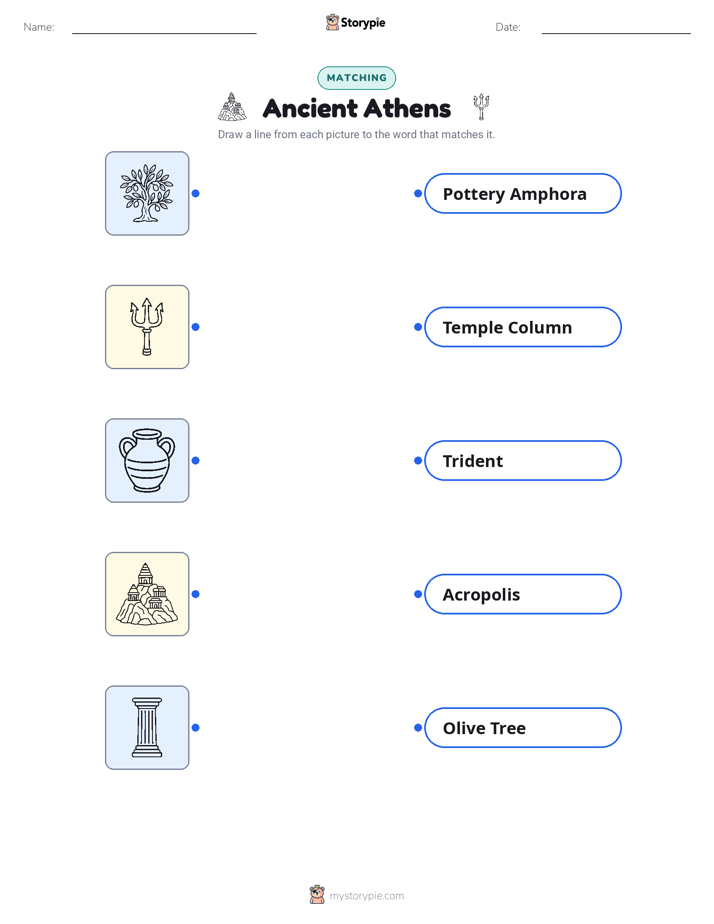
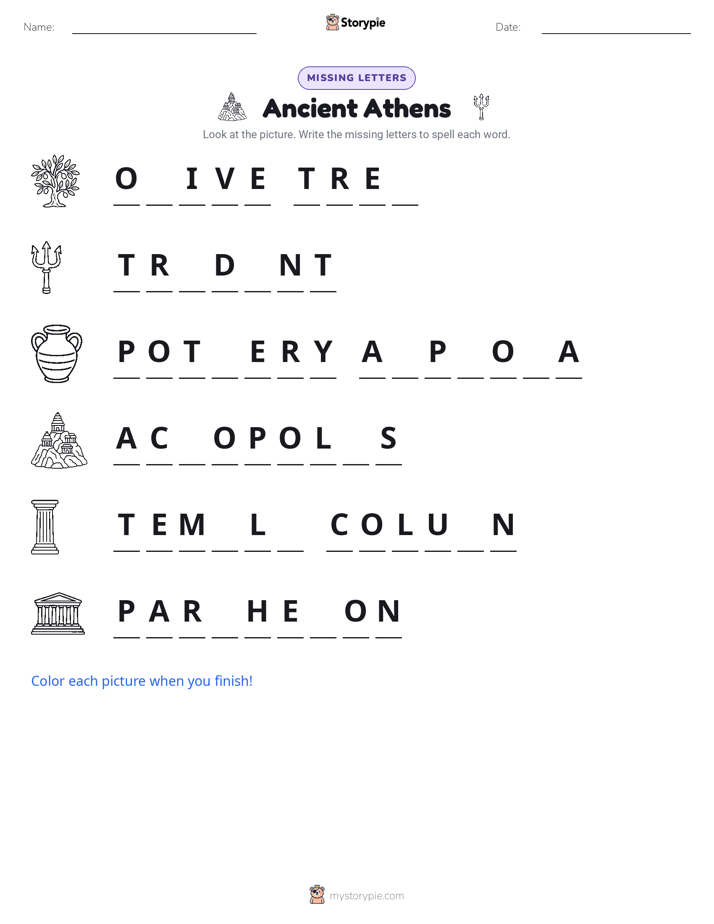
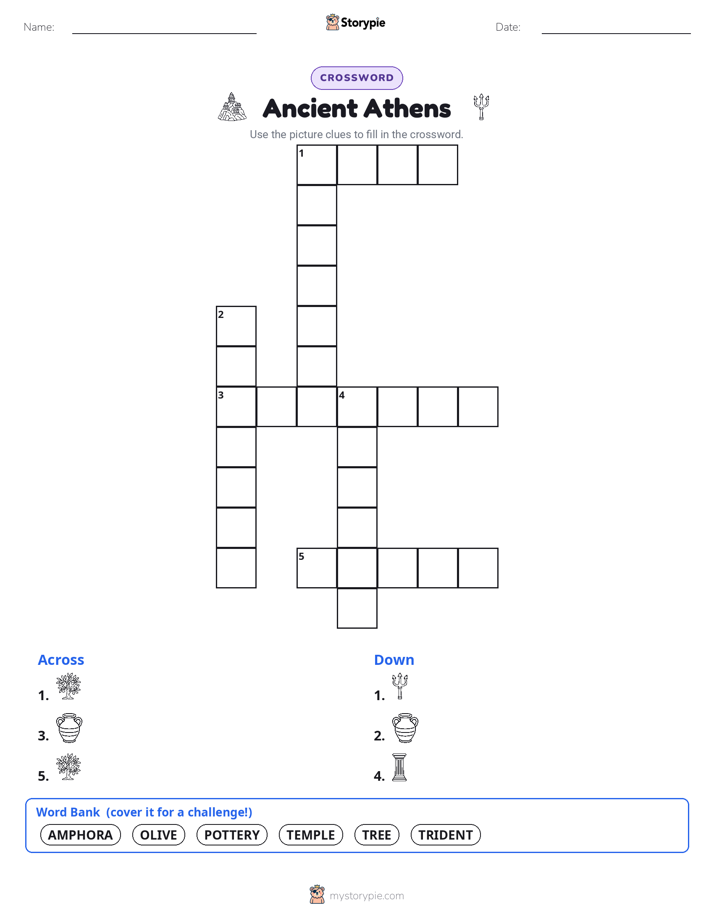
My story began long, long ago. The very first people made their homes on my rocky hills around 3000 BCE, building a small but sturdy settlement. As more people came, they decided I needed a special protector. According to the stories they told, a great contest was held between two powerful gods: Poseidon, god of the sea, and Athena, the goddess of wisdom. Poseidon struck the ground with his trident and a spring of salt water appeared. But Athena gifted the people something far more useful: she planted the first olive tree. The people chose her gift, and in her honor, they named me Athens. I grew from that small settlement into a powerful city-state, a 'polis'. My marketplace, called the Agora, was the heart of my life. It was a noisy, exciting place filled with merchants selling pottery and spices, but it was also where people came to trade something even more valuable: ideas.
I Am Athens: A City of Wisdom
The Greek sun feels like a warm blanket on my ancient marble stones. From my highest hill, the Acropolis, I can smell the sweet scent of olive groves carried on a salty breeze from the Aegean Sea. For thousands of years, I have watched the world from this perch, gazing down upon the bustling streets below and the sparkling blue water in the distance. Great ships have sailed from my ports, and even greater ideas have been born within my walls. I have been a home to artists who could make stone look alive, thinkers who asked the world’s biggest questions, and citizens who dared to govern themselves. My story is written in the columns of my temples and echoed in the halls of governments around the world. I am Athens, a city of thinkers, artists, and dreamers.
My story began long, long ago. The very first people made their homes on my rocky hills around 3000 BCE, building a small but sturdy settlement. As more people came, they decided I needed a special protector. According to the stories they told, a great contest was held between two powerful gods: Poseidon, god of the sea, and Athena, the goddess of wisdom. Poseidon struck the ground with his trident and a spring of salt water appeared. But Athena gifted the people something far more useful: she planted the first olive tree. The people chose her gift, and in her honor, they named me Athens. I grew from that small settlement into a powerful city-state, a 'polis'. My marketplace, called the Agora, was the heart of my life. It was a noisy, exciting place filled with merchants selling pottery and spices, but it was also where people came to trade something even more valuable: ideas.
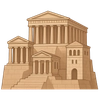
My most celebrated chapter was my Golden Age, during the 5th century BCE. A wise and respected leader named Pericles came to guide my people around 461 BCE. He believed I should be the most beautiful and intelligent city in the world. He started a grand project to rebuild the temples on my sacred Acropolis, which had been damaged in earlier wars. In 447 BCE, my finest architects and sculptors began their greatest work: a magnificent temple called the Parthenon. It was finished around 438 BCE, a stunning home of white marble, built to honor my protector, Athena. Inside stood a giant, breathtaking statue of her, crafted from ivory and gold. But my real treasure was a revolutionary idea that was taking shape. On a nearby hill called the Pnyx, something new was happening. My male citizens started gathering to debate laws and vote on important decisions. They called it 'demokratia'—democracy, or rule by the people. It was a radical idea that gave power to many, not just a few. In the Agora, a philosopher named Socrates wandered among the crowds, asking challenging questions that made everyone think. In my grand Theatre of Dionysus, the powerful plays of writers like Sophocles made audiences explore deep questions about life, justice, and fate.
My journey through time was not always peaceful. I had a fierce rival, the city-state of Sparta, and we fought a long and draining conflict known as the Peloponnesian War, which lasted from 431 to 404 BCE. It was a time of hardship and loss, but even in darkness, the light of knowledge refused to go out. After the war, one of Socrates’s most brilliant students, a man named Plato, founded a school around 387 BCE. He called it the Academy, a place where thinkers could gather to discuss philosophy, mathematics, and science. One of his students was Aristotle, who would become one of the most influential thinkers in all of history. Eventually, my time as an independent power came to an end. In 146 BCE, I became part of the growing Roman Empire. The Romans were mighty warriors, but they were also great admirers of my culture. They studied my philosophy, copied my art and architecture, and took my ideas with them as their empire spread across the world, ensuring my voice would never be silenced.
Today, my grand temples are ancient ruins, their marble columns standing as silent storytellers of a time long past. People from every corner of the globe walk my old streets and climb the Acropolis to stand in awe of the Parthenon. They come to see the stones, but my true legacy is invisible. It is the idea of democracy that inspires countries everywhere. It is the drama of the theater that still captivates audiences. It is the endless quest for knowledge through philosophy and science that drives humanity forward. The spirit of curiosity that I nurtured so many centuries ago is not a relic of the past. It lives on in every person who dares to ask a big question, debate a new idea, or create something that adds beauty and understanding to the world. My story continues in you.
Wow facts
About
The birthplace of democracy, Western philosophy, and theatre, Ancient Athens was a powerful Greek city-state known for its cultural and intellectual achievements, particularly during its Golden Age in the 5th century BCE. Ancient Athens was a major center for Western philosophy, but its origins trace back to earlier thinkers in Ionia. Ancient Athens significantly contributed to the development of Western theatre, but its origins trace back to earlier cultures.
Take a Quiz
Question 1 of 5
What does the story identify as Athens's most important and lasting legacy?
Explore next




Want to do even more?
Go beyond exploring. Unlock tools that turn every story into real learning.

Storypie Plus for families
Full stories, quizzes, and printables. Nights and car rides, sorted.
- Unlimited audio stories
- Create Mode: your child stars in the story
- Offline downloads
- Printable worksheets & coloring pages

Why Storypie for Schools
Students engaged. Prep in seconds. Evenings back to you.
- Worksheets & Quizzes
- Classroom Management
- Formative Assessment
- Custom Curriculum & Lesson Plans
- 27 Languages

Why Storypie for Homeschool
Curriculum done. They'll ask for more. Hours back in your day.
- Worksheet Generator
- First-Person Audio Stories
- Built-in Comprehension Quizzes
- Custom Curriculum & Lesson Plans
- Print & Go Activities