English

Chiloé
The Chiloé Archipelago is a group of islands off the coast of southern Chile, famous for its unique culture…
Reads at Grades 6–8 Listens at Grades 4–8
Print & create
Answer keys·No prep·Free with an account
28 worksheets · answer keys · full story · quiz · Ages 10-12 · CEFR B2
Plus adds 164,000+ more stories in 27 languages, audio for every one, and printables for all of them.
Just want Chiloé?
Feel the cool mist on your skin, a soft blanket rolling in from the vast Pacific Ocean. See how my green hills tumble down to meet the dark, swirling sea, and how the vibrant colors of stilt houses, my palafitos, dance in the water’s reflection. Listen closely. Can you hear the cry of gulls and the gentle lapping of waves against wooden boats? Breathe in the scent of damp earth, salty air, and the comforting aroma of woodsmoke drifting from a nearby hearth. I am a world woven from wood and water, a chain of islands holding stories as deep as the channels that separate me from the mainland of Chile. For centuries, I have been a refuge of myth and resilience, a place where the line between the sea and the sky feels thin. I am the Chiloé Archipelago.
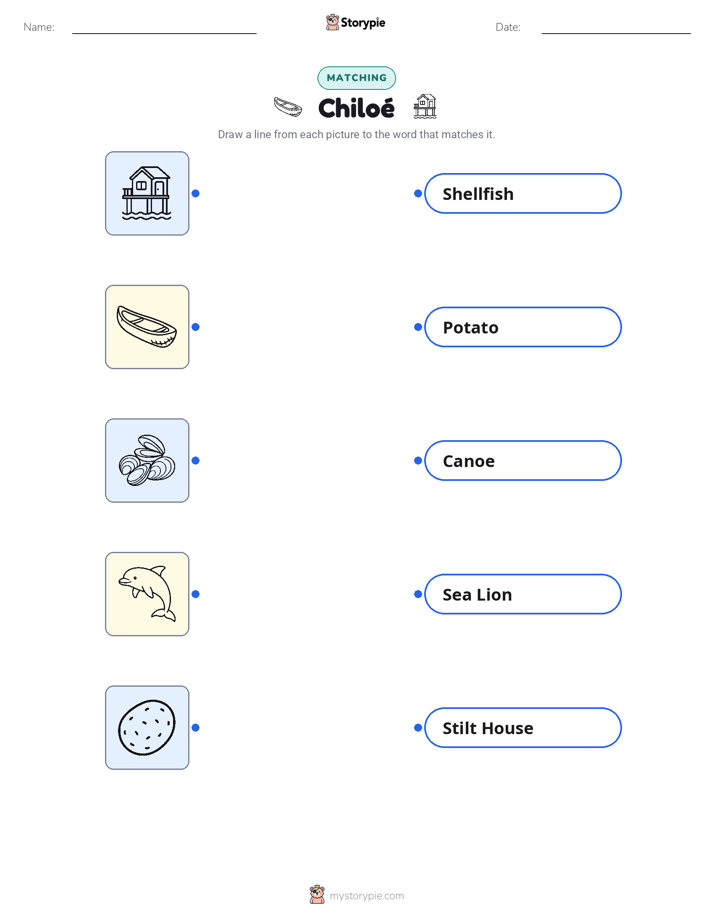
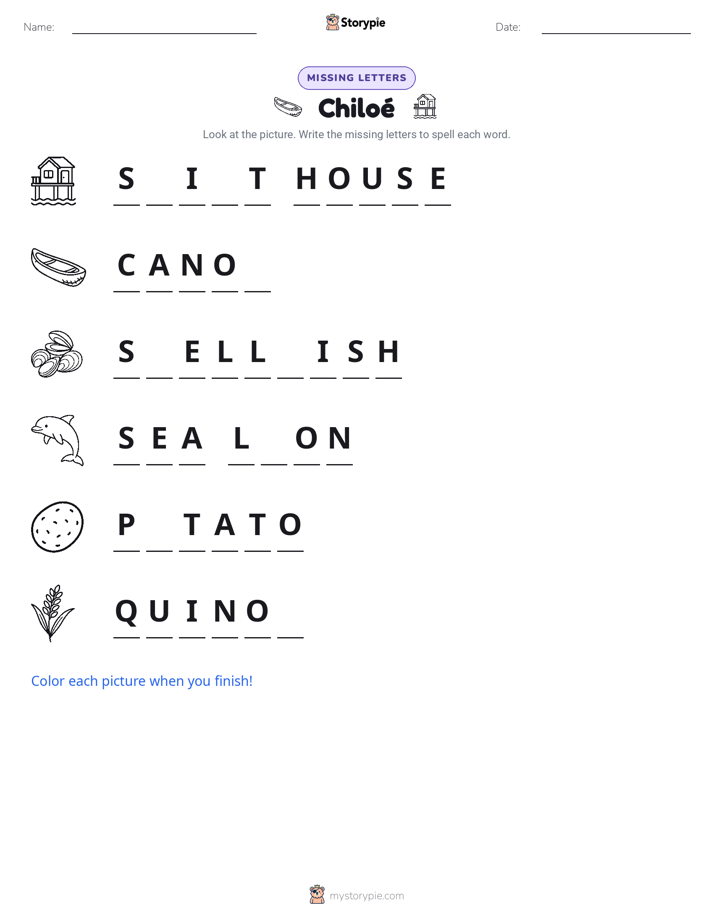
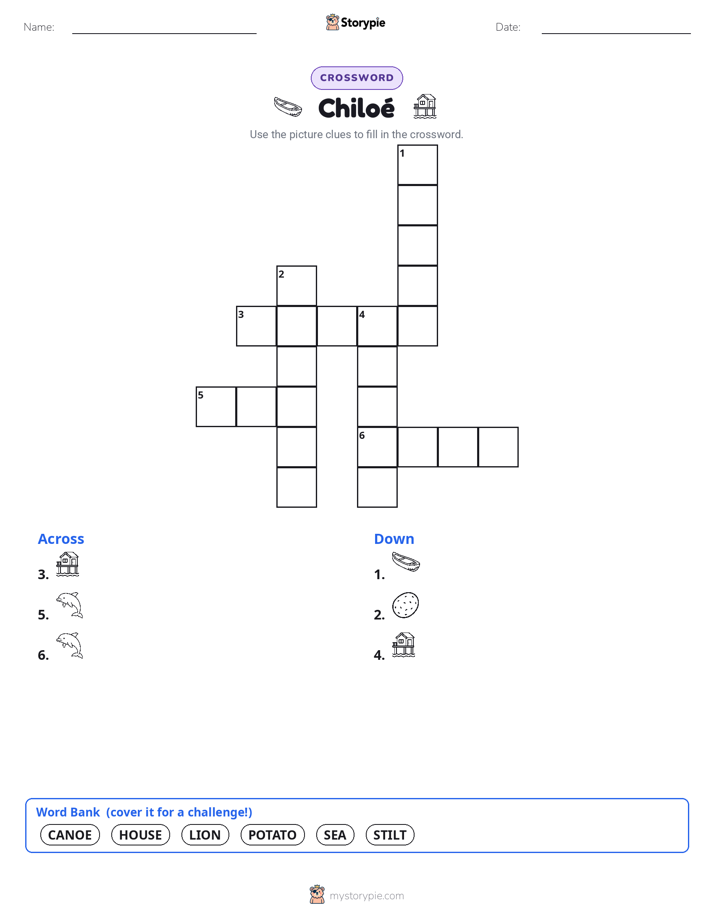
My memory stretches back through countless sunrises, to a time around 7000 BCE, when the first human footprints marked my shores. These were my first children, people who understood my rhythms. The Chono people, skilled seafarers, navigated my winding channels in their dalca canoes, sewn together with plant fibers. They lived from the sea, gathering shellfish and hunting sea lions, their lives moving with my tides. Later, the Huilliche people arrived, bringing the gift of agriculture. They cleared patches of my dense forests to farm potatoes and quinoa, building communities that were deeply connected to the land. They didn't just live on me; they listened to me. They heard the spirits in my ancient forests and felt the power of the ocean. Their respect for nature and their belief in a world filled with powerful beings laid the foundation for the legends that still whisper on my winds today. Their stories became my stories, the first layer of the unique identity I would come to possess.
The Whispering Islands of Wood and Water
Feel the cool mist on your skin, a soft blanket rolling in from the vast Pacific Ocean. See how my green hills tumble down to meet the dark, swirling sea, and how the vibrant colors of stilt houses, my palafitos, dance in the water’s reflection. Listen closely. Can you hear the cry of gulls and the gentle lapping of waves against wooden boats? Breathe in the scent of damp earth, salty air, and the comforting aroma of woodsmoke drifting from a nearby hearth. I am a world woven from wood and water, a chain of islands holding stories as deep as the channels that separate me from the mainland of Chile. For centuries, I have been a refuge of myth and resilience, a place where the line between the sea and the sky feels thin. I am the Chiloé Archipelago.
My memory stretches back through countless sunrises, to a time around 7000 BCE, when the first human footprints marked my shores. These were my first children, people who understood my rhythms. The Chono people, skilled seafarers, navigated my winding channels in their dalca canoes, sewn together with plant fibers. They lived from the sea, gathering shellfish and hunting sea lions, their lives moving with my tides. Later, the Huilliche people arrived, bringing the gift of agriculture. They cleared patches of my dense forests to farm potatoes and quinoa, building communities that were deeply connected to the land. They didn't just live on me; they listened to me. They heard the spirits in my ancient forests and felt the power of the ocean. Their respect for nature and their belief in a world filled with powerful beings laid the foundation for the legends that still whisper on my winds today. Their stories became my stories, the first layer of the unique identity I would come to possess.
For thousands of years, my world remained this way. Then, one day in the 16th century, something new appeared on the horizon: towering ships with great white sails, unlike any canoe my people had ever seen. These were the Spanish, explorers from a world away. On February 12th, 1567, a Spanish captain named Martín Ruiz de Gamboa sailed into a calm bay and founded a city he called Castro, which remains my capital to this day. Because I was so far from the main Spanish settlements in Chile, a powerful thing happened. Instead of one culture erasing the other, they began to blend. Spanish traditions mixed with the ancient beliefs of the Chono and Huilliche. In the early 1600s, Jesuit missionaries arrived, determined to share their faith. They began what they called the 'Circular Mission,' a remarkable journey by boat that took them from island to island, year after year. They brought new ideas, but they also listened and learned, becoming part of the unique cultural tapestry that was being woven here.
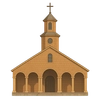
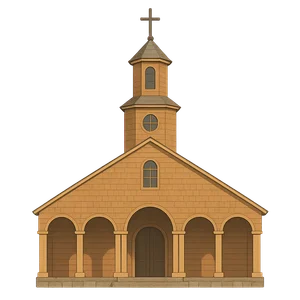
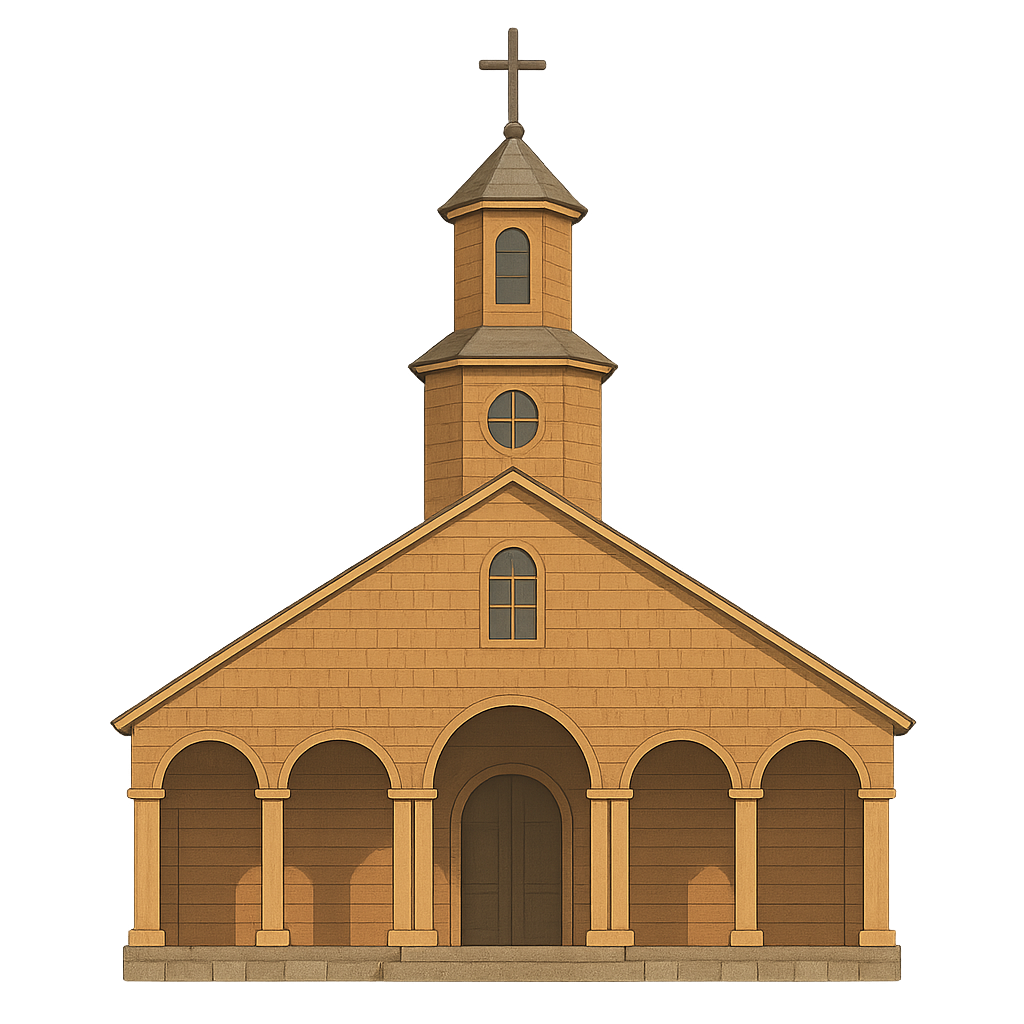
This beautiful blending of worlds gave birth to my greatest treasures: my wooden jewels. During the 17th and 18th centuries, the Jesuit priests and brilliant Chilote craftspeople began a magnificent collaboration. The Jesuits brought designs for grand European churches, but it was the local carpenters who brought them to life. Using their expert knowledge of native woods like cypress and larch, they built spectacular churches that rose toward the misty sky. They were masters of shipbuilding, and they used these same skills to construct my churches. Instead of metal nails, which would rust in my damp sea air, they fit every beam and plank together with intricately carved wooden pegs. This fusion of European design and indigenous craftsmanship created a style of architecture found nowhere else on Earth. For a long time, I remained a separate part of the Spanish Empire, but my next chapter began on January 15th, 1826, when I officially joined the new nation of Chile through the Treaty of Tantauco. I became part of a country, but I never lost my distinct, independent spirit.
Today, I continue to watch over my people and welcome visitors from around the world. My spirit of collaboration and creativity has been recognized by all of humanity. On November 30th, 2000, a great honor was given to me when sixteen of my unique wooden churches were named a UNESCO World Heritage site, protected for all time as treasures of human ingenuity. But my magic is not only in my buildings. It lives in the stories that are still told on stormy nights—tales of the Caleuche, a ghostly ship that sails my waters, and the Pincoya, a water spirit whose dance determines the ocean’s bounty. I am a living testament to the idea that different cultures can come together to create something beautiful and new. I am a place where history, nature, and magic are inseparable, a whispering world of wood and water inviting you to listen to the stories I hold.
Wow facts
About
The Chiloé Archipelago is a group of islands off the coast of southern Chile, famous for its unique culture, mythology, and distinctive wooden churches, which are a UNESCO World Heritage Site.
Take a Quiz
Question 1 of 5
What is the central theme of the story told by the Chiloé Archipelago?
Explore next



Want to do even more?
Go beyond exploring. Unlock tools that turn every story into real learning.

Storypie Plus for families
Full stories, quizzes, and printables. Nights and car rides, sorted.
- Unlimited audio stories
- Create Mode: your child stars in the story
- Offline downloads
- Printable worksheets & coloring pages

Why Storypie for Schools
Students engaged. Prep in seconds. Evenings back to you.
- Worksheets & Quizzes
- Classroom Management
- Formative Assessment
- Custom Curriculum & Lesson Plans
- 27 Languages

Why Storypie for Homeschool
Curriculum done. They'll ask for more. Hours back in your day.
- Worksheet Generator
- First-Person Audio Stories
- Built-in Comprehension Quizzes
- Custom Curriculum & Lesson Plans
- Print & Go Activities