English

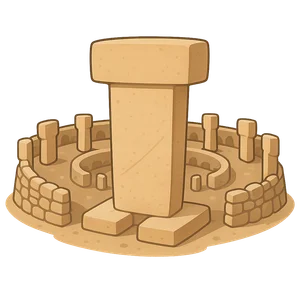
Göbekli Tepe
Located in southeastern Turkey…
Reads at Grades 6–8 Listens at Grades 4–8
Print & create
Answer keys·No prep·Free with an account
28 worksheets · answer keys · full story · quiz · Ages 10-12 · CEFR B2
Plus adds 164,000+ more stories in 27 languages, audio for every one, and printables for all of them.
Just want Göbekli Tepe?
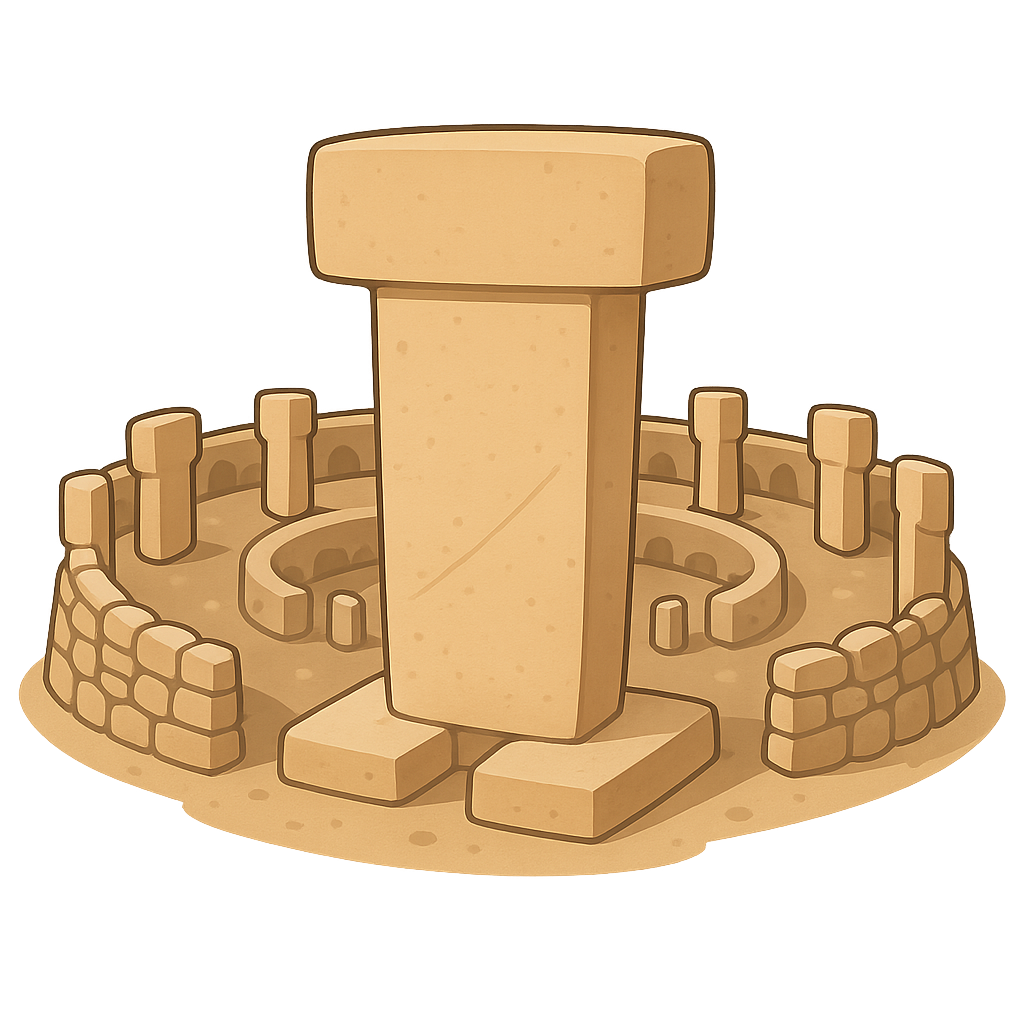
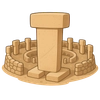
For more than eleven thousand years, I slept. I rested beneath a soft, round hill in what is now southeastern Turkey, a quiet giant dreaming under the earth. Above me, the wind whispered across the Harran Plain, and the sun warmed the soil that held my secrets. I could feel the seasons change, the rain soak into my earthen blanket, and the roots of wild grasses tickle my stone skin. From my vantage point, I had a clear view of the Germuş mountains in the distance and the vast plains below, a perfect place to watch the world. But no one knew I was here. I was a collection of great stone rings, a gallery of fantastic animals carved into massive pillars, all tucked away from sight. I held within me a story of humanity's dawn, a time so ancient it was almost forgotten. For centuries, people who passed by saw only a gentle slope in the landscape, a landmark they came to know well. Locals called my hill Potbelly Hill. But my real name, the one whispered by archaeologists today, is Göbekli Tepe.
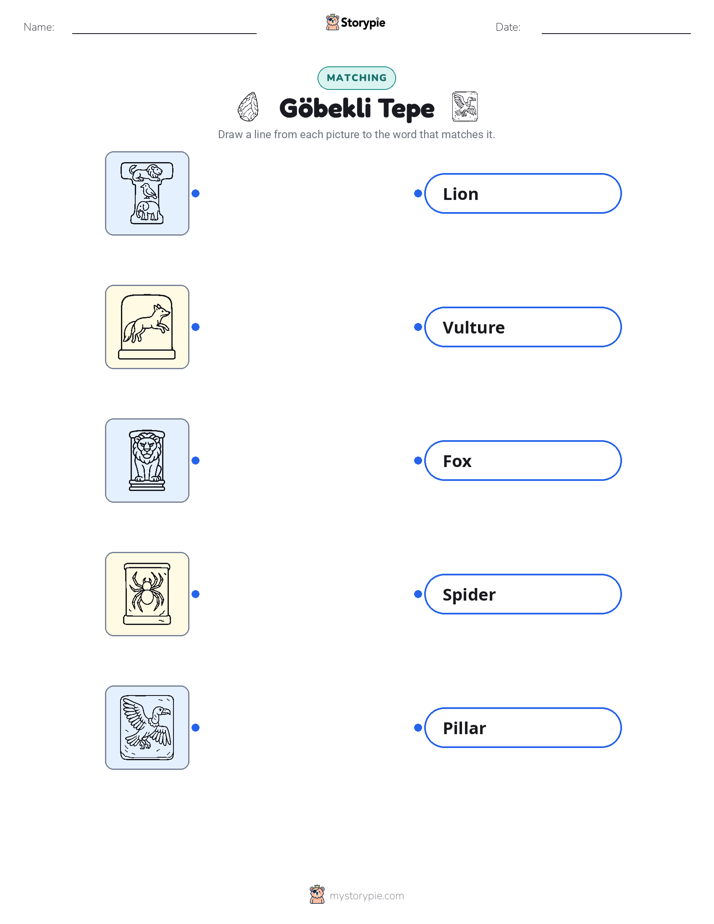
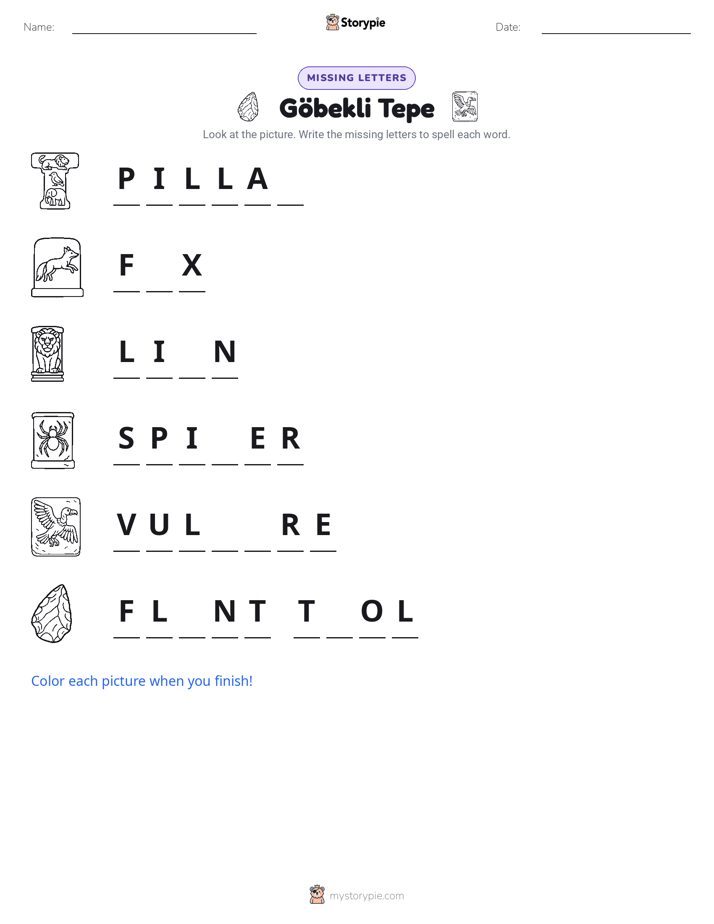
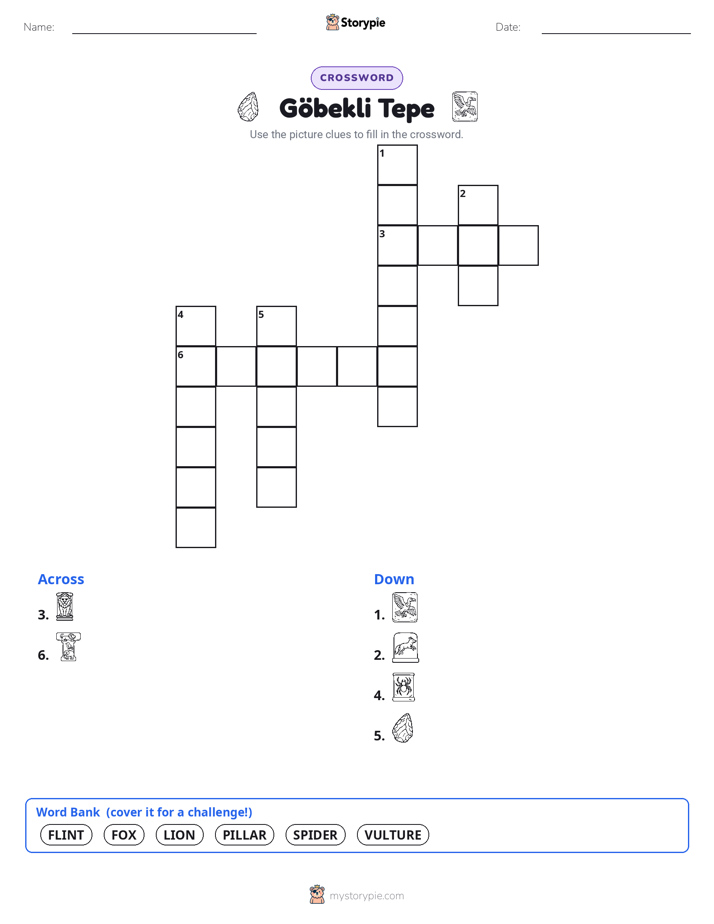
To understand my story, you must travel back to a time when the world was new, around 9600 BCE. That’s more than 11,600 years ago, a time so distant that it was 6,000 years before Stonehenge was built and over 7,000 years before the Great Pyramid of Giza rose from the sand. In my day, there were no cities, no writing, not even pottery. The people who imagined me were brilliant hunter-gatherers. They lived in tune with the rhythms of nature, following herds of gazelle and harvesting wild grains. Yet, they came together to achieve something incredible. They envisioned me. Using simple flint tools, they quarried enormous T-shaped pillars from the limestone bedrock nearby. Some of these pillars were as tall as a giraffe and weighed more than a school bus. Think about that. Without wheels or large animals to help them, these ancient people worked together to move these colossal stones and raise them into circles. On my pillars, they carved a world of powerful creatures: leaping foxes, stern-looking lions, scuttling spiders, and soaring vultures. These weren't just decorations; they were symbols of a world teeming with life and mystery. Why did they build me? No one knows for certain. I was not a home or a fortress. Perhaps I was a temple to honor the stars, a sacred place to remember the dead, or a grand gathering spot where different tribes could meet for feasts and ceremonies, sharing stories and strengthening their bonds under my watchful stone eyes.
The Hill of Secrets
For more than eleven thousand years, I slept. I rested beneath a soft, round hill in what is now southeastern Turkey, a quiet giant dreaming under the earth. Above me, the wind whispered across the Harran Plain, and the sun warmed the soil that held my secrets. I could feel the seasons change, the rain soak into my earthen blanket, and the roots of wild grasses tickle my stone skin. From my vantage point, I had a clear view of the Germuş mountains in the distance and the vast plains below, a perfect place to watch the world. But no one knew I was here. I was a collection of great stone rings, a gallery of fantastic animals carved into massive pillars, all tucked away from sight. I held within me a story of humanity's dawn, a time so ancient it was almost forgotten. For centuries, people who passed by saw only a gentle slope in the landscape, a landmark they came to know well. Locals called my hill Potbelly Hill. But my real name, the one whispered by archaeologists today, is Göbekli Tepe.
To understand my story, you must travel back to a time when the world was new, around 9600 BCE. That’s more than 11,600 years ago, a time so distant that it was 6,000 years before Stonehenge was built and over 7,000 years before the Great Pyramid of Giza rose from the sand. In my day, there were no cities, no writing, not even pottery. The people who imagined me were brilliant hunter-gatherers. They lived in tune with the rhythms of nature, following herds of gazelle and harvesting wild grains. Yet, they came together to achieve something incredible. They envisioned me. Using simple flint tools, they quarried enormous T-shaped pillars from the limestone bedrock nearby. Some of these pillars were as tall as a giraffe and weighed more than a school bus. Think about that. Without wheels or large animals to help them, these ancient people worked together to move these colossal stones and raise them into circles. On my pillars, they carved a world of powerful creatures: leaping foxes, stern-looking lions, scuttling spiders, and soaring vultures. These weren't just decorations; they were symbols of a world teeming with life and mystery. Why did they build me? No one knows for certain. I was not a home or a fortress. Perhaps I was a temple to honor the stars, a sacred place to remember the dead, or a grand gathering spot where different tribes could meet for feasts and ceremonies, sharing stories and strengthening their bonds under my watchful stone eyes.
After more than a thousand years of ceremonies and gatherings, my creators did something astounding around 8000 BCE. Instead of abandoning me to the wind and rain, they chose to put me to sleep. They carefully and deliberately buried me. Circle by circle, they filled my enclosures with soil, broken tools, flint stones, and animal bones. They packed the earth around my tall, carved pillars, gently covering my animal figures until I vanished completely from the landscape. A place that had been the center of their world for generations became a gentle, man-made hill. Why would they do such a thing? It remains one of my greatest mysteries. Perhaps they were protecting me from some unknown threat. Or maybe it was a respectful farewell. As humanity began to shift towards a new life of farming and settled villages, burying me might have been a way of closing an important chapter of their history. Whatever their reason, this careful burial was an incredible gift. It preserved me perfectly, turning me into a time capsule that would keep the story of my creators safe for the future.
For millennia, I waited. The world above changed beyond recognition. Empires rose and fell, cities grew, and languages were born and forgotten. In 1963, a team of surveyors from American and Turkish universities noticed my hilltop. They saw some fragments of limestone but concluded it was likely just an old, forgotten cemetery and moved on. My secret remained safe. Then, in 1994, a German archaeologist named Klaus Schmidt came to my hill. He had read the old surveyors' report, but he had a hunch there was more to my story. As he walked across my summit, he saw the tops of my massive T-shaped pillars just barely poking through the soil. His heart must have pounded with excitement. He knew instantly that these were not ordinary gravestones. This was something far older, far more important. He realized he was standing on the edge of a monumental discovery. The very next year, on March 2nd, 1995, the first official excavations began. Slowly and with incredible care, archaeologists began to brush away the dirt of ten thousand years. They uncovered my circular enclosures, revealed the stunning animal carvings on my pillars, and began to piece together the story of the hunter-gatherers who built me. This discovery was revolutionary. It changed everything experts thought they knew about the Stone Age and the capabilities of early human societies.
Today, I stand open to the sun once more, sharing my story with the world. On July 1st, 2018, I was officially recognized as a UNESCO World Heritage site, a treasure that belongs to all of humanity. I am the world’s oldest known temple, a powerful testament to what people can accomplish when they unite with a shared purpose and vision. I teach everyone who visits that long before the invention of writing or the wheel, our ancestors had complex beliefs, sophisticated artistic skills, and the incredible ingenuity to organize and build on a massive scale. I am a bridge connecting you to your most distant relatives, a whisper from the dawn of civilization. I continue to inspire awe and wonder, reminding every visitor of the deep, creative spirit that has driven humanity from its very beginning.
Wow facts
About
Located in southeastern Turkey, Göbekli Tepe is a prehistoric archaeological site believed to be the world's oldest known temple, built by hunter-gatherers between 9600 and 8200 BCE.
Take a Quiz
Question 1 of 5
What is the main reason Göbekli Tepe is considered such a revolutionary discovery?
Explore next




Want to do even more?
Go beyond exploring. Unlock tools that turn every story into real learning.

Storypie Plus for families
Full stories, quizzes, and printables. Nights and car rides, sorted.
- Unlimited audio stories
- Create Mode: your child stars in the story
- Offline downloads
- Printable worksheets & coloring pages

Why Storypie for Schools
Students engaged. Prep in seconds. Evenings back to you.
- Worksheets & Quizzes
- Classroom Management
- Formative Assessment
- Custom Curriculum & Lesson Plans
- 27 Languages

Why Storypie for Homeschool
Curriculum done. They'll ask for more. Hours back in your day.
- Worksheet Generator
- First-Person Audio Stories
- Built-in Comprehension Quizzes
- Custom Curriculum & Lesson Plans
- Print & Go Activities