English


Keukenhof
Keukenhof, also known as the Garden of Europe, is one of the world's largest flower gardens, located in Lisse…
Reads at Grades 6–8 Listens at Grades 4–8
Print & create
Answer keys·No prep·Free with an account
28 worksheets · answer keys · full story · quiz · Ages 10-12 · CEFR B2
Plus adds 164,000+ more stories in 27 languages, audio for every one, and printables for all of them.
Just want Keukenhof?

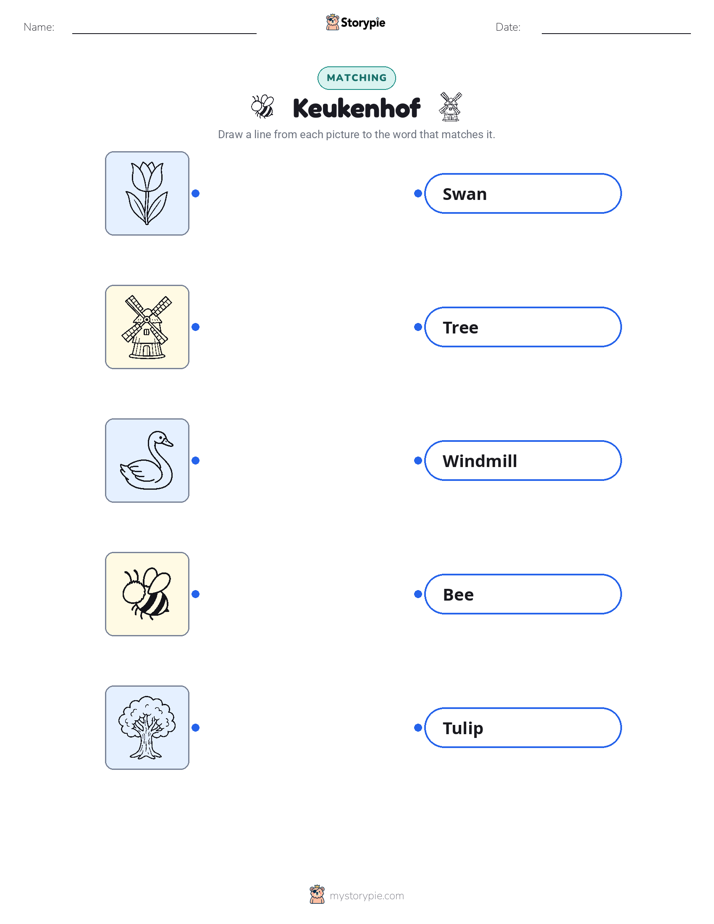
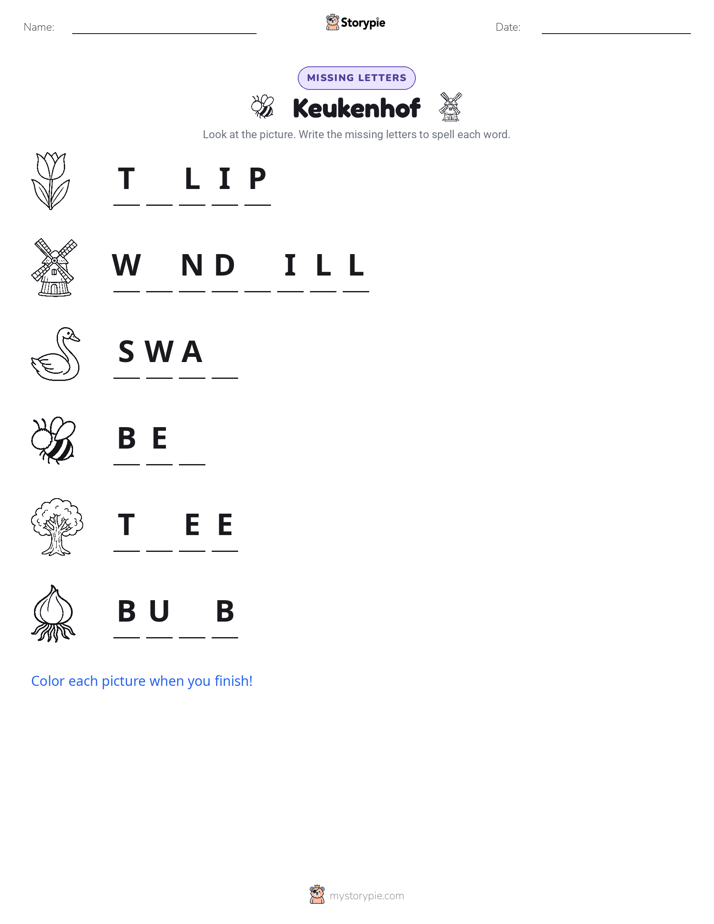
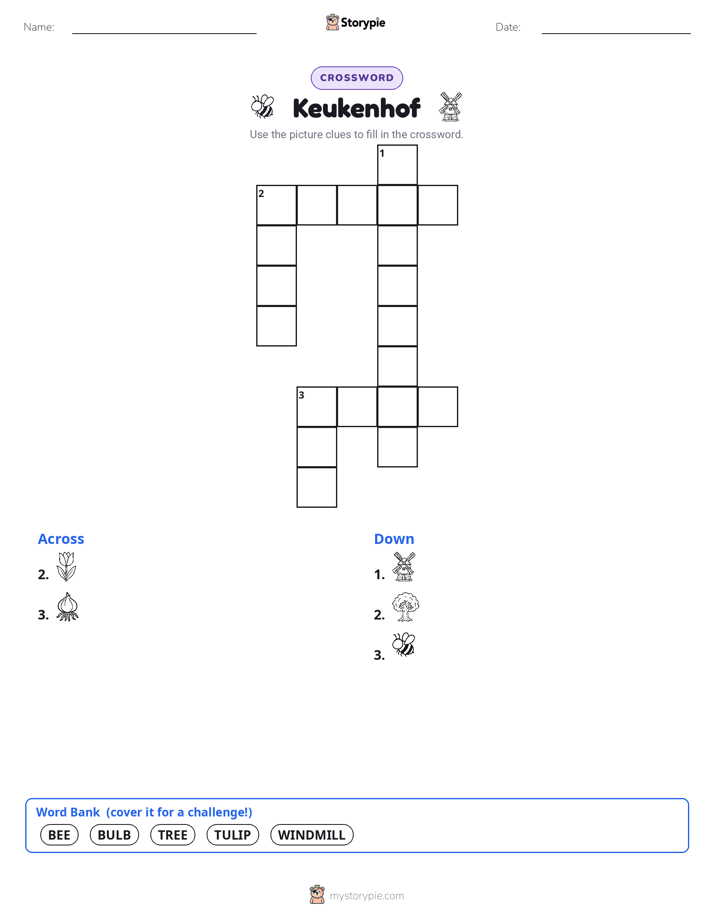
Imagine a place that wakes up only in the spring, unfurling a living carpet of color across the Dutch countryside. I am a flowing sea of red, yellow, and purple, a masterpiece painted with millions of flowers. My paths wind through ancient trees, past quiet ponds where swans glide gracefully, and under the watchful eyes of a tall windmill. The air here hums with the buzz of happy bees and carries the sweet scent of honey, blossoms, and fresh earth. I am not just one garden, but a tapestry of many gardens woven together, each with its own design and personality. People from all over the world walk through me with wonder in their eyes, capturing my beauty in photographs and breathing in the vibrant life that surrounds them. Before I tell you my name, understand that I am a fleeting celebration of nature's artistry and human vision. I am Keukenhof.
My story began long before the first tulip was planted here, back in the 15th century. I was a wild stretch of dunes and woods, part of the estate belonging to Teylingen Castle. A noblewoman, Countess Jacqueline of Bavaria, would often wander my grounds. She and her court used my lands for hunting and gathering herbs and berries for the castle's kitchen. It was this simple, practical purpose that gave me my name, ‘Keukenhof,’ which in Dutch means ‘Kitchen Garden.’ For hundreds of years, I remained a private, functional part of the estate, my potential hidden beneath the forest floor. The first major change came in 1857, when the castle’s owners hired a brilliant father-and-son team of landscape architects, Jan David Zocher and Louis Paul Zocher. They were famous for their work on Amsterdam's Vondelpark. They were tasked with transforming me, and they designed my core structure in the elegant English landscape style. They created the graceful, curving paths and surprising, picturesque views that give me my beautiful bones—the very skeleton that would one day support a world of flowers.
I am Keukenhof, The Garden of Europe
Imagine a place that wakes up only in the spring, unfurling a living carpet of color across the Dutch countryside. I am a flowing sea of red, yellow, and purple, a masterpiece painted with millions of flowers. My paths wind through ancient trees, past quiet ponds where swans glide gracefully, and under the watchful eyes of a tall windmill. The air here hums with the buzz of happy bees and carries the sweet scent of honey, blossoms, and fresh earth. I am not just one garden, but a tapestry of many gardens woven together, each with its own design and personality. People from all over the world walk through me with wonder in their eyes, capturing my beauty in photographs and breathing in the vibrant life that surrounds them. Before I tell you my name, understand that I am a fleeting celebration of nature's artistry and human vision. I am Keukenhof.
My story began long before the first tulip was planted here, back in the 15th century. I was a wild stretch of dunes and woods, part of the estate belonging to Teylingen Castle. A noblewoman, Countess Jacqueline of Bavaria, would often wander my grounds. She and her court used my lands for hunting and gathering herbs and berries for the castle's kitchen. It was this simple, practical purpose that gave me my name, ‘Keukenhof,’ which in Dutch means ‘Kitchen Garden.’ For hundreds of years, I remained a private, functional part of the estate, my potential hidden beneath the forest floor. The first major change came in 1857, when the castle’s owners hired a brilliant father-and-son team of landscape architects, Jan David Zocher and Louis Paul Zocher. They were famous for their work on Amsterdam's Vondelpark. They were tasked with transforming me, and they designed my core structure in the elegant English landscape style. They created the graceful, curving paths and surprising, picturesque views that give me my beautiful bones—the very skeleton that would one day support a world of flowers.
My true blooming, the moment I became the spectacle I am today, didn't happen until a century later. After the turmoil of World War II, the Netherlands was rebuilding, and its famous flower bulb industry was looking for a way to shine. In 1949, a group of twenty leading bulb growers and exporters came up with a revolutionary idea. They needed a place to display the incredible variety and quality of their flowers to the world. They envisioned a living catalogue, a vibrant, open-air exhibition where gardeners, buyers, and flower enthusiasts could see the bulbs in full, glorious bloom. They chose me, with my historic charm and the elegant Zocher design, to be their stage. They worked tirelessly, and on March 23rd, 1950, I opened my gates to the public for the very first time. The response was overwhelming; over 236,000 people visited in that first year. I was an instant success, transforming from a quiet estate into a temporary paradise that reappears each spring to showcase the best of the Dutch flower industry.
Today, I am proudly known as the ‘Garden of Europe.’ My magic is reborn each year through a monumental effort. Every autumn, when the leaves begin to fall, a team of forty gardeners meticulously plants over seven million flower bulbs in my soil, all by hand. Each design is a new secret, a carefully planned recipe of colors and textures that ensures I look spectacular for the eight short weeks I am open. I welcome over a million visitors from every corner of the globe each season. They come to witness the incredible art made from nature. I am more than just a collection of flowers; I am a powerful symbol of spring, of new beginnings, and of the unique partnership between human creativity and the rhythms of the natural world. My story is a reminder that with care, vision, and a bright idea, something truly beautiful can grow and bring immense joy to the world.
Wow facts
About
Keukenhof, also known as the Garden of Europe, is one of the world's largest flower gardens, located in Lisse, Netherlands. It is famous for its annual spring display of millions of tulips and other flowering bulbs.
Take a Quiz
Question 1 of 5
In your own words, explain how Keukenhof got its name.
Explore next






Want to do even more?
Go beyond exploring. Unlock tools that turn every story into real learning.

Storypie Plus for families
Full stories, quizzes, and printables. Nights and car rides, sorted.
- Unlimited audio stories
- Create Mode: your child stars in the story
- Offline downloads
- Printable worksheets & coloring pages

Why Storypie for Schools
Students engaged. Prep in seconds. Evenings back to you.
- Worksheets & Quizzes
- Classroom Management
- Formative Assessment
- Custom Curriculum & Lesson Plans
- 27 Languages

Why Storypie for Homeschool
Curriculum done. They'll ask for more. Hours back in your day.
- Worksheet Generator
- First-Person Audio Stories
- Built-in Comprehension Quizzes
- Custom Curriculum & Lesson Plans
- Print & Go Activities