English

Mekong Delta
A vast, fertile river delta in southwestern Vietnam, formed by the Mekong River.
Reads at Grades 3–5 Listens at Grades 1–5
Print & create
Answer keys·No prep·Free with an account
28 worksheets · answer keys · full story · quiz · Ages 8-10 · CEFR B1
Plus adds 164,000+ more stories in 27 languages, audio for every one, and printables for all of them.
Just want Mekong Delta?
Imagine a world woven from water, where shimmering threads of rivers and canals crisscross the land. From high above, I look like a giant green blanket stitched with silver. Life here moves to the gentle rhythm of the tides. My air is thick with the sweet smell of fruit orchards and the earthy scent of rice paddies that stretch as far as the eye can see. In Vietnam, where I live, people gave me a powerful name. They call me Sông Cửu Long, which means the River of Nine Dragons, because my many branches spread out toward the sea like the limbs of a mythical beast. It’s a fitting name for a place so full of life and mystery. I am not a building or a city, but a living, breathing landscape. I am the Mekong Delta.
I wasn’t built by human hands with bricks or stone. My story began with a gift from a mighty river. For more than 6,000 years, the great Mekong River has traveled thousands of miles from the mountains, carrying with it tiny bits of rich soil called silt. As the river slowed down to meet the ocean, it dropped this precious gift, and layer by layer, I was born. I grew into a vast, flat, and incredibly fertile plain. The first people to truly understand my potential were from the ancient Funan Kingdom, who arrived around the 1st century CE. They saw that my soil was perfect for growing food. To help my life-giving waters reach more land, they dug the very first canals, creating pathways for the water and for their boats. They were my first partners, learning to work with my natural cycles of flood and growth.
The River of Nine Dragons
Imagine a world woven from water, where shimmering threads of rivers and canals crisscross the land. From high above, I look like a giant green blanket stitched with silver. Life here moves to the gentle rhythm of the tides. My air is thick with the sweet smell of fruit orchards and the earthy scent of rice paddies that stretch as far as the eye can see. In Vietnam, where I live, people gave me a powerful name. They call me Sông Cửu Long, which means the River of Nine Dragons, because my many branches spread out toward the sea like the limbs of a mythical beast. It’s a fitting name for a place so full of life and mystery. I am not a building or a city, but a living, breathing landscape. I am the Mekong Delta.
I wasn’t built by human hands with bricks or stone. My story began with a gift from a mighty river. For more than 6,000 years, the great Mekong River has traveled thousands of miles from the mountains, carrying with it tiny bits of rich soil called silt. As the river slowed down to meet the ocean, it dropped this precious gift, and layer by layer, I was born. I grew into a vast, flat, and incredibly fertile plain. The first people to truly understand my potential were from the ancient Funan Kingdom, who arrived around the 1st century CE. They saw that my soil was perfect for growing food. To help my life-giving waters reach more land, they dug the very first canals, creating pathways for the water and for their boats. They were my first partners, learning to work with my natural cycles of flood and growth.
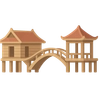
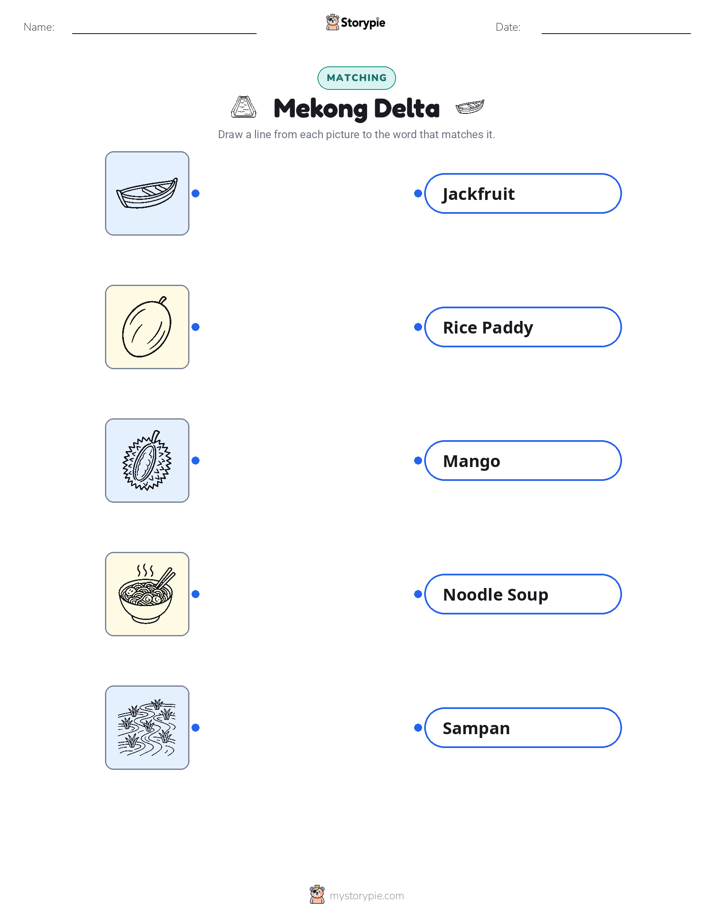
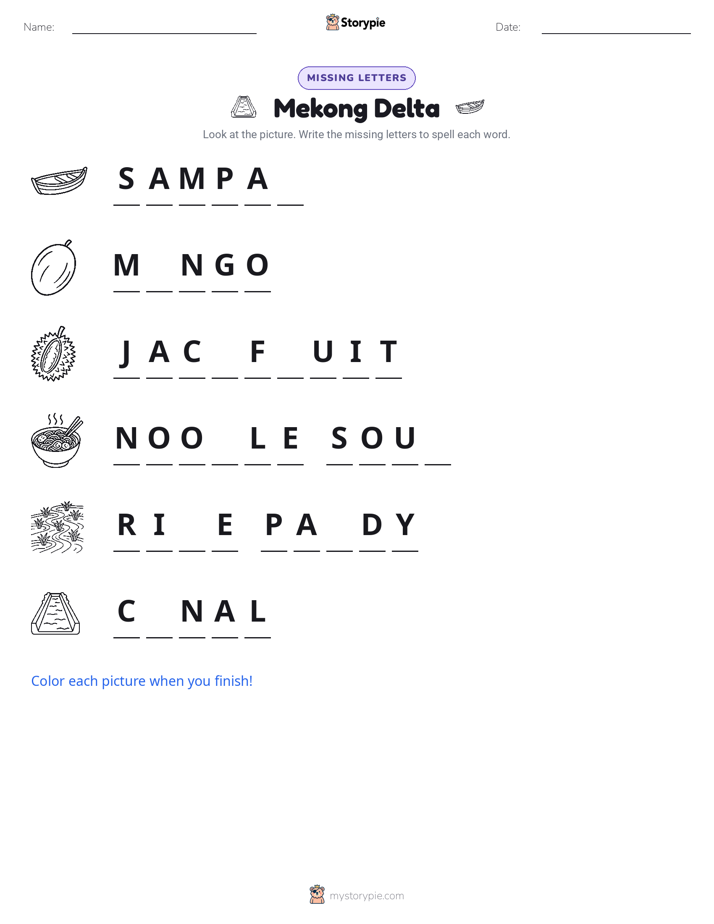
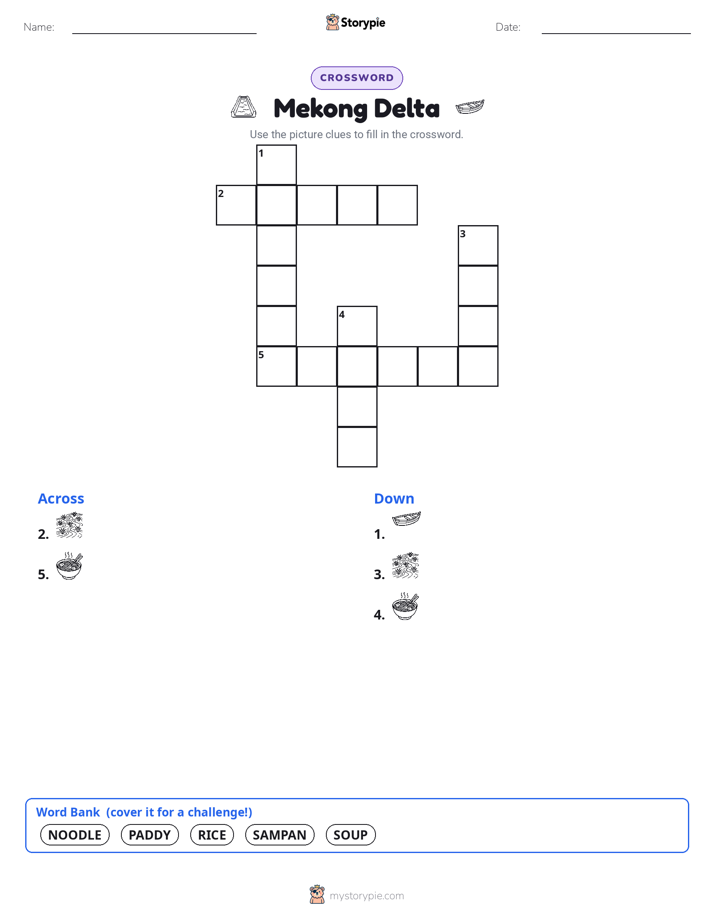
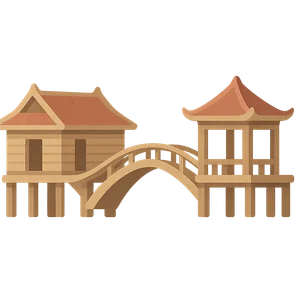
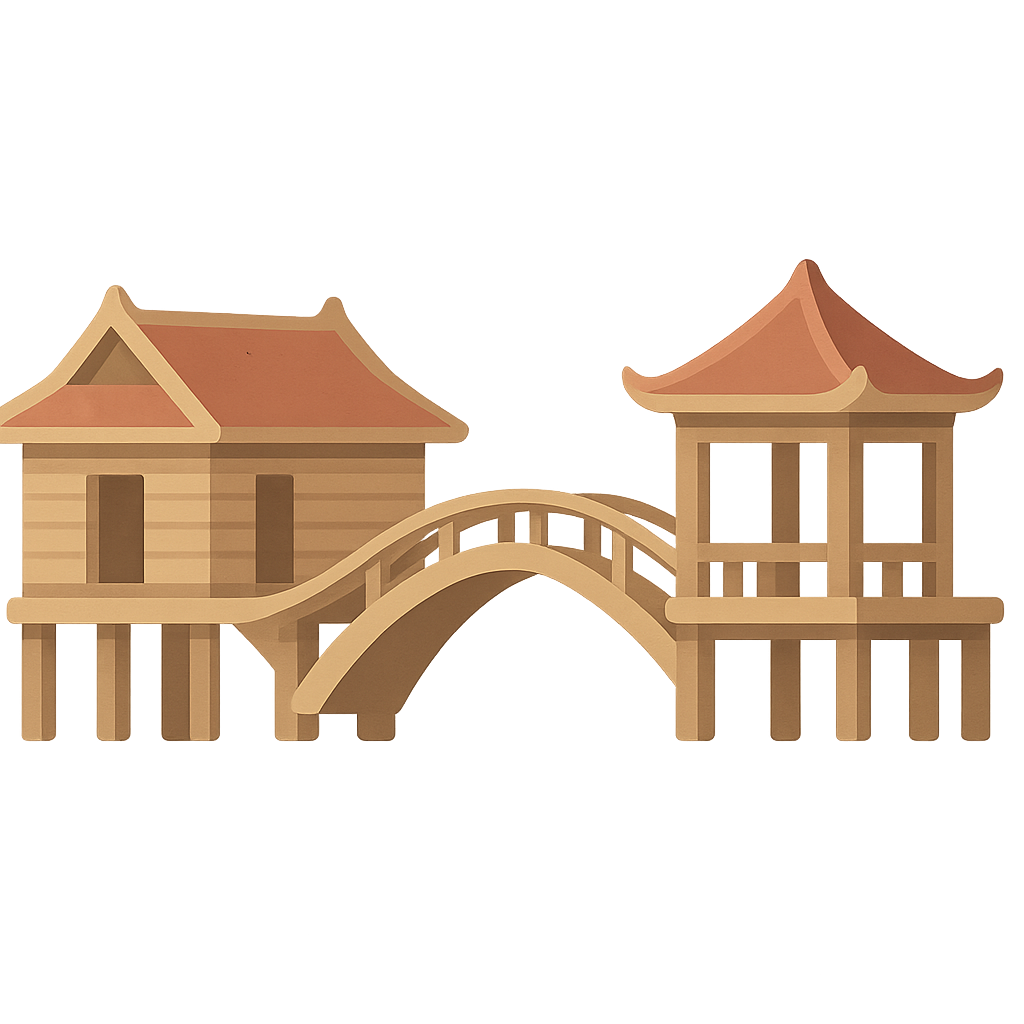
For centuries, my story flowed quietly. Then, in the 17th century, Vietnamese farmers and settlers arrived. They were experts at growing rice, and they saw me as a promise of abundance. They worked with my yearly floods, planting their crops and building their lives around my watery pulse. They were so successful that they gave me my famous nickname: the rice bowl of Vietnam. They turned my wild wetlands into an enormous, productive garden that could feed millions of people. My life changed again in the mid-19th century when French engineers arrived. They didn’t just want to grow food; they wanted to transport it. They designed and dug an even bigger, more intricate network of canals, connecting my rivers and streams like a giant watery highway. This massive project created the complex water world you see today. To live here, people had to adapt in clever ways. They built their houses on tall stilts to stay dry during the floods and zipped around in small wooden boats called sampans, which became as common as family cars are today.
Today, my waters are more alive than ever with the energy of the people who call me home. If you were to visit one of my floating markets, like the famous one at Cái Răng, you would see a spectacular dance of boats. The scene is a burst of color and sound. Long boats are piled high with spiky red dragon fruit, bright yellow mangoes, and mountains of green vegetables. The air smells of delicious noodle soup, called pho, being cooked on a tiny floating kitchen. You can hear the cheerful chatter of sellers advertising their goods and the gentle splashing of oars in the water. For the people here, this is normal life. Shopping, visiting friends, and going to school can all happen on the water. This incredible floating culture isn't new; it is a precious tradition that has been passed down from parents to children for many generations, a beautiful way of life that flows in harmony with me.
My story is always flowing, just like my rivers. The world is changing, and I face new challenges. But I am not worried, because the people who live here are some of the most resilient and creative you will ever meet. They have always known how to adapt, how to live with the rhythm of the water, and how to turn challenges into opportunities. I am more than just a place on a map. I am a living example of how people and nature can create a beautiful and lasting partnership. My flowing waters carry the history of ancient kingdoms, the hard work of generations of farmers, and the vibrant culture of today out to the great sea, sharing lessons of community, adaptation, and life with the rest of the world.
Wow facts
About
A vast, fertile river delta in southwestern Vietnam, formed by the Mekong River. Known as Vietnam's 'rice bowl,' it is famous for its intricate waterways, floating markets, and rich agricultural production.
Take a Quiz
Question 1 of 5
Why is the Mekong Delta often called 'the rice bowl of Vietnam'?
Explore next



Want to do even more?
Go beyond exploring. Unlock tools that turn every story into real learning.

Storypie Plus for families
Full stories, quizzes, and printables. Nights and car rides, sorted.
- Unlimited audio stories
- Create Mode: your child stars in the story
- Offline downloads
- Printable worksheets & coloring pages

Why Storypie for Schools
Students engaged. Prep in seconds. Evenings back to you.
- Worksheets & Quizzes
- Classroom Management
- Formative Assessment
- Custom Curriculum & Lesson Plans
- 27 Languages

Why Storypie for Homeschool
Curriculum done. They'll ask for more. Hours back in your day.
- Worksheet Generator
- First-Person Audio Stories
- Built-in Comprehension Quizzes
- Custom Curriculum & Lesson Plans
- Print & Go Activities