English

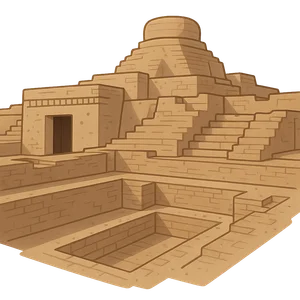
Mohenjo-Daro
Mohenjo-Daro was one of the largest settlements of the ancient Indus Valley Civilization…
Reads at Grades 3–5 Listens at Grades 1–5
Print & create
Answer keys·No prep·Free with an account
28 worksheets · answer keys · full story · quiz · Ages 8-10 · CEFR B1
Plus adds 208,000+ more stories in 27 languages, audio for every one, and printables for all of them.
Just want Mohenjo-Daro?
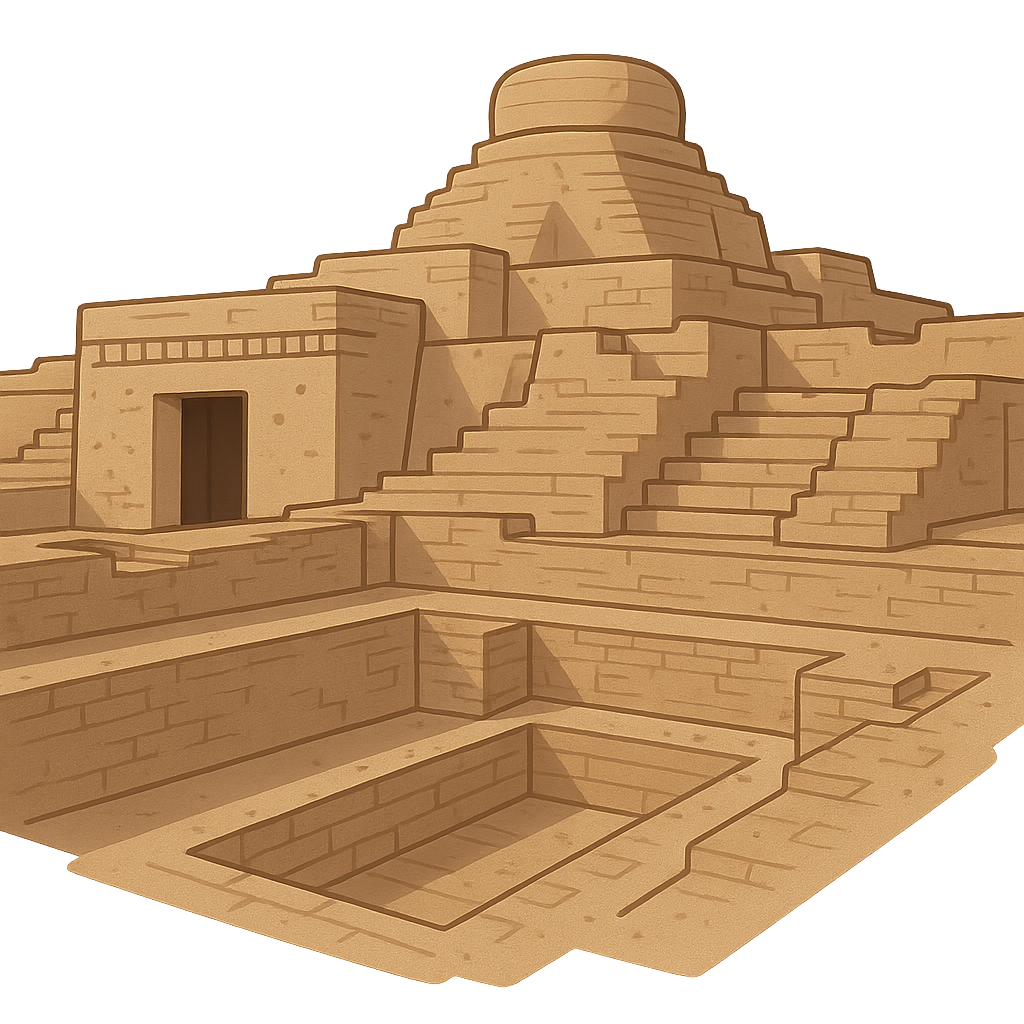
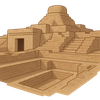
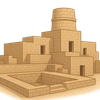
The sun feels warm on my walls, baking the millions of bricks that make up my body. I sit near a wide, slow river in a land now called Pakistan, a silent city dreaming under the heat. If you were to walk through me, you would find that my streets are surprisingly straight, crossing each other perfectly like a checkerboard. Most of my homes are gone now, but you can still see their foundations, showing where families once lived and laughed. At my heart is a great, high hill, a citadel that once looked over everything. For thousands of years, I kept my secrets buried under layers of dust and sand, a mystery waiting to be found. I am Mohenjo-Daro, a name that means 'Mound of the Dead Men,' though when I was alive with people, my name was something beautiful, now lost to the wind.
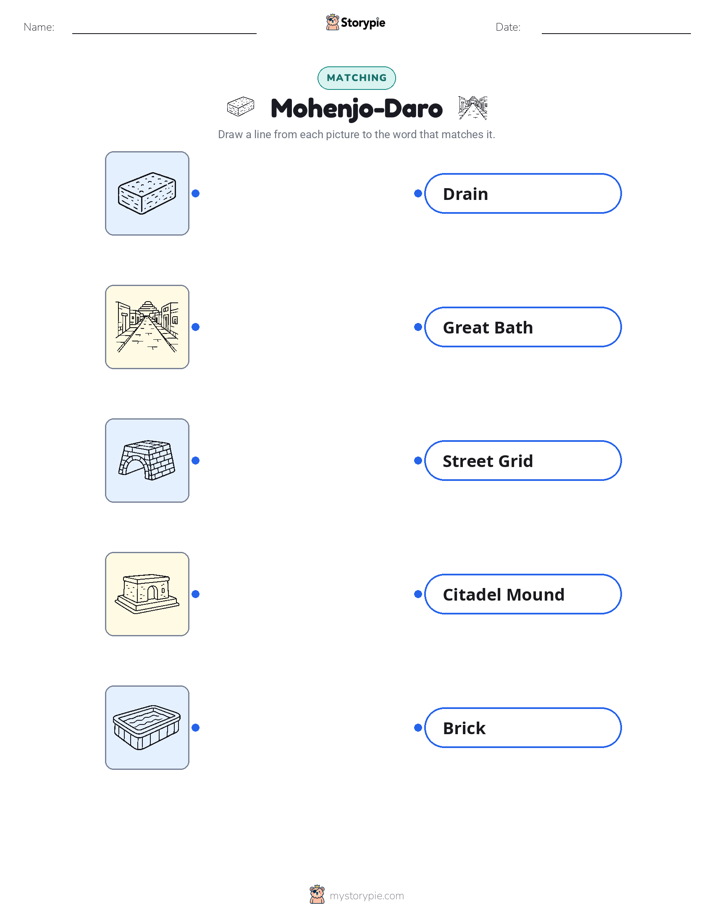
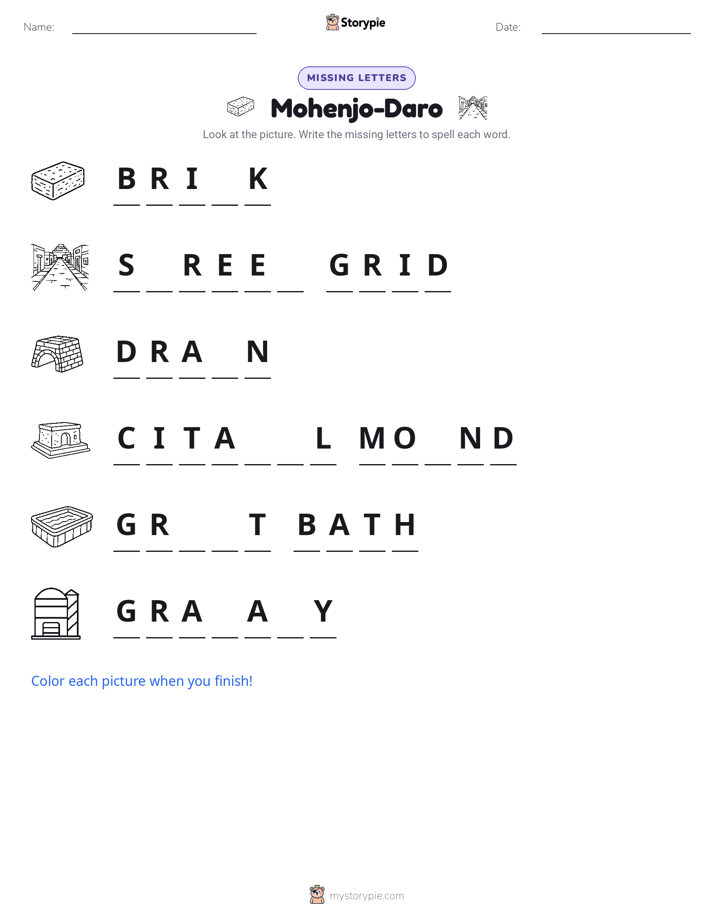
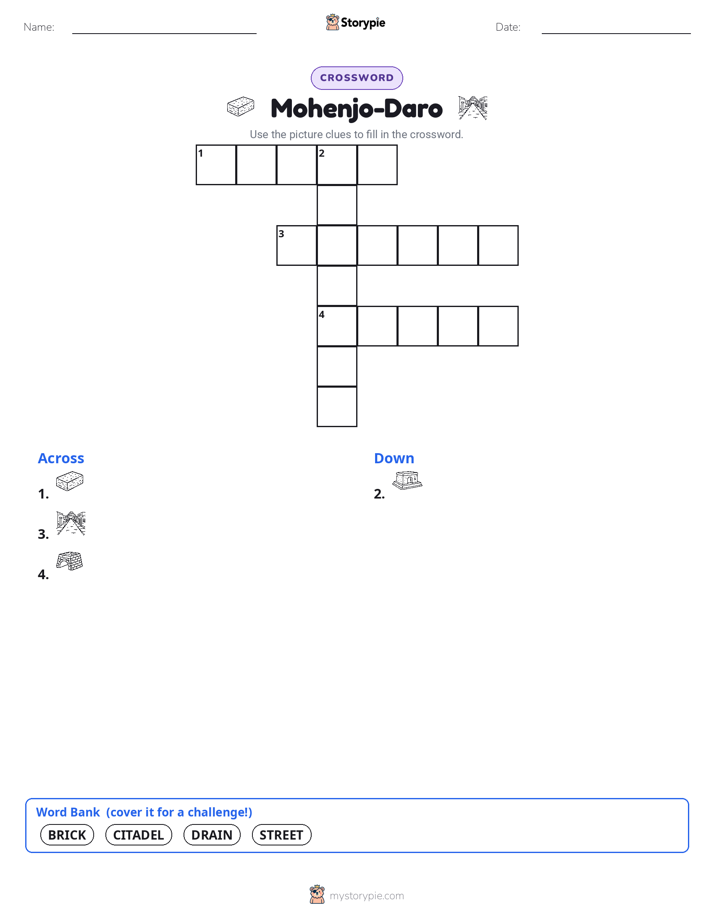
I was born around 2500 BCE, carefully planned and built by the clever people of the Indus Valley Civilization. They were brilliant engineers. They made all their bricks the exact same size, so every building was strong and neat. My streets were laid out in a grid, which made it easy for people to find their way around. My builders even created one of the world’s first sanitation systems. Covered drains ran alongside the main streets, carrying away dirty water and keeping me clean and healthy. Many of my houses were two stories high, with private bathrooms and wells. At the center of my citadel was the Great Bath, a huge, brick-lined pool. I remember it filled with clear water, a place for special ceremonies where the whole community might have gathered. I watched a bustling city full of life. Merchants would arrive with carts full of goods, trading colorful beads, sturdy pottery, and precious metals. Farmers brought grain from the fields to store in my large granary. I can still almost hear the laughter of children as they played with tiny clay carts and animals in the courtyards. The most mysterious things they left behind are small stone seals, beautifully carved with animals like bulls and unicorns, alongside a script that no one in the modern world has ever been able to read.
The City of the Great Mound
The sun feels warm on my walls, baking the millions of bricks that make up my body. I sit near a wide, slow river in a land now called Pakistan, a silent city dreaming under the heat. If you were to walk through me, you would find that my streets are surprisingly straight, crossing each other perfectly like a checkerboard. Most of my homes are gone now, but you can still see their foundations, showing where families once lived and laughed. At my heart is a great, high hill, a citadel that once looked over everything. For thousands of years, I kept my secrets buried under layers of dust and sand, a mystery waiting to be found. I am Mohenjo-Daro, a name that means 'Mound of the Dead Men,' though when I was alive with people, my name was something beautiful, now lost to the wind.
I was born around 2500 BCE, carefully planned and built by the clever people of the Indus Valley Civilization. They were brilliant engineers. They made all their bricks the exact same size, so every building was strong and neat. My streets were laid out in a grid, which made it easy for people to find their way around. My builders even created one of the world’s first sanitation systems. Covered drains ran alongside the main streets, carrying away dirty water and keeping me clean and healthy. Many of my houses were two stories high, with private bathrooms and wells. At the center of my citadel was the Great Bath, a huge, brick-lined pool. I remember it filled with clear water, a place for special ceremonies where the whole community might have gathered. I watched a bustling city full of life. Merchants would arrive with carts full of goods, trading colorful beads, sturdy pottery, and precious metals. Farmers brought grain from the fields to store in my large granary. I can still almost hear the laughter of children as they played with tiny clay carts and animals in the courtyards. The most mysterious things they left behind are small stone seals, beautifully carved with animals like bulls and unicorns, alongside a script that no one in the modern world has ever been able to read.
But life did not stay this way forever. Around 1900 BCE, a great quiet began to fall over me. The bustling streets grew emptier. The laughter faded. Historians today are not certain why my people left. It is one of my biggest secrets. Perhaps the great Indus River, my life source, changed its path, leaving the fields dry and hard to farm. Or maybe the climate changed, and the rains stopped coming as they once did. I watched with a heavy heart as families packed their belongings and walked away, one by one. The market fell silent, the Great Bath sat empty, and my beautiful brick houses became homes only for the wind. For nearly 4,000 years, I slept under layers of earth, a forgotten ghost city, my story buried with me.
Then, one day, I began to wake up. In 1922, an archaeologist from the Archaeological Survey of India named R. D. Banerji was excavating a much later Buddhist monument on my highest mound. He noticed something strange. The bricks underneath were much, much older. He had stumbled upon my long-lost world. Soon, teams of archaeologists arrived. With gentle brushes and careful hands, they swept away the dust of centuries. They uncovered my straight streets, my houses, my Great Bath, and the mysterious seals. The world was amazed to find such an ancient, well-planned city. In 1980, I was given a great honor. I was named a UNESCO World Heritage site, a treasure for all the people of the world to protect and learn from. Today, I am a puzzle from the past, inviting you to wonder about the clever people who built me. I show everyone how organized and creative humans have been for thousands of years, and I hope I inspire you to build amazing things, too.
Wow facts
About
Mohenjo-Daro was one of the largest settlements of the ancient Indus Valley Civilization, and one of the world's earliest major cities, known for its sophisticated civil engineering and urban planning.
Take a Quiz
Question 1 of 5
The story says the houses were made of 'uniform' bricks. What does 'uniform' mean in this sentence?
Explore next



Want to do even more?
Go beyond exploring. Unlock tools that turn every story into real learning.

Storypie Plus for families
Full stories, quizzes, and printables. Nights and car rides, sorted.
- Unlimited audio stories
- Create Mode: your child stars in the story
- Offline downloads
- Printable worksheets & coloring pages

Why Storypie for Schools
Students engaged. Prep in seconds. Evenings back to you.
- Worksheets & Quizzes
- Classroom Management
- Formative Assessment
- Custom Curriculum & Lesson Plans
- 27 Languages

Why Storypie for Homeschool
Curriculum done. They'll ask for more. Hours back in your day.
- Worksheet Generator
- First-Person Audio Stories
- Built-in Comprehension Quizzes
- Custom Curriculum & Lesson Plans
- Print & Go Activities