English

Oort Cloud
A theoretical, immense spherical cloud of icy planetesimals believed to surround the Sun at a great distance…
Reads at Grades 3–5 Listens at Grades 1–5
Print & create
Answer keys·No prep·Free with an account
28 worksheets · answer keys · full story · quiz · Ages 8-10 · CEFR B1
Plus adds 102,000+ more stories in 27 languages, audio for every one, and printables for all of them.
Just want Oort Cloud?
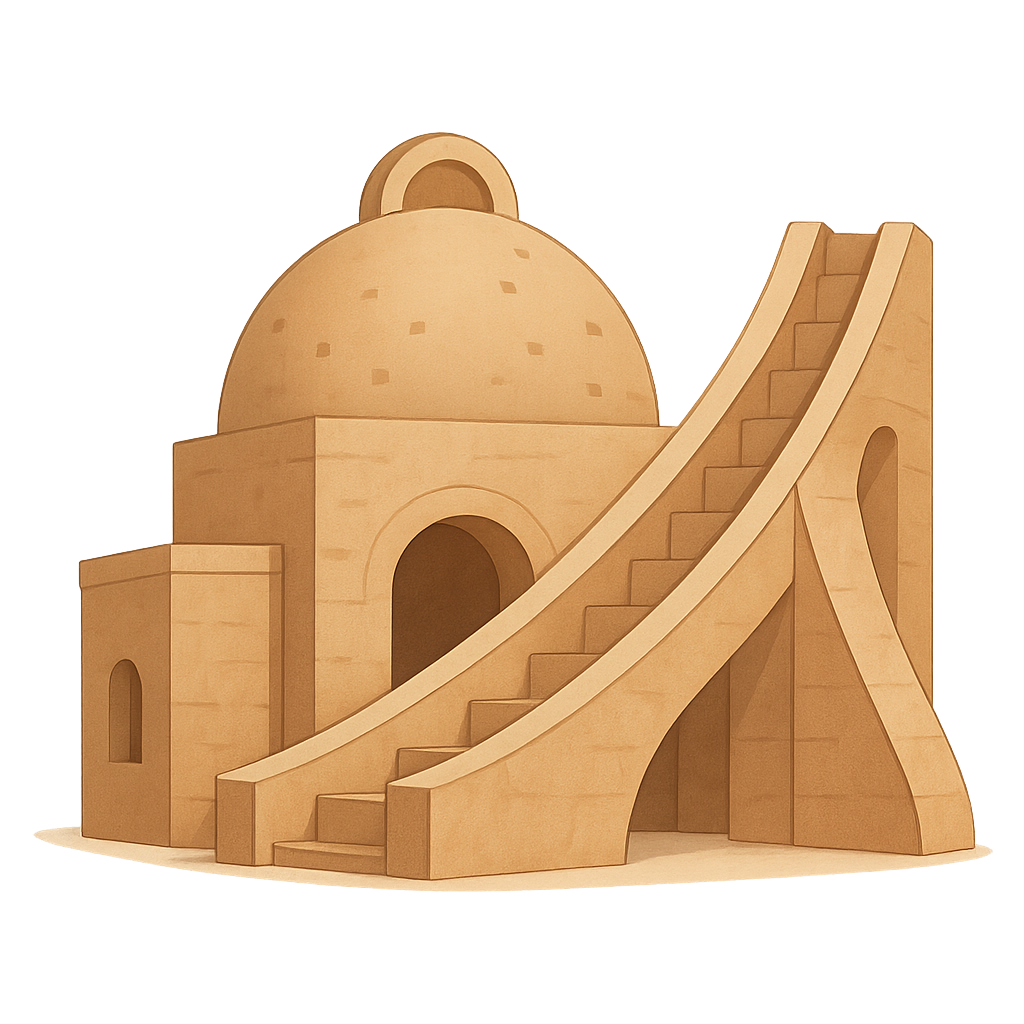
Imagine floating in the coldest, darkest, quietest place you can think of, far beyond the farthest planet. Out here, the Sun is just a tiny, brilliant star, and all the worlds you know are huddled close to its warmth. I am not a star or a planet. I am a whisper, a giant, invisible bubble made of trillions of icy specks, like a frosty breath surrounding your entire Solar System. For billions of years, I have drifted here, a silent guardian at the very edge of the Sun’s family. I am the boundary between your cosmic neighborhood and the vast, starry galaxy beyond. My existence was a secret for a very long time, a puzzle that humans on a small blue planet would one day try to solve. I am a ghostly sphere of forgotten worlds, waiting patiently in the dark. I am the Oort Cloud.
My story began a very, very long time ago, around 4.6 billion years in the past. I was born at the same time as the Sun and all the planets. When they were forming, swirling together from a giant cloud of gas and dust, there were leftover bits of ice, rock, and frozen gas. These leftovers were flung far, far out into space, where they gathered in a great, scattered shell around the newborn Solar System. That shell became me. For billions of years, I drifted in secret. But on Earth, clever humans began to notice something strange. They saw comets streaking across their sky, but some had paths so long it was clear they came from somewhere incredibly distant. In 1932, an astronomer named Ernst Öpik had a brilliant idea. He suggested that there must be a huge, faraway reservoir of comets. Then, on May 4th, 1950, another astronomer named Jan Oort took that idea and solved the puzzle. He studied the paths of these long-journey comets and realized they must come from a giant, spherical cloud surrounding everything else. He figured out who I was, and in doing so, he gave me his name.
The Ghostly Shell of the Solar System
Imagine floating in the coldest, darkest, quietest place you can think of, far beyond the farthest planet. Out here, the Sun is just a tiny, brilliant star, and all the worlds you know are huddled close to its warmth. I am not a star or a planet. I am a whisper, a giant, invisible bubble made of trillions of icy specks, like a frosty breath surrounding your entire Solar System. For billions of years, I have drifted here, a silent guardian at the very edge of the Sun’s family. I am the boundary between your cosmic neighborhood and the vast, starry galaxy beyond. My existence was a secret for a very long time, a puzzle that humans on a small blue planet would one day try to solve. I am a ghostly sphere of forgotten worlds, waiting patiently in the dark. I am the Oort Cloud.
My story began a very, very long time ago, around 4.6 billion years in the past. I was born at the same time as the Sun and all the planets. When they were forming, swirling together from a giant cloud of gas and dust, there were leftover bits of ice, rock, and frozen gas. These leftovers were flung far, far out into space, where they gathered in a great, scattered shell around the newborn Solar System. That shell became me. For billions of years, I drifted in secret. But on Earth, clever humans began to notice something strange. They saw comets streaking across their sky, but some had paths so long it was clear they came from somewhere incredibly distant. In 1932, an astronomer named Ernst Öpik had a brilliant idea. He suggested that there must be a huge, faraway reservoir of comets. Then, on May 4th, 1950, another astronomer named Jan Oort took that idea and solved the puzzle. He studied the paths of these long-journey comets and realized they must come from a giant, spherical cloud surrounding everything else. He figured out who I was, and in doing so, he gave me his name.
My enormous sphere is like a cosmic nursery, holding trillions of icy bodies. You can think of them as cosmic snowballs, each one a frozen chunk of water, gas, and dust left over from the beginning of time. Most of the time, my icy children drift peacefully in the cold and dark, moving so slowly that centuries feel like seconds. But my home is not entirely still. Sometimes, another star will pass by our Solar System. It doesn’t come very close, but it’s near enough that its gravity gives a gentle nudge to some of my comets. This tiny push is all it takes. Like a slow-motion push on a swing, it can send one of my icy children on a new path, a long, slow journey toward the Sun. I watch as it begins its trip, a voyage that can take thousands or even millions of years to complete. As it gets closer to the Sun, it starts to warm up. The ice turns to gas, and the dust is released, forming a beautiful, glowing tail that people on Earth can sometimes see as a breathtaking streak of light in their night sky.
I am more than just a home for comets. I am a time capsule. The trillions of icy bodies I hold are almost perfectly preserved, containing the original ingredients that built your Solar System 4.6 billion years ago. The comets I send on their journeys are like messengers from the distant past. When scientists on Earth study them, they get clues about how planets, including their own, were made. Even though you can't see me, not even with the most powerful telescope, know that I am out here, holding the ancient secrets of your origins. I am a reminder that the universe is filled with incredible wonders, many of which are still waiting to be discovered. So keep looking up at the sky, keep asking questions, and never, ever stop exploring.
Wow facts
About
A theoretical, immense spherical cloud of icy planetesimals believed to surround the Sun at a great distance, acting as the source of long-period comets.
Take a Quiz
Question 1 of 5
The story says the Oort Cloud is like a 'time capsule.' What does this mean?
Explore next





Want to do even more?
Go beyond exploring. Unlock tools that turn every story into real learning.

Storypie Plus for families
Full stories, quizzes, and printables. Nights and car rides, sorted.
- Unlimited audio stories
- Create Mode: your child stars in the story
- Offline downloads
- Printable worksheets & coloring pages

Why Storypie for Schools
Students engaged. Prep in seconds. Evenings back to you.
- Worksheets & Quizzes
- Classroom Management
- Formative Assessment
- Custom Curriculum & Lesson Plans
- 27 Languages

Why Storypie for Homeschool
Curriculum done. They'll ask for more. Hours back in your day.
- Worksheet Generator
- First-Person Audio Stories
- Built-in Comprehension Quizzes
- Custom Curriculum & Lesson Plans
- Print & Go Activities