English

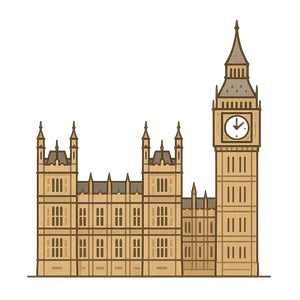
Palace of Westminster
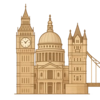
The Palace of Westminster serves as the meeting place for both the House of Commons and the House of Lords…
Reads at Grades 6–8 Listens at Grades 4–8
Print & create
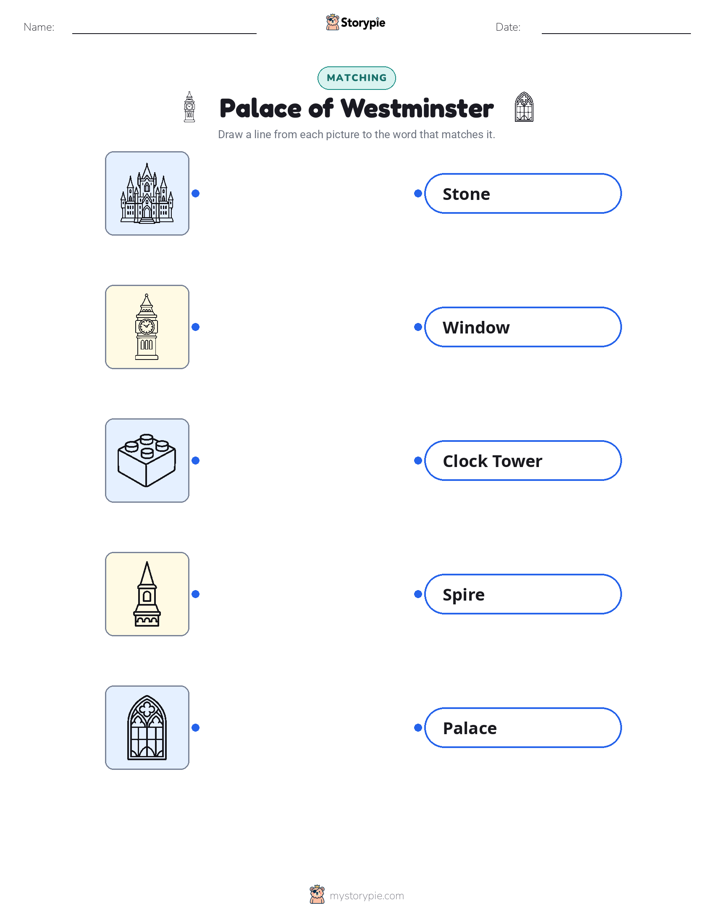
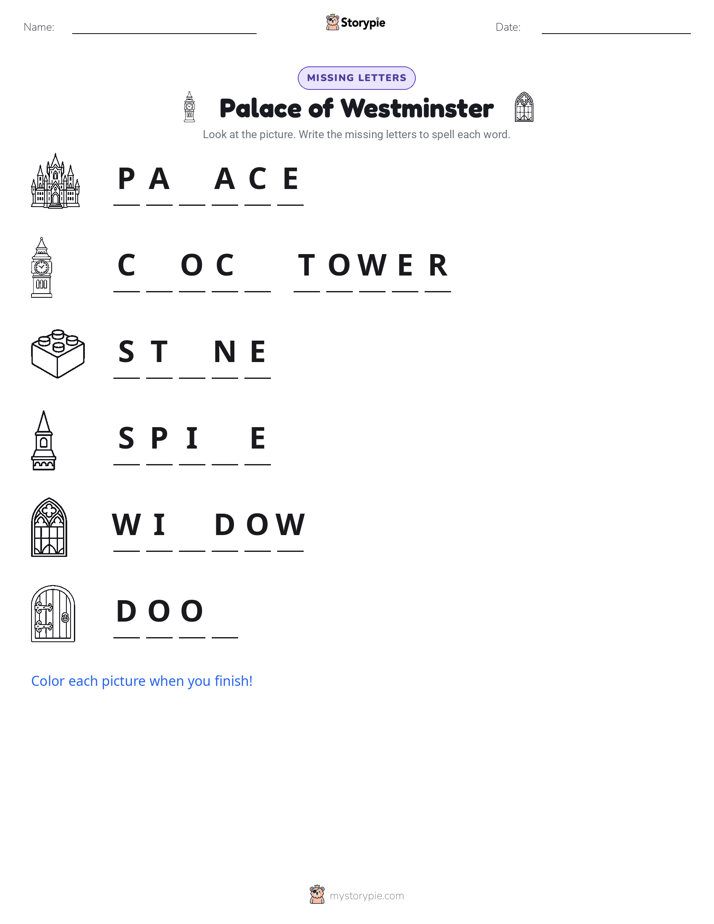
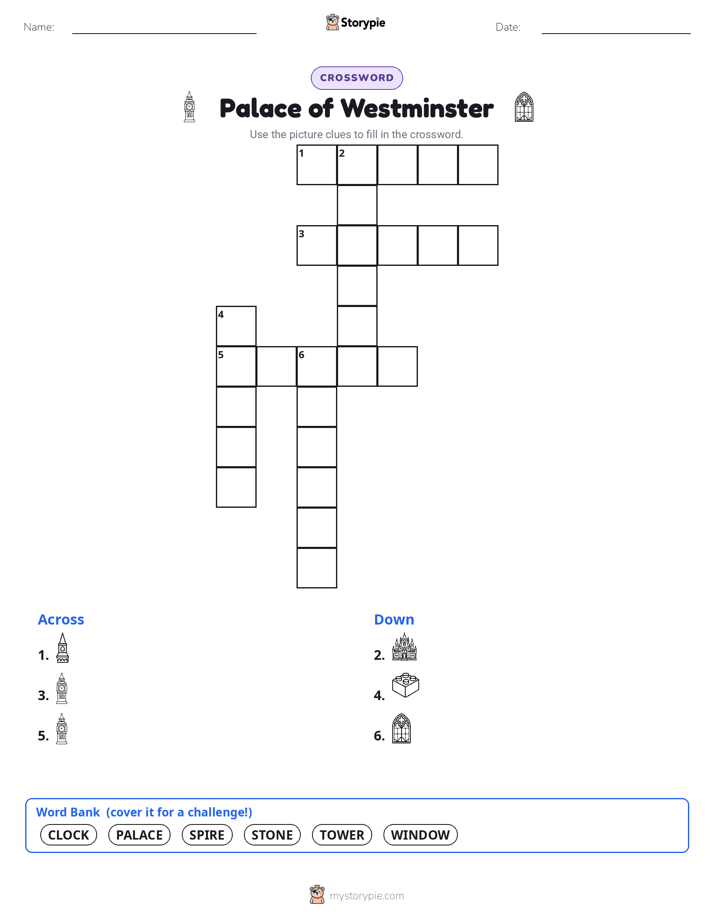
Answer keys·No prep·Free with an account
28 worksheets · answer keys · full story · quiz · Ages 10-12 · CEFR B2
Plus adds 164,000+ more stories in 27 languages, audio for every one, and printables for all of them.
Just want Palace of Westminster?
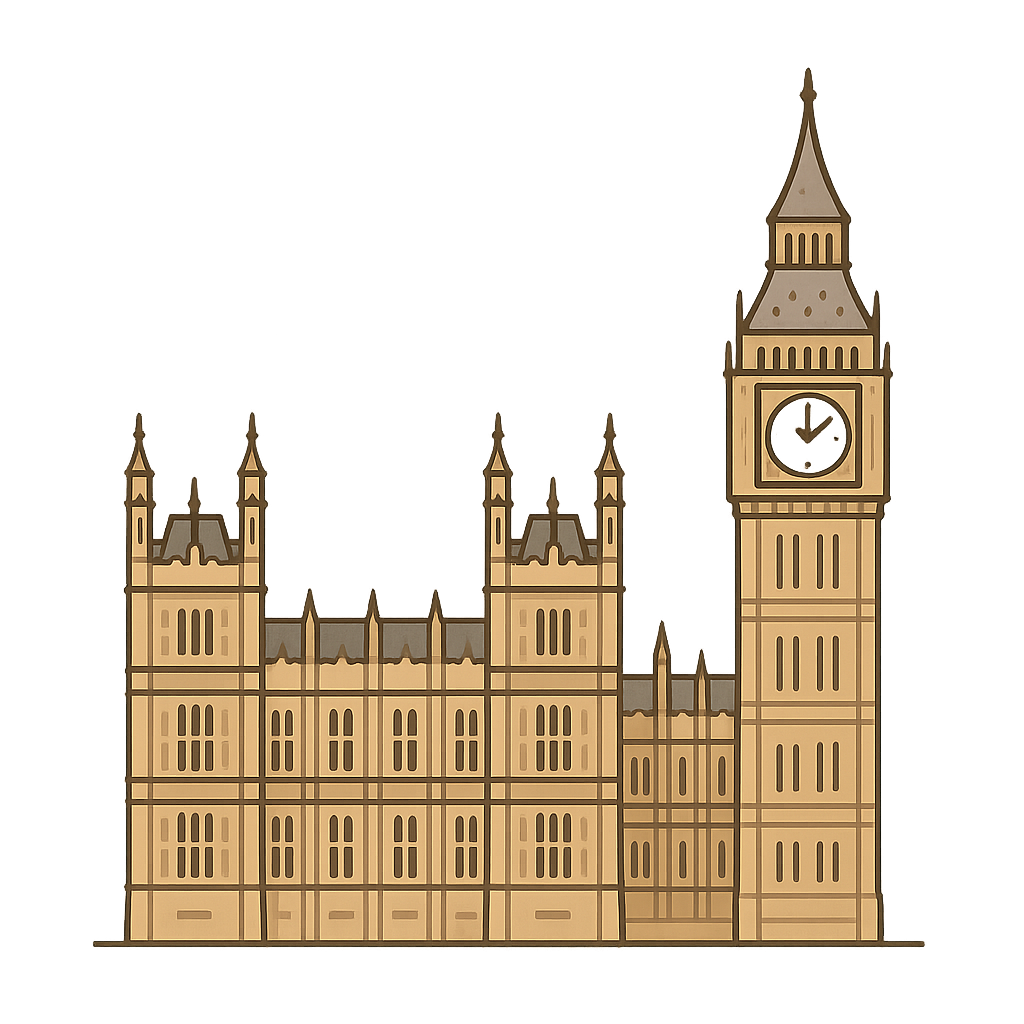
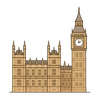
If you stand on the banks of the River Thames in London, you will see my reflection shimmering in the water. My walls are made of golden stone, and my many towers and spires reach for the sky as if trying to touch the clouds. From my tallest tower, a deep, familiar chime rings out across the city, a sound that has marked the hours for generations of Londoners. Inside my nearly one thousand one hundred rooms and miles of corridors, the future of a nation is debated and decided every day. People walk through my grand halls, their voices echoing where kings and queens once stood. They come here to speak for others, to argue, to agree, and to build a better tomorrow. My story is written in stone and stained glass, a tale of fire, resilience, and the enduring power of ideas. I am the Palace of Westminster, but many people call me the Houses of Parliament.
My story began long before my current stones were laid. Over 900 years ago, this spot on the riverbank was chosen by a king. Around the year 1045, King Edward the Confessor decided to build a royal palace here, next to a great abbey. In those days, I was a collection of timber buildings, a bustling center of royal life. My oldest and proudest part that still stands today, Westminster Hall, was built in 1097 by King William II. Its magnificent hammer-beam roof, made of giant oak timbers, was an engineering marvel of its time. Imagine the scenes within that hall: grand coronation banquets where new monarchs were celebrated, important trials that decided the fate of powerful people, and the first gatherings of early Parliaments. For centuries, I was the primary home of England's kings and queens, the very heart of the kingdom. But my role was destined to change. In the year 1512, a fire swept through the royal apartments. After that, King Henry VIII and future monarchs decided to live elsewhere, leaving me to a new purpose. Slowly but surely, I transformed from a king's home into the permanent home for Parliament.
The Palace on the River
If you stand on the banks of the River Thames in London, you will see my reflection shimmering in the water. My walls are made of golden stone, and my many towers and spires reach for the sky as if trying to touch the clouds. From my tallest tower, a deep, familiar chime rings out across the city, a sound that has marked the hours for generations of Londoners. Inside my nearly one thousand one hundred rooms and miles of corridors, the future of a nation is debated and decided every day. People walk through my grand halls, their voices echoing where kings and queens once stood. They come here to speak for others, to argue, to agree, and to build a better tomorrow. My story is written in stone and stained glass, a tale of fire, resilience, and the enduring power of ideas. I am the Palace of Westminster, but many people call me the Houses of Parliament.
My story began long before my current stones were laid. Over 900 years ago, this spot on the riverbank was chosen by a king. Around the year 1045, King Edward the Confessor decided to build a royal palace here, next to a great abbey. In those days, I was a collection of timber buildings, a bustling center of royal life. My oldest and proudest part that still stands today, Westminster Hall, was built in 1097 by King William II. Its magnificent hammer-beam roof, made of giant oak timbers, was an engineering marvel of its time. Imagine the scenes within that hall: grand coronation banquets where new monarchs were celebrated, important trials that decided the fate of powerful people, and the first gatherings of early Parliaments. For centuries, I was the primary home of England's kings and queens, the very heart of the kingdom. But my role was destined to change. In the year 1512, a fire swept through the royal apartments. After that, King Henry VIII and future monarchs decided to live elsewhere, leaving me to a new purpose. Slowly but surely, I transformed from a king's home into the permanent home for Parliament.
The most dramatic chapter of my life began with smoke and flames. On the evening of October 16th, 1834, a fire started, and it grew into a terrifying inferno that consumed almost all of my ancient medieval structures. The city watched in horror as centuries of history turned to ash. It was a devastating loss, but through the courage of firefighters and volunteers, my greatest treasure, Westminster Hall, was saved. From this destruction came a chance for a new beginning. A competition was announced in 1836 to find the best design for a new palace, one that would honor the past while looking to the future. The winner was an architect named Charles Barry. He envisioned a grand building in the Gothic Revival style, which was inspired by the majestic cathedrals of the Middle Ages. To help him with the incredibly detailed carvings, stained glass, and furnishings, he worked with another brilliant designer, Augustus Pugin. Together, they planned every detail, from the statues of kings and queens on my walls to the patterns on the wallpaper. Construction began in 1840 and was a monumental task that took decades. My most famous feature, the great clock tower now called the Elizabeth Tower, was completed in 1859. My new life was not without challenges. During World War II, my strength was tested again. On May 10th, 1941, a bomb destroyed the House of Commons chamber. But just as after the great fire, the people were determined to rebuild. The chamber was reconstructed, a powerful symbol of democracy's refusal to be silenced.
Today, I stand not just as a beautiful landmark, but as the living heart of democracy in the United Kingdom. Within my walls, the two houses of Parliament—the House of Commons and the House of Lords—gather. Here, elected representatives and appointed members debate new laws, question the government, and make decisions that affect the lives of everyone in the country. Because of my incredible history and architectural beauty, I am recognized as a UNESCO World Heritage Site, a place considered precious to the entire world. The sound of my Great Bell, nicknamed Big Ben, is known globally as a symbol of stability, time, and the enduring voice of a nation. My story is a reminder that even after great loss and destruction, we can rebuild. The conversations that fill my halls are a continuous effort to create a better world, a process that is often noisy and difficult, but always hopeful. I stand as a testament to resilience, a bridge between the past and the future, inspiring all who see me to believe in the power of working together.
Wow facts
About
The Palace of Westminster serves as the meeting place for both the House of Commons and the House of Lords, the two houses of the Parliament of the United Kingdom.
Take a Quiz
Question 1 of 5
What major event in 1834 dramatically changed the Palace of Westminster and led to its modern appearance?
Explore next



Want to do even more?
Go beyond exploring. Unlock tools that turn every story into real learning.

Storypie Plus for families
Full stories, quizzes, and printables. Nights and car rides, sorted.
- Unlimited audio stories
- Create Mode: your child stars in the story
- Offline downloads
- Printable worksheets & coloring pages

Why Storypie for Schools
Students engaged. Prep in seconds. Evenings back to you.
- Worksheets & Quizzes
- Classroom Management
- Formative Assessment
- Custom Curriculum & Lesson Plans
- 27 Languages

Why Storypie for Homeschool
Curriculum done. They'll ask for more. Hours back in your day.
- Worksheet Generator
- First-Person Audio Stories
- Built-in Comprehension Quizzes
- Custom Curriculum & Lesson Plans
- Print & Go Activities