English

South America
South America is the fourth-largest continent, known for its vast Amazon rainforest…
Reads at Grades 6–8 Listens at Grades 4–8
Print & create
Answer keys·No prep·Free with an account
28 worksheets · answer keys · full story · quiz · Ages 10-12 · CEFR B2
Plus adds 164,000+ more stories in 27 languages, audio for every one, and printables for all of them.
Just want South America?
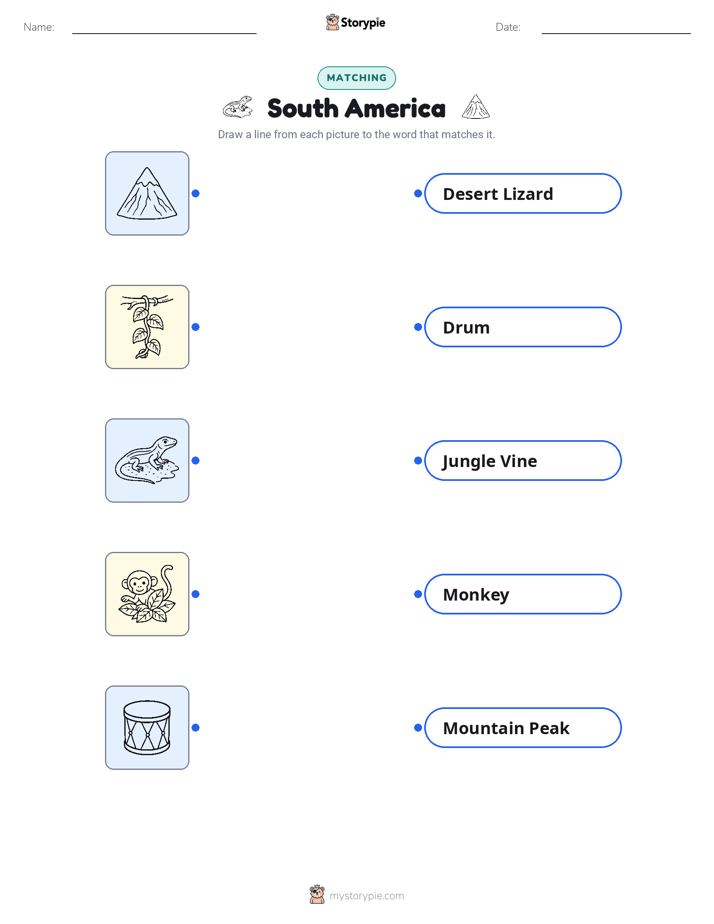
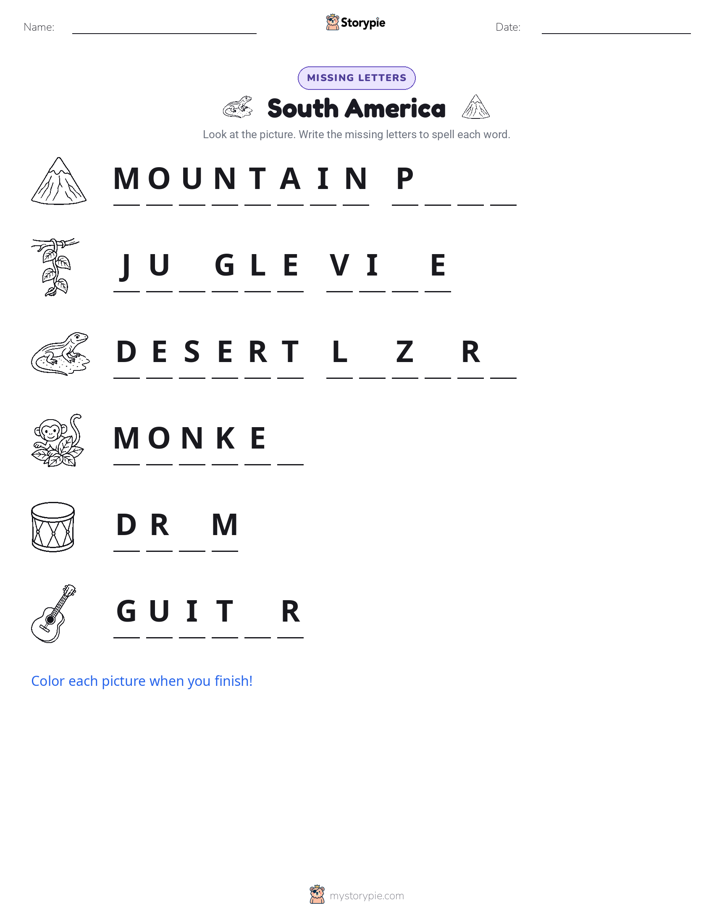
Imagine a land of breathtaking contrasts. Picture icy mountain peaks scraping the sky, their snowy caps gleaming in the sun. Now, journey down into a vast, green jungle, so dense and alive that it feels like the whole world is breathing around you. Travel across a desert so dry and orange that it looks like the surface of another planet, then follow rivers so wide they seem like freshwater oceans flowing to the sea. Listen closely. You can hear the thunder of waterfalls plunging from colossal cliffs, the chatter of a thousand different monkeys in the canopy, and the vibrant rhythms of drums and guitars in my bustling cities. I am a tapestry of nature and culture, woven together over thousands of years. Have you guessed who I am. I am the continent of South America.
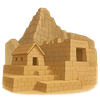
My story begins long before any maps were drawn. The echoes of my first people can be traced back to around 14,500 BCE, at a place called Monte Verde in what is now Chile. These early explorers adapted to my diverse lands, from the coasts to the high mountains. Over millennia, incredible civilizations rose from my soil. Between 500 BCE and 500 CE, the Nazca people etched enormous figures into my desert floor—spiders, monkeys, and hummingbirds so large they can only be truly seen from high in the sky, a magnificent mystery that endures to this day. Later, the great Inca Empire emerged from the Andes mountains around the 13th century. They were master builders and administrators. Their capital, Cusco, was the heart of a powerful empire connected by an astonishing network of roads that climbed mountains and crossed valleys. In the mid-15th century, they built one of their most awe-inspiring achievements: the mountaintop sanctuary of Machu Picchu, a city in the clouds that remains a testament to their ingenuity and deep connection to the mountains they called home.
The Continent of a Thousand Stories
Imagine a land of breathtaking contrasts. Picture icy mountain peaks scraping the sky, their snowy caps gleaming in the sun. Now, journey down into a vast, green jungle, so dense and alive that it feels like the whole world is breathing around you. Travel across a desert so dry and orange that it looks like the surface of another planet, then follow rivers so wide they seem like freshwater oceans flowing to the sea. Listen closely. You can hear the thunder of waterfalls plunging from colossal cliffs, the chatter of a thousand different monkeys in the canopy, and the vibrant rhythms of drums and guitars in my bustling cities. I am a tapestry of nature and culture, woven together over thousands of years. Have you guessed who I am. I am the continent of South America.
My story begins long before any maps were drawn. The echoes of my first people can be traced back to around 14,500 BCE, at a place called Monte Verde in what is now Chile. These early explorers adapted to my diverse lands, from the coasts to the high mountains. Over millennia, incredible civilizations rose from my soil. Between 500 BCE and 500 CE, the Nazca people etched enormous figures into my desert floor—spiders, monkeys, and hummingbirds so large they can only be truly seen from high in the sky, a magnificent mystery that endures to this day. Later, the great Inca Empire emerged from the Andes mountains around the 13th century. They were master builders and administrators. Their capital, Cusco, was the heart of a powerful empire connected by an astonishing network of roads that climbed mountains and crossed valleys. In the mid-15th century, they built one of their most awe-inspiring achievements: the mountaintop sanctuary of Machu Picchu, a city in the clouds that remains a testament to their ingenuity and deep connection to the mountains they called home.
My history took a dramatic turn when new ships appeared on the horizon. In 1498, an Italian explorer named Christopher Columbus, sailing for Spain, reached my northern shores during his third voyage to the Americas. A few years later, another explorer, Amerigo Vespucci, charted my coastlines. It was his first name, Amerigo, that mapmakers in Europe eventually used to name the entire 'New World,' and I became part of America. The arrival of the Spanish and Portuguese in the 16th century brought profound and irreversible changes. In the 1530s, a Spanish conquistador named Francisco Pizarro led an expedition that encountered the Inca Empire. Through conflict and the introduction of new diseases, the mighty empire eventually fell. This era was a time of great hardship for my indigenous peoples, whose lives and cultures were forever altered. But it was also a time of immense mixing—a collision of worlds that blended people, languages, foods, and beliefs, creating the uniquely vibrant and complex cultures that define me today.
After centuries of European rule, a fire for freedom began to burn across my lands. The early 19th century was an age of revolution, a time when brave leaders rose to fight for independence. They are remembered as the 'Libertadores,' or Liberators. From the north, the brilliant general Simón Bolívar dreamed of a united continent, leading armies across mountains and plains to free lands from Spanish control. In 1819, he helped form Gran Colombia, a republic that included several future countries. From the south, another great leader, José de San Martín, led his armies across the Andes in a daring campaign to secure independence for other regions. In the east, the vast territory of Brazil took a different path, declaring its independence from Portugal on September 7th, 1822. This was the era when the modern nations you see on my map today were born, each forging its own path with a unique flag, a stirring anthem, and a deep sense of national pride.
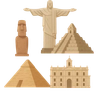
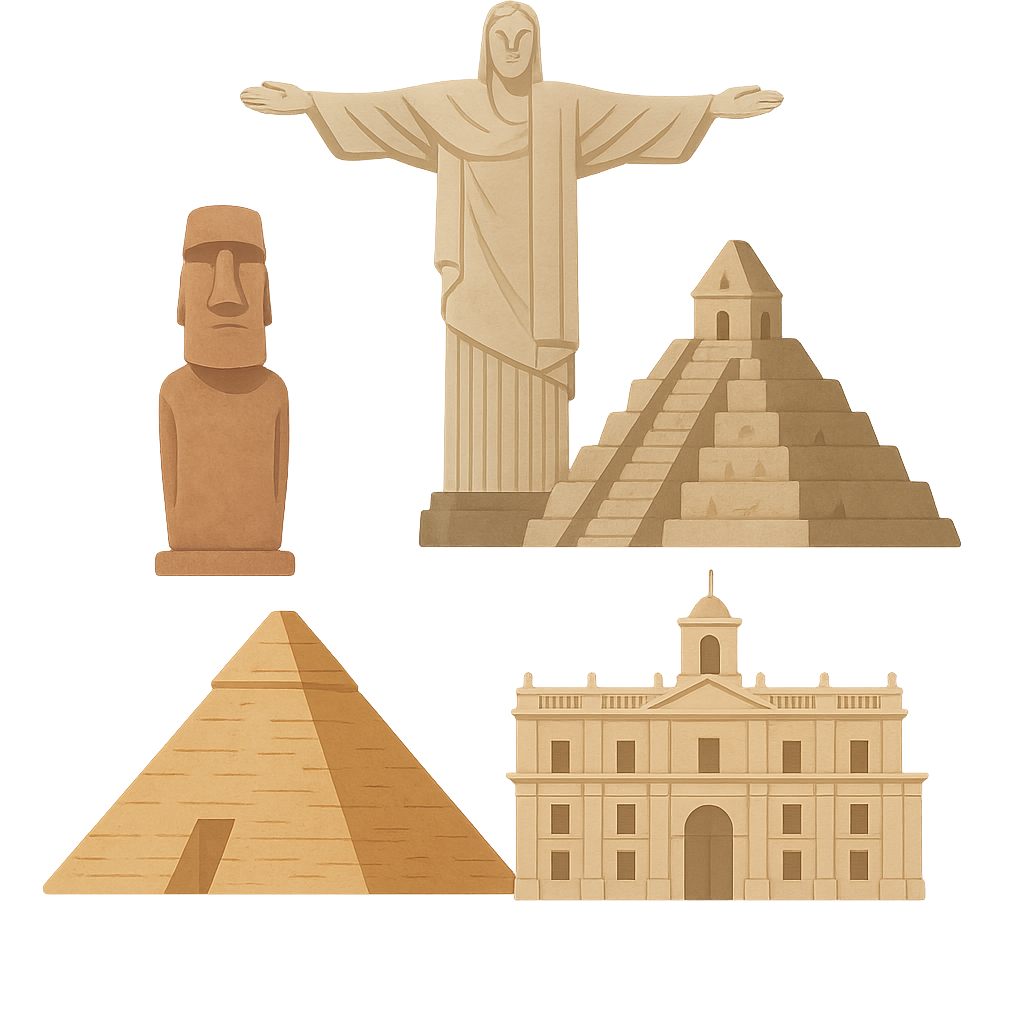
Today, my heartbeat is a fusion of ancient traditions and modern innovation. My cities are centers of art, music, and life. In Rio de Janeiro, the magnificent Christ the Redeemer statue, completed on October 12th, 1931, stretches its arms over the city. In the streets of Buenos Aires, the passionate dance of the tango tells stories of love and longing. But my greatest treasures are still found in nature. The Amazon rainforest, often called the 'lungs of the planet,' is a world of unparalleled biodiversity. The Galápagos Islands, far out in the Pacific, are home to creatures found nowhere else on Earth; it was here that a visit in 1835 helped a young naturalist named Charles Darwin form his revolutionary ideas about evolution. And in Venezuela, Angel Falls, the world's tallest waterfall, drops from a tabletop mountain like a ribbon of silver. My journey has been long and complex, filled with glory, sorrow, and resilience. I am a continent of ancient stories and future dreams, a place that invites you to listen, to learn, and to celebrate the enduring spirit of my people and the breathtaking beauty of my lands.
Wow facts
About
South America is the fourth-largest continent, known for its vast Amazon rainforest, the towering Andes Mountains, ancient civilizations like the Inca, and a vibrant blend of Indigenous, European, and African cultures.
Take a Quiz
Question 1 of 5
Retell the story of the Inca Empire as described in the text, including when they rose to power and a major structure they built.
Explore next


Want to do even more?
Go beyond exploring. Unlock tools that turn every story into real learning.

Storypie Plus for families
Full stories, quizzes, and printables. Nights and car rides, sorted.
- Unlimited audio stories
- Create Mode: your child stars in the story
- Offline downloads
- Printable worksheets & coloring pages

Why Storypie for Schools
Students engaged. Prep in seconds. Evenings back to you.
- Worksheets & Quizzes
- Classroom Management
- Formative Assessment
- Custom Curriculum & Lesson Plans
- 27 Languages

Why Storypie for Homeschool
Curriculum done. They'll ask for more. Hours back in your day.
- Worksheet Generator
- First-Person Audio Stories
- Built-in Comprehension Quizzes
- Custom Curriculum & Lesson Plans
- Print & Go Activities