English

St. Augustine, Florida
St.
Reads at Grades K-2 Listens at K–3
Print & create
Answer keys·No prep·Free with an account
28 worksheets · answer keys · full story · quiz · Ages 6-8 · CEFR A2
Plus adds 102,000+ more stories in 27 languages, audio for every one, and printables for all of them.
Just want St. Augustine, Florida?
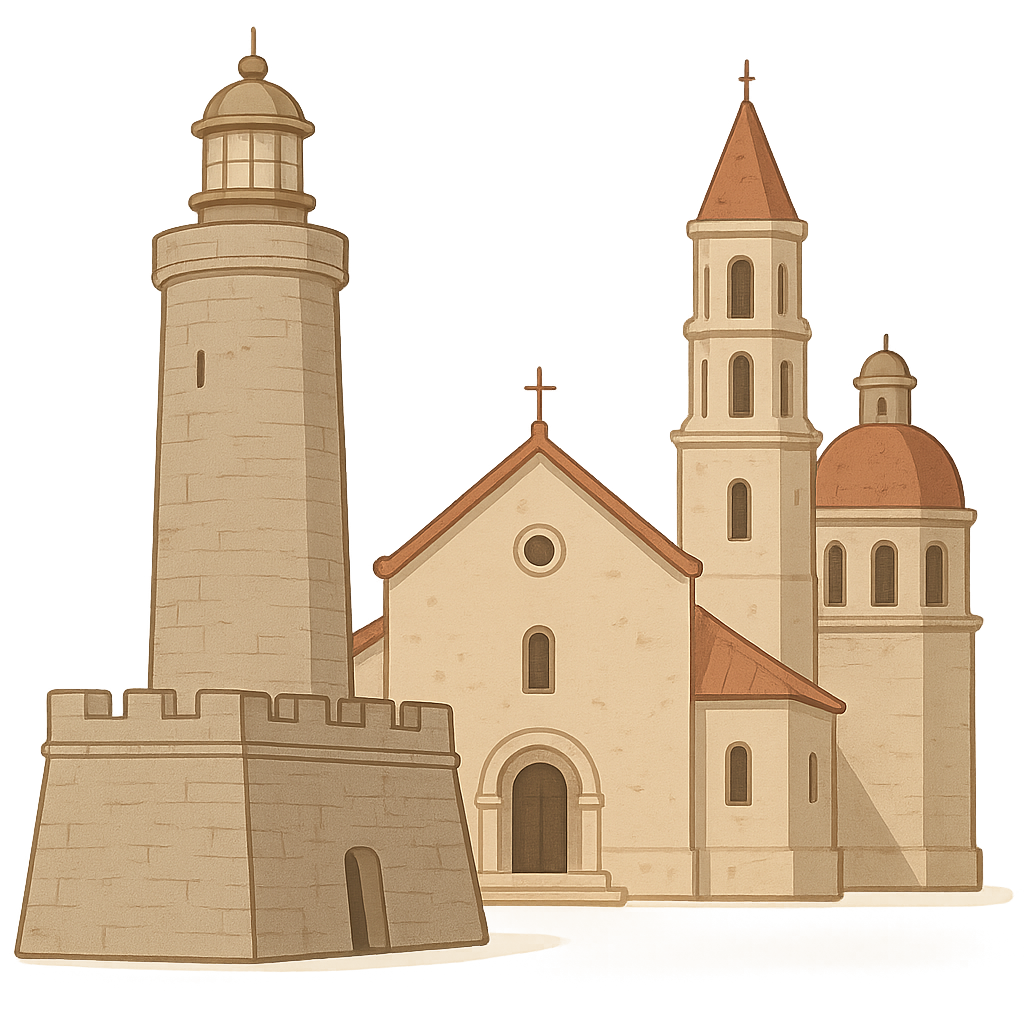
I can feel the warm sun on my streets and smell the salty air from the Atlantic Ocean. My narrow roads are made of bumpy cobblestones, and my old buildings are painted in bright colors with pretty balconies. If you walk here, you can hear the clip-clop of horses pulling carriages and the calls of seagulls flying overhead. Before you learn my name, I want you to know that I am a very special place. I am the oldest city in the United States where people have lived and played for a very, very long time. I am St. Augustine, Florida.
My story began a long, long time ago. On September 8th, 1565, a brave Spanish explorer named Pedro Menéndez de Avilés sailed across the big ocean and saw my beautiful shores. He and his crew were so happy to finally find land. He decided to start a new town here for the King of Spain and named me San Agustín, which is Spanish for St. Augustine. When the Spanish arrived, they were not the first people here. The Timucua people were already living on this land. They knew the rivers, the animals, and the best places to find food. They watched as new homes and a new way of life began to grow on their shores, changing this place forever.
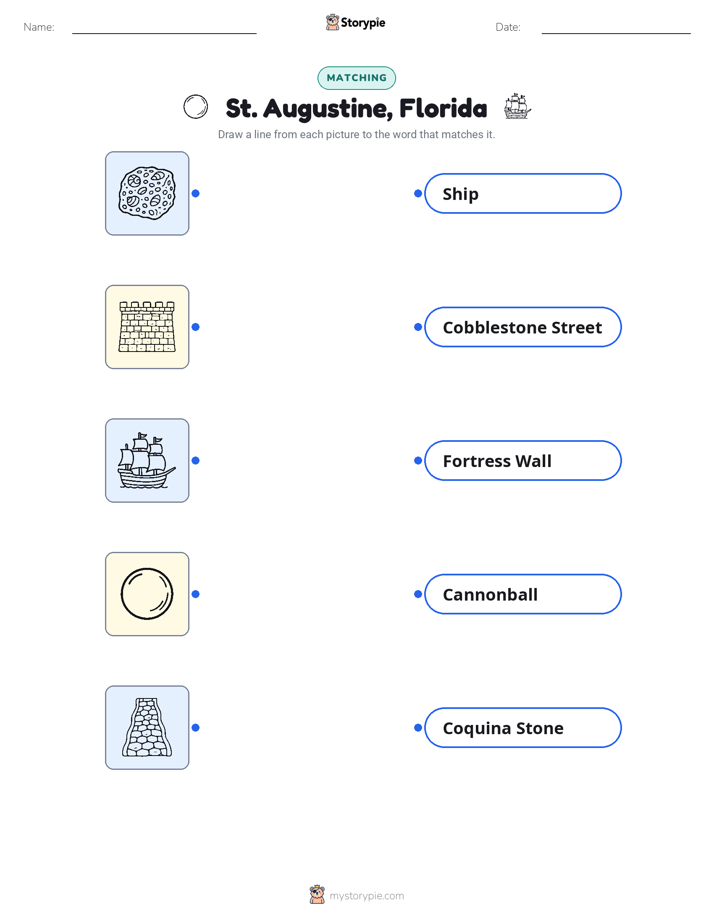
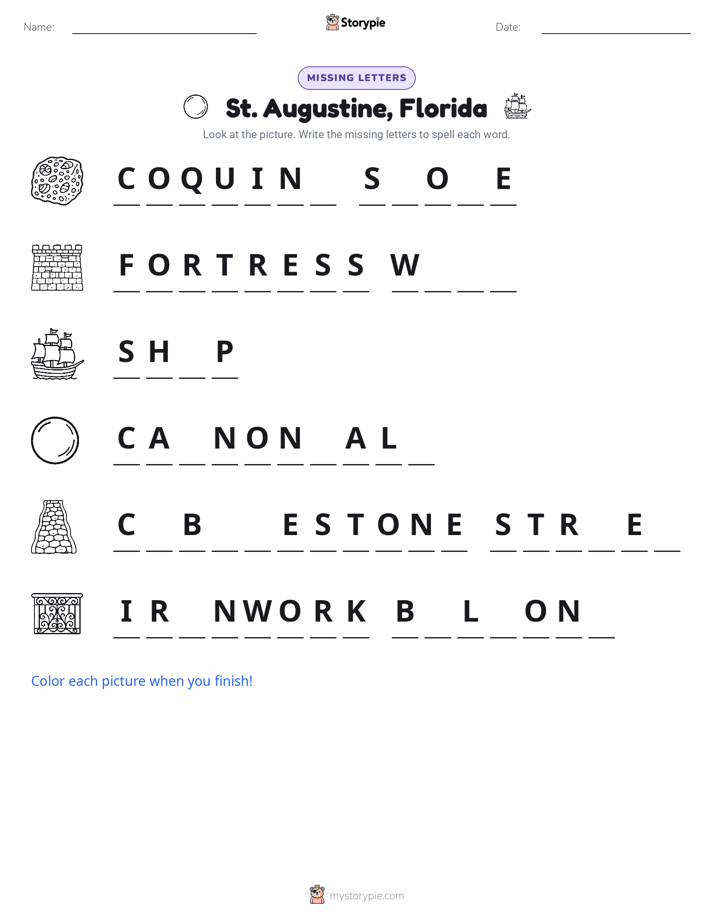
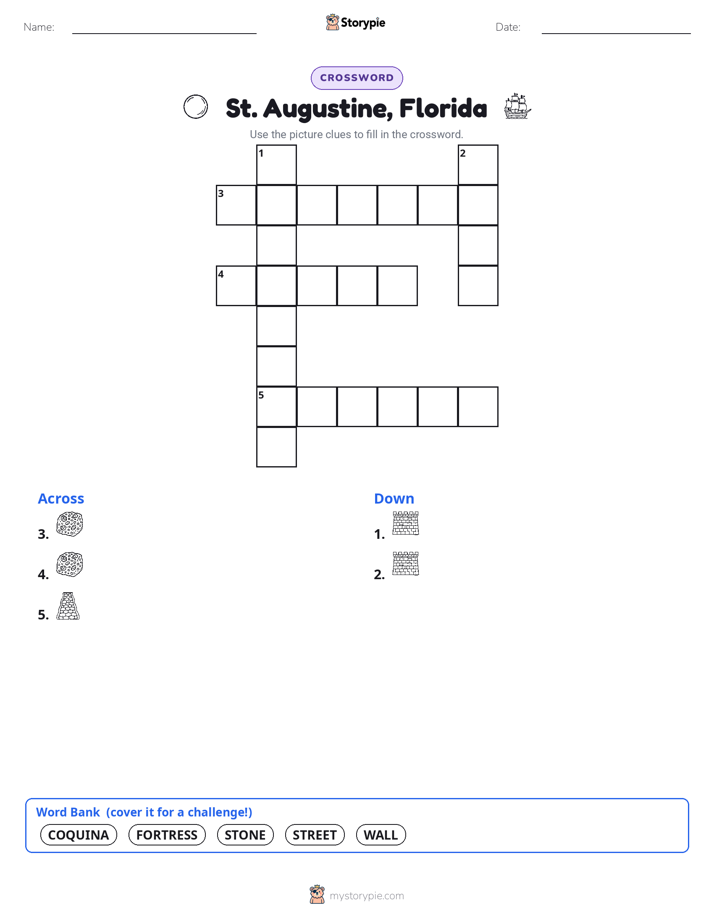
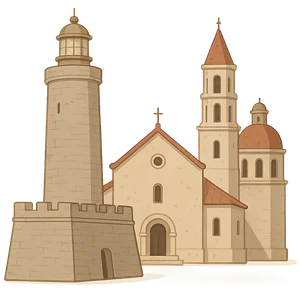
As more people came to live with me, they needed a safe place to stay, a place that could protect them from pirates and other enemies. So, they decided to build a huge, strong fort right by the water. They started building it in the year 1672. They didn't use regular bricks or wood. Instead, they used a special kind of rock called 'coquina,' which is made of tiny seashells all pressed together over many years. This shell-rock was amazing because when cannonballs from enemy ships hit the walls, they would just bounce off or get stuck inside the soft stone instead of breaking it apart. It took 23 years to finish, and in 1695, my mighty fort, the Castillo de San Marcos, was ready to protect everyone inside.
The Story of America's Oldest City
I can feel the warm sun on my streets and smell the salty air from the Atlantic Ocean. My narrow roads are made of bumpy cobblestones, and my old buildings are painted in bright colors with pretty balconies. If you walk here, you can hear the clip-clop of horses pulling carriages and the calls of seagulls flying overhead. Before you learn my name, I want you to know that I am a very special place. I am the oldest city in the United States where people have lived and played for a very, very long time. I am St. Augustine, Florida.
My story began a long, long time ago. On September 8th, 1565, a brave Spanish explorer named Pedro Menéndez de Avilés sailed across the big ocean and saw my beautiful shores. He and his crew were so happy to finally find land. He decided to start a new town here for the King of Spain and named me San Agustín, which is Spanish for St. Augustine. When the Spanish arrived, they were not the first people here. The Timucua people were already living on this land. They knew the rivers, the animals, and the best places to find food. They watched as new homes and a new way of life began to grow on their shores, changing this place forever.
As more people came to live with me, they needed a safe place to stay, a place that could protect them from pirates and other enemies. So, they decided to build a huge, strong fort right by the water. They started building it in the year 1672. They didn't use regular bricks or wood. Instead, they used a special kind of rock called 'coquina,' which is made of tiny seashells all pressed together over many years. This shell-rock was amazing because when cannonballs from enemy ships hit the walls, they would just bounce off or get stuck inside the soft stone instead of breaking it apart. It took 23 years to finish, and in 1695, my mighty fort, the Castillo de San Marcos, was ready to protect everyone inside.
Over hundreds of years, I have been a home to people from many places. First, I belonged to Spain, then to Great Britain, and then back to Spain again. Finally, I became part of America when Florida joined the United States in 1821. Today, families from all over the world come to visit me. They walk my historic streets, explore my strong fort, and listen to the stories I whisper in the sea breeze. I love sharing my history and showing everyone how a small Spanish settlement grew into a beautiful city that connects our present to a very long past. I am a reminder that stories are all around us, just waiting to be discovered.
Wow facts
About
St. Augustine, located on the northeast coast of Florida, is the oldest continuously inhabited European-established settlement in the contiguous United States, founded in 1565 by Spanish admiral Pedro Menéndez de Avilés.
Take a Quiz
Question 1 of 4
Why was the special rock called coquina good for building the fort?
Explore next






Want to do even more?
Go beyond exploring. Unlock tools that turn every story into real learning.

Storypie Plus for families
Full stories, quizzes, and printables. Nights and car rides, sorted.
- Unlimited audio stories
- Create Mode: your child stars in the story
- Offline downloads
- Printable worksheets & coloring pages

Why Storypie for Schools
Students engaged. Prep in seconds. Evenings back to you.
- Worksheets & Quizzes
- Classroom Management
- Formative Assessment
- Custom Curriculum & Lesson Plans
- 27 Languages

Why Storypie for Homeschool
Curriculum done. They'll ask for more. Hours back in your day.
- Worksheet Generator
- First-Person Audio Stories
- Built-in Comprehension Quizzes
- Custom Curriculum & Lesson Plans
- Print & Go Activities