English

Strait of Magellan
A navigable sea route in southern Chile separating mainland South America from Tierra del Fuego…
Reads at Grades K-2 Listens at K–3
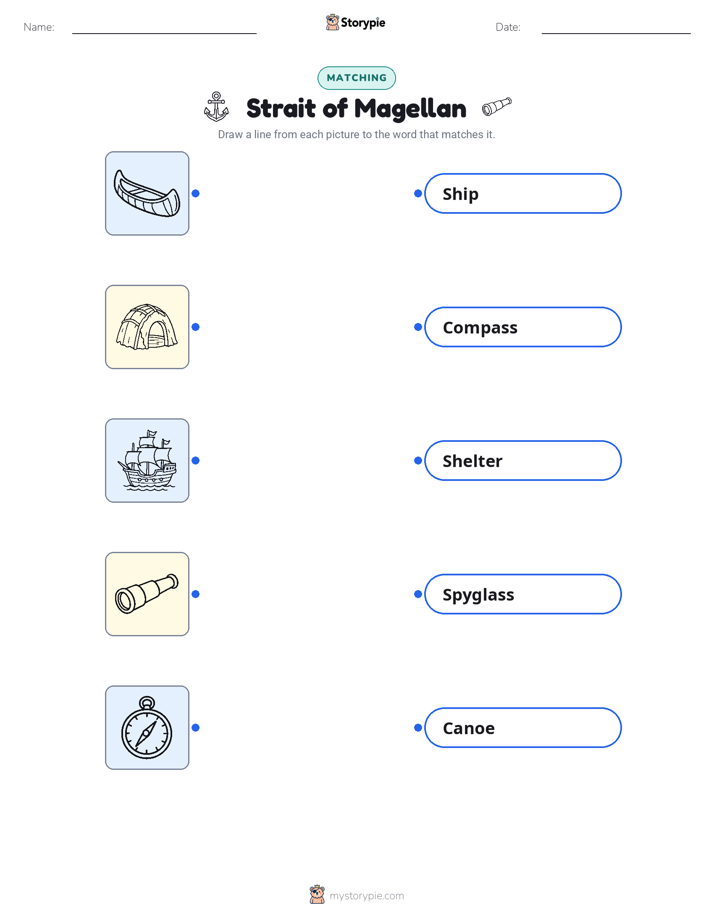
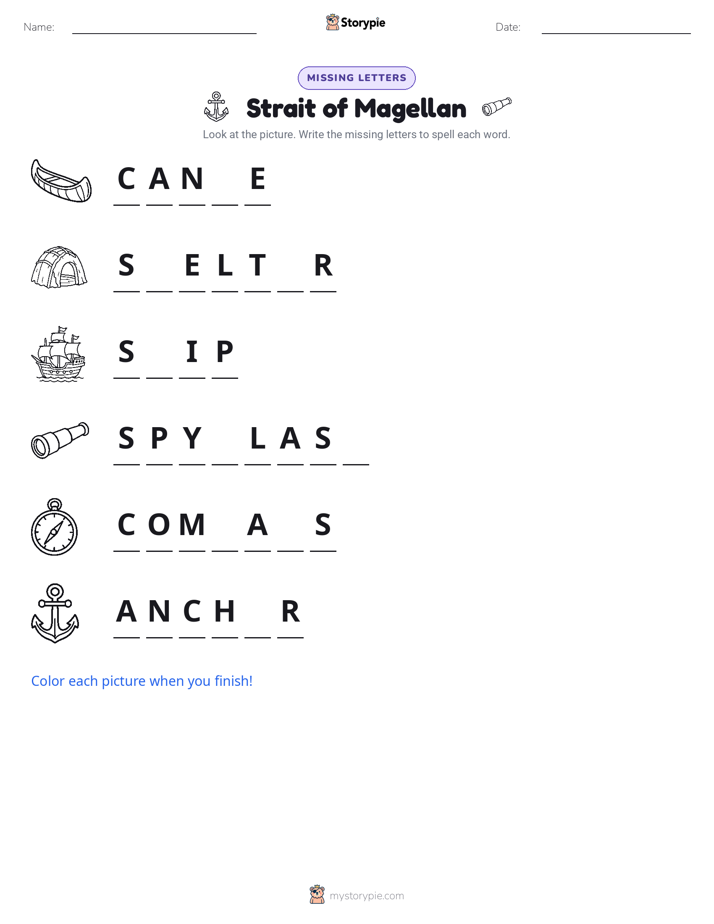
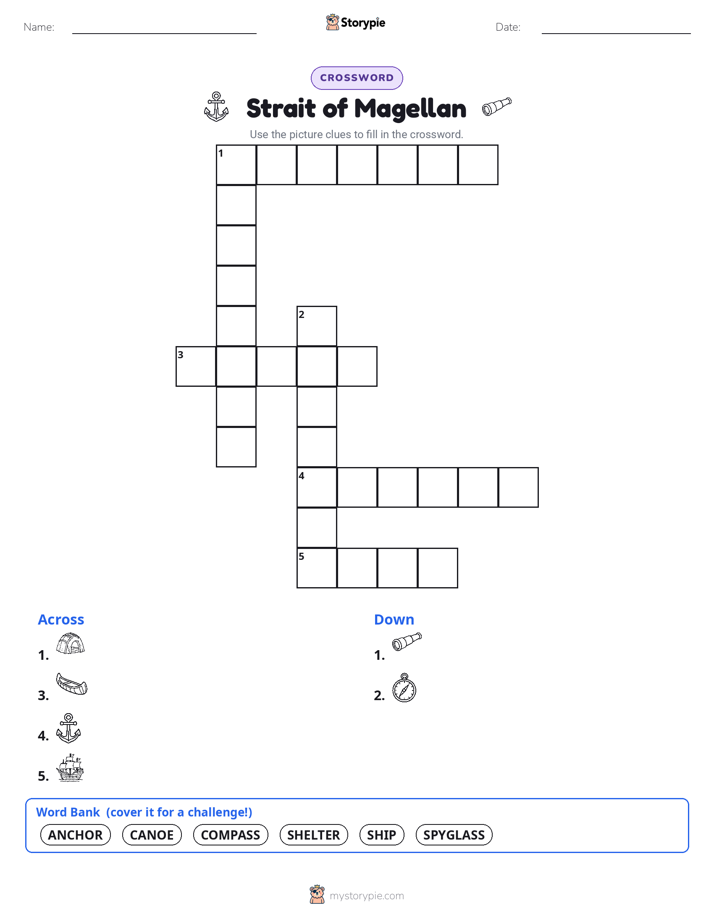
Print & create
Answer keys·No prep·Free with an account
28 worksheets · answer keys · full story · quiz · Ages 6-8 · CEFR A2
Plus adds 164,000+ more stories in 27 languages, audio for every one, and printables for all of them.
Just want Strait of Magellan?
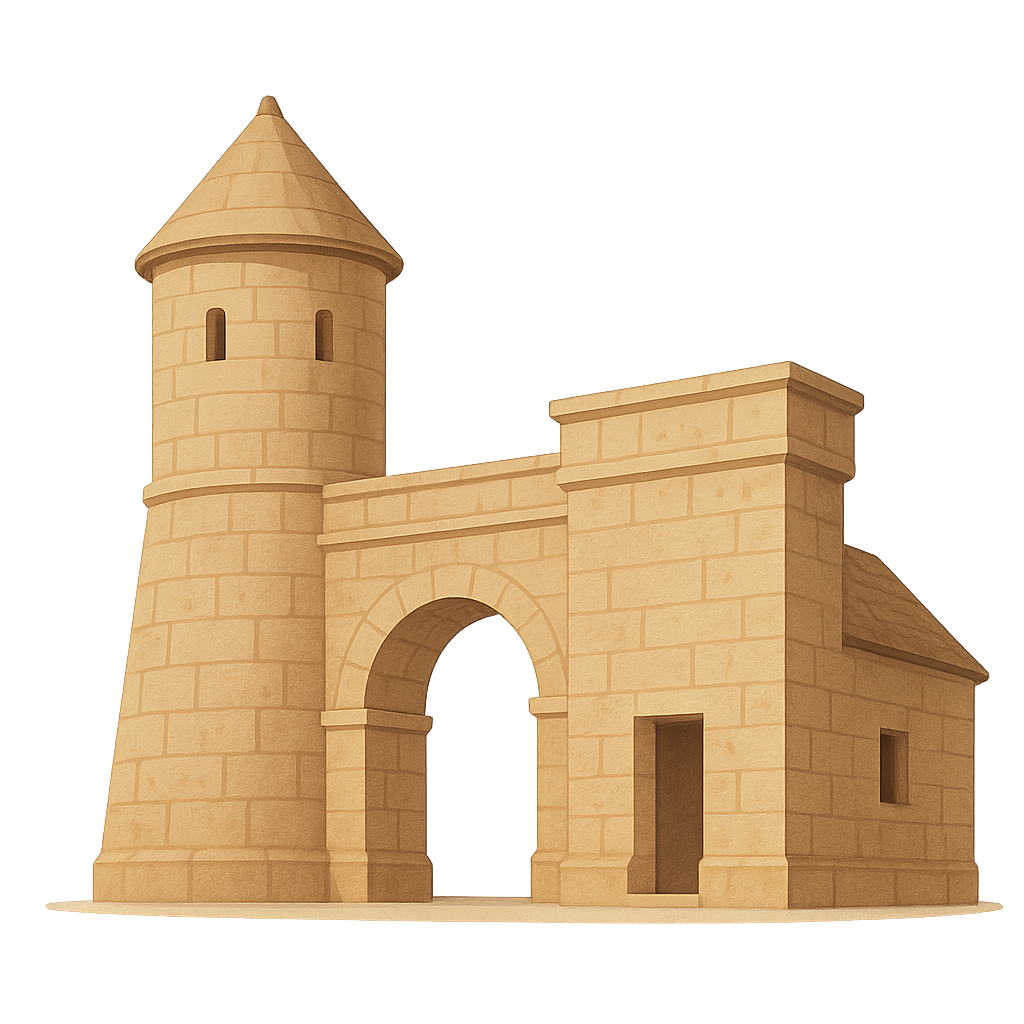
Can you feel that chilly wind that tickles your cheeks? It blows over my waters from giant, snowy mountains that touch the clouds. If you listen closely, you might hear the happy chatter of penguins waddling on my shores or the deep, gentle song of a whale swimming by. I am a twisting, turning hallway of water at the very bottom of South America, connecting two gigantic oceans. For a long, long time, I was a secret passage known only to the bravest travelers. People searched for me for years, hoping to find a way to sail from one side of the world to the other without going all the way around. I am the Strait of Magellan.
For thousands of years, I was a familiar home to Indigenous peoples, like the Kawésqar. They were expert sailors who knew my every curve and current, paddling their canoes through my chilly waters to fish and travel. They respected my power and my beauty. Then one day, everything changed. On October 21st, 1520, I saw something I had never seen before: five tall ships with huge white sails, like giant clouds floating on the water. They moved carefully into my entrance, led by a brave captain named Ferdinand Magellan. He was on a special mission for the country of Spain to find a new path to the Spice Islands, which were very far away. I watched as his sailors looked around with wide eyes, amazed by my icy cliffs and swirling waters. Their journey through me was not easy. It took them 38 days of careful sailing. I tested them with strong winds and tricky passages. But they were determined. Finally, on November 28th, 1520, the remaining ships sailed out of my western end and into a big, calm ocean. They were so happy to see its peaceful waters that they named it the Pacific Ocean, which means “peaceful.”
The Secret at the Bottom of the World
Can you feel that chilly wind that tickles your cheeks? It blows over my waters from giant, snowy mountains that touch the clouds. If you listen closely, you might hear the happy chatter of penguins waddling on my shores or the deep, gentle song of a whale swimming by. I am a twisting, turning hallway of water at the very bottom of South America, connecting two gigantic oceans. For a long, long time, I was a secret passage known only to the bravest travelers. People searched for me for years, hoping to find a way to sail from one side of the world to the other without going all the way around. I am the Strait of Magellan.
For thousands of years, I was a familiar home to Indigenous peoples, like the Kawésqar. They were expert sailors who knew my every curve and current, paddling their canoes through my chilly waters to fish and travel. They respected my power and my beauty. Then one day, everything changed. On October 21st, 1520, I saw something I had never seen before: five tall ships with huge white sails, like giant clouds floating on the water. They moved carefully into my entrance, led by a brave captain named Ferdinand Magellan. He was on a special mission for the country of Spain to find a new path to the Spice Islands, which were very far away. I watched as his sailors looked around with wide eyes, amazed by my icy cliffs and swirling waters. Their journey through me was not easy. It took them 38 days of careful sailing. I tested them with strong winds and tricky passages. But they were determined. Finally, on November 28th, 1520, the remaining ships sailed out of my western end and into a big, calm ocean. They were so happy to see its peaceful waters that they named it the Pacific Ocean, which means “peaceful.”
After Magellan’s journey, I became famous. For hundreds of years, I was the best shortcut for ships sailing between the Atlantic and Pacific oceans. Big cargo ships and brave explorers sailed through my waters, saving them so much time on their long journeys. I was a very important bridge between the two biggest oceans in the world. Then, in the year 1914, people built the Panama Canal, which was an even shorter shortcut. But that didn't mean my story was over. Today, I am still a busy and important waterway. Huge ships still pass through me, carrying goods all over the globe. Visitors come on special boats to see the amazing penguins, whales, and sea lions that live here. I am a beautiful reminder that exploration and curiosity can connect the world. There is always a new path to discover if you are brave enough to look for it.
Wow facts
About
A navigable sea route in southern Chile separating mainland South America from Tierra del Fuego, historically significant as the first natural passage discovered between the Atlantic and Pacific Oceans.
Take a Quiz
Question 1 of 4
Why was the Strait of Magellan an important discovery for sailors?
Explore next



Want to do even more?
Go beyond exploring. Unlock tools that turn every story into real learning.

Storypie Plus for families
Full stories, quizzes, and printables. Nights and car rides, sorted.
- Unlimited audio stories
- Create Mode: your child stars in the story
- Offline downloads
- Printable worksheets & coloring pages

Why Storypie for Schools
Students engaged. Prep in seconds. Evenings back to you.
- Worksheets & Quizzes
- Classroom Management
- Formative Assessment
- Custom Curriculum & Lesson Plans
- 27 Languages

Why Storypie for Homeschool
Curriculum done. They'll ask for more. Hours back in your day.
- Worksheet Generator
- First-Person Audio Stories
- Built-in Comprehension Quizzes
- Custom Curriculum & Lesson Plans
- Print & Go Activities