English

Tenochtitlan
The magnificent island capital of the Aztec Empire, located on Lake Texcoco…
Reads at Grades 3–5 Listens at Grades 1–5
Print & create
Answer keys·No prep·Free with an account
28 worksheets · answer keys · full story · quiz · Ages 8-10 · CEFR B1
Plus adds 164,000+ more stories in 27 languages, audio for every one, and printables for all of them.
Just want Tenochtitlan?
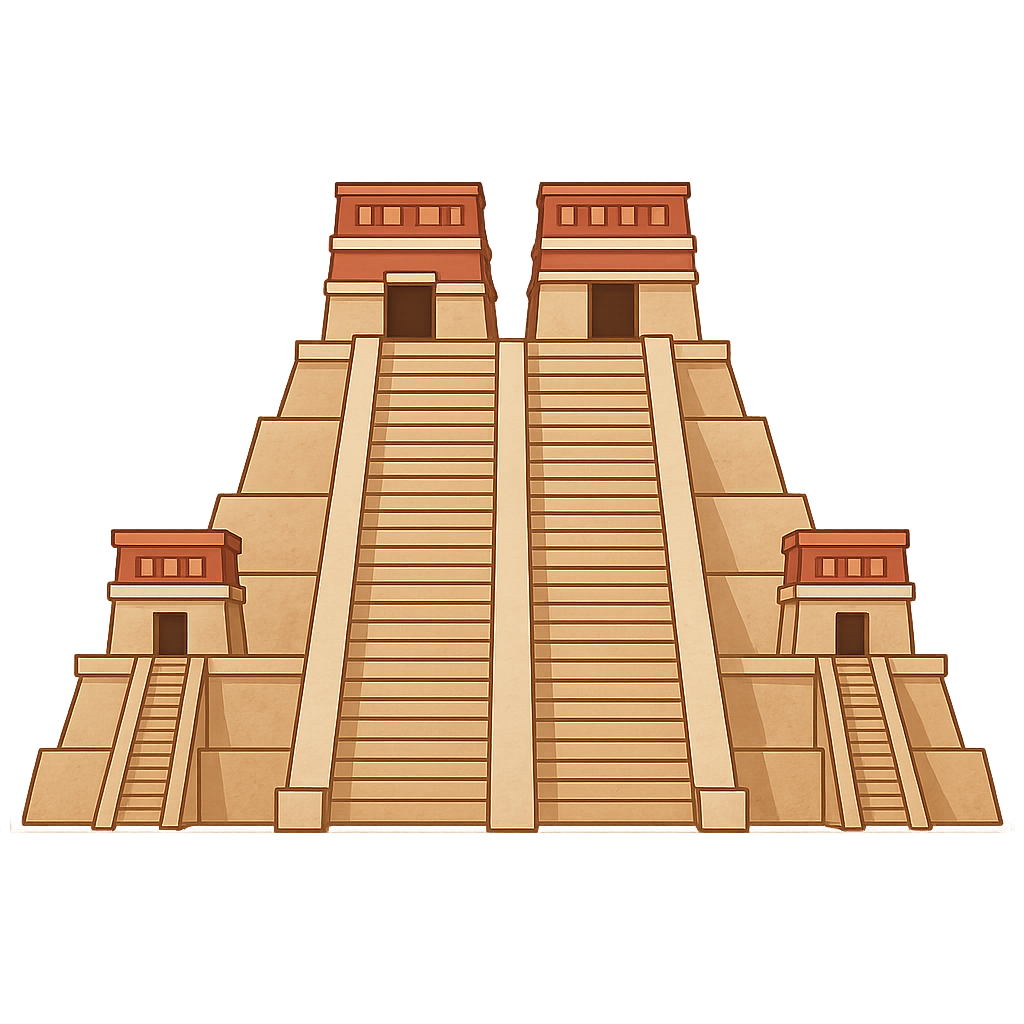
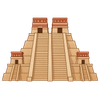
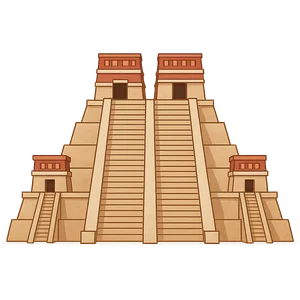
Imagine a city that floats on water, cradled by a ring of tall, watchful mountains. Instead of dusty roads, shimmering canals crisscross between homes and temples, with canoes painted in bright colors gliding by, filled with flowers, corn, and chilies. In this city, gardens don't just grow on land; they float on the water itself, creating green patches of life on the sparkling blue lake. At the very center of it all, magnificent pyramids with two temples at their peak reach up as if to touch the clouds. This was my world, a wonder built on a lake. I am Tenochtitlan, the magnificent capital of the Mexica people.
My story begins with a long journey and a special promise. For many years, the Mexica people wandered through the lands, searching for a sign from their most important god, Huitzilopochtli. He had told them they would know their true home when they saw a powerful eagle perched on a prickly pear cactus, holding a snake in its beak. This was a very specific prophecy, and they looked for it everywhere they went. They searched for generations, never giving up hope. Then, one incredible day, around the year 1325 CE, they found it. On a small, swampy island in the middle of a vast lake called Lake Texcoco, there was the eagle, the cactus, and the snake. Their hearts filled with joy and relief. Their long search was over. This was the place the gods had chosen, and here, on this soggy patch of land, they would build their home.
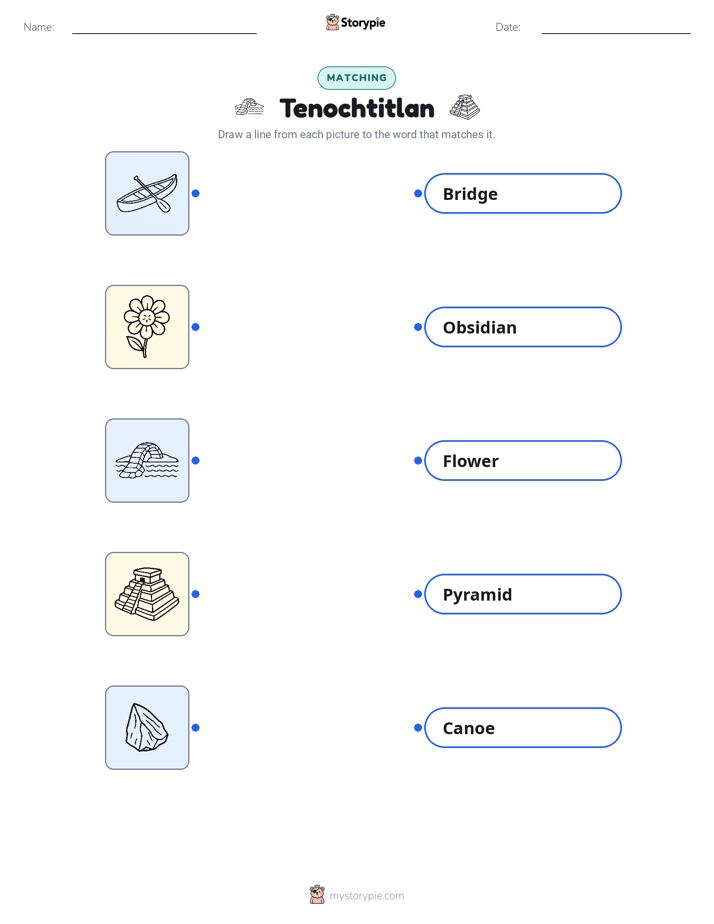
Building a city on a swampy island was not easy, but the Mexica people were brilliant engineers. They showed incredible ingenuity. To connect me to the mainland, they built three wide causeways, which were like strong, solid bridges raised above the water. To grow food, they created something amazing called 'chinampas,' or floating gardens. They wove giant reed mats, piled them with rich mud from the lakebed, and planted trees at the corners to anchor them. On these man-made islands, they grew everything they needed. My streets were canals, and my heart was the Sacred Precinct. Here stood the Templo Mayor, a massive twin pyramid dedicated to their gods. Nearby, the Tlatelolco market buzzed with energy. It was one of the largest markets in the world, where tens of thousands of people came to trade colorful feathers, sparkling jewels, and delicious foods. By the early 1500s, I was one of the biggest and most organized cities on the entire planet.
The City on the Lake
Imagine a city that floats on water, cradled by a ring of tall, watchful mountains. Instead of dusty roads, shimmering canals crisscross between homes and temples, with canoes painted in bright colors gliding by, filled with flowers, corn, and chilies. In this city, gardens don't just grow on land; they float on the water itself, creating green patches of life on the sparkling blue lake. At the very center of it all, magnificent pyramids with two temples at their peak reach up as if to touch the clouds. This was my world, a wonder built on a lake. I am Tenochtitlan, the magnificent capital of the Mexica people.
My story begins with a long journey and a special promise. For many years, the Mexica people wandered through the lands, searching for a sign from their most important god, Huitzilopochtli. He had told them they would know their true home when they saw a powerful eagle perched on a prickly pear cactus, holding a snake in its beak. This was a very specific prophecy, and they looked for it everywhere they went. They searched for generations, never giving up hope. Then, one incredible day, around the year 1325 CE, they found it. On a small, swampy island in the middle of a vast lake called Lake Texcoco, there was the eagle, the cactus, and the snake. Their hearts filled with joy and relief. Their long search was over. This was the place the gods had chosen, and here, on this soggy patch of land, they would build their home.
Building a city on a swampy island was not easy, but the Mexica people were brilliant engineers. They showed incredible ingenuity. To connect me to the mainland, they built three wide causeways, which were like strong, solid bridges raised above the water. To grow food, they created something amazing called 'chinampas,' or floating gardens. They wove giant reed mats, piled them with rich mud from the lakebed, and planted trees at the corners to anchor them. On these man-made islands, they grew everything they needed. My streets were canals, and my heart was the Sacred Precinct. Here stood the Templo Mayor, a massive twin pyramid dedicated to their gods. Nearby, the Tlatelolco market buzzed with energy. It was one of the largest markets in the world, where tens of thousands of people came to trade colorful feathers, sparkling jewels, and delicious foods. By the early 1500s, I was one of the biggest and most organized cities on the entire planet.
Then one day, in the year 1519, everything began to change. Strangers arrived from across the great eastern sea, sailing in ships that looked like floating mountains. These men were from Spain, and their leader was a man named Hernán Cortés. On November 8th, 1519, my ruler, the great Moctezuma II, welcomed them into the city. I can still remember the wonder in everyone's eyes. The Mexica people had never seen men with pale skin and metal armor, nor had they ever seen horses. The Spanish soldiers, in turn, were speechless at the sight of my floating gardens, my clean, wide causeways, and my towering pyramids. It was as if two different worlds had met for the very first time, and this meeting would change my story forever.
That meeting led to a terrible conflict, and on August 13th, 1521, my great pyramids and beautiful buildings were mostly destroyed. It was a time of great sadness. But my spirit was not broken. The story did not end there. A new city, Mexico City, was built right on top of my foundations, using some of my very own stones. My heart still beats beneath the modern streets. Today, if you visit the center of Mexico City, you can see the uncovered ruins of my Templo Mayor and walk among my ancient stones. And if you look at the flag of Mexico, you will see the eagle on the cactus, devouring the snake. It is a powerful reminder of my incredible beginning and of the creative, hardworking Mexica people who built a world of wonder on a lake.
Wow facts
About
The magnificent island capital of the Aztec Empire, located on Lake Texcoco, which is now the site of modern Mexico City.
Take a Quiz
Question 1 of 5
Why do you think the Mexica people felt joyful when they saw the eagle on the cactus?
Explore next


Want to do even more?
Go beyond exploring. Unlock tools that turn every story into real learning.

Storypie Plus for families
Full stories, quizzes, and printables. Nights and car rides, sorted.
- Unlimited audio stories
- Create Mode: your child stars in the story
- Offline downloads
- Printable worksheets & coloring pages

Why Storypie for Schools
Students engaged. Prep in seconds. Evenings back to you.
- Worksheets & Quizzes
- Classroom Management
- Formative Assessment
- Custom Curriculum & Lesson Plans
- 27 Languages

Why Storypie for Homeschool
Curriculum done. They'll ask for more. Hours back in your day.
- Worksheet Generator
- First-Person Audio Stories
- Built-in Comprehension Quizzes
- Custom Curriculum & Lesson Plans
- Print & Go Activities