English

Safe Water
Safe water, also known as potable water, is water that is free from harmful microorganisms, chemicals…
Reads at Grades 6–8 Listens at Grades 4–8
Print & create
Answer keys·No prep·Free with an account
28 worksheets · answer keys · full story · quiz · Ages 10-12 · CEFR B2
Plus adds 280,000+ more stories in 27 languages, audio for every one, and printables for all of them.
Just want Safe Water?
When we talk about 'safe water,' we mean water that is completely free from harmful germs, like bacteria and viruses, and dangerous chemicals. Our bodies are over 60% water, so we need it for everything from thinking clearly to digesting food. Drinking unsafe water can lead to serious illnesses like cholera or dysentery, which can feel like the worst stomach flu you've ever had. In many parts of the world, finding safe, clean water is a daily challenge, and it's one of the most important parts of keeping a whole community healthy.
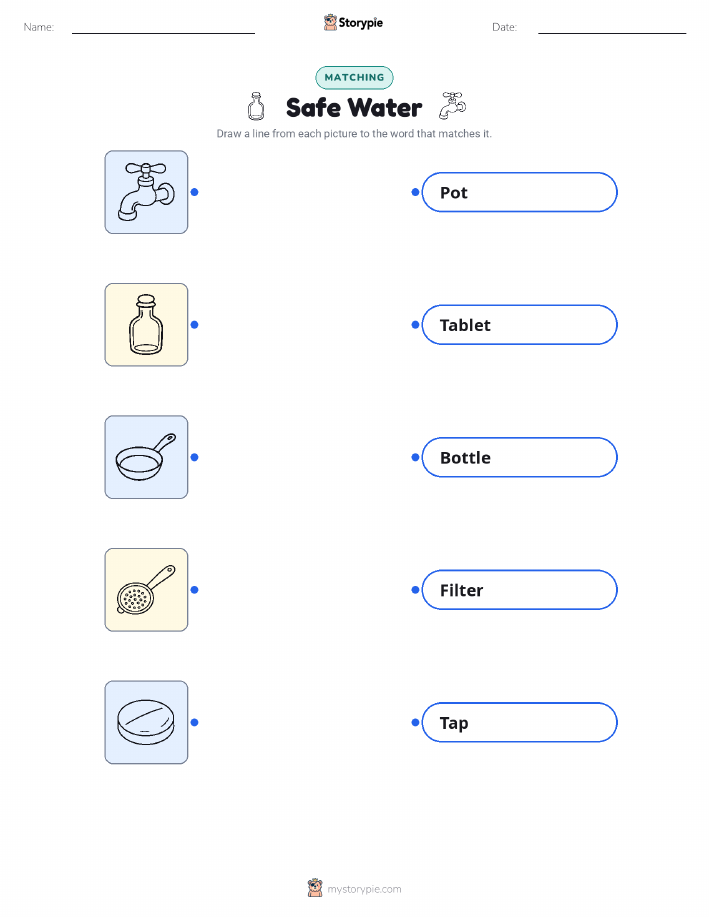
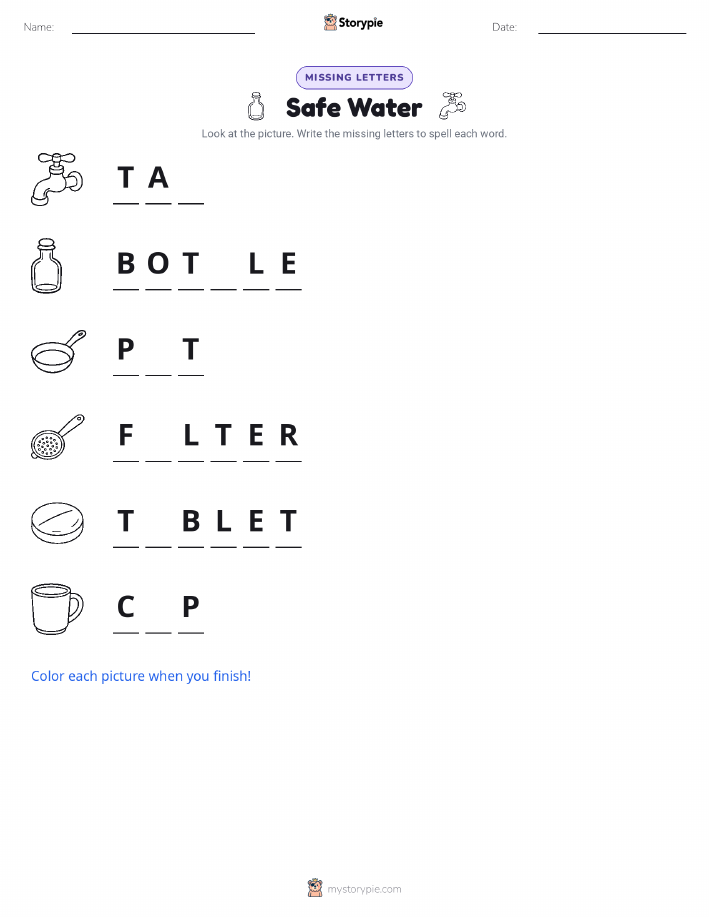
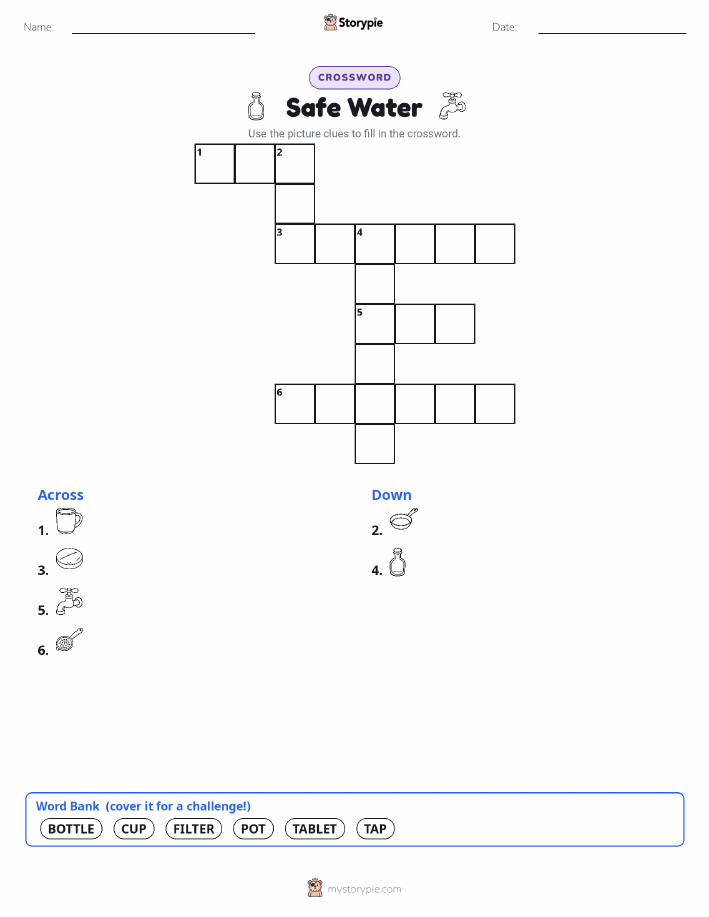
In many places, the water from a tap is already treated at a special plant to make it safe, but what if we are camping or in an emergency? The most reliable method is boiling. First, we bring the water to a rolling boil—where we see big bubbles constantly rising to the surface—and keep it boiling for at least one full minute. This heat kills almost all the tiny organisms that can make us sick. Another way is filtration. We can think of it as a super-fine strainer that's so small it can catch germs. There are portable water filters that we can pump water through, which is great for hiking. Finally, there's disinfection using special purification tablets. After filtering out any dirt, we drop a tablet in and wait about 30 minutes. The chemicals in the tablet will have neutralized any remaining germs. These steps ensure that the water we drink will help our bodies, not harm them.
Understanding how to get safe water isn't just a survival skill; it's about global health and appreciating a resource we might take for granted. Access to clean water allows kids to attend school instead of being sick or spending hours fetching water. It lets communities build healthy economies and prevent the spread of disease. For all of us, it means we can stay hydrated and healthy whether we are playing sports, traveling to a new place, or just drinking a glass of water from the kitchen. Knowing what makes water safe empowers us to protect our own health and understand a critical challenge that scientists, engineers, and health workers are solving around the world.
A Story About Safe Water
When we talk about 'safe water,' we mean water that is completely free from harmful germs, like bacteria and viruses, and dangerous chemicals. Our bodies are over 60% water, so we need it for everything from thinking clearly to digesting food. Drinking unsafe water can lead to serious illnesses like cholera or dysentery, which can feel like the worst stomach flu you've ever had. In many parts of the world, finding safe, clean water is a daily challenge, and it's one of the most important parts of keeping a whole community healthy.
In many places, the water from a tap is already treated at a special plant to make it safe, but what if we are camping or in an emergency? The most reliable method is boiling. First, we bring the water to a rolling boil—where we see big bubbles constantly rising to the surface—and keep it boiling for at least one full minute. This heat kills almost all the tiny organisms that can make us sick. Another way is filtration. We can think of it as a super-fine strainer that's so small it can catch germs. There are portable water filters that we can pump water through, which is great for hiking. Finally, there's disinfection using special purification tablets. After filtering out any dirt, we drop a tablet in and wait about 30 minutes. The chemicals in the tablet will have neutralized any remaining germs. These steps ensure that the water we drink will help our bodies, not harm them.
Understanding how to get safe water isn't just a survival skill; it's about global health and appreciating a resource we might take for granted. Access to clean water allows kids to attend school instead of being sick or spending hours fetching water. It lets communities build healthy economies and prevent the spread of disease. For all of us, it means we can stay hydrated and healthy whether we are playing sports, traveling to a new place, or just drinking a glass of water from the kitchen. Knowing what makes water safe empowers us to protect our own health and understand a critical challenge that scientists, engineers, and health workers are solving around the world.
Wow facts
About
Safe water, also known as potable water, is water that is free from harmful microorganisms, chemicals, and radiological hazards, making it safe for human consumption and use in hygiene without risk to health.
Take a Quiz
Question 1 of 5
In your own words, what are the three main methods for making water safe to drink described in the story?
Explore next



Want to do even more?
Go beyond exploring. Unlock tools that turn every story into real learning.

Storypie Plus for families
Full stories, quizzes, and printables. Nights and car rides, sorted.
- Unlimited audio stories
- Create Mode: your child stars in the story
- Offline downloads
- Printable worksheets & coloring pages

Why Storypie for Schools
Students engaged. Prep in seconds. Evenings back to you.
- Worksheets & Quizzes
- Classroom Management
- Formative Assessment
- Custom Curriculum & Lesson Plans
- 27 Languages

Why Storypie for Homeschool
Curriculum done. They'll ask for more. Hours back in your day.
- Worksheet Generator
- First-Person Audio Stories
- Built-in Comprehension Quizzes
- Custom Curriculum & Lesson Plans
- Print & Go Activities