English

Handwashing
Handwashing, which is a part of hand hygiene…
Reads at Grades 3–5 Listens at Grades 1–5
Print & create
Answer keys·No prep·Free with an account
28 worksheets · answer keys · full story · quiz · Ages 8-10 · CEFR B1
Plus adds 279,000+ more stories in 27 languages, audio for every one, and printables for all of them.
Just want Handwashing?
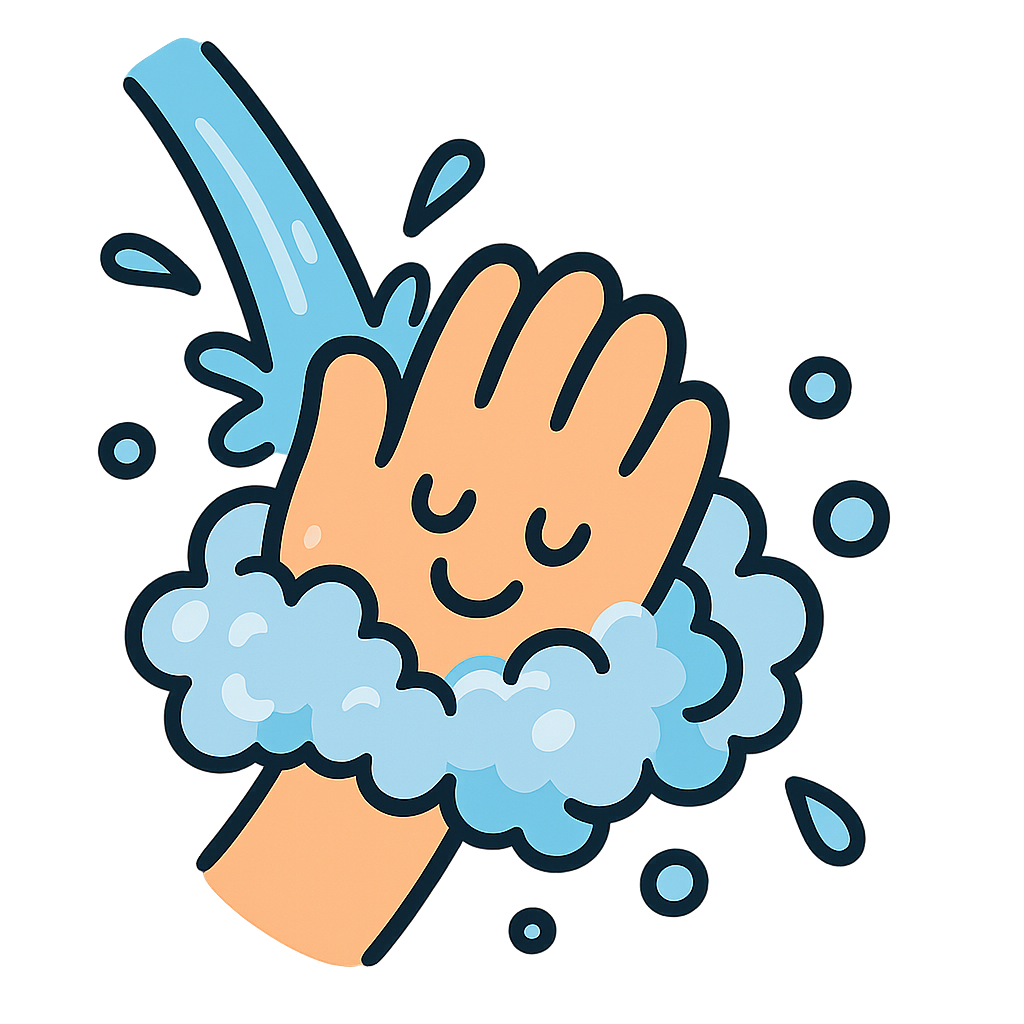
I learned that all around me is an invisible world of tiny living things called germs, which include bacteria and viruses. While most of them are harmless, some can make me sick if they get inside my body. I think of handwashing as my simple but powerful way to protect myself. It works by washing these germs away before they can cause any trouble. For example, when I play outside and get dirt on my hands, I know that even after I wipe the dirt off, invisible germs can still be left behind.
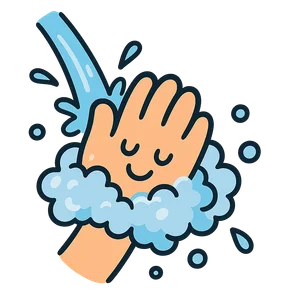
I have a special method for washing my hands that helps me fight germs anytime. First, I turn on the water to a warm, comfortable temperature and get my hands wet. Then, I add soap and rub my hands together to create a lot of bubbles and lather. I learned that soap is special because it traps germs and lifts them off my skin. I make sure to scrub everywhere for at least 20 seconds, including the fronts, the backs, between my fingers, and under my nails. A fun way I time it is by singing the 'Happy Birthday' song twice in my head. After scrubbing, I rinse all the soap and germs away under the clean, running water. My final step is to dry my hands completely with a clean towel, because germs have a harder time growing on dry skin.
Knowing when to wash my hands is just as important as knowing how. I have a daily checklist in my mind. It’s crucial for me to wash my hands before I eat or help make food, so I don’t accidentally eat germs along with my meal. I always wash my hands after using the bathroom, as this is a key way to stop germs from spreading. If I cough, sneeze, or blow my nose, I wash my hands right after to remove any germs that came out. I also make it a habit to wash up after playing outside or petting my dog to get rid of any dirt and germs I might have picked up.
My Superpower Against Germs
I learned that all around me is an invisible world of tiny living things called germs, which include bacteria and viruses. While most of them are harmless, some can make me sick if they get inside my body. I think of handwashing as my simple but powerful way to protect myself. It works by washing these germs away before they can cause any trouble. For example, when I play outside and get dirt on my hands, I know that even after I wipe the dirt off, invisible germs can still be left behind.
I have a special method for washing my hands that helps me fight germs anytime. First, I turn on the water to a warm, comfortable temperature and get my hands wet. Then, I add soap and rub my hands together to create a lot of bubbles and lather. I learned that soap is special because it traps germs and lifts them off my skin. I make sure to scrub everywhere for at least 20 seconds, including the fronts, the backs, between my fingers, and under my nails. A fun way I time it is by singing the 'Happy Birthday' song twice in my head. After scrubbing, I rinse all the soap and germs away under the clean, running water. My final step is to dry my hands completely with a clean towel, because germs have a harder time growing on dry skin.
Knowing when to wash my hands is just as important as knowing how. I have a daily checklist in my mind. It’s crucial for me to wash my hands before I eat or help make food, so I don’t accidentally eat germs along with my meal. I always wash my hands after using the bathroom, as this is a key way to stop germs from spreading. If I cough, sneeze, or blow my nose, I wash my hands right after to remove any germs that came out. I also make it a habit to wash up after playing outside or petting my dog to get rid of any dirt and germs I might have picked up.
I found out that a long time ago, people didn’t know that invisible germs could make them sick. A Hungarian doctor named Ignaz Semmelweis noticed that many mothers in hospitals were getting sick after giving birth. He had an idea that doctors were carrying something invisible on their hands from one patient to another. He asked all the doctors to start washing their hands with a special cleaning solution. Almost immediately, far fewer people got sick. His discovery proved that handwashing is one of the most important tools in medicine and health.
Today, I know that Dr. Semmelweis was right. Handwashing is one of the best and easiest ways I can keep myself and others from getting sick with colds, the flu, and other illnesses. It doesn't require any special equipment—just soap, water, and a few seconds of my time. By making handwashing a regular habit, I am taking an active role in keeping my body healthy and strong. I also help protect my family, friends, and community, too.
Wow facts
About
Handwashing, which is a part of hand hygiene, is the act of cleaning one's hands with soap and water to remove soil, dirt, and microorganisms.
Take a Quiz
Question 1 of 5
According to the story, what is a good way to time yourself for 20 seconds while washing your hands?
Explore next




Want to do even more?
Go beyond exploring. Unlock tools that turn every story into real learning.

Storypie Plus for families
Full stories, quizzes, and printables. Nights and car rides, sorted.
- Unlimited audio stories
- Create Mode: your child stars in the story
- Offline downloads
- Printable worksheets & coloring pages

Why Storypie for Schools
Students engaged. Prep in seconds. Evenings back to you.
- Worksheets & Quizzes
- Classroom Management
- Formative Assessment
- Custom Curriculum & Lesson Plans
- 27 Languages

Why Storypie for Homeschool
Curriculum done. They'll ask for more. Hours back in your day.
- Worksheet Generator
- First-Person Audio Stories
- Built-in Comprehension Quizzes
- Custom Curriculum & Lesson Plans
- Print & Go Activities