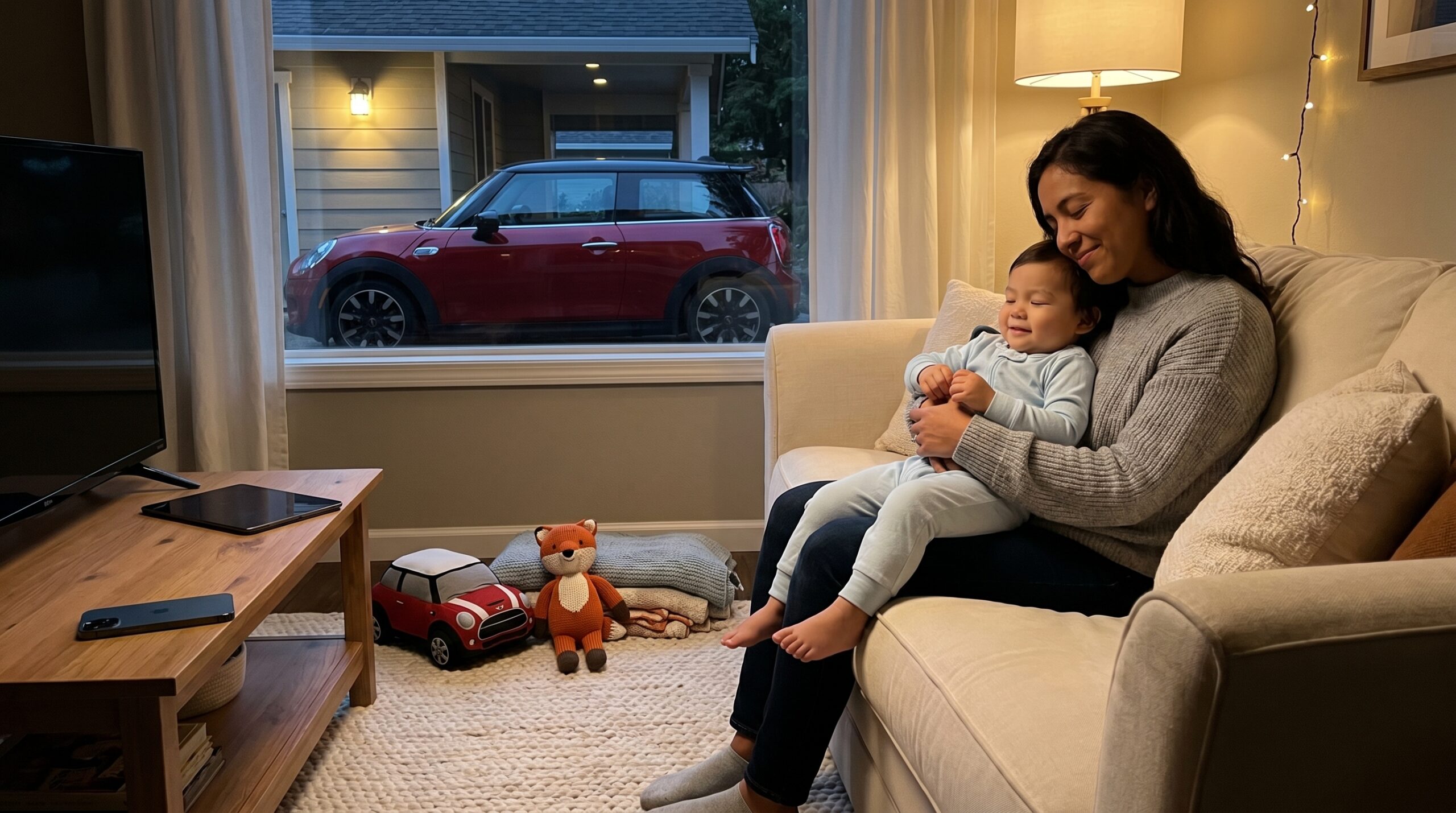
Bedtime wind-down mini story ritual helps children end the day with calm and predictability. In short, this ritual is a short, repeatable storytelling moment. It usually lasts two to ten minutes and feels like a gentle tuck-in. A recent 2025 study found that 71% of parents agreed that storytelling helps their children wind down at bedtime, with 49% naming it their preferred method.
What is a bedtime wind-down mini story ritual?
The bedtime wind-down mini story ritual is a compact nightly routine. It uses a brief story to signal the day is closing. Often, families repeat the same ending or phrase. As a result, children learn to expect rest. In many homes, the ritual becomes a cozy, comforting cue. A 2025 survey indicated that 90% of parents of 1–6-year-olds reported having a bedtime routine for their child, with 67% including reading bedtime stories.
Core characteristics
- Short length. Most mini stories run two to ten minutes.
- Predictable pattern. Repetition helps anchor the routine.
- Low stimulation. Soft sound and steady pacing are common.
- Consistent timing. The same time and place each night reinforce the cue.
Why families choose this ritual
Parents and teachers pick the bedtime wind-down mini story ritual for many reasons. First, it supports sleep onset and longer rest. A large multinational study found a dose-dependent association between frequency of a nightly bedtime routine and better sleep outcomes, including fewer night wakings and increased total sleep. Second, it strengthens listening skills and vocabulary. Also, it gives children a sense of safety and connection. Moreover, short rituals fit busy schedules and still carry benefits. Additionally, a two-week bibliotherapy intervention showed statistically significant reductions in parent-rated ‘fear when sleeping’ and night wakings requiring parental attention, highlighting the calming effects of this routine.
Common formats and voice choices
Formats vary by family. Live reading keeps the moment personal. Recorded voices from a parent or grandparent preserve familiarity when caregivers travel. Additionally, narrated tracks from Storypie provide ready-made short tales. In each format, calm delivery matters most.
Age patterns and typical lengths
Different ages favor different lengths. Infants often respond best to one to three minute lullaby-like pieces. Toddlers like short, repeating refrains. Preschoolers enjoy three to seven minute tales with simple beats. Early school-age children can handle five to ten minute compact stories. Across ages, consistency matters more than length. Research from a 2026 study found that a two-week nightly bedtime reading routine improved empathy and creativity in children aged 6–8, showing significant gains in cognitive empathy and creative fluency.
Everyday traits of the ritual
The bedtime wind-down mini story ritual tends to be predictable and sensory-friendly. Families often dim lights and lower noise. They favor soft textures and a small set of ritual items. In many homes, a dedicated spot and the same short tale become beloved parts of nightly life.
Where to find short tales
Storypie keeps a collection of cozy, brief tracks designed for this ritual. For example, try a focused bedtime collection on the Storypie bedtime page or browse quick tales on the Storypie home page. These options make it easy to add a consistent, calming moment to your evenings.
Finally, the bedtime wind-down mini story ritual is small but powerful. It tucks the day in, builds language, and creates a reassuring end-of-day cue for children. For gentle ideas and short selections, visit the Storypie bedtime collection or the Storypie home page.