
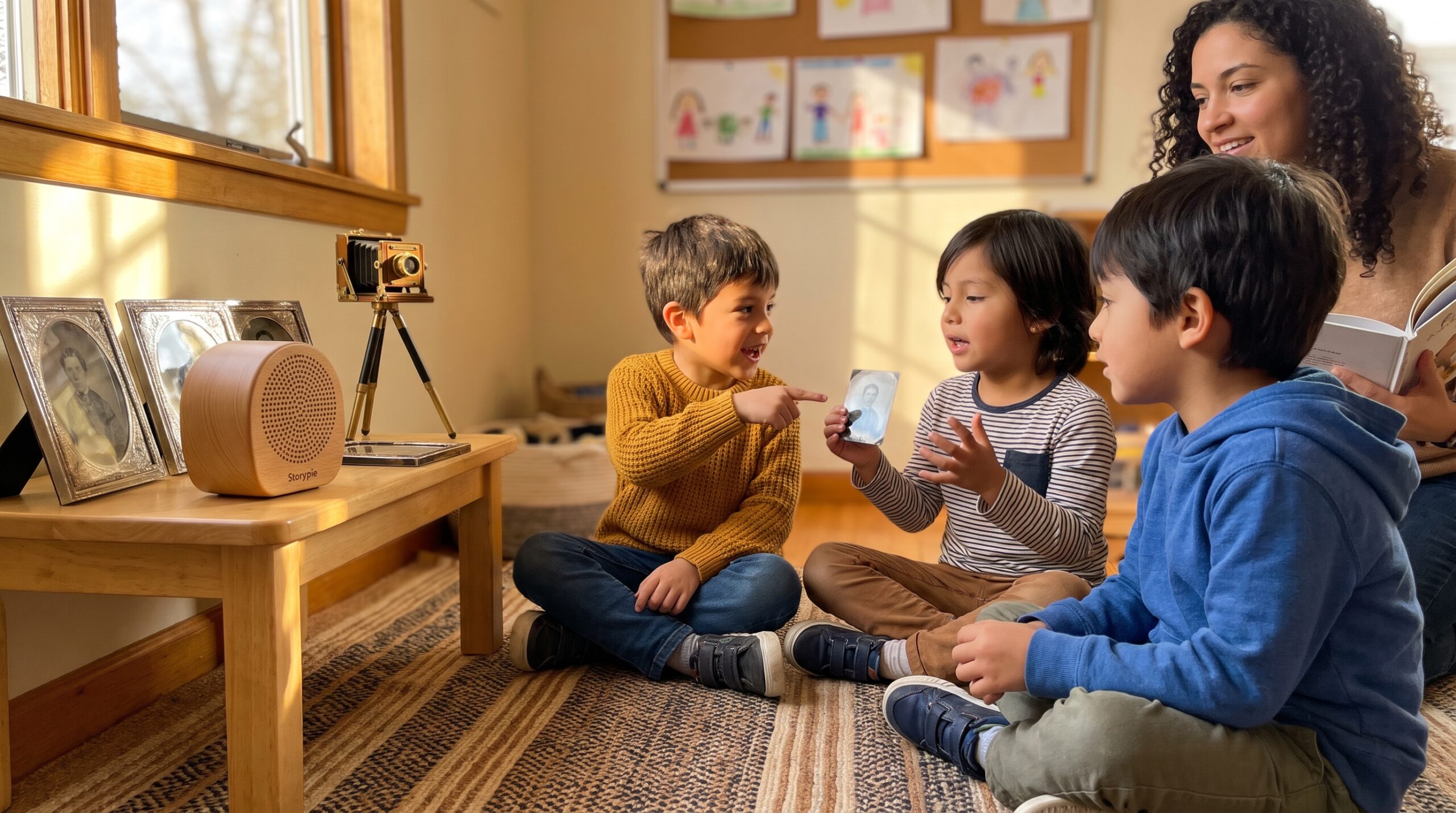
Louis Daguerre biography: From theatre to photography
Louis Daguerre biography opens with a simple idea. Daguerre turned light into a picture. He was born near Paris on 18 November 1787. He died on 10 July 1851. First, he worked as a painter and a theatrical scene designer. He co-created the Diorama theatre in Paris in 1822. The Diorama used huge translucent paintings and clever lighting. It made him famous and taught him to think in light.
Meeting Niépce and inventing the daguerreotype
Then Daguerre met Joseph Nicéphore Niépce around 1829. Niépce had made the earliest surviving camera image. After Niépce died in 1833, Daguerre kept working. By 1839 he introduced the daguerreotype. The daguerreotype put sharply detailed images within reach of many people. It felt like a small, bright miracle. On January 7, 1839, Daguerre publicly introduced the daguerreotype process to members of the French Académie des Sciences, marking a pivotal moment in photography history.
How the daguerreotype worked
Daguerre used a polished silver plated copper plate. First he sensitized it with iodine vapour. Next he exposed the plate in a camera. Then he developed the picture with heated mercury vapour. Finally he fixed the image with a salt wash or later sodium thiosulfate. There was no negative. Each daguerreotype became one of a kind. The surface looked like a tiny mirror. Often the picture appeared laterally reversed. Early exposures took minutes, so fast action rarely appears. For example, Daguerre’s Boulevard du Temple from about 1838 shows one person. That lone figure makes the photo feel quietly miraculous. Originally, exposures for daguerreotype images ranged from approximately one minute to half an hour, but by 1850, exposure times had fallen to less than one minute, demonstrating the technological advancements that Daguerre’s process facilitated, making it more accessible.
Why the daguerreotype mattered
After 1839 studios opened across Europe and the United States. Portraits became more affordable than painted sittings. Scientists and journalists began to record the world. Everyday people preserved memories in images. The French government purchased the rights to Daguerre’s process and in return awarded him a lifetime pension of 6,000 francs per year in 1839, underscoring the significance of his invention. Daguerre received a pension. Later methods replaced the daguerreotype. Yet these early pictures remain prized for their detail and charm. Sadly, Daguerre’s laboratory and most of his early experiments were destroyed in a fire on March 8, 1839, resulting in fewer than 25 securely attributed surviving photographs by Daguerre, which adds to their historical value.
Safety and legacy
Daguerre’s process used mercury vapour and toxic chemicals. That posed real risks to early practitioners. For that reason photography changed over time. Today daguerreotypes survive in museums and archives. They look like tiny mirrors of history. By 1850, there were over 70 daguerreotype studios in New York City alone, indicating the widespread adoption of the technique and its commercial success. Seeing one close up feels delightfully strange and very beautiful.
Museums, collections, and small delights
Daguerre’s name lives on in museums and archives. Original daguerreotypes appear in the Bibliothèque Nationale de France, the National Gallery of Art, the Getty, and the Science Museum in London. These pictures are historical treasures. They invite curiosity and gentle wonder.
Read or listen to a story about Louis Daguerre now: Read or listen to a story about Louis Daguerre now: For 3-5 year olds, For 6-8 year olds, For 8-10 year olds, and For 10-12 year olds.
Finally, Daguerre gave us a new way to see. His work still matters. For parents and teachers, his life offers a gentle, brilliant story to share. Visit Storypie to listen or read more about Daguerre’s life and legacy.