Teach kids to ask for help: why it matters
Teach kids to ask for help. Asking for help is quietly powerful. It brings relief, builds learning, and deepens trust between children and caregivers. Also, when a child names a need, stress shrinks and problem solving can begin. In fact, a 2024 article in National Geographic highlights that asking for help can strengthen social bonds and contribute to better mental and physical health for both the giver and receiver.
Asking for help is a learned skill
Help-seeking is not a flaw. Instead, it is a skill you teach and practice. Parents and teachers can model asking for help out loud. For example, say I need help finding my keys. Then children learn to imitate the habit. Understanding that many adults feel discomfort when asking for help can inform your approach—according to a Harris/APA poll, 41% of U.S. adults often feel uncomfortable asking others for help.
Simple rules and clear roles
Distinguish who to ask for what. Emergencies, safety, schoolwork, and feelings need different responses. Clear rules reduce panic and confusion in the moment.
Age-friendly guidance and short scripts
Use short phrases and practice often. Give tiny scripts so kids know what to say. For younger children, gestures or single words work best. Older kids can ask with more detail.
- Toddlers: Teach single words or gestures like “Help” or “Help please.”
- Preschoolers: Short phrases work well. Try “Can you help me put my coat on?”
- School-age children: Teach specific questions and steps. For example, “I don’t understand this math problem. Can you show me how to start?”
- Teens: Respect autonomy. Offer private routes like texting a trusted adult or contacting a counselor. Try scripts such as “I’ve been feeling down and would like to talk.”
Short scripts, role-play, and practice
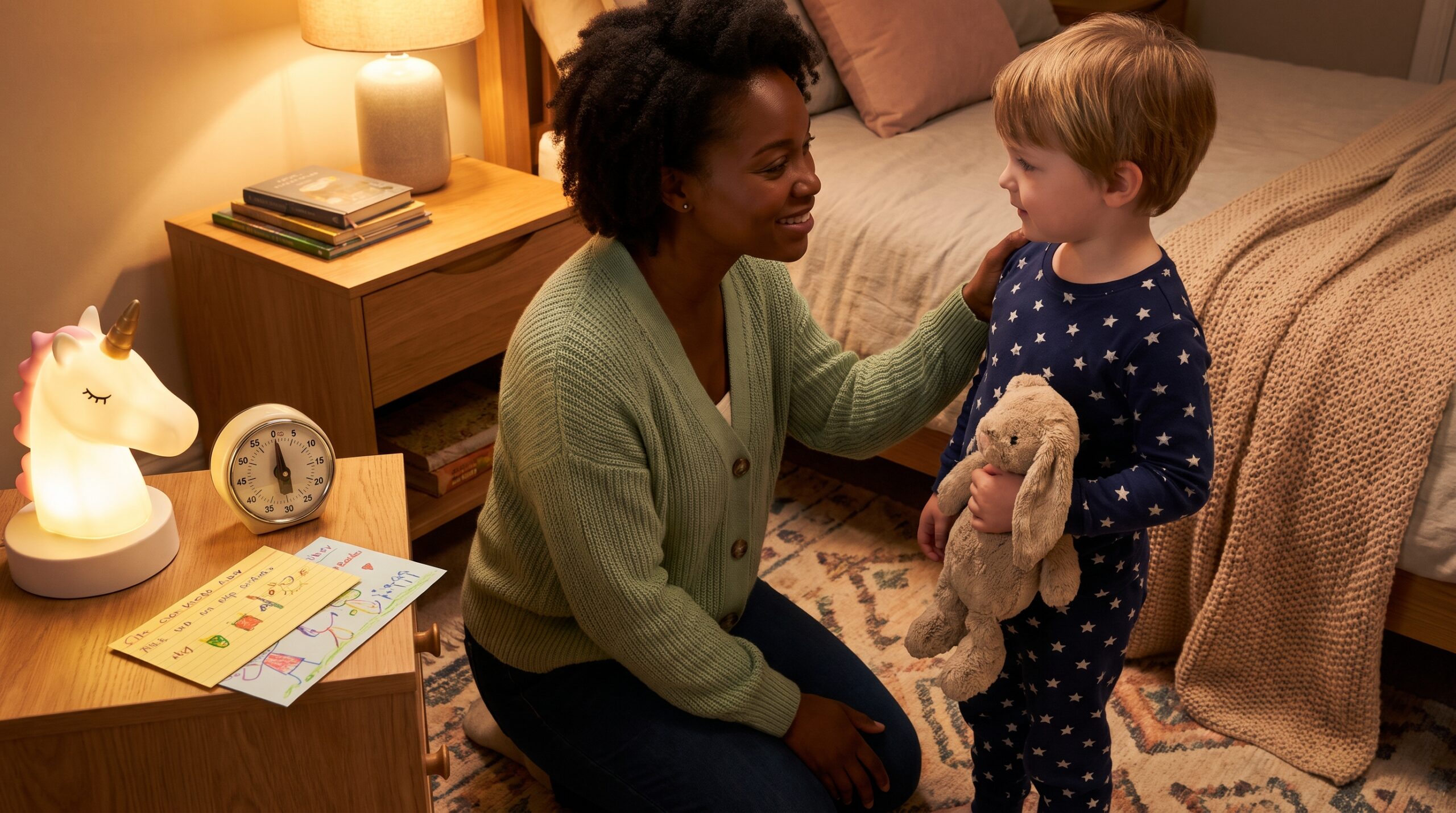
Practice in low-pressure moments. Try a 1-minute bedtime role-play where your child names who they need and what help they want. For example, you play the parent and say thank you when they ask clearly. Tiny brave asks become mighty learning moments.
Barriers and helpful adaptations
Barriers include fear of judgment, cultural norms, and neurodiversity-related differences. Use visual supports and social scripts for children with autism, ADHD, or language delays. Also, normalize help-seeking by saying everyone needs help sometimes. Praise effort and clarity, not just success. As a 2025 survey by Upstart revealed, 67% of U.S. adults believe it’s time to erase the stigma around asking for financial support. This highlights a growing acceptance of seeking help for financial challenges, which can encourage children to seek assistance without stigma.
Safety rules and escalation
Teach children to name emergencies and trusted adults. Practice brief emergency phrases and local numbers. Help them tell the difference between non-urgent requests like homework and urgent safety needs like injury or abuse. For sensitive concerns, offer confidential options and explain when professional help is needed. A 2025 CDC Youth Risk Behavior Survey found that among U.S. high school students experiencing persistent feelings of sadness or hopelessness, only 29.6% reported receiving counseling or therapy, while 28.8% reported an unmet need for counseling or therapy, emphasizing the importance of encouraging children to seek help, particularly in mental health contexts.
Follow-up, independence, and resilience
After help is given, debrief what worked and what to try next. Encourage the child to try again with new tools. This cycle of ask, get help, and try again builds resilience. Calm, constructive responses from adults strengthen attachment and trust.
Want quick prompts and audio practice? Try Storypie for playful scripts and narration that help children practice asking for help with confidence. Explore the app for short role-plays and friendly prompts.
Read or listen to a story about Asking For Help now: For 3-5 year olds, For 3-5 year olds, For 6-8 year olds, For 8-10 year olds, and For 10-12 year olds.
Also explore Storypie: Get the app. These resources make it easy to rehearse short scripts and build brave habits.