English

Arctic Tern
The Arctic Tern is a seabird known for making the longest annual migration in the animal kingdom…
Reads at Grades 3–5 Listens at Grades 1–5
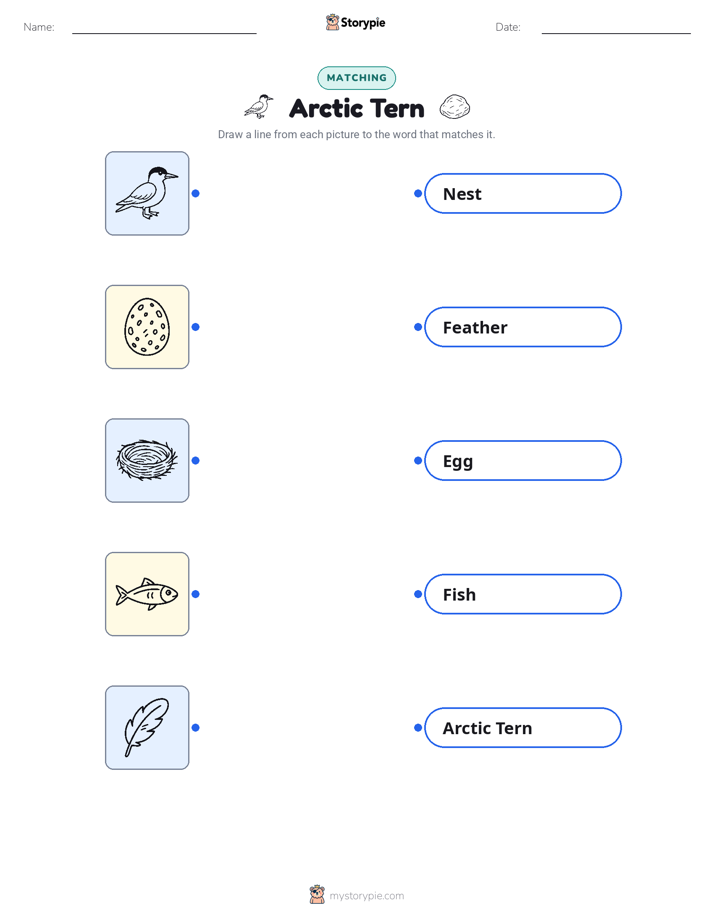
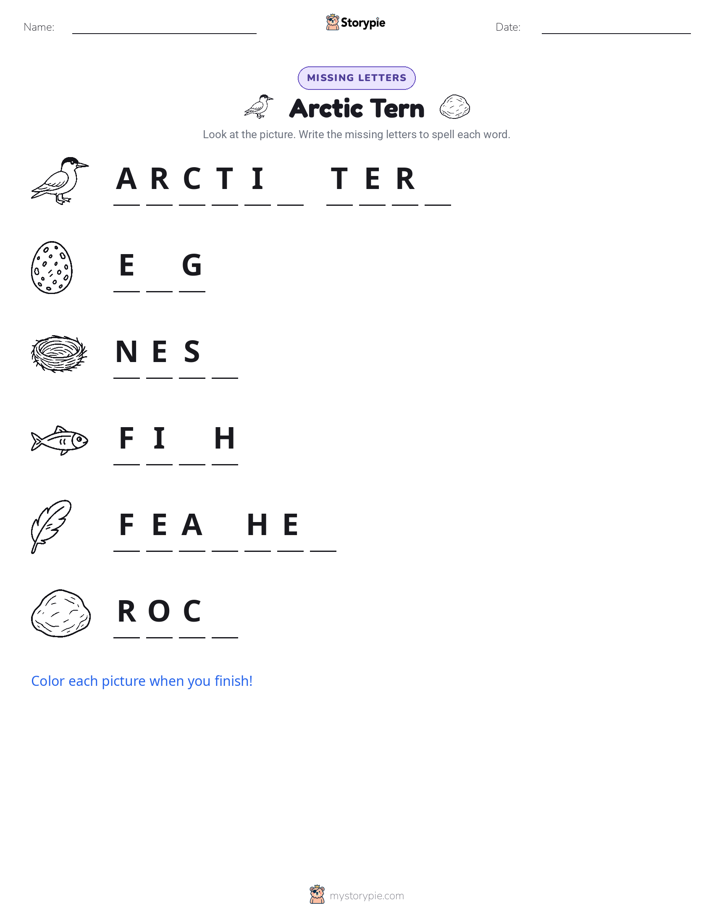
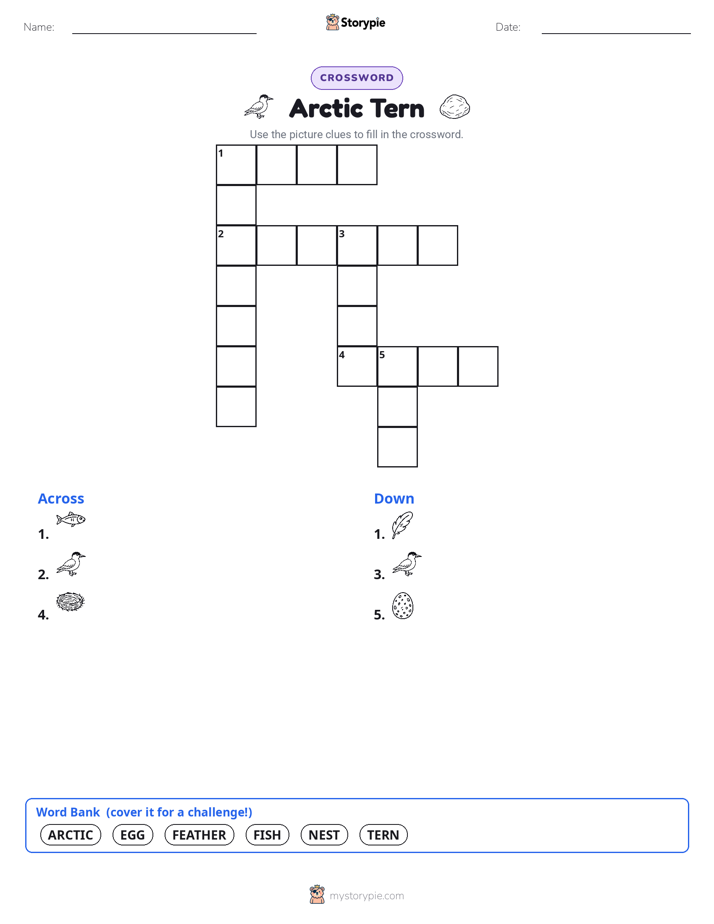
Print & create
Answer keys·No prep·Free with an account
28 worksheets · answer keys · full story · quiz · Ages 8-10 · CEFR B1
Plus adds 244,000+ more stories in 27 languages, audio for every one, and printables for all of them.
Just want Arctic Tern?
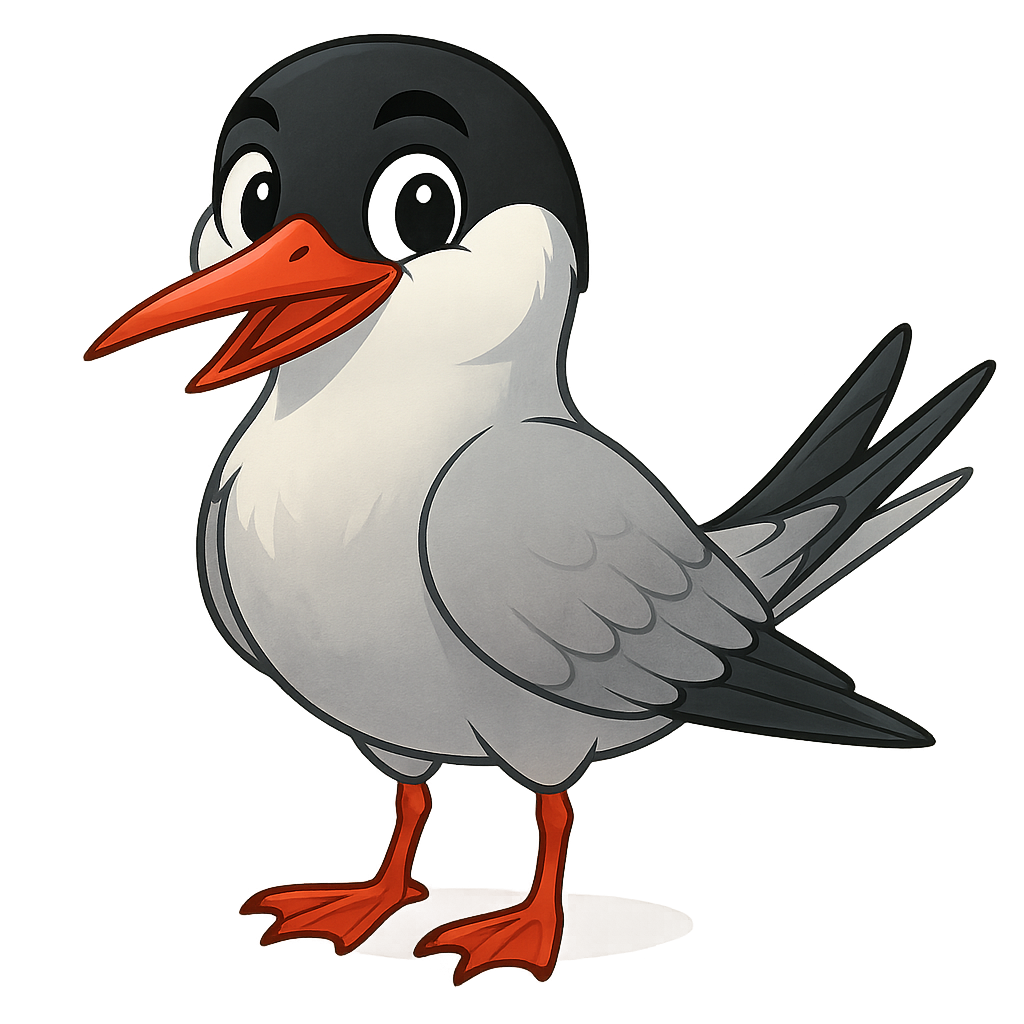
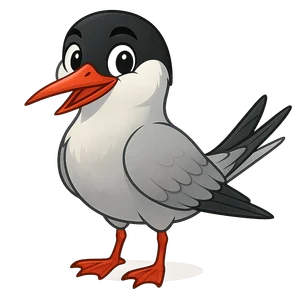
Hello there. My name is Sterna, and I am an Arctic Tern. You can recognize me by my sleek white and gray feathers, the smart black cap on my head, and my bright red beak and feet. I hatched from my egg in the vast, open lands of the Arctic around the year 2010. In my first days, the world was a whirlwind of noise and light. I was just a small chick in a bustling colony of thousands of other terns. The most amazing thing about my birthplace was the summer sun; it never set, shining all day and all night. This constant daylight gave my parents plenty of time to find food for me and my siblings, and it filled my first weeks with endless energy and the sounds of my family all around me.
Before I could begin my life’s great journey, I had to master two very important skills: flying and fishing. My wings felt clumsy at first, but with my parents’ encouragement, I took my first flight, soaring over the chilly Arctic landscape. It was incredible. They also taught me the art of plunge-diving. I would fly high above the water, spot a small fish, and then dive straight down into the waves to catch it. My favorite foods were sand eels and capelin. Life wasn’t always peaceful, though. We had to protect our nests from predators like gulls and Arctic foxes. Our entire colony worked together as a team. Whenever a predator got too close, we would bravely dive-bomb them, swooping down again and again to chase them far away from our precious eggs and chicks.
As the long days of the Arctic summer of 2010 began to shorten, a powerful feeling grew inside me. It was a deep, unexplainable urge to fly south. And so, I began my first great journey. My migration from the Arctic all the way to Antarctica is the longest of any animal on our planet. Imagine flying nearly 90,000 kilometers, or about 56,000 miles, for the round trip. As I flew, I watched the world change below me, from the icy plains of the north to the wide, blue ocean that seemed to stretch on forever. I traveled for weeks, and I had to be clever to survive. I learned how to rest and even sleep while gliding on the wind high above the waves, barely touching down. It was a challenging journey, but I was born to be a traveler.
The Sun Chaser
Hello there. My name is Sterna, and I am an Arctic Tern. You can recognize me by my sleek white and gray feathers, the smart black cap on my head, and my bright red beak and feet. I hatched from my egg in the vast, open lands of the Arctic around the year 2010. In my first days, the world was a whirlwind of noise and light. I was just a small chick in a bustling colony of thousands of other terns. The most amazing thing about my birthplace was the summer sun; it never set, shining all day and all night. This constant daylight gave my parents plenty of time to find food for me and my siblings, and it filled my first weeks with endless energy and the sounds of my family all around me.
Before I could begin my life’s great journey, I had to master two very important skills: flying and fishing. My wings felt clumsy at first, but with my parents’ encouragement, I took my first flight, soaring over the chilly Arctic landscape. It was incredible. They also taught me the art of plunge-diving. I would fly high above the water, spot a small fish, and then dive straight down into the waves to catch it. My favorite foods were sand eels and capelin. Life wasn’t always peaceful, though. We had to protect our nests from predators like gulls and Arctic foxes. Our entire colony worked together as a team. Whenever a predator got too close, we would bravely dive-bomb them, swooping down again and again to chase them far away from our precious eggs and chicks.
As the long days of the Arctic summer of 2010 began to shorten, a powerful feeling grew inside me. It was a deep, unexplainable urge to fly south. And so, I began my first great journey. My migration from the Arctic all the way to Antarctica is the longest of any animal on our planet. Imagine flying nearly 90,000 kilometers, or about 56,000 miles, for the round trip. As I flew, I watched the world change below me, from the icy plains of the north to the wide, blue ocean that seemed to stretch on forever. I traveled for weeks, and I had to be clever to survive. I learned how to rest and even sleep while gliding on the wind high above the waves, barely touching down. It was a challenging journey, but I was born to be a traveler.
I arrived in Antarctica in late 2010, just as its summer season was beginning. The world here was different from my home in the north. It was a land of giant icebergs and crisp, chilly air that felt wonderfully clean to breathe. By traveling from one pole to the other, I get to experience two summers every single year. Because of this, I see more daylight than any other creature on Earth. I spent my time in the south fishing in the rich waters and growing stronger. But just as the Antarctic summer started to fade in early 2011, that familiar urge returned. It was time to fly north again, back to the Arctic. This time, I was returning not as a young bird, but as an adult ready to find a mate and raise my own family.
My species, Sterna paradisaea, was first officially described by scientists way back in 1763. We are more than just travelers; we connect the North and South Poles. Our presence is a sign that the oceans are healthy and full of life. I can live for more than 30 years, making this amazing trip from one end of the Earth to the other over and over again. By protecting the polar places I call home, people help ensure that my family and I can continue our epic journeys for many years to come.
Wow facts
About
The Arctic Tern is a seabird known for making the longest annual migration in the animal kingdom, traveling from its Arctic breeding grounds to the Antarctic and back again each year.
Take a Quiz
Question 1 of 5
How does the Arctic Tern's colony protect its nests from predators?
Explore next






Want to do even more?
Go beyond exploring. Unlock tools that turn every story into real learning.

Storypie Plus for families
Full stories, quizzes, and printables. Nights and car rides, sorted.
- Unlimited audio stories
- Create Mode: your child stars in the story
- Offline downloads
- Printable worksheets & coloring pages

Why Storypie for Schools
Students engaged. Prep in seconds. Evenings back to you.
- Worksheets & Quizzes
- Classroom Management
- Formative Assessment
- Custom Curriculum & Lesson Plans
- 27 Languages

Why Storypie for Homeschool
Curriculum done. They'll ask for more. Hours back in your day.
- Worksheet Generator
- First-Person Audio Stories
- Built-in Comprehension Quizzes
- Custom Curriculum & Lesson Plans
- Print & Go Activities