English

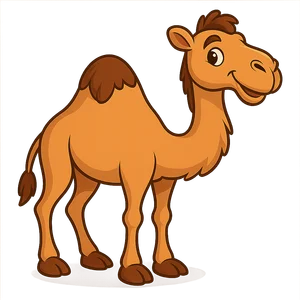
Dromedary Camel
A large, single-humped camel native to the arid regions of the Middle East and the Horn of Africa…
Reads at Grades 6–8 Listens at Grades 4–8
Print & create
Answer keys·No prep·Free with an account
28 worksheets · answer keys · full story · quiz · Ages 10-12 · CEFR B2
Plus adds 244,000+ more stories in 27 languages, audio for every one, and printables for all of them.
Just want Dromedary Camel?
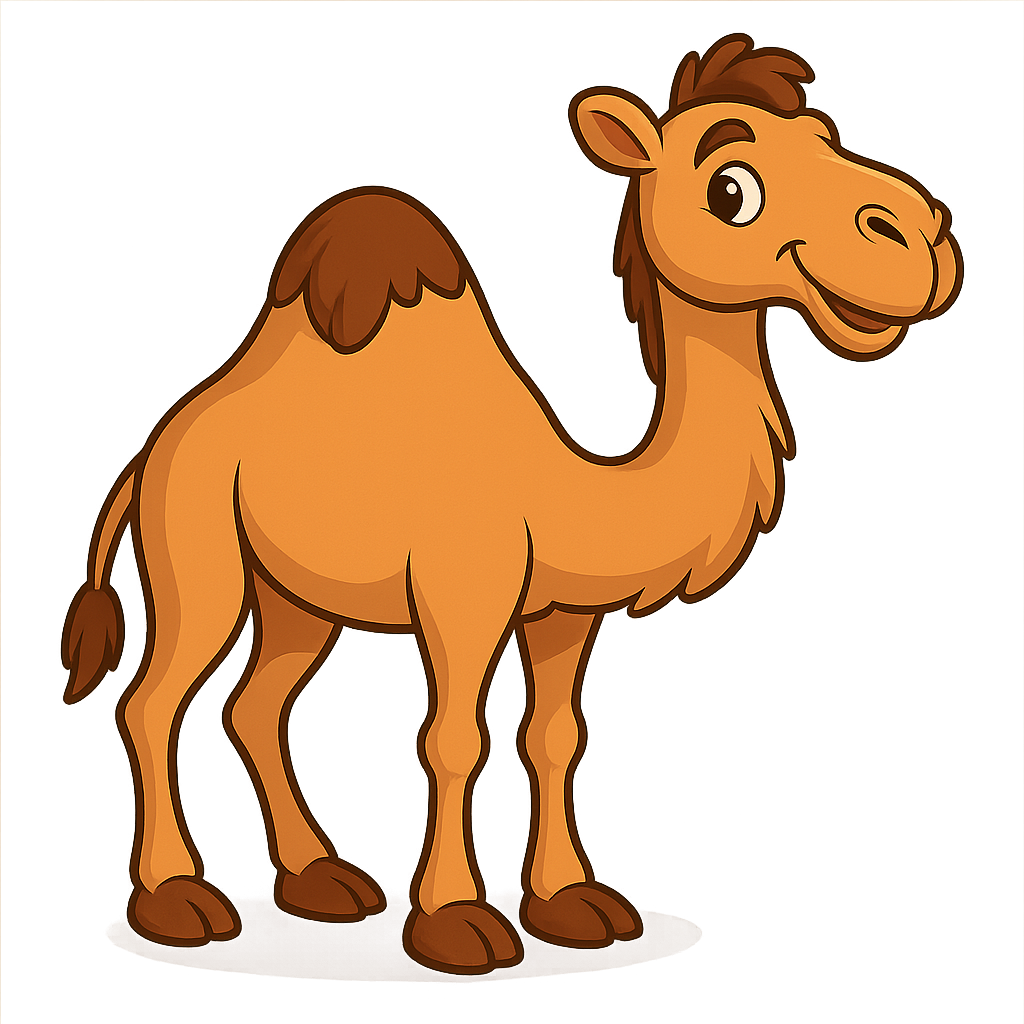
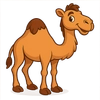
Hello there. My name is Camelus dromedarius, but you can call me a Dromedary Camel. My story is as vast and ancient as the landscapes I call home—the hot, sandy deserts of North Africa and the Middle East. If you look at me, you’ll notice my most famous feature: a single, large hump that rises from my back. My long legs were built for walking great distances across endless dunes, and I am known for my calm and steady nature. My story is deeply intertwined with that of humans, a partnership that has lasted for thousands of years. It’s important to know that my wild ancestors are no longer with us; they are extinct. My own story, and that of all dromedaries living today, truly begins with our domestication on the Arabian Peninsula nearly 4,000 years ago. From that moment on, our destinies became linked, and together we learned to master the desert.
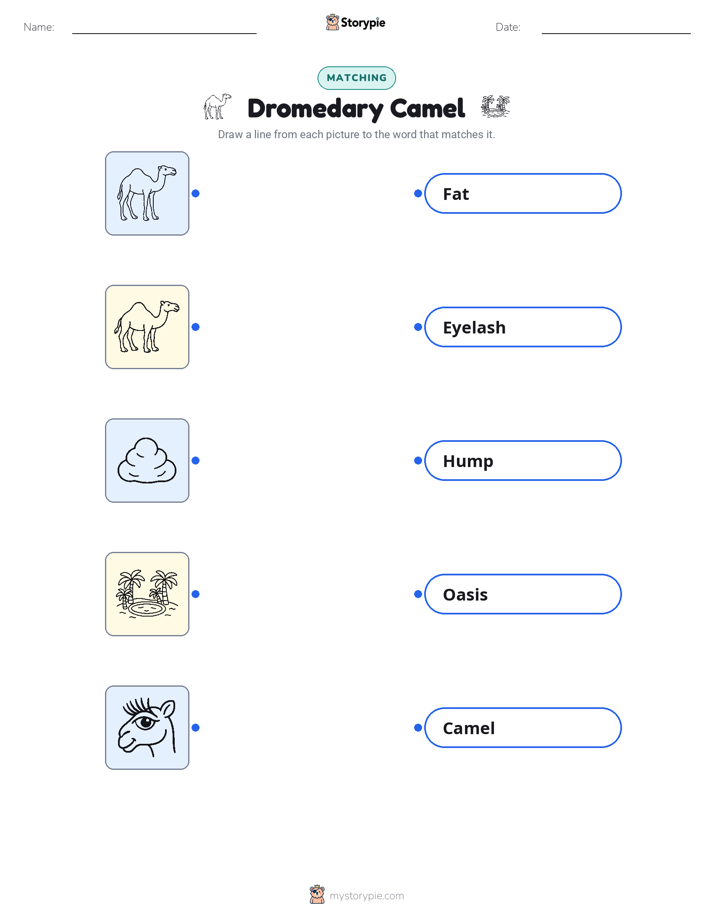
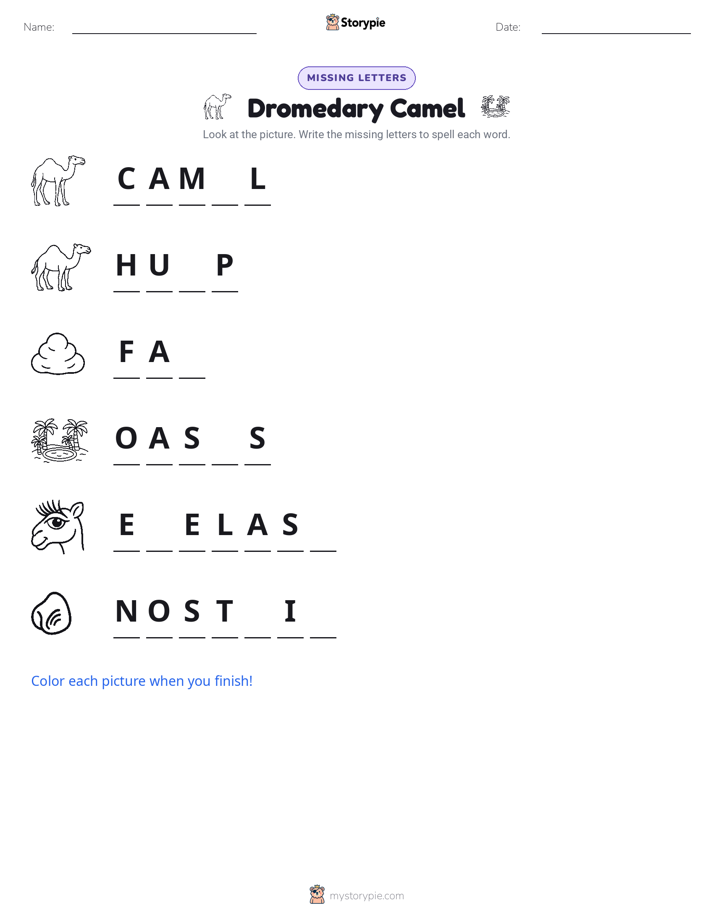
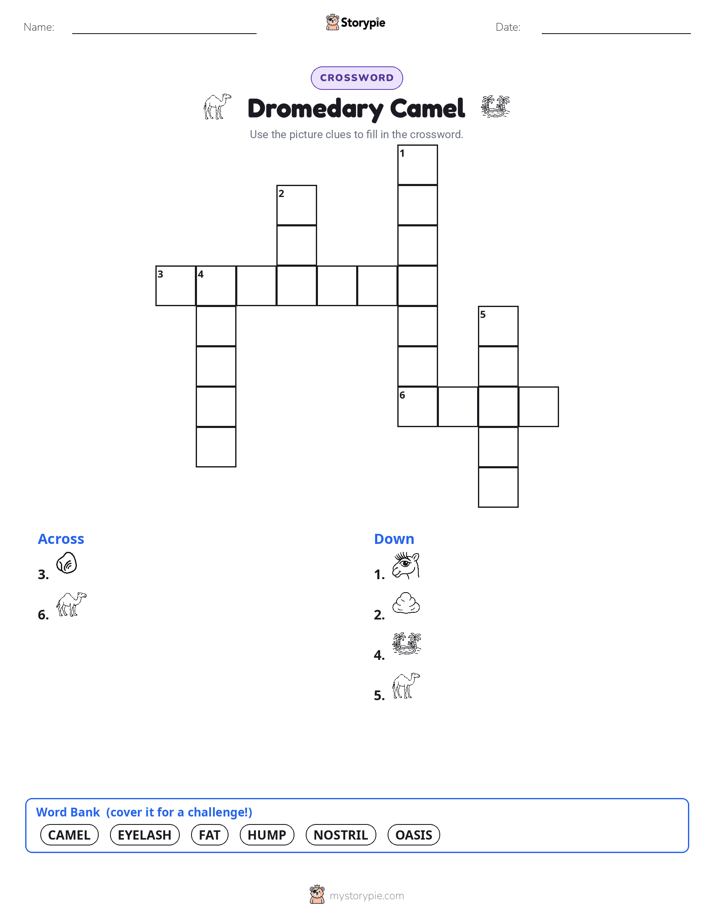
To survive in a world of sand and sun, I developed some incredible adaptations. Many people believe my hump is a big tank for water, but that’s a common myth. It actually stores fat, which is a fantastic source of energy when food is scarce. When my body uses this fat, it also produces water as a byproduct, which helps me stay hydrated. My body has other 'superpowers' for conserving water, too. When I find an oasis, I can drink over 30 gallons of water in just a few minutes to rehydrate. My red blood cells are special; they are oval-shaped, which helps them flow easily even when I am dehydrated and my blood is thicker. This shape also allows them to swell without bursting when I drink a lot of water quickly. To avoid losing precious water by sweating, I can let my body temperature change significantly throughout the day. I also have built-in gear to protect me from sandstorms. I have two rows of long eyelashes to keep sand out of my eyes, and I can even close my nostrils completely shut to avoid breathing in the stinging grains of sand.
A Camel's Tale: The Ship of the Desert
Hello there. My name is Camelus dromedarius, but you can call me a Dromedary Camel. My story is as vast and ancient as the landscapes I call home—the hot, sandy deserts of North Africa and the Middle East. If you look at me, you’ll notice my most famous feature: a single, large hump that rises from my back. My long legs were built for walking great distances across endless dunes, and I am known for my calm and steady nature. My story is deeply intertwined with that of humans, a partnership that has lasted for thousands of years. It’s important to know that my wild ancestors are no longer with us; they are extinct. My own story, and that of all dromedaries living today, truly begins with our domestication on the Arabian Peninsula nearly 4,000 years ago. From that moment on, our destinies became linked, and together we learned to master the desert.
To survive in a world of sand and sun, I developed some incredible adaptations. Many people believe my hump is a big tank for water, but that’s a common myth. It actually stores fat, which is a fantastic source of energy when food is scarce. When my body uses this fat, it also produces water as a byproduct, which helps me stay hydrated. My body has other 'superpowers' for conserving water, too. When I find an oasis, I can drink over 30 gallons of water in just a few minutes to rehydrate. My red blood cells are special; they are oval-shaped, which helps them flow easily even when I am dehydrated and my blood is thicker. This shape also allows them to swell without bursting when I drink a lot of water quickly. To avoid losing precious water by sweating, I can let my body temperature change significantly throughout the day. I also have built-in gear to protect me from sandstorms. I have two rows of long eyelashes to keep sand out of my eyes, and I can even close my nostrils completely shut to avoid breathing in the stinging grains of sand.
My long journey with people began around 2000 BCE, when my ancestors were first domesticated. It was then that I earned my nickname, the 'ship of the desert.' Before there were trucks or trains, I was the one who carried goods and people across the vast, difficult terrain of the desert. I made it possible for ancient civilizations to establish trade routes for valuable items like spices and incense, connecting distant parts of the world. My strength and endurance were the engines of desert commerce for centuries. A much more modern chapter of our story began in the 1840s, when some of my relatives were taken from their native lands all the way to Australia. Humans needed help exploring the harsh Australian Outback, and we were perfectly suited for the job. We helped map the continent and build telegraph lines. When our work was done and modern technology took over, many of us were released into the wild. There, we thrived and formed what is now the world's largest feral camel population, a testament to our incredible ability to adapt.
Today, my role in the world continues to evolve. While trucks and cars have taken over many of my old jobs on the long-distance trade routes, I remain essential to many desert communities. I am still a reliable form of transportation in places where vehicles can't go. I also provide milk and meat for people, and I am a cherished part of their culture and heritage. Since my wild ancestors are extinct, the survival of my species is now completely linked to this enduring partnership with people. We depend on each other. I am proud of my history and my ability to endure. I am a living symbol of resilience and adaptation, carrying not just cargo, but the history and spirit of the desert itself.
Wow facts
About
A large, single-humped camel native to the arid regions of the Middle East and the Horn of Africa, famously domesticated for transport and known for its remarkable adaptations to desert life.
Take a Quiz
Question 1 of 5
Retell the story of the Dromedary Camel's journey with humans, including key events and dates.
Explore next






Want to do even more?
Go beyond exploring. Unlock tools that turn every story into real learning.

Storypie Plus for families
Full stories, quizzes, and printables. Nights and car rides, sorted.
- Unlimited audio stories
- Create Mode: your child stars in the story
- Offline downloads
- Printable worksheets & coloring pages

Why Storypie for Schools
Students engaged. Prep in seconds. Evenings back to you.
- Worksheets & Quizzes
- Classroom Management
- Formative Assessment
- Custom Curriculum & Lesson Plans
- 27 Languages

Why Storypie for Homeschool
Curriculum done. They'll ask for more. Hours back in your day.
- Worksheet Generator
- First-Person Audio Stories
- Built-in Comprehension Quizzes
- Custom Curriculum & Lesson Plans
- Print & Go Activities