English

Eastern Chipmunk
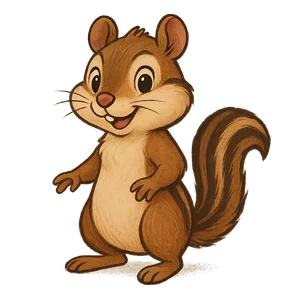
The Eastern Chipmunk is a small, striped rodent of the squirrel family, native to eastern North America.
Reads at Grades 6–8 Listens at Grades 4–8
Print & create
Answer keys·No prep·Free with an account
28 worksheets · answer keys · full story · quiz · Ages 10-12 · CEFR B2
Plus adds 244,000+ more stories in 27 languages, audio for every one, and printables for all of them.
Just want Eastern Chipmunk?
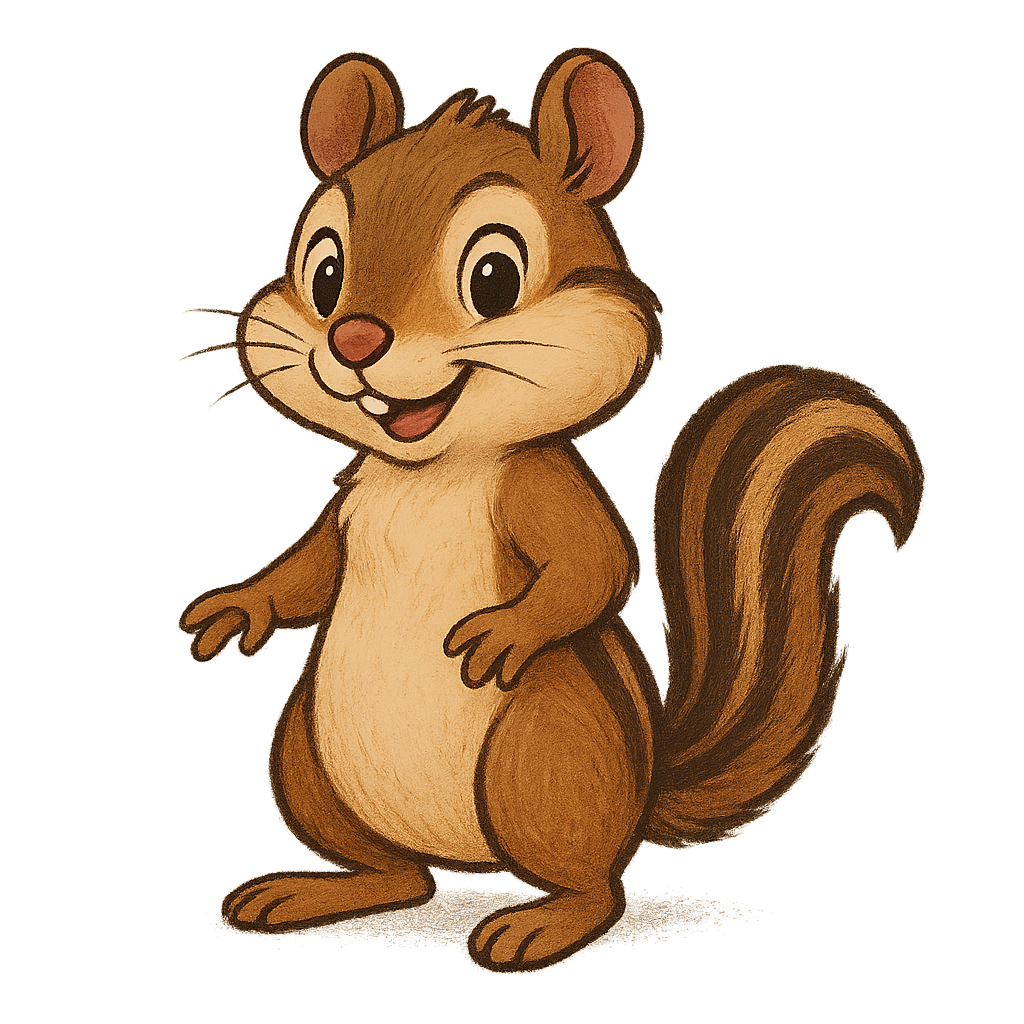
Hello there. I am an Eastern Chipmunk, and my story begins in a warm, dark burrow deep beneath the forest floor. I was born in the spring, nestled safely with my siblings. Our world was soil and roots until we were old enough to see the sun. My name, 'chipmunk,' comes from an old Native American word, and it suits me perfectly. If you’ve ever seen me, you’ll remember my stripes. I have five dark brown stripes running down my back, with lighter stripes in between, which help me blend in with the leaves and shadows on the ground. This camouflage is essential for staying safe from predators. My kind has scurried through these North American forests for thousands of years, a constant, energetic presence. But it was on a day in 1758 that scientists gave us our official name, *Tamias striatus*, finally putting a formal title to our striped family.
My home is my masterpiece, a hidden underground mansion that I design and build myself. You might see me darting around on the surface, but my real world is beneath your feet. I am a secret architect, and my burrows can be incredibly complex, sometimes stretching over 30 feet long. Creating it is hard work. When I dig, I don't leave a big pile of dirt at the entrance like some other animals. That would be like putting up a sign for predators that says, “I live here!” Instead, I pack all the excavated dirt into my cheek pouches and carry it away, scattering it far from my front door to keep my home's location a secret. Inside, it's not just a simple tunnel. I construct different rooms for different purposes. There is a main sleeping chamber, lined with soft leaves for comfort. I also build a separate nursery chamber where I raise my young. Most importantly, I dig several storage rooms, or pantries, which are crucial for my survival through the long, cold winter.
The Forest Gardener's Tale
Hello there. I am an Eastern Chipmunk, and my story begins in a warm, dark burrow deep beneath the forest floor. I was born in the spring, nestled safely with my siblings. Our world was soil and roots until we were old enough to see the sun. My name, 'chipmunk,' comes from an old Native American word, and it suits me perfectly. If you’ve ever seen me, you’ll remember my stripes. I have five dark brown stripes running down my back, with lighter stripes in between, which help me blend in with the leaves and shadows on the ground. This camouflage is essential for staying safe from predators. My kind has scurried through these North American forests for thousands of years, a constant, energetic presence. But it was on a day in 1758 that scientists gave us our official name, Tamias striatus, finally putting a formal title to our striped family.
My home is my masterpiece, a hidden underground mansion that I design and build myself. You might see me darting around on the surface, but my real world is beneath your feet. I am a secret architect, and my burrows can be incredibly complex, sometimes stretching over 30 feet long. Creating it is hard work. When I dig, I don't leave a big pile of dirt at the entrance like some other animals. That would be like putting up a sign for predators that says, “I live here!” Instead, I pack all the excavated dirt into my cheek pouches and carry it away, scattering it far from my front door to keep my home's location a secret. Inside, it's not just a simple tunnel. I construct different rooms for different purposes. There is a main sleeping chamber, lined with soft leaves for comfort. I also build a separate nursery chamber where I raise my young. Most importantly, I dig several storage rooms, or pantries, which are crucial for my survival through the long, cold winter.
My most famous features are my amazing cheek pouches. They are one of nature’s best shopping bags. These pouches are incredibly elastic and can stretch to be three times the size of my head. This allows me to carry an astonishing amount of food all at once. An autumn day for me is a whirlwind of activity. I scurry from dawn until dusk, gathering acorns, hickory nuts, sunflower seeds, and anything else I can find. On a single trip, I can stuff my cheeks so full that I look like I have a funny, lumpy face. I make countless trips back and forth between the forest floor and my burrow, emptying my pouches into my pantries. I am a master hoarder, and by the time the first snow falls, I can have more than half a bushel of food stored away. This enormous stockpile is my lifeline, ensuring I have enough to eat until the spring arrives again.
When winter's chill settles over the forest, you might think I disappear to sleep for the whole season, like a bear. But I do things a little differently. I don’t truly hibernate. Instead, I enter a state called torpor. During torpor, my body slows down dramatically. My breathing becomes shallow, my heart rate drops, and my body temperature lowers to conserve precious energy. This deep sleep helps me survive the cold when there is no food to be found outside. However, unlike a true hibernator, I don't stay asleep for months on end. Every few days, I wake up, feeling a bit groggy and slow. I'll make my way from my sleeping chamber to one of my well-stocked pantries, have a good meal of nuts and seeds, and then head back to bed to fall into torpor once more. This cycle of sleeping and snacking is my unique strategy for making it through the harsh winter months.
Though I am small, I have a very loud voice, and I am not afraid to use it. Communication is a key part of my life, and I serve as one of the forest's most reliable alarm systems. You can often hear me before you see me. I make a sharp, repeated 'chip-chip' sound, which is my way of announcing my presence and defending my territory from other chipmunks. But I have another, more urgent call. When I spot a predator, like a red-tailed hawk circling overhead or a fox slinking through the underbrush, I let out a high-pitched, fast trill. This sound cuts through the quiet of the woods and serves as a clear warning. It tells not just other chipmunks to take cover, but also alerts nearby squirrels, birds, and other small animals to the danger. In this way, my voice helps keep the entire forest community safe.
My life in the wild is often just two or three years, which might not seem like a long time. However, in that time, I play a very important role in the health of my forest home. My most significant job is being a forest gardener. Throughout the autumn, I bury thousands of nuts and seeds, far more than I can ever eat. I hide them all over my territory, planning to come back for them later. But I'm forgetful, and many of my hidden stashes are never uncovered. When spring returns, these forgotten seeds and nuts sprout from the soil, growing into new flowers, bushes, and mighty trees like oaks and hickories. I take great pride in knowing that my busy work helps the forest to constantly renew itself, ensuring it remains a vibrant and healthy home for all the generations of creatures that will come after me.
Wow facts
About
The Eastern Chipmunk is a small, striped rodent of the squirrel family, native to eastern North America. It is known for its extensive underground burrows and its habit of storing food in its cheek pouches and burrows. During winter, it enters periods of inactivity, waking up sometimes to eat from its food stores.
Take a Quiz
Question 1 of 5
In your own words, describe the main steps the Eastern Chipmunk takes to prepare for and survive the winter.
Explore next



Want to do even more?
Go beyond exploring. Unlock tools that turn every story into real learning.

Storypie Plus for families
Full stories, quizzes, and printables. Nights and car rides, sorted.
- Unlimited audio stories
- Create Mode: your child stars in the story
- Offline downloads
- Printable worksheets & coloring pages

Why Storypie for Schools
Students engaged. Prep in seconds. Evenings back to you.
- Worksheets & Quizzes
- Classroom Management
- Formative Assessment
- Custom Curriculum & Lesson Plans
- 27 Languages

Why Storypie for Homeschool
Curriculum done. They'll ask for more. Hours back in your day.
- Worksheet Generator
- First-Person Audio Stories
- Built-in Comprehension Quizzes
- Custom Curriculum & Lesson Plans
- Print & Go Activities