English

Elk
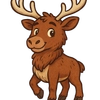
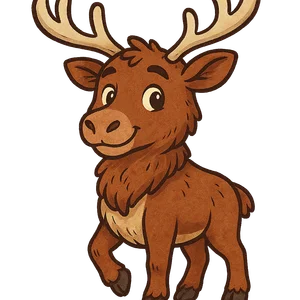
The elk, or wapiti, is one of the largest species within the deer family.
Reads at Grades 6–8 Listens at Grades 4–8
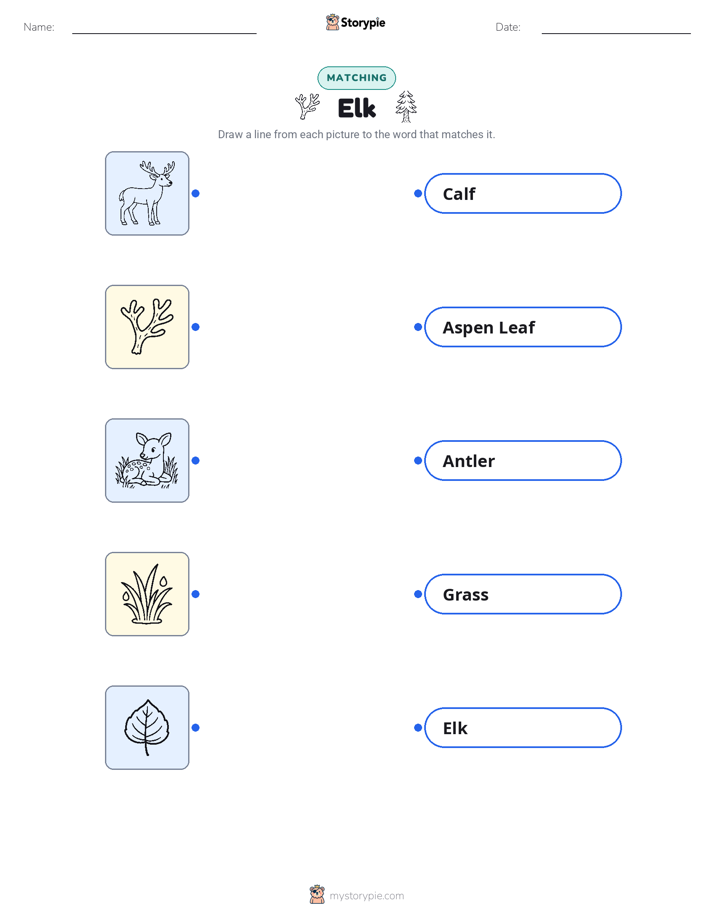
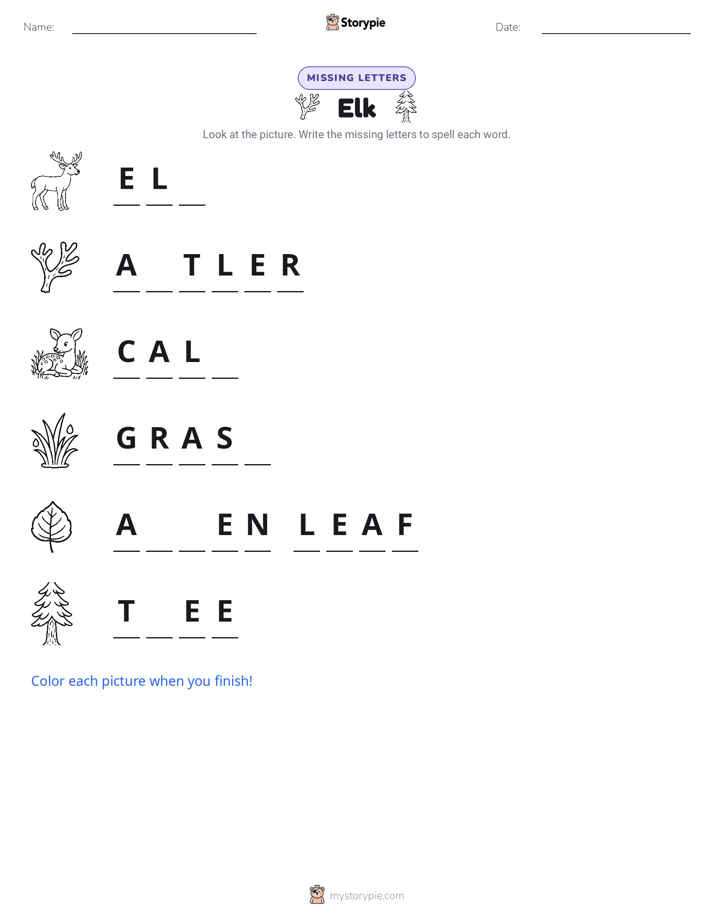
Print & create
Answer keys·No prep·Free with an account
28 worksheets · answer keys · full story · quiz · Ages 10-12 · CEFR B2
Plus adds 244,000+ more stories in 27 languages, audio for every one, and printables for all of them.
Just want Elk?
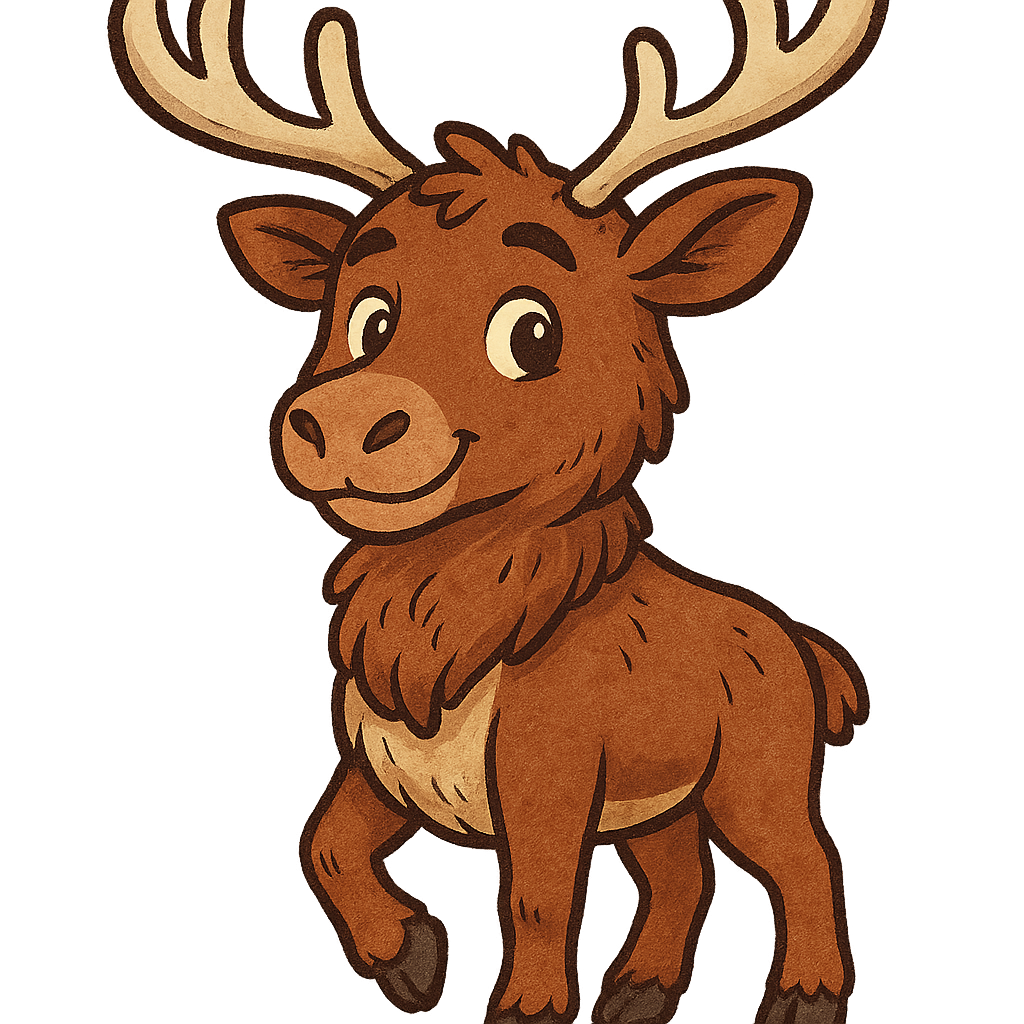
Hello, I am an Elk. While many know me by that name, I also have another: Wapiti. In the language of the Shawnee people, this means 'white rump,' a name given for the pale patch of fur on my backside. My story begins not with a roar, but with a quiet entry into a very big world. I was born in the late spring, a time when the world was bursting with new life. My mother, the wise and watchful leader of our herd, chose a secluded spot in the tall grasses for my birth. For the first few weeks of my life, my world was that small, hidden patch of earth. I was a fragile thing, covered in a coat of soft, brown fur dotted with white spots. This pattern wasn't just for show; it was my first line of defense, a perfect camouflage that blended me into the sun-dappled forest floor. While I lay still and silent, my mother would graze nearby, always alert. She taught me to recognize the important scents on the breeze—the sweet smell of new aspen leaves, the damp earth after a rain, and the sharp, dangerous scent of a predator. I learned the sounds of the forest, from the chirping of birds to the snap of a twig that meant I must not move a muscle.
My first year was a time of immense growth and learning. Surviving my first winter was a significant challenge. The snows came deep and the winds were cold, burying the grasses we relied on. We had to dig through the snow with our hooves to find food, and every day was a test of endurance. But the hardship of winter made the return of spring feel like a true celebration. As the snow melted and the first green shoots appeared, a new and incredible change began for me. I started to grow my first antlers. It was an amazing process. They sprouted from my skull, covered in a soft, fuzzy skin called 'velvet.' This velvet was filled with blood vessels that nourished the bone, allowing my antlers to grow with astonishing speed—sometimes as much as an inch every single day during the summer. They were my crown, a symbol of my strength and maturity as a young bull. As that first summer turned to fall, the velvet dried and I rubbed it off on trees, revealing the hard, bony antlers beneath. And just as miraculously as they appeared, I shed them the following winter, leaving them on the forest floor to be gnawed on by smaller creatures for their nutrients. This cycle of growing and shedding my crown would repeat for the rest of my life.
The Call of the Wapiti
Hello, I am an Elk. While many know me by that name, I also have another: Wapiti. In the language of the Shawnee people, this means 'white rump,' a name given for the pale patch of fur on my backside. My story begins not with a roar, but with a quiet entry into a very big world. I was born in the late spring, a time when the world was bursting with new life. My mother, the wise and watchful leader of our herd, chose a secluded spot in the tall grasses for my birth. For the first few weeks of my life, my world was that small, hidden patch of earth. I was a fragile thing, covered in a coat of soft, brown fur dotted with white spots. This pattern wasn't just for show; it was my first line of defense, a perfect camouflage that blended me into the sun-dappled forest floor. While I lay still and silent, my mother would graze nearby, always alert. She taught me to recognize the important scents on the breeze—the sweet smell of new aspen leaves, the damp earth after a rain, and the sharp, dangerous scent of a predator. I learned the sounds of the forest, from the chirping of birds to the snap of a twig that meant I must not move a muscle.
My first year was a time of immense growth and learning. Surviving my first winter was a significant challenge. The snows came deep and the winds were cold, burying the grasses we relied on. We had to dig through the snow with our hooves to find food, and every day was a test of endurance. But the hardship of winter made the return of spring feel like a true celebration. As the snow melted and the first green shoots appeared, a new and incredible change began for me. I started to grow my first antlers. It was an amazing process. They sprouted from my skull, covered in a soft, fuzzy skin called 'velvet.' This velvet was filled with blood vessels that nourished the bone, allowing my antlers to grow with astonishing speed—sometimes as much as an inch every single day during the summer. They were my crown, a symbol of my strength and maturity as a young bull. As that first summer turned to fall, the velvet dried and I rubbed it off on trees, revealing the hard, bony antlers beneath. And just as miraculously as they appeared, I shed them the following winter, leaving them on the forest floor to be gnawed on by smaller creatures for their nutrients. This cycle of growing and shedding my crown would repeat for the rest of my life.
The arrival of autumn brought a change to the air and a change within me. The leaves turned to gold and crimson, and the crisp air carried a new energy. This was the season of the rut, our annual mating ritual. It was during this time that I found my voice—not a simple call, but a powerful, musical sound known as a bugle. My bugle would start as a low bellow, rise to a high-pitched whistle, and end in a series of grunts. I would send this call echoing through the mountain valleys, a declaration of my presence and strength. It was a message to the female elk, the cows, and a challenge to any other bulls in the area. This was the time when bulls like me would compete to prove our dominance. We would spar, locking our great antlers together and pushing with all our might. These contests were rarely meant to cause serious injury; they were a test of strength, a way to establish who was the most powerful and worthy of leading a herd. The sound of clashing antlers and the haunting sound of my bugle became the defining sounds of autumn in the high country.
My life and the lives of my ancestors have been deeply connected to the history of this land. We Wapiti once roamed across most of North America, from coast to coast. However, the world began to change for us. During the late 1800s and early 1900s, my kind faced difficult times. Overhunting and the loss of our forest and grassland habitats caused our populations to shrink dramatically. We were pushed into smaller and more remote areas. A significant turning point came on March 1st, 1872, with the creation of Yellowstone National Park. This incredible place became a sanctuary, a protected home where our herds could find refuge and begin to recover. For over a century, we thrived in this sanctuary. Then, in 1995, another major change arrived: gray wolves, our ancestral predators, were brought back to Yellowstone. At first, their return was frightening. We had not faced this kind of pressure in generations. But their presence restored a natural and ancient balance. We had to become stronger, faster, and constantly vigilant. We couldn't stay in one place for too long, which meant the willows and aspens along the riverbanks, which we had grazed on heavily, began to grow back, strengthening the entire ecosystem.
My role in this vast wilderness is more than just a single life; I am part of something much larger. We elk are known as a keystone species, which means our presence fundamentally shapes the environment around us. Our grazing habits clear away old, dry grasses, which reduces the risk of wildfires and allows new, tender plants to grow. This, in turn, provides food and better habitat for countless other animals, from insects and birds to bears and beavers. We are a vital link in the food web, providing sustenance for predators and, when our lives are over, returning nutrients to the soil. While my kind still faces challenges from a changing world, conservation efforts have helped our herds recover and expand beyond the boundaries of our sanctuaries. My bugle, which still rings through the mountains today, is more than just a call; it is a symbol of the wild spirit of nature. It is a testament to resilience and a powerful reminder of why we must continue to protect these beautiful, wild places for all the generations yet to come.
Wow facts
About
The elk, or wapiti, is one of the largest species within the deer family. Known for the male's large, annually-shed antlers and distinctive bugling call, it is a keystone herbivore in North American and East Asian ecosystems and a major conservation success story.
Take a Quiz
Question 1 of 5
According to the story, what major change occurred in Yellowstone in 1995, and how did it present a new challenge for the elk herds?
Explore next





Want to do even more?
Go beyond exploring. Unlock tools that turn every story into real learning.

Storypie Plus for families
Full stories, quizzes, and printables. Nights and car rides, sorted.
- Unlimited audio stories
- Create Mode: your child stars in the story
- Offline downloads
- Printable worksheets & coloring pages

Why Storypie for Schools
Students engaged. Prep in seconds. Evenings back to you.
- Worksheets & Quizzes
- Classroom Management
- Formative Assessment
- Custom Curriculum & Lesson Plans
- 27 Languages

Why Storypie for Homeschool
Curriculum done. They'll ask for more. Hours back in your day.
- Worksheet Generator
- First-Person Audio Stories
- Built-in Comprehension Quizzes
- Custom Curriculum & Lesson Plans
- Print & Go Activities