English

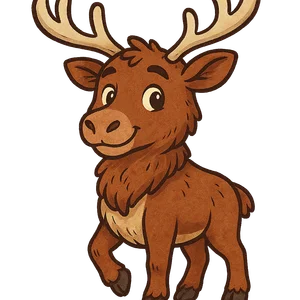
Elk
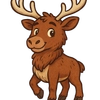
The elk, or wapiti, is one of the largest species within the deer family.
Reads at Grades K-2 Listens at K–3
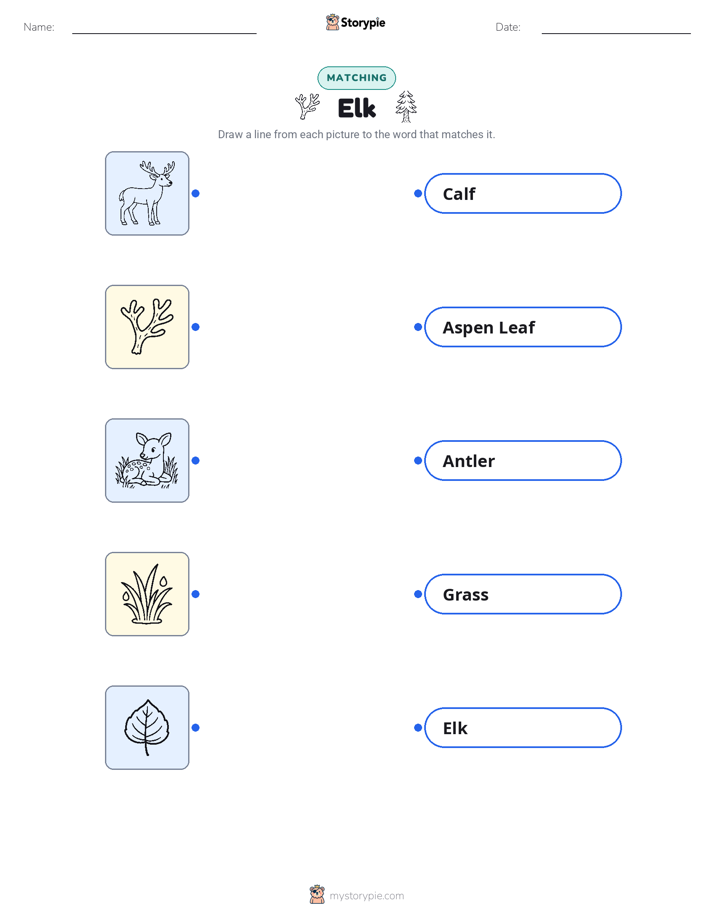
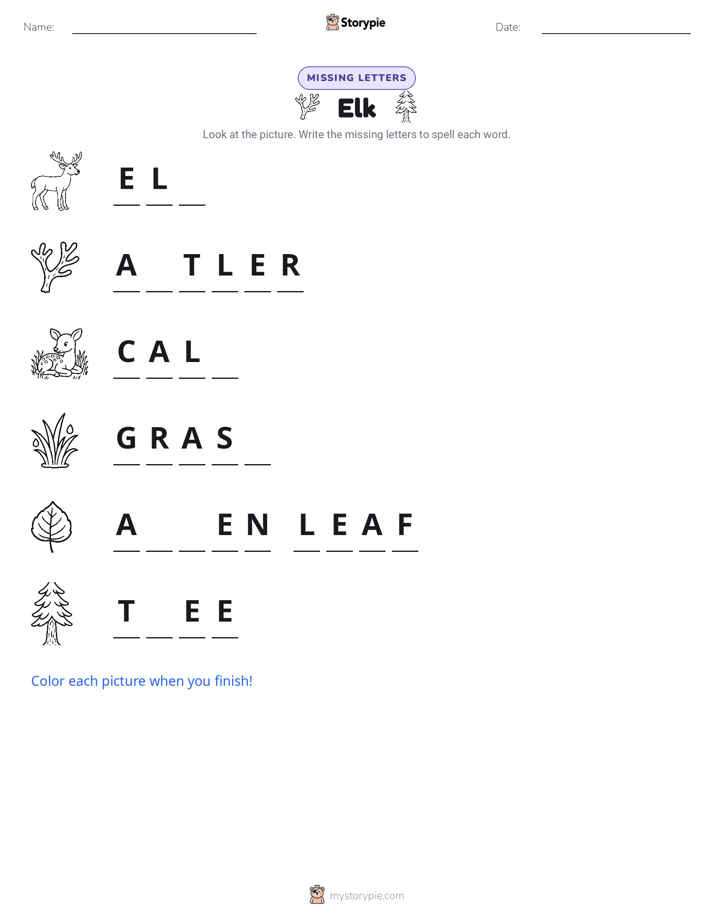
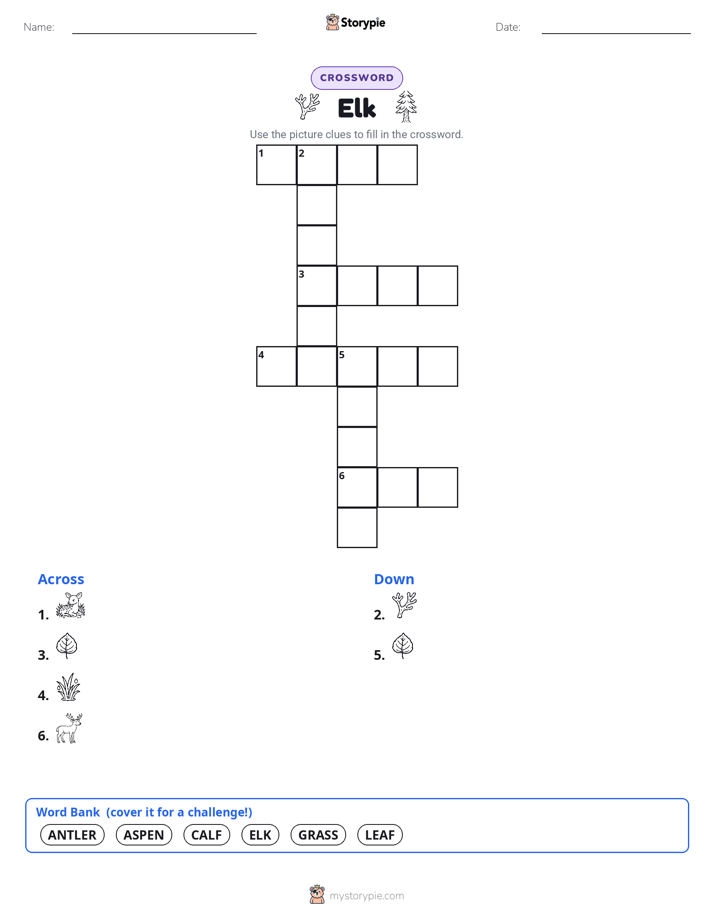
Print & create
Answer keys·No prep·Free with an account
28 worksheets · answer keys · full story · quiz · Ages 6-8 · CEFR A2
Plus adds 244,000+ more stories in 27 languages, audio for every one, and printables for all of them.
Just want Elk?
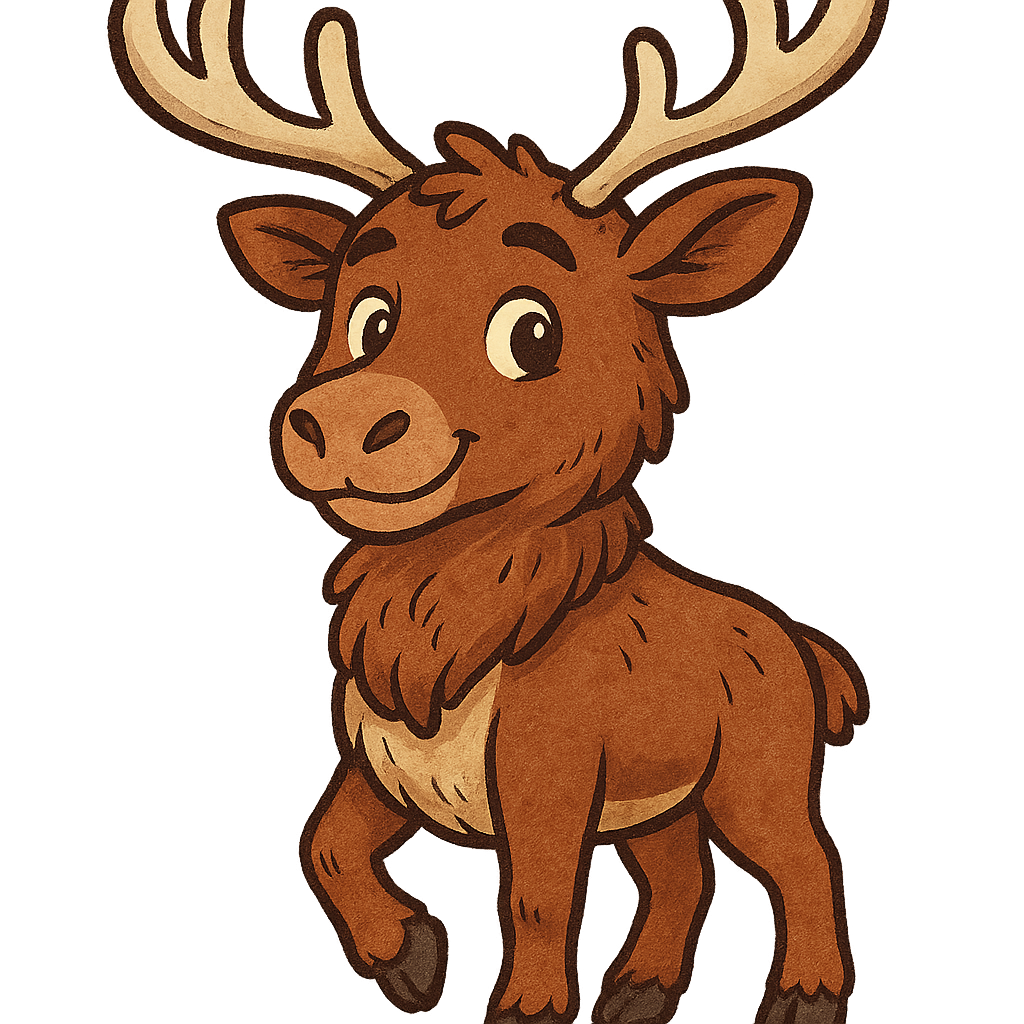
Hello there. My name is Elk, but some people call me by my Native American name, Wapiti, which means 'light-colored deer.' I was born in the late spring when the flowers were blooming. When I was just a little calf, my coat was covered in pretty white spots. These weren't just for looks. They were my secret camouflage, helping me hide perfectly in the tall grass. While I was tucked away and staying very still, my mother would go off to find yummy plants to eat. She always knew just where to find me when she returned. It was our special way of staying safe in the big, wide world.
As I grew older, my white spots began to fade away, and I started to look more like the grown-up elk in my herd. I am an herbivore, which is a big word that simply means I only eat plants. My favorite meals are fresh grass and tasty leaves from bushes. During the cold winter when food is hard to find, I even nibble on tree bark to keep my tummy full. The male elk in my family, called bulls, are known for something amazing. Every single year, they grow huge antlers on their heads. These antlers can get so big that they weigh as much as a bicycle. It’s a lot to carry around. But then, when winter arrives, the antlers fall right off. In the spring, a brand new pair starts to grow all over again.
I am a very social animal, and I love living with my family in a big group that we call a herd. We have our own way of talking to each other. We use little squeaks and even barks to communicate and let everyone know what's happening. But the most famous sound of all comes from the bulls during the autumn. They let out a loud, amazing whistle called a bugle. It's so powerful that it echoes all through the mountains. It's our song of the wild. Because the winters can be very snowy and cold, a special safe place was created for us a long time ago. On August 10th, 1912, the National Elk Refuge was made to give us a protected home where we can find food and shelter during the toughest part of the year.
The Story of the Elk
Hello there. My name is Elk, but some people call me by my Native American name, Wapiti, which means 'light-colored deer.' I was born in the late spring when the flowers were blooming. When I was just a little calf, my coat was covered in pretty white spots. These weren't just for looks. They were my secret camouflage, helping me hide perfectly in the tall grass. While I was tucked away and staying very still, my mother would go off to find yummy plants to eat. She always knew just where to find me when she returned. It was our special way of staying safe in the big, wide world.
As I grew older, my white spots began to fade away, and I started to look more like the grown-up elk in my herd. I am an herbivore, which is a big word that simply means I only eat plants. My favorite meals are fresh grass and tasty leaves from bushes. During the cold winter when food is hard to find, I even nibble on tree bark to keep my tummy full. The male elk in my family, called bulls, are known for something amazing. Every single year, they grow huge antlers on their heads. These antlers can get so big that they weigh as much as a bicycle. It’s a lot to carry around. But then, when winter arrives, the antlers fall right off. In the spring, a brand new pair starts to grow all over again.
I am a very social animal, and I love living with my family in a big group that we call a herd. We have our own way of talking to each other. We use little squeaks and even barks to communicate and let everyone know what's happening. But the most famous sound of all comes from the bulls during the autumn. They let out a loud, amazing whistle called a bugle. It's so powerful that it echoes all through the mountains. It's our song of the wild. Because the winters can be very snowy and cold, a special safe place was created for us a long time ago. On August 10th, 1912, the National Elk Refuge was made to give us a protected home where we can find food and shelter during the toughest part of the year.
My story is still being written every single day in the beautiful forests and mountains where I live. I have a very important job to do. By munching on so many plants, I help keep the landscape healthy and open. This allows new flowers and different kinds of grasses to get sunlight and grow strong. We are also a key part of the food chain, because we provide food for predators like wolves and bears, which helps keep the whole ecosystem in balance. We are a symbol of the wild, and when people hear our bugle calls in the distance, it reminds them of the beauty and power of nature.
Wow facts
About
The elk, or wapiti, is one of the largest species within the deer family. Known for the male's large, annually-shed antlers and distinctive bugling call, it is a keystone herbivore in North American and East Asian ecosystems and a major conservation success story.
Take a Quiz
Question 1 of 4
Why was I covered in white spots when I was born?
Explore next


Want to do even more?
Go beyond exploring. Unlock tools that turn every story into real learning.

Storypie Plus for families
Full stories, quizzes, and printables. Nights and car rides, sorted.
- Unlimited audio stories
- Create Mode: your child stars in the story
- Offline downloads
- Printable worksheets & coloring pages

Why Storypie for Schools
Students engaged. Prep in seconds. Evenings back to you.
- Worksheets & Quizzes
- Classroom Management
- Formative Assessment
- Custom Curriculum & Lesson Plans
- 27 Languages

Why Storypie for Homeschool
Curriculum done. They'll ask for more. Hours back in your day.
- Worksheet Generator
- First-Person Audio Stories
- Built-in Comprehension Quizzes
- Custom Curriculum & Lesson Plans
- Print & Go Activities