English

Golden Lion Tamarin
The golden lion tamarin is a small monkey native to the Atlantic coastal forests of Brazil…
Reads at Grades 6–8 Listens at Grades 4–8
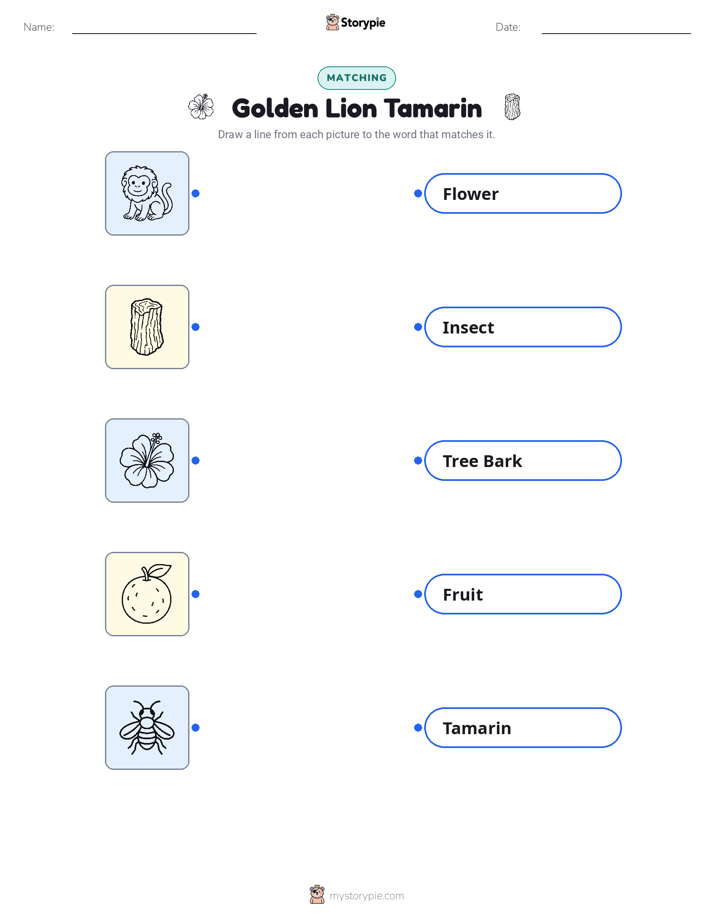
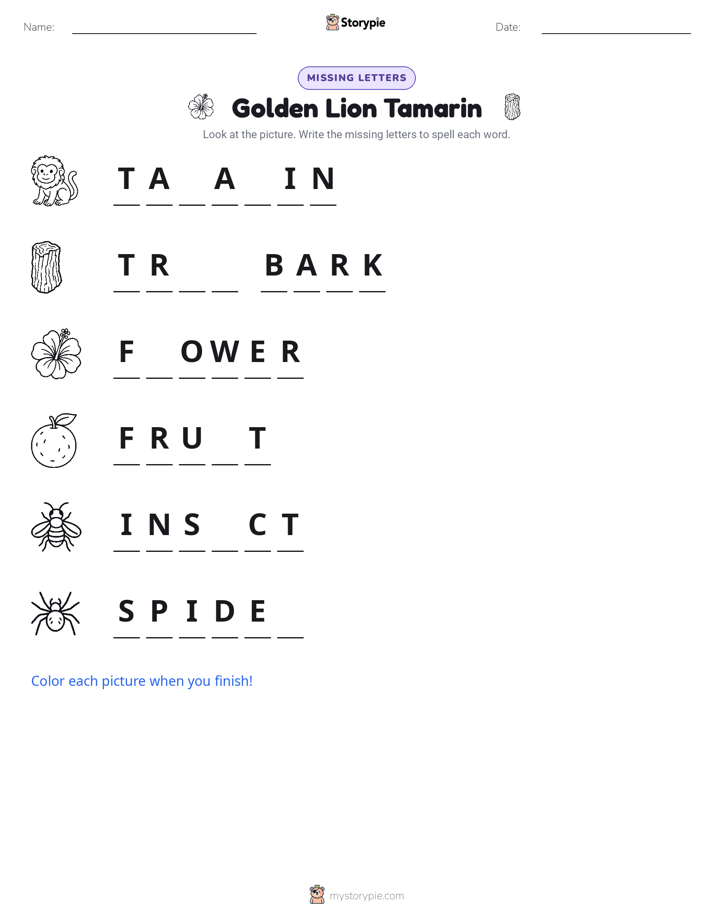
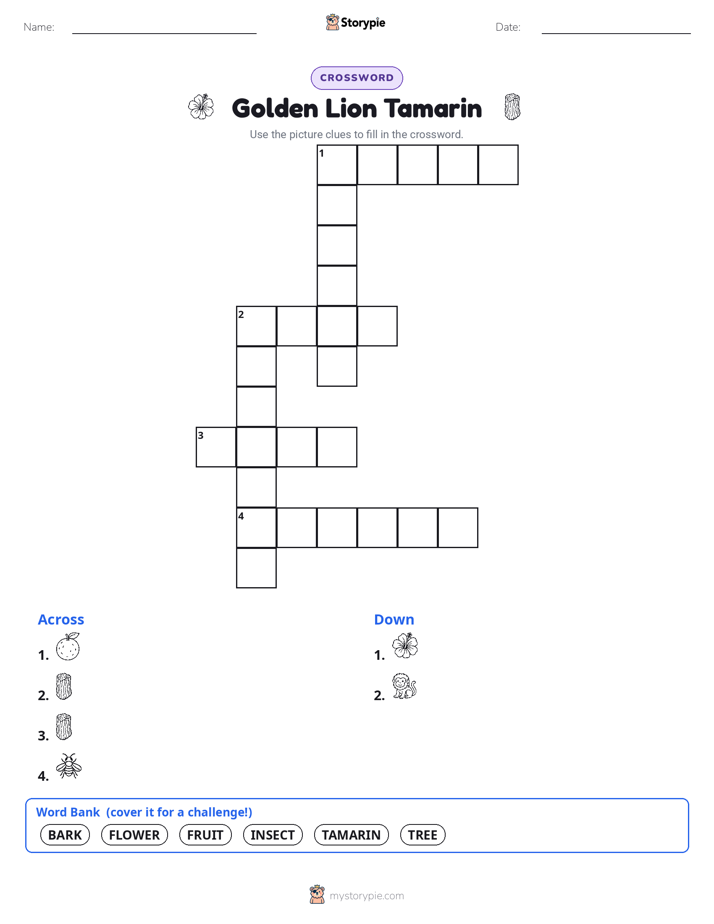
Print & create
Answer keys·No prep·Free with an account
28 worksheets · answer keys · full story · quiz · Ages 10-12 · CEFR B2
Plus adds 164,000+ more stories in 27 languages, audio for every one, and printables for all of them.
Just want Golden Lion Tamarin?
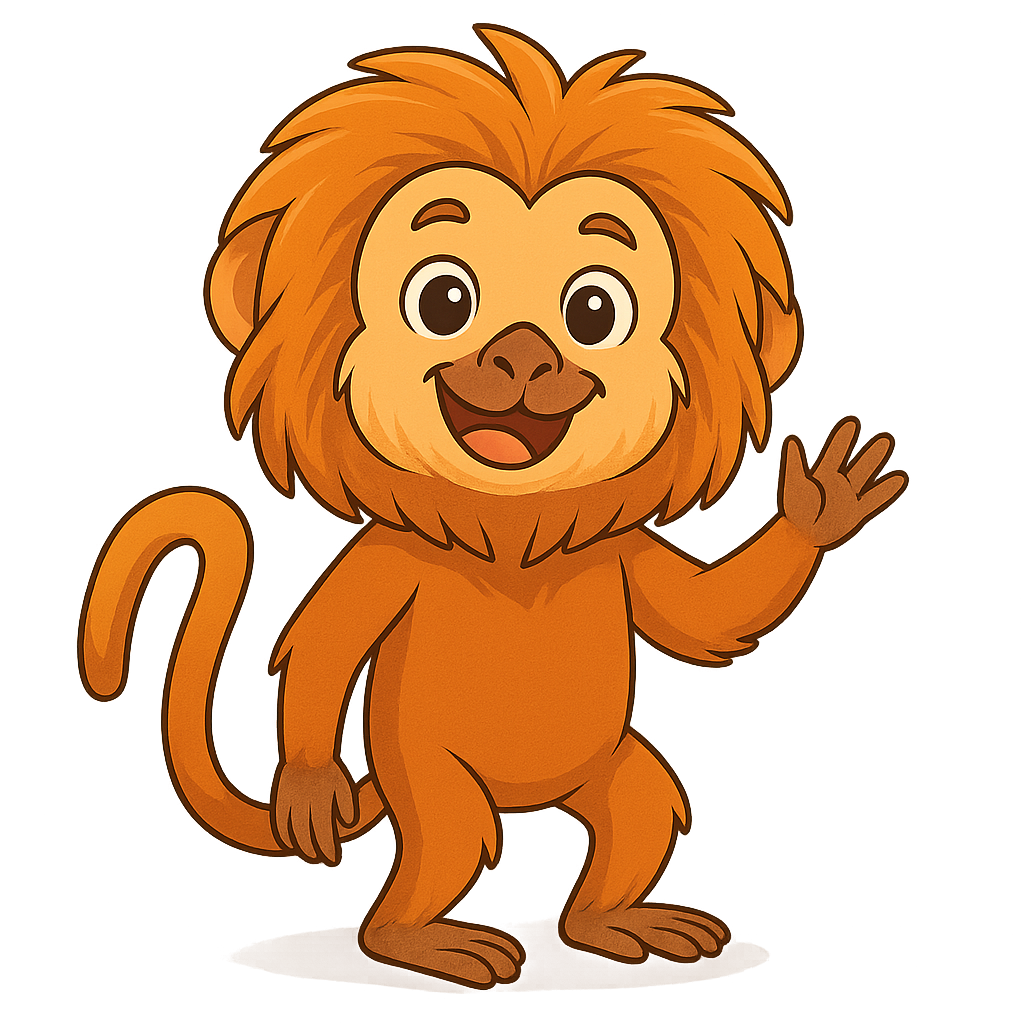
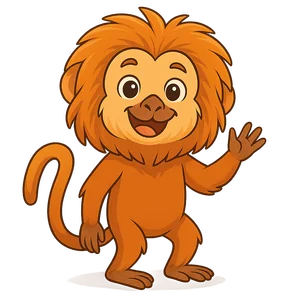
Hello. My name is a bit of a mouthful: Leontopithecus rosalia. You can call me a Golden Lion Tamarin. I am a tiny monkey known for my magnificent, fiery golden mane, which looks just like a lion's. My one and only home in the entire world is high in the canopy of the Atlantic Forest in Brazil. My story begins long ago, but it wasn't until the year 1766 that scientists officially gave my species its scientific name. I live with my family in a group called a troop, and we are very social. We spend our days chattering, playing, and searching for delicious things to eat among the treetops.
Life in the canopy is a daily adventure. My long, nimble fingers are perfectly adapted for reaching into tight spaces, like the cracks in tree bark or deep inside flowers, to find my favorite foods. I am an omnivore, which means I eat a variety of things, including insects, spiders, sweet fruits, and tasty nectar. My family is very important to me. We are a cooperative group, which means everyone helps out, especially when babies are born. I usually give birth to twins, and their father and older siblings help me by carrying the little ones on their backs. In this way, I am a tiny but mighty gardener for my ecosystem. By carrying pollen from one flower to another and spreading seeds in my droppings, I help my forest home thrive.
For centuries, my forest home was vast and safe. But during the 1900s, things began to change dramatically. Humans started cutting down the trees to build farms, ranches, and cities. My world became smaller and smaller, broken into tiny, isolated patches of forest. This fragmentation made it difficult to find food and nearly impossible to find other tamarin families to ensure our survival. The situation grew desperate, and by the 1960s, a devastatingly small number of us, only about 200, were left in the entire world. My species was on the very edge of disappearing forever.
The Golden Gardener of the Atlantic Forest
Hello. My name is a bit of a mouthful: Leontopithecus rosalia. You can call me a Golden Lion Tamarin. I am a tiny monkey known for my magnificent, fiery golden mane, which looks just like a lion's. My one and only home in the entire world is high in the canopy of the Atlantic Forest in Brazil. My story begins long ago, but it wasn't until the year 1766 that scientists officially gave my species its scientific name. I live with my family in a group called a troop, and we are very social. We spend our days chattering, playing, and searching for delicious things to eat among the treetops.
Life in the canopy is a daily adventure. My long, nimble fingers are perfectly adapted for reaching into tight spaces, like the cracks in tree bark or deep inside flowers, to find my favorite foods. I am an omnivore, which means I eat a variety of things, including insects, spiders, sweet fruits, and tasty nectar. My family is very important to me. We are a cooperative group, which means everyone helps out, especially when babies are born. I usually give birth to twins, and their father and older siblings help me by carrying the little ones on their backs. In this way, I am a tiny but mighty gardener for my ecosystem. By carrying pollen from one flower to another and spreading seeds in my droppings, I help my forest home thrive.
For centuries, my forest home was vast and safe. But during the 1900s, things began to change dramatically. Humans started cutting down the trees to build farms, ranches, and cities. My world became smaller and smaller, broken into tiny, isolated patches of forest. This fragmentation made it difficult to find food and nearly impossible to find other tamarin families to ensure our survival. The situation grew desperate, and by the 1960s, a devastatingly small number of us, only about 200, were left in the entire world. My species was on the very edge of disappearing forever.
Just when things seemed hopeless, people around the world noticed we were in trouble. A massive international effort to save us began in the 1970s. Zoos from all over the globe worked together in a special breeding program, which officially started in 1972, to help increase our numbers in a safe, protected environment. This was a critical first step, but the ultimate goal was to return us to our natural home. Back in Brazil, a huge step was taken in 1983 when the Poço das Antas Biological Reserve was created just for us. It was a protected piece of the forest where we could finally be safe from the dangers that had pushed us so close to extinction.
The most exciting part of my story began on November 2nd, 1984. That was the historic day when the very first group of my relatives, who had been born and raised in zoos, were returned to the wild in Brazil. It was not an easy transition for them. They had to learn how to find their own food and how to avoid predators, skills they didn't need in the zoo. But with help from dedicated scientists who guided them, the reintroduction program was a success. Over the years, more and more tamarins were brought back to join us. Our population grew so much that in 2003, our conservation status was upgraded from 'Critically Endangered' to 'Endangered'—a small but very important victory. We faced a serious setback with a yellow fever outbreak in 2017, but we are fighters, and our human allies continue to help us recover.
My story is one of survival, and it's a story of hope. I am still here today because people from all over the world decided my species was worth saving. Today, there are a few thousand of us living in our protected forest home. I am a symbol of conservation, showing that it is possible to bring a species back from the brink of extinction. When you help protect me, you also protect my beautiful Atlantic Forest home and all the other unique plants and animals that live there with me. My golden coat is a bright reminder that working together can make a world of difference.
Wow facts
About
The golden lion tamarin is a small monkey native to the Atlantic coastal forests of Brazil, known for its bright reddish-orange fur and a long mane resembling that of a lion. It is a famous symbol of conservation success.
Take a Quiz
Question 1 of 5
What was the main problem my species faced in the 1960s, and what was a key solution that began on November 2nd, 1984?
Explore next




Want to do even more?
Go beyond exploring. Unlock tools that turn every story into real learning.

Storypie Plus for families
Full stories, quizzes, and printables. Nights and car rides, sorted.
- Unlimited audio stories
- Create Mode: your child stars in the story
- Offline downloads
- Printable worksheets & coloring pages

Why Storypie for Schools
Students engaged. Prep in seconds. Evenings back to you.
- Worksheets & Quizzes
- Classroom Management
- Formative Assessment
- Custom Curriculum & Lesson Plans
- 27 Languages

Why Storypie for Homeschool
Curriculum done. They'll ask for more. Hours back in your day.
- Worksheet Generator
- First-Person Audio Stories
- Built-in Comprehension Quizzes
- Custom Curriculum & Lesson Plans
- Print & Go Activities