English

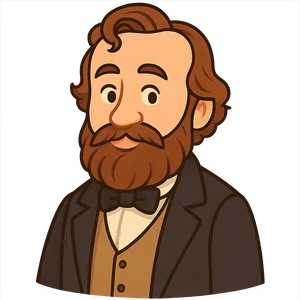
Adolphe Sax
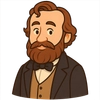
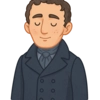
Adolphe Sax was a Belgian inventor and musician who is best known for inventing the saxophone in the 1840s.
Reads at Grades 3–5 Listens at Grades 1–5
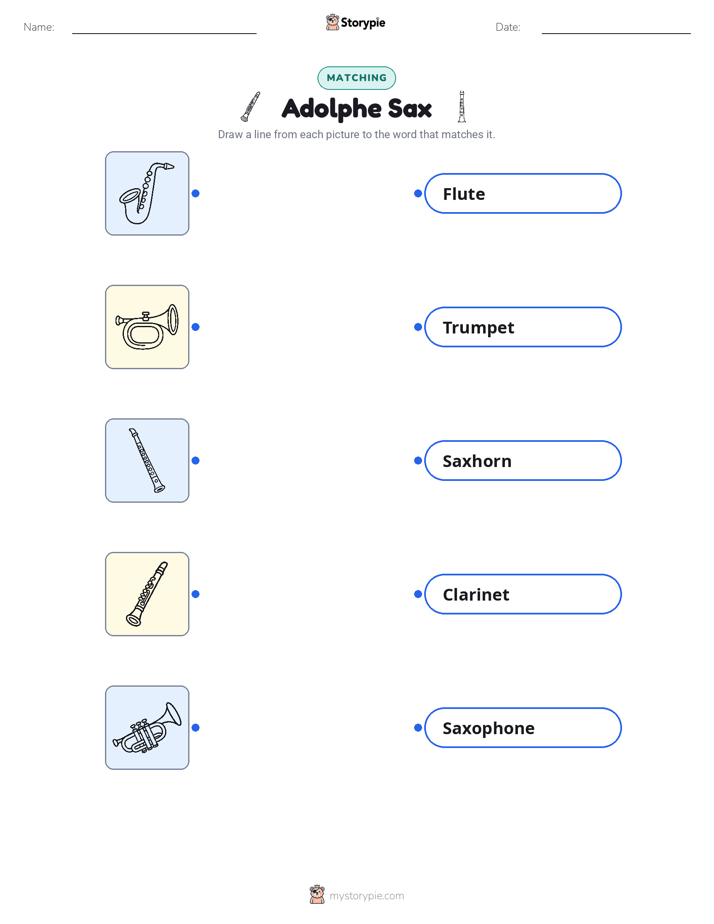
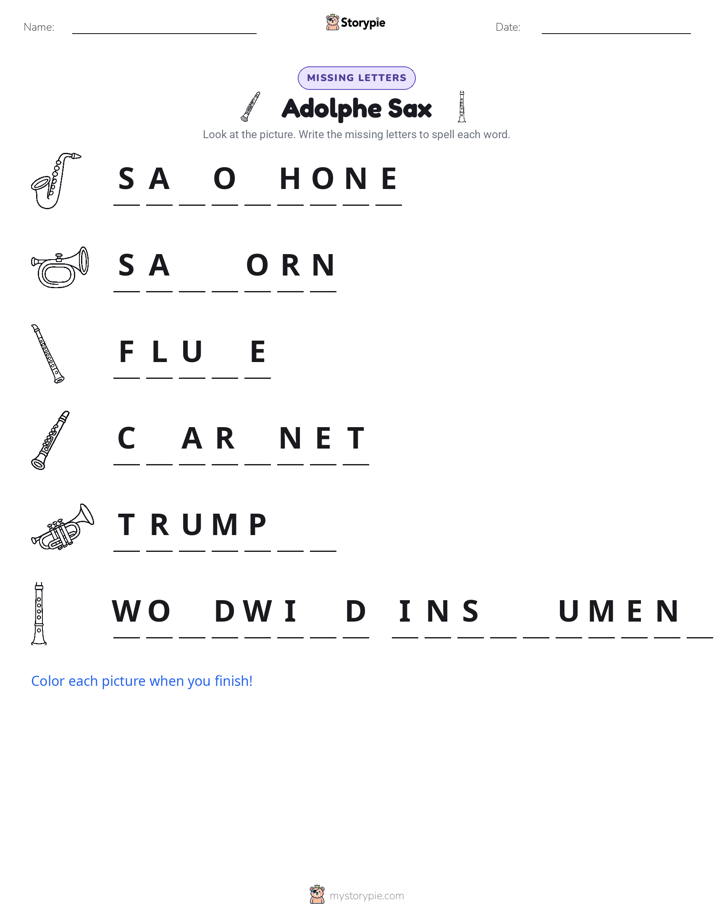
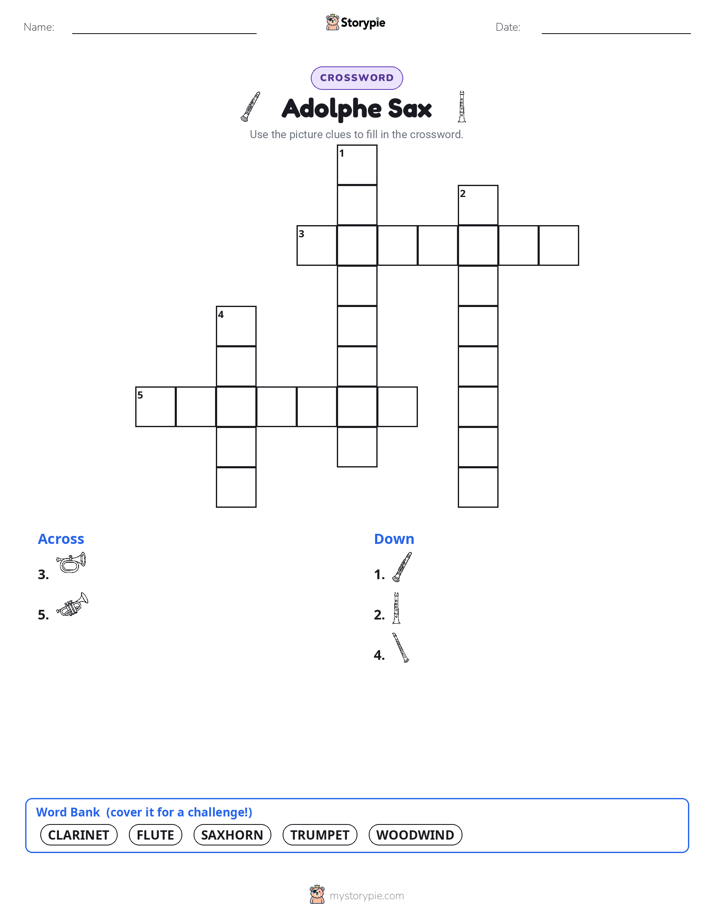
Print & create
Answer keys·No prep·Free with an account
28 worksheets · answer keys · full story · quiz · Ages 8-10 · CEFR B1
Plus adds 208,000+ more stories in 27 languages, audio for every one, and printables for all of them.
Just want Adolphe Sax?
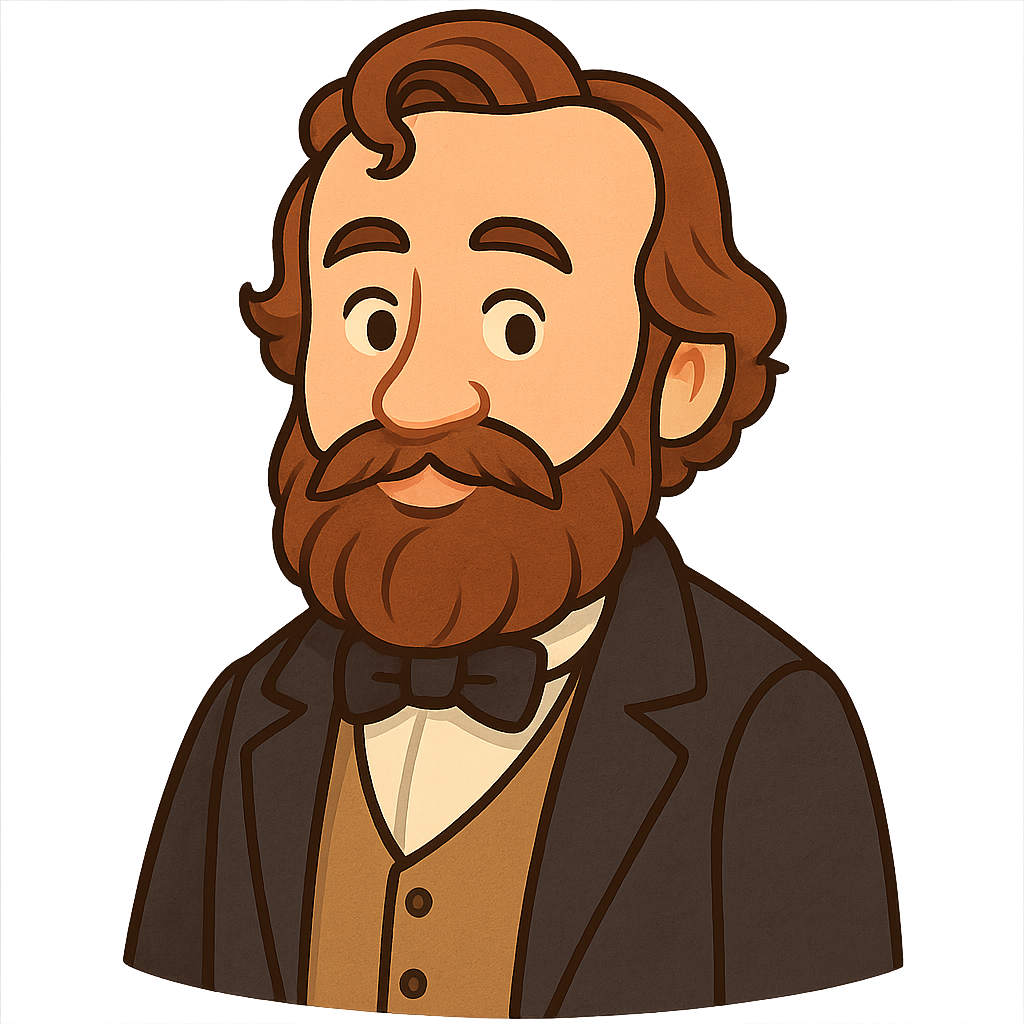
Hello. My name is Adolphe Sax. I was born on November 6th, 1814, in a town called Dinant in Belgium. My father, Charles-Joseph, was a brilliant instrument maker, and our home was always filled with the sounds of sawing, hammering, and music. I spent my childhood in his workshop, learning how to shape wood and metal into things that could sing. I was a very curious and, I must admit, a very clumsy child. I had so many accidents that my mother and neighbors nicknamed me 'the little ghost.' But I was also determined. By the time I was a teenager, I was already entering my own instruments into competitions. I also learned to play the flute and clarinet at the Royal Conservatory of Brussels, always dreaming of making new sounds the world had never heard before.
As I grew older and became a better musician, I noticed that something was missing in the orchestra. The string instruments were beautiful and soft, and the brass instruments were loud and powerful. But what about something in between? The woodwind instruments, like the clarinet, were agile but not always strong enough to be heard. I began experimenting. Around 1838, I took a bass clarinet and completely redesigned it. I improved its shape and keys, giving it a much richer and more powerful sound. This success made me even more ambitious. I decided that to truly share my ideas with the world, I needed to go where all the best musicians and composers were. So, in 1842, I packed my bags and moved to the bustling, music-filled city of Paris, France.
Adolphe Sax: The Man Who Invented the Saxophone
Hello. My name is Adolphe Sax. I was born on November 6th, 1814, in a town called Dinant in Belgium. My father, Charles-Joseph, was a brilliant instrument maker, and our home was always filled with the sounds of sawing, hammering, and music. I spent my childhood in his workshop, learning how to shape wood and metal into things that could sing. I was a very curious and, I must admit, a very clumsy child. I had so many accidents that my mother and neighbors nicknamed me 'the little ghost.' But I was also determined. By the time I was a teenager, I was already entering my own instruments into competitions. I also learned to play the flute and clarinet at the Royal Conservatory of Brussels, always dreaming of making new sounds the world had never heard before.
As I grew older and became a better musician, I noticed that something was missing in the orchestra. The string instruments were beautiful and soft, and the brass instruments were loud and powerful. But what about something in between? The woodwind instruments, like the clarinet, were agile but not always strong enough to be heard. I began experimenting. Around 1838, I took a bass clarinet and completely redesigned it. I improved its shape and keys, giving it a much richer and more powerful sound. This success made me even more ambitious. I decided that to truly share my ideas with the world, I needed to go where all the best musicians and composers were. So, in 1842, I packed my bags and moved to the bustling, music-filled city of Paris, France.
In Paris, I set up my own workshop and got to work on my biggest idea yet. I wanted to invent a completely new instrument. It would have the gentle, nimble fingers of a woodwind, like a clarinet, but the strong, bold voice of a brass instrument, like a trumpet. I imagined a cone-shaped body made of brass, with keys for your fingers and a single reed in the mouthpiece to make the sound. It was a brand new idea. I spent years carefully shaping the metal, calculating the right places for the holes, and perfecting the keys. Finally, I had it. It was a beautiful, gleaming instrument with a voice all its own. On June 28th, 1846, I was granted a patent for my invention, which I called the saxophone. I didn't just make one; I created a whole family of them, from the high-pitched soprano saxophone to the deep, booming bass saxophone.
At first, not everyone loved my new creation. Some musicians and other instrument makers thought it was too strange and too loud. They were used to the old instruments and didn't like change. Some of my competitors were so jealous that they tried to copy my designs and even took me to court to say I hadn't invented it. But I knew my saxophone was special, and I didn't give up. I found friends who believed in me, like the famous composer Hector Berlioz, who wrote that my instrument's sound was beautiful and unique. The French military bands loved the saxophone because it was strong enough to be heard outdoors in a parade. To prove how good my instruments were, I even organized a 'battle of the bands' in 1845 in Paris, where a band with my instruments competed against a traditional military band. My band won.
I spent the rest of my life inventing other instruments and teaching. In 1857, I became the very first saxophone professor at the famous Paris Conservatory. I taught many students how to play my invention, helping its music spread. I lived to be 79 years old. Though my life had many challenges, I never stopped creating. Today, the saxophone is one of the most popular instruments in the world. You can hear its amazing voice in jazz bands, rock and roll, orchestras, and marching bands. I am so proud that my dream of creating a new sound brought so much joy and music to people everywhere.
Wow facts
About
Adolphe Sax was a Belgian inventor and musician who is best known for inventing the saxophone in the 1840s.
Take a Quiz
Question 1 of 5
Why did Adolphe's mother and neighbors call him 'the little ghost' when he was a child?
Explore next



Want to do even more?
Go beyond exploring. Unlock tools that turn every story into real learning.

Storypie Plus for families
Full stories, quizzes, and printables. Nights and car rides, sorted.
- Unlimited audio stories
- Create Mode: your child stars in the story
- Offline downloads
- Printable worksheets & coloring pages

Why Storypie for Schools
Students engaged. Prep in seconds. Evenings back to you.
- Worksheets & Quizzes
- Classroom Management
- Formative Assessment
- Custom Curriculum & Lesson Plans
- 27 Languages

Why Storypie for Homeschool
Curriculum done. They'll ask for more. Hours back in your day.
- Worksheet Generator
- First-Person Audio Stories
- Built-in Comprehension Quizzes
- Custom Curriculum & Lesson Plans
- Print & Go Activities