English

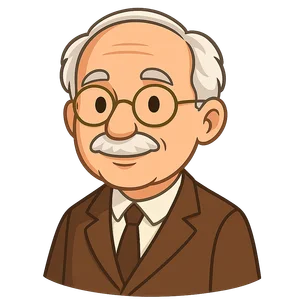
Carl Jung
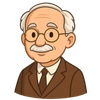
Carl Jung was a Swiss psychiatrist and psychoanalyst who founded analytical psychology.
Reads at Grades 6–8 Listens at Grades 4–8
Print & create
Answer keys·No prep·Free with an account
28 worksheets · answer keys · full story · quiz · Ages 10-12 · CEFR B2
Plus adds 279,000+ more stories in 27 languages, audio for every one, and printables for all of them.
Just want Carl Jung?
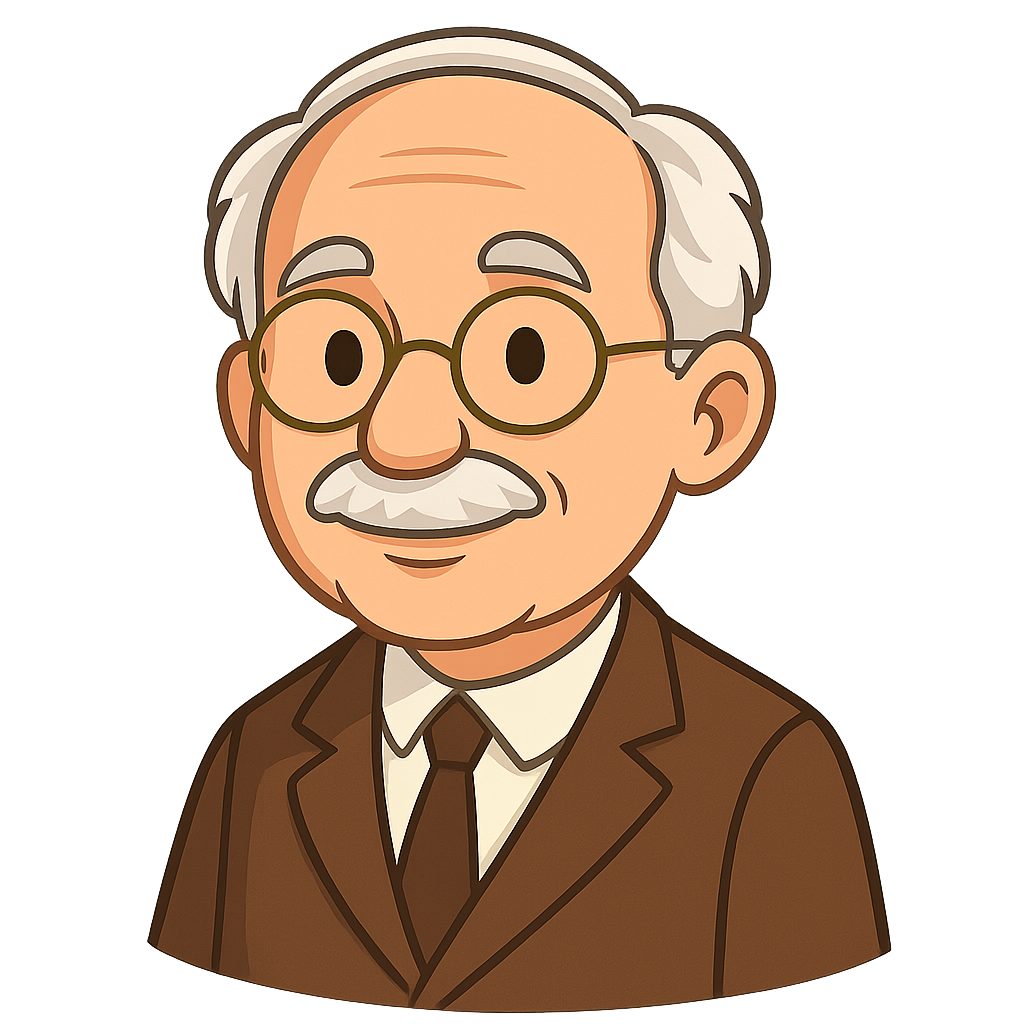
Hello, my name is Carl Jung. I was born in a small village in Switzerland on July 26th, 1875. My father was a pastor, and our home was quiet and filled with books. From a young age, I felt like I had two different sides to my personality. One was the ordinary schoolboy who did his lessons and played with friends, but the other was a secret, older self who thought deeply about the world and my place in it. I often spent time alone, carving small wooden figures and exploring the nature that surrounded my home. These quiet years sparked my curiosity about the hidden parts of the human mind—the world of dreams, symbols, and feelings that we don't always show on the outside.
When it was time for university in 1895, I enrolled at the University of Basel to study medicine. While the workings of the human body were fascinating, I found myself drawn even more to the complexities of the human spirit. I decided to specialize in psychiatry, which was a new and developing field at the time. In 1900, I began my career at the Burghölzli hospital in Zurich. There, I would sit and listen to my patients' stories for hours on end. I wasn't just interested in their symptoms; I wanted to understand the deeper meaning behind their thoughts, dreams, and experiences. I began to see the mind as a vast, unexplored country, and I felt a strong desire to be the one to map its terrain.
During this period, I discovered the writings of a brilliant doctor from Vienna named Sigmund Freud. His ideas about the unconscious mind were revolutionary and were changing how people understood psychology. I wrote to him to share my own thoughts, and in 1907, we finally met in person. Our connection was immediate; we talked for thirteen hours straight. We quickly became very close friends and colleagues, and for a while, he considered me his intellectual heir, the person who would carry on his important work. However, as the years passed, my own research and thinking led me in a different direction. I started to believe that the mind was even larger and more mysterious than he had proposed.
Carl Jung
Hello, my name is Carl Jung. I was born in a small village in Switzerland on July 26th, 1875. My father was a pastor, and our home was quiet and filled with books. From a young age, I felt like I had two different sides to my personality. One was the ordinary schoolboy who did his lessons and played with friends, but the other was a secret, older self who thought deeply about the world and my place in it. I often spent time alone, carving small wooden figures and exploring the nature that surrounded my home. These quiet years sparked my curiosity about the hidden parts of the human mind—the world of dreams, symbols, and feelings that we don't always show on the outside.
When it was time for university in 1895, I enrolled at the University of Basel to study medicine. While the workings of the human body were fascinating, I found myself drawn even more to the complexities of the human spirit. I decided to specialize in psychiatry, which was a new and developing field at the time. In 1900, I began my career at the Burghölzli hospital in Zurich. There, I would sit and listen to my patients' stories for hours on end. I wasn't just interested in their symptoms; I wanted to understand the deeper meaning behind their thoughts, dreams, and experiences. I began to see the mind as a vast, unexplored country, and I felt a strong desire to be the one to map its terrain.
During this period, I discovered the writings of a brilliant doctor from Vienna named Sigmund Freud. His ideas about the unconscious mind were revolutionary and were changing how people understood psychology. I wrote to him to share my own thoughts, and in 1907, we finally met in person. Our connection was immediate; we talked for thirteen hours straight. We quickly became very close friends and colleagues, and for a while, he considered me his intellectual heir, the person who would carry on his important work. However, as the years passed, my own research and thinking led me in a different direction. I started to believe that the mind was even larger and more mysterious than he had proposed.
My friendship with Dr. Freud came to an end around 1913, shortly after I published a book that outlined my new theories. It was a painful and difficult period for me, but I knew I had to follow my own path and be true to my discoveries. I proposed that deep within every person, there exists something I called the 'collective unconscious.' I described this as a kind of shared, inherited memory bank for all of humanity, filled with powerful images, stories, and symbols that have been with us since the beginning of time. These universal patterns, which I named 'archetypes,' appear in our myths, religions, fairy tales, and dreams. You might recognize them in familiar figures like the hero, the wise old guide, or the mischievous trickster.
Have you ever been described as shy or outgoing? In 1921, I published a book called 'Psychological Types' that explored these very concepts. I was one of the first people to scientifically describe introverts—people who gain energy from their inner world of thoughts and feelings—and extraverts, who draw their energy from being with other people and engaging with the world around them. I wanted to make it clear that both ways of being were perfectly normal and valuable. My goal was to help people find a healthy balance between their inner and outer lives. Understanding our own psychological type, I believed, could help us better understand ourselves and relate to others with more compassion.
I spent the rest of my life writing, traveling the world to study different cultures, and continuing my exploration of the human psyche. I lived to be 85 years old, passing away in 1961. Today, my ideas about archetypes, introversion, extraversion, and the collective unconscious are used not just by psychologists, but also by writers, artists, and many people who seek a deeper understanding of themselves. I hope my work reminds you that your inner world of thoughts, dreams, and feelings is just as important and real as the world outside. The greatest adventure you can ever take is the journey to know yourself.
Wow facts
About
Carl Jung was a Swiss psychiatrist and psychoanalyst who founded analytical psychology. He is known for his influential concepts of the collective unconscious, archetypes, and psychological types like introversion and extraversion.
Take a Quiz
Question 1 of 5
What is the main theme of Carl Jung's story?
Explore next





Want to do even more?
Go beyond exploring. Unlock tools that turn every story into real learning.

Storypie Plus for families
Full stories, quizzes, and printables. Nights and car rides, sorted.
- Unlimited audio stories
- Create Mode: your child stars in the story
- Offline downloads
- Printable worksheets & coloring pages

Why Storypie for Schools
Students engaged. Prep in seconds. Evenings back to you.
- Worksheets & Quizzes
- Classroom Management
- Formative Assessment
- Custom Curriculum & Lesson Plans
- 27 Languages

Why Storypie for Homeschool
Curriculum done. They'll ask for more. Hours back in your day.
- Worksheet Generator
- First-Person Audio Stories
- Built-in Comprehension Quizzes
- Custom Curriculum & Lesson Plans
- Print & Go Activities