English

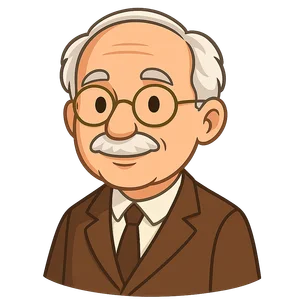
Carl Jung
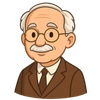
Carl Jung was a Swiss psychiatrist and psychoanalyst who founded analytical psychology.
Reads at Grades 3–5 Listens at Grades 1–5
Print & create
Answer keys·No prep·Free with an account
28 worksheets · answer keys · full story · quiz · Ages 8-10 · CEFR B1
Plus adds 279,000+ more stories in 27 languages, audio for every one, and printables for all of them.
Just want Carl Jung?
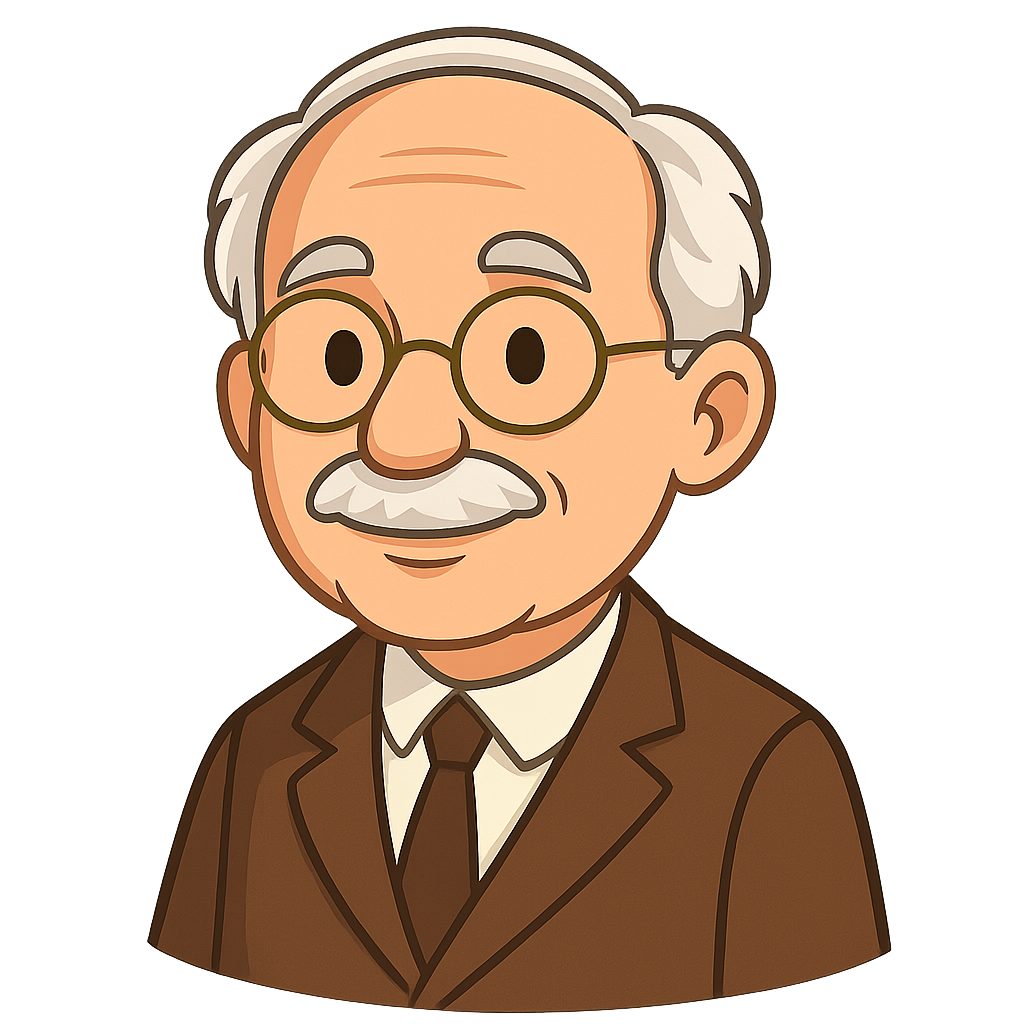
Hello! My name is Carl Jung. I was born on July 26th, 1875, in a small town in Switzerland. Even as a boy, I was fascinated by people. I wondered, why are we all so different? I loved hearing old stories and looking at ancient symbols. I also paid close attention to my dreams. I felt they were like secret messages from a hidden part of myself. This curiosity about the inner world of people would guide my entire life.
When it was time for college, I decided to become a doctor. I started studying medicine at the University of Basel in 1895. But I wasn't just interested in fixing broken bones. I wanted to understand the mind. This led me to a special field called psychiatry. In 1900, I began working at a hospital where I could help people who were struggling with their thoughts and feelings. I listened to their stories and tried to understand their dreams, just as I had done with my own. It was like being a detective of the human mind.
In 1907, I met another famous doctor named Sigmund Freud. He also believed that our hidden thoughts, which he called the 'unconscious mind,' were very important. We became good friends and talked for hours and hours about our ideas. But over time, I realized we saw things a little differently. I believed there was an even deeper part of the mind that we all share, filled with ideas and symbols common to all people everywhere, throughout all of history. I called this the 'collective unconscious.' Our different ideas meant we eventually went our separate ways, but I was excited to explore my own theories.
Carl Jung: A Journey into the Mind
Hello! My name is Carl Jung. I was born on July 26th, 1875, in a small town in Switzerland. Even as a boy, I was fascinated by people. I wondered, why are we all so different? I loved hearing old stories and looking at ancient symbols. I also paid close attention to my dreams. I felt they were like secret messages from a hidden part of myself. This curiosity about the inner world of people would guide my entire life.
When it was time for college, I decided to become a doctor. I started studying medicine at the University of Basel in 1895. But I wasn't just interested in fixing broken bones. I wanted to understand the mind. This led me to a special field called psychiatry. In 1900, I began working at a hospital where I could help people who were struggling with their thoughts and feelings. I listened to their stories and tried to understand their dreams, just as I had done with my own. It was like being a detective of the human mind.
In 1907, I met another famous doctor named Sigmund Freud. He also believed that our hidden thoughts, which he called the 'unconscious mind,' were very important. We became good friends and talked for hours and hours about our ideas. But over time, I realized we saw things a little differently. I believed there was an even deeper part of the mind that we all share, filled with ideas and symbols common to all people everywhere, throughout all of history. I called this the 'collective unconscious.' Our different ideas meant we eventually went our separate ways, but I was excited to explore my own theories.
Have you ever met someone who is quiet and thoughtful, and someone else who is outgoing and loves being in a crowd? In my 1921 book, Psychological Types, I came up with names for these personality types: introverts and extroverts. I realized that people get their energy in different ways. I also studied the powerful characters that appear in stories and myths all over the world, like the hero, the wise old sage, or the trickster. I called these 'archetypes' and believed they were part of that collective unconscious, helping us understand our world and ourselves.
I spent my life traveling, writing, and helping people understand their inner selves. I wrote many books and shared my ideas with the world. I lived to be 85 years old, passing away on June 6th, 1961. Today, people still use my ideas to understand personality, dreams, and the stories we tell. My work helps show us that exploring our own minds can be one of the greatest adventures of all, helping us to live richer, more complete lives.
Wow facts
About
Carl Jung was a Swiss psychiatrist and psychoanalyst who founded analytical psychology. He is known for his influential concepts of the collective unconscious, archetypes, and psychological types like introversion and extraversion.
Take a Quiz
Question 1 of 5
In the story, I said I was 'fascinated' by people as a boy. What does fascinated mean?
Explore next





Want to do even more?
Go beyond exploring. Unlock tools that turn every story into real learning.

Storypie Plus for families
Full stories, quizzes, and printables. Nights and car rides, sorted.
- Unlimited audio stories
- Create Mode: your child stars in the story
- Offline downloads
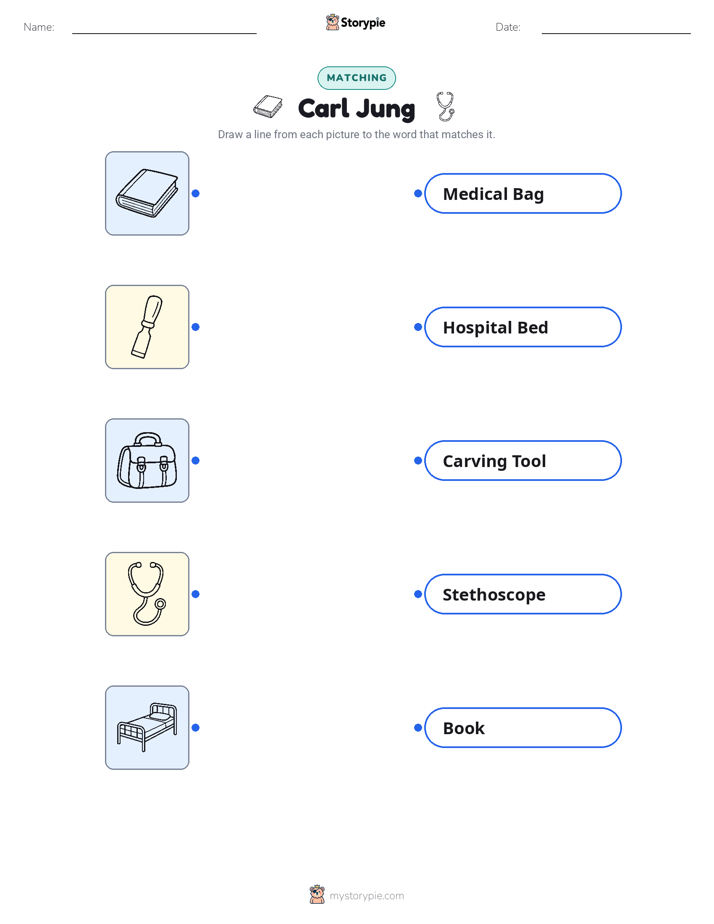
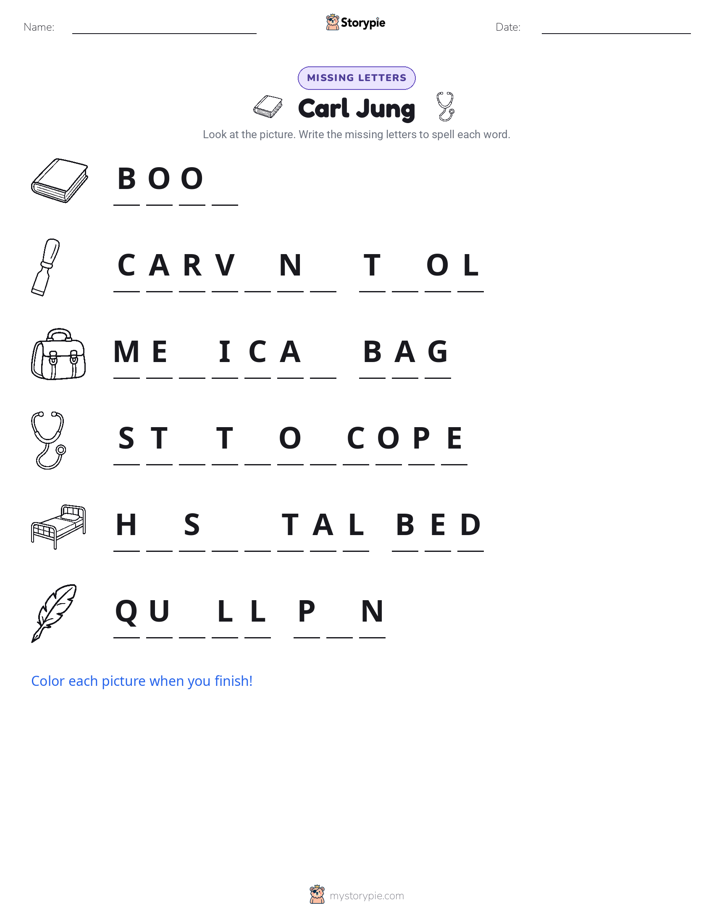
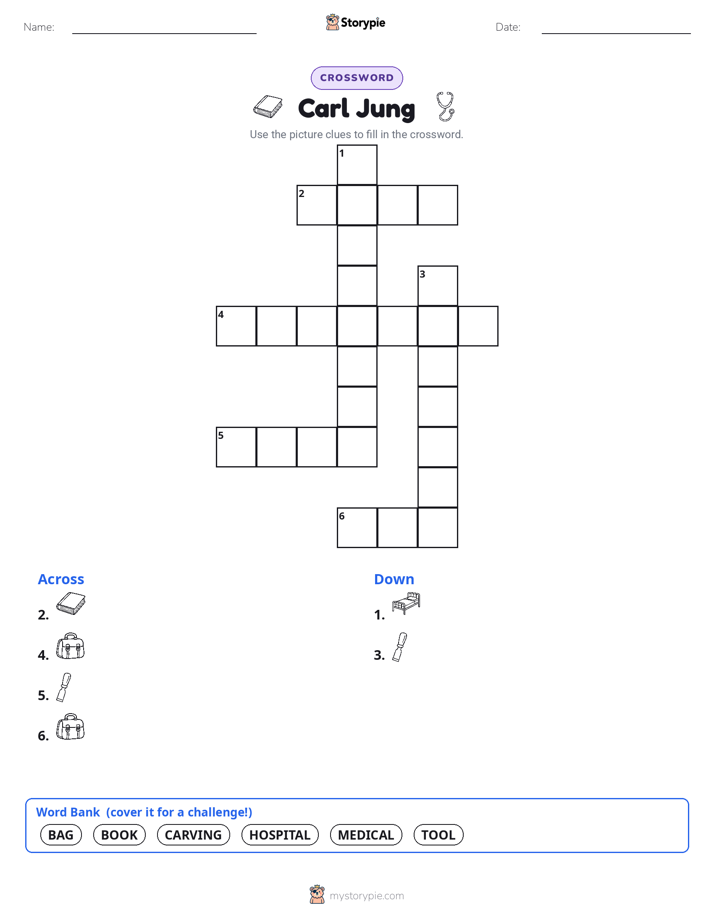
- Printable worksheets & coloring pages

Why Storypie for Schools
Students engaged. Prep in seconds. Evenings back to you.
- Worksheets & Quizzes
- Classroom Management
- Formative Assessment
- Custom Curriculum & Lesson Plans
- 27 Languages

Why Storypie for Homeschool
Curriculum done. They'll ask for more. Hours back in your day.
- Worksheet Generator
- First-Person Audio Stories
- Built-in Comprehension Quizzes
- Custom Curriculum & Lesson Plans
- Print & Go Activities