English

Carl Rogers
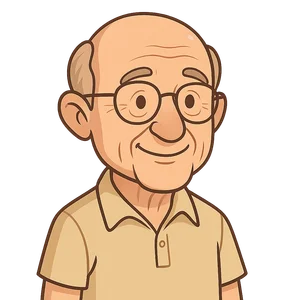
Carl Rogers was an American psychologist and a founder of humanistic psychology…
Reads at Grades 3–5 Listens at Grades 1–5
Print & create
Answer keys·No prep·Free with an account
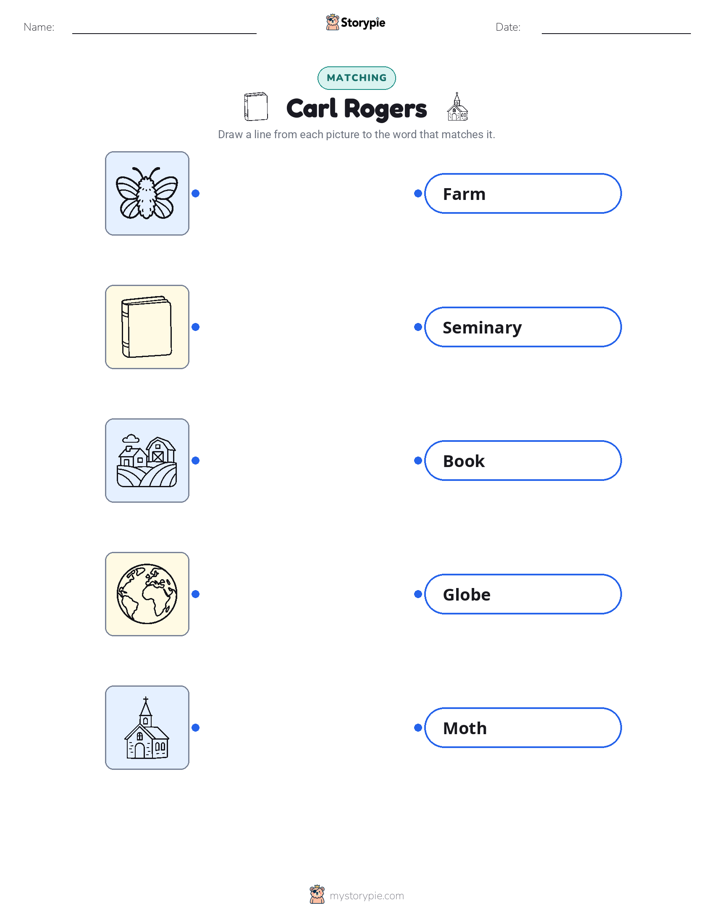
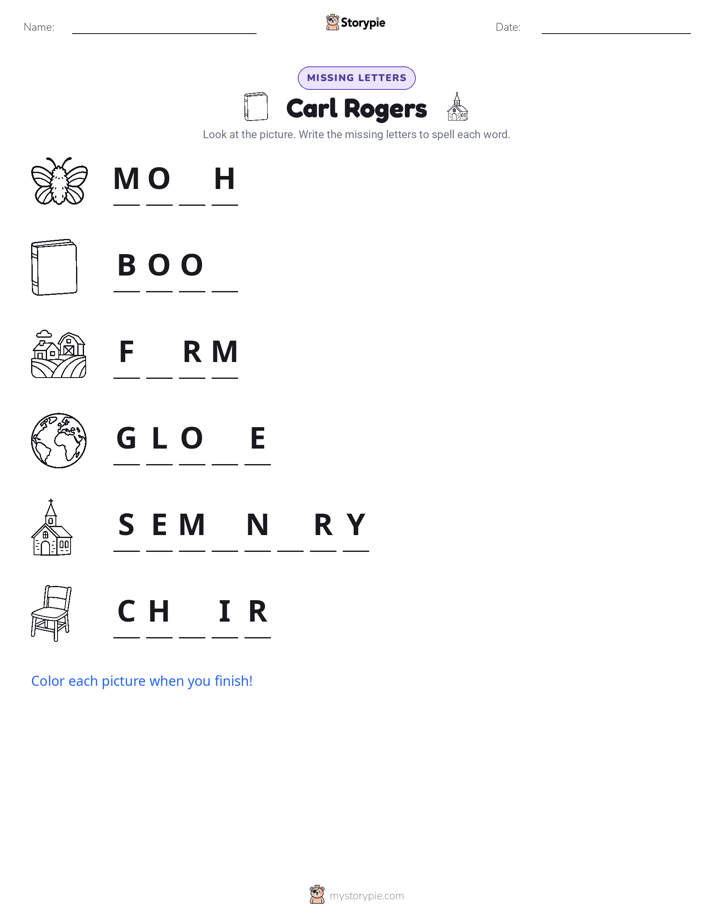
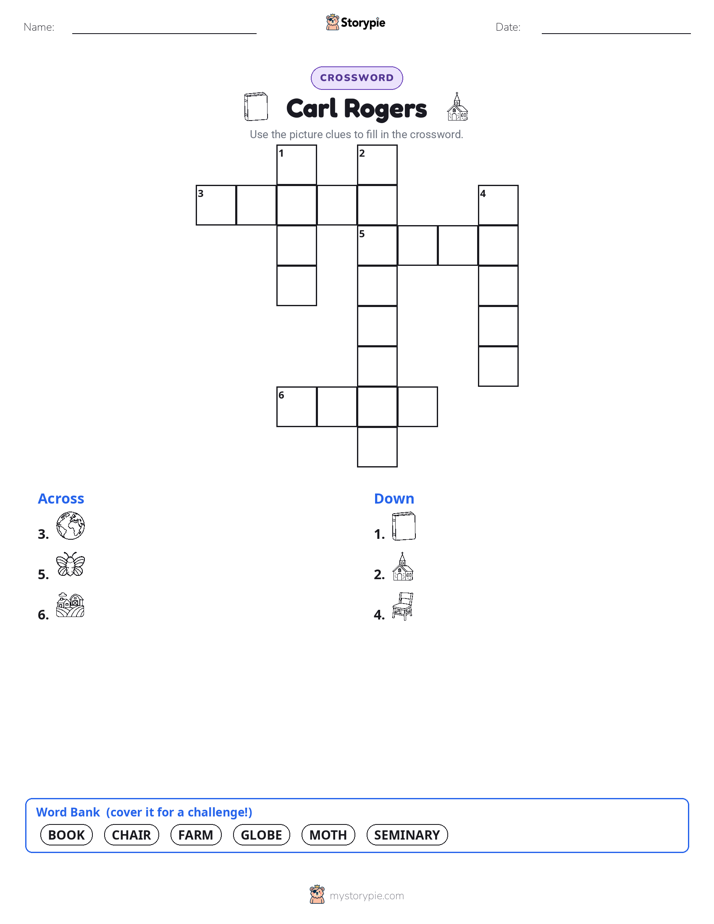
28 worksheets · answer keys · full story · quiz · Ages 8-10 · CEFR B1
Plus adds 244,000+ more stories in 27 languages, audio for every one, and printables for all of them.
Just want Carl Rogers?
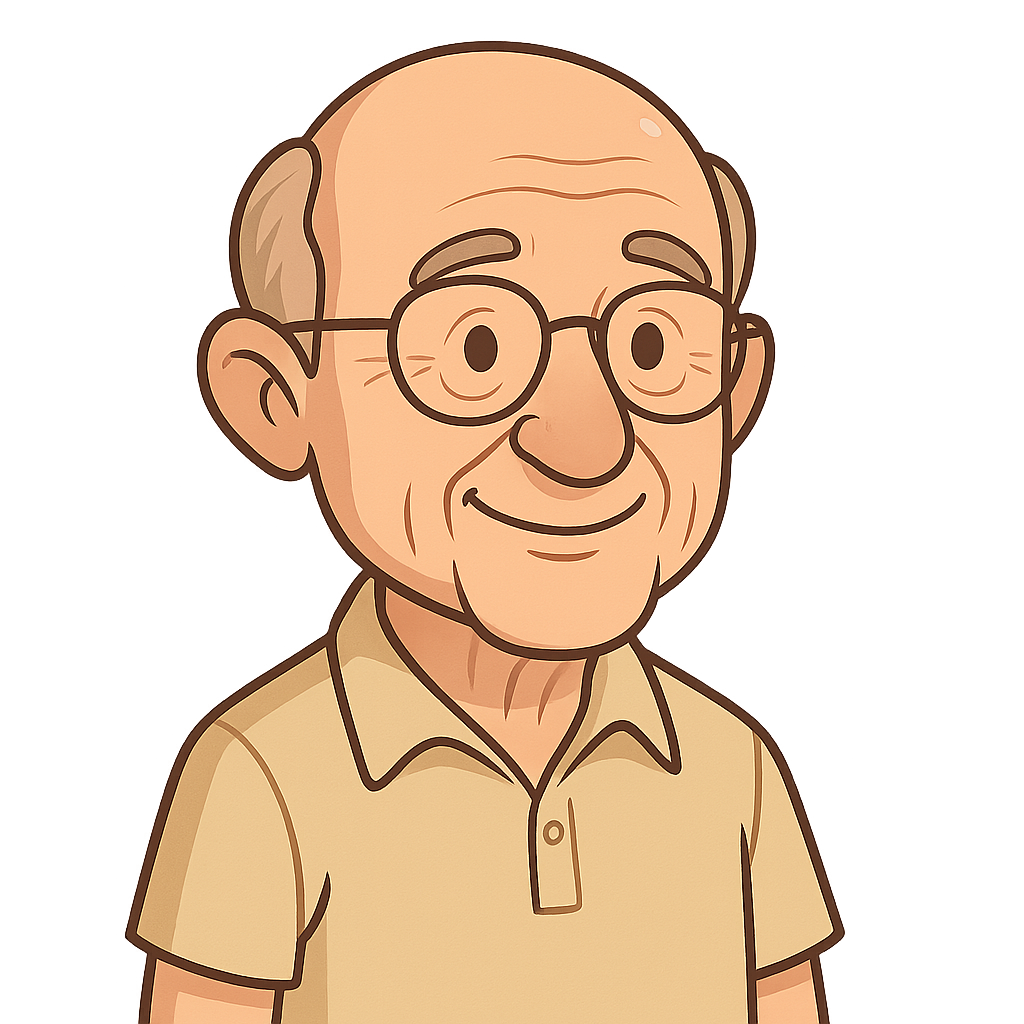
Hello! My name is Carl Rogers. I was born on January 8th, 1902, in a town called Oak Park, Illinois. When I was 12 years old, my family moved to a big farm, and it was there that my love for science and farming grew. I spent hours reading books about agriculture. I was so curious that I even raised moths in my bedroom, carefully observing how they grew and changed each day. This taught me to be a patient observer, watching carefully without interfering. This skill of quiet observation would become very important later in my life.
In 1922, I went to the University of Wisconsin to study agriculture, but I soon found myself more interested in history and understanding people. That same year, I was chosen to travel to China for a special conference. It was an amazing trip that opened my eyes to different cultures and ideas from around the world. I began to understand that everyone sees the world in their own unique way, and there isn't just one right way to think. After college, I moved to New York City. At first, I thought I wanted to be a minister, but I soon realized that what I really wanted to do was help people directly with their problems. So, I decided to study psychology and earned my Ph.D. from Columbia University in 1931.
I started my career working with children and adults who were struggling with their feelings and challenges. I noticed something very important. When I simply listened to them with my full attention and without judging them, they started to figure out their own solutions. I came to believe that every person has the power to grow and heal inside of them, like a seed that just needs the right conditions. I called this idea 'client-centered therapy' and wrote a book about it in 1951. Instead of acting like an expert who had all the answers, I tried to be a warm, genuine, and understanding friend. I believed in showing 'unconditional positive regard,' which is a fancy way of saying that I cared for people just as they were. This helped them feel safe enough to be themselves and make positive changes in their lives.
Carl Rogers: The Power of Listening
Hello! My name is Carl Rogers. I was born on January 8th, 1902, in a town called Oak Park, Illinois. When I was 12 years old, my family moved to a big farm, and it was there that my love for science and farming grew. I spent hours reading books about agriculture. I was so curious that I even raised moths in my bedroom, carefully observing how they grew and changed each day. This taught me to be a patient observer, watching carefully without interfering. This skill of quiet observation would become very important later in my life.
In 1922, I went to the University of Wisconsin to study agriculture, but I soon found myself more interested in history and understanding people. That same year, I was chosen to travel to China for a special conference. It was an amazing trip that opened my eyes to different cultures and ideas from around the world. I began to understand that everyone sees the world in their own unique way, and there isn't just one right way to think. After college, I moved to New York City. At first, I thought I wanted to be a minister, but I soon realized that what I really wanted to do was help people directly with their problems. So, I decided to study psychology and earned my Ph.D. from Columbia University in 1931.
I started my career working with children and adults who were struggling with their feelings and challenges. I noticed something very important. When I simply listened to them with my full attention and without judging them, they started to figure out their own solutions. I came to believe that every person has the power to grow and heal inside of them, like a seed that just needs the right conditions. I called this idea 'client-centered therapy' and wrote a book about it in 1951. Instead of acting like an expert who had all the answers, I tried to be a warm, genuine, and understanding friend. I believed in showing 'unconditional positive regard,' which is a fancy way of saying that I cared for people just as they were. This helped them feel safe enough to be themselves and make positive changes in their lives.
My ideas weren't just for therapy sessions. I believed they could help in many parts of life, like in schools, families, and even between countries that were in conflict. I thought teachers should trust students to be curious learners and that parents could help their children grow by listening with empathy, which means trying to understand how another person feels. Later in my life, I traveled the world, bringing groups of people together who disagreed strongly. I helped them listen to each other's feelings and perspectives. For this work in promoting peace, I was nominated for the Nobel Peace Prize just before my life ended in 1987.
I lived a full and wonderful life for 85 years. My journey taught me that one of the most powerful things we can do for another person is to truly listen and accept them for who they are. Today, my ideas about empathy and person-centered helping are used by counselors, teachers, doctors, and leaders all over the world. I hope my story reminds you that you have the power to grow within you, and that by listening with kindness, you can help others grow, too.
Wow facts
About
Carl Rogers was an American psychologist and a founder of humanistic psychology, best known for developing person-centered therapy.
Take a Quiz
Question 1 of 5
What did I raise in my bedroom as a boy that taught me to be a patient observer?
Explore next






Want to do even more?
Go beyond exploring. Unlock tools that turn every story into real learning.

Storypie Plus for families
Full stories, quizzes, and printables. Nights and car rides, sorted.
- Unlimited audio stories
- Create Mode: your child stars in the story
- Offline downloads
- Printable worksheets & coloring pages

Why Storypie for Schools
Students engaged. Prep in seconds. Evenings back to you.
- Worksheets & Quizzes
- Classroom Management
- Formative Assessment
- Custom Curriculum & Lesson Plans
- 27 Languages

Why Storypie for Homeschool
Curriculum done. They'll ask for more. Hours back in your day.
- Worksheet Generator
- First-Person Audio Stories
- Built-in Comprehension Quizzes
- Custom Curriculum & Lesson Plans
- Print & Go Activities