English

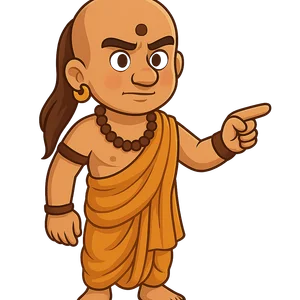
Chanakya
An ancient Indian teacher, philosopher…
Reads at Grades 6–8 Listens at Grades 4–8
Print & create
Answer keys·No prep·Free with an account
28 worksheets · answer keys · full story · quiz · Ages 10-12 · CEFR B2
Plus adds 244,000+ more stories in 27 languages, audio for every one, and printables for all of them.
Just want Chanakya?
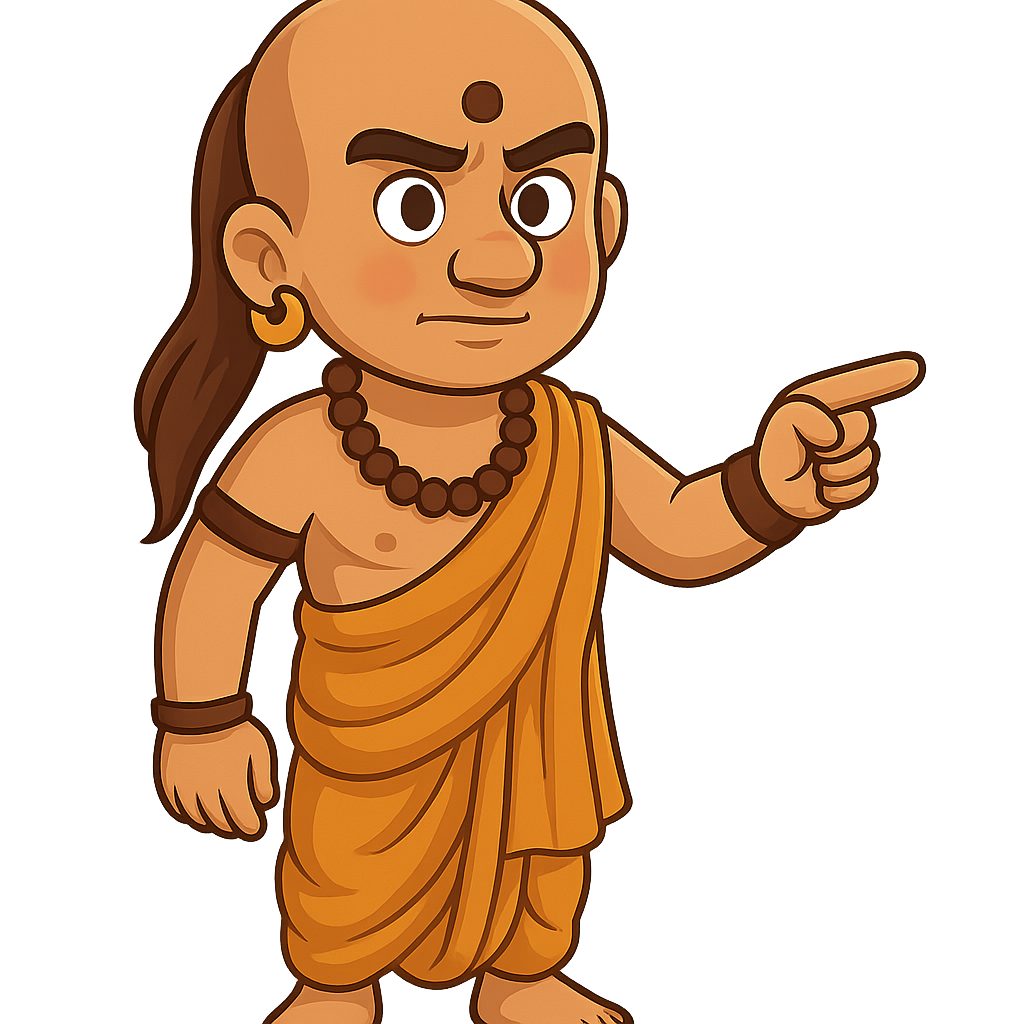
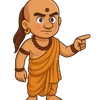
Hello, my name is Chanakya, though over the centuries, I have also been known by the names Kautilya and Vishnugupta. My story begins in ancient India, where I was born around the year 375 BCE. From my earliest days, I was filled with an endless curiosity and a deep passion for learning. This love of knowledge led me to become an 'acharya,' which is a respected teacher, at one of the greatest centers of learning in the ancient world: the university of Takshashila. It was a place where ideas thrived, and students from all over came to study. While I taught many subjects, I was most fascinated by how kingdoms were run. I spent countless hours studying economics, politics, and military strategy. I wanted to understand what made some kingdoms strong and prosperous while others fell into chaos. I believed that a wise and just ruler was the key to helping their people live safe and happy lives, and this belief would soon guide my entire destiny.
During my time, the land was under the control of the Nanda Dynasty, which ruled from its grand capital city, Pataliputra. The king, Dhana Nanda, was known to be powerful, but he was also arrogant and cruel to his people. Around the year 326 BCE, I traveled to his court, hoping to share my knowledge. However, when I arrived, the king did not see a scholar standing before him. He saw my simple clothes and plain appearance and chose to mock me. In front of his entire assembly, King Dhana Nanda publicly insulted my wisdom and dismissed me without respect. This act was more than just a personal offense; it was a deep disrespect for learning and the pursuit of knowledge itself. In that moment of humiliation, I made a solemn vow. I promised myself that I would not rest until I had removed this unworthy king from his throne and found a ruler who was truly deserving of leading the people.
Chanakya: The Teacher Who Built an Empire
Hello, my name is Chanakya, though over the centuries, I have also been known by the names Kautilya and Vishnugupta. My story begins in ancient India, where I was born around the year 375 BCE. From my earliest days, I was filled with an endless curiosity and a deep passion for learning. This love of knowledge led me to become an 'acharya,' which is a respected teacher, at one of the greatest centers of learning in the ancient world: the university of Takshashila. It was a place where ideas thrived, and students from all over came to study. While I taught many subjects, I was most fascinated by how kingdoms were run. I spent countless hours studying economics, politics, and military strategy. I wanted to understand what made some kingdoms strong and prosperous while others fell into chaos. I believed that a wise and just ruler was the key to helping their people live safe and happy lives, and this belief would soon guide my entire destiny.
During my time, the land was under the control of the Nanda Dynasty, which ruled from its grand capital city, Pataliputra. The king, Dhana Nanda, was known to be powerful, but he was also arrogant and cruel to his people. Around the year 326 BCE, I traveled to his court, hoping to share my knowledge. However, when I arrived, the king did not see a scholar standing before him. He saw my simple clothes and plain appearance and chose to mock me. In front of his entire assembly, King Dhana Nanda publicly insulted my wisdom and dismissed me without respect. This act was more than just a personal offense; it was a deep disrespect for learning and the pursuit of knowledge itself. In that moment of humiliation, I made a solemn vow. I promised myself that I would not rest until I had removed this unworthy king from his throne and found a ruler who was truly deserving of leading the people.
My vow set me on a new path. I left the city behind and began a long search across the land for a young person who possessed the qualities of a true leader—someone with intelligence, courage, and a strong sense of justice. My search eventually led me to a small village, where I witnessed something remarkable. I saw a group of boys playing a game, and one of them, a young boy named Chandragupta Maurya, was pretending to be a king. I watched, hidden from view, as he sat upon a raised mound of earth, acting as a judge for his friends. He listened carefully to their pretend disputes and delivered his judgments with such fairness and wisdom that I was astonished. He showed a natural understanding of leadership and justice that could not be taught. In that moment, I knew my search was over. I had found the person destined to unite the kingdom.
I approached young Chandragupta and offered to become his mentor. I brought him back with me to the university at Takshashila, where I dedicated myself to shaping him into the leader I knew he could be. For years, I taught him everything I had learned about military strategy, political science, and economics. We studied the histories of great empires and analyzed the mistakes of failed rulers. I trained him not just to be a warrior, but to be a statesman—a ruler who could build a strong and stable government. Together, we began to gather allies and raise a small but determined army. Our goal was clear: to challenge the might of the Nanda Dynasty and replace its corrupt king with a true emperor. Our campaign was carefully planned, and through brilliant strategy, we fought our way toward the capital. Around the year 322 BCE, our forces conquered Pataliputra, and King Dhana Nanda was defeated.
Seeing my student, Chandragupta Maurya, ascend the throne as the first emperor of the great Maurya Empire was the fulfillment of my vow. But my work was not finished. I stayed by his side and became his chief advisor, helping him establish a government that was organized, efficient, and fair for all its citizens. To ensure that the principles of good governance would last long after I was gone, I decided to write down everything I knew. I compiled my life’s work into a book called the Arthashastra. The name itself explains its purpose; in the ancient Sanskrit language, 'artha' means wealth or worldly success, and 'shastra' means a manual or a guide. It was a complete handbook for any ruler. In its pages, I detailed my ideas on how to manage a kingdom’s economy, how to conduct foreign policy, how to create fair laws, and how to protect the people from both internal and external threats. My goal was to provide a clear blueprint for building a prosperous and secure society.
After Emperor Chandragupta’s reign, I continued my service to the empire as an advisor to his son, Bindusara. I lived a long and full life and passed away around 283 BCE, having lived to be about 92 years old. Though my life came to an end, my work and ideas lived on. I am remembered today as the teacher and strategist who helped guide a young boy to become the founder of one of ancient India’s greatest empires. My book, the Arthashastra, was lost for many centuries but was rediscovered in 1905 CE. It is now studied by leaders, scholars, and students all over the world who wish to understand the timeless principles of economics and governance.
Wow facts
About
An ancient Indian teacher, philosopher, and royal advisor who was important in the creation of the Mauryan Empire and is traditionally thought to have written the political book called the Arthashastra. However, some experts today are not sure if he really wrote it. The book names its author as Kauṭilya, and one part calls him Vishnugupta. Some people think Chanakya, Kauṭilya, and Vishnugupta might be the same person, while others believe they are different people. The true authorship of the book is still being discussed.
Take a Quiz
Question 1 of 5
Based on the story, what character trait did Chanakya value most in a leader?
Explore next






Want to do even more?
Go beyond exploring. Unlock tools that turn every story into real learning.

Storypie Plus for families
Full stories, quizzes, and printables. Nights and car rides, sorted.
- Unlimited audio stories
- Create Mode: your child stars in the story
- Offline downloads
- Printable worksheets & coloring pages

Why Storypie for Schools
Students engaged. Prep in seconds. Evenings back to you.
- Worksheets & Quizzes
- Classroom Management
- Formative Assessment
- Custom Curriculum & Lesson Plans
- 27 Languages

Why Storypie for Homeschool
Curriculum done. They'll ask for more. Hours back in your day.
- Worksheet Generator
- First-Person Audio Stories
- Built-in Comprehension Quizzes
- Custom Curriculum & Lesson Plans
- Print & Go Activities