English

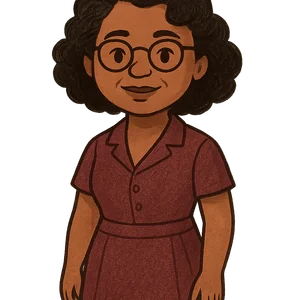
Dorothy Vaughan
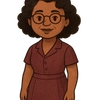
Dorothy Vaughan was an African American mathematician and human computer who was the first African American…
Reads at Grades 3–5 Listens at Grades 1–5
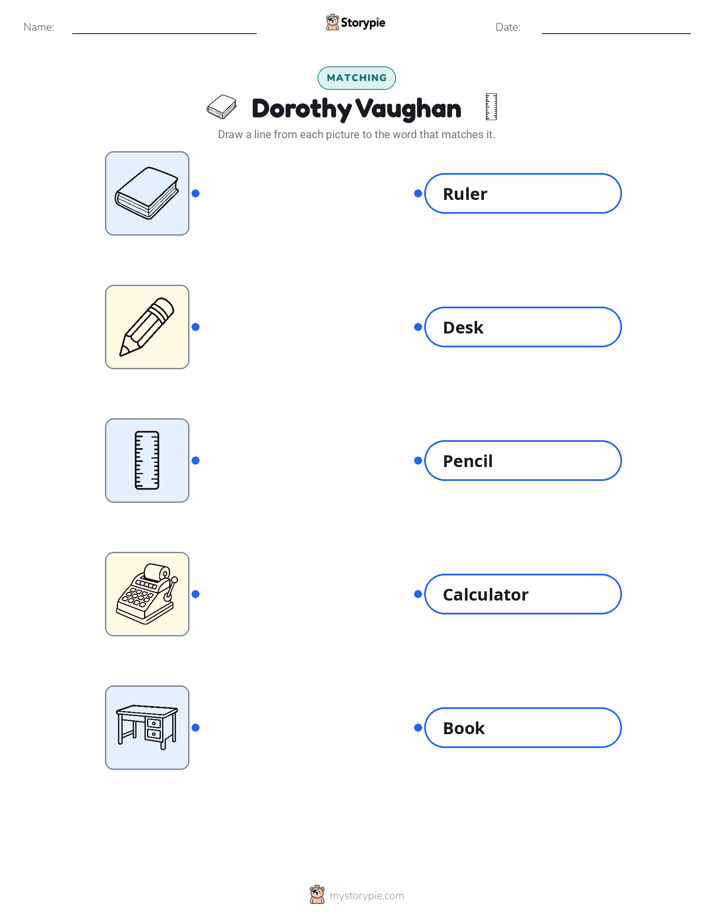
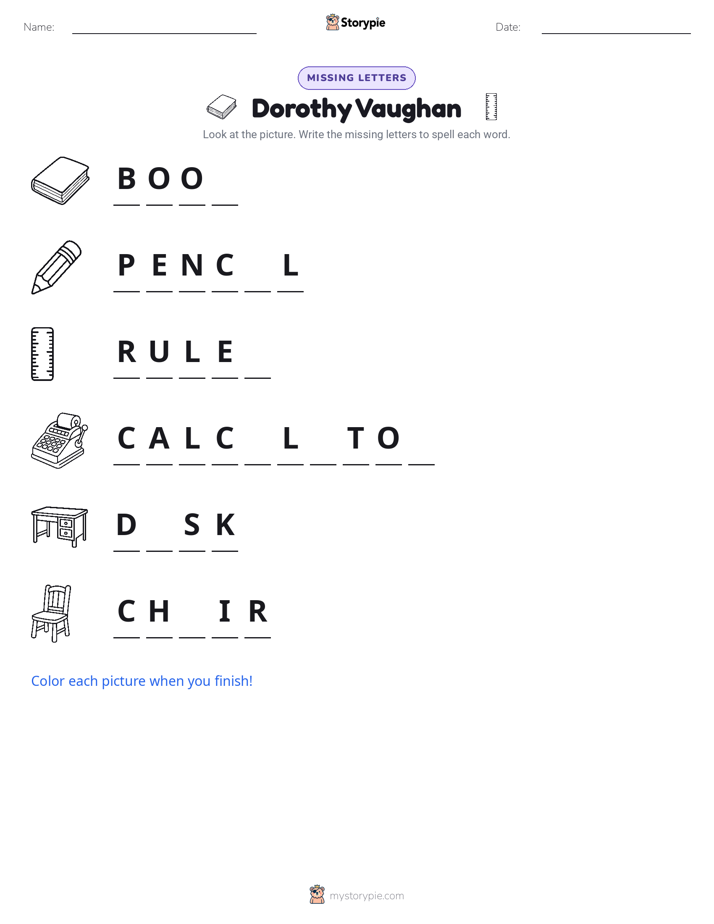
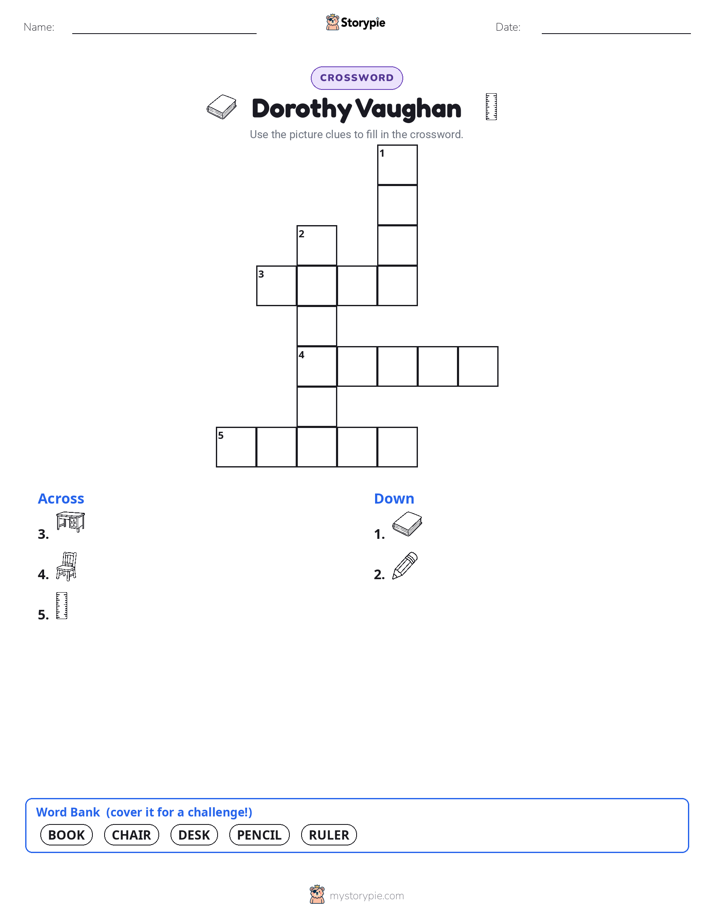
Print & create
Answer keys·No prep·Free with an account
28 worksheets · answer keys · full story · quiz · Ages 8-10 · CEFR B1
Plus adds 208,000+ more stories in 27 languages, audio for every one, and printables for all of them.
Just want Dorothy Vaughan?
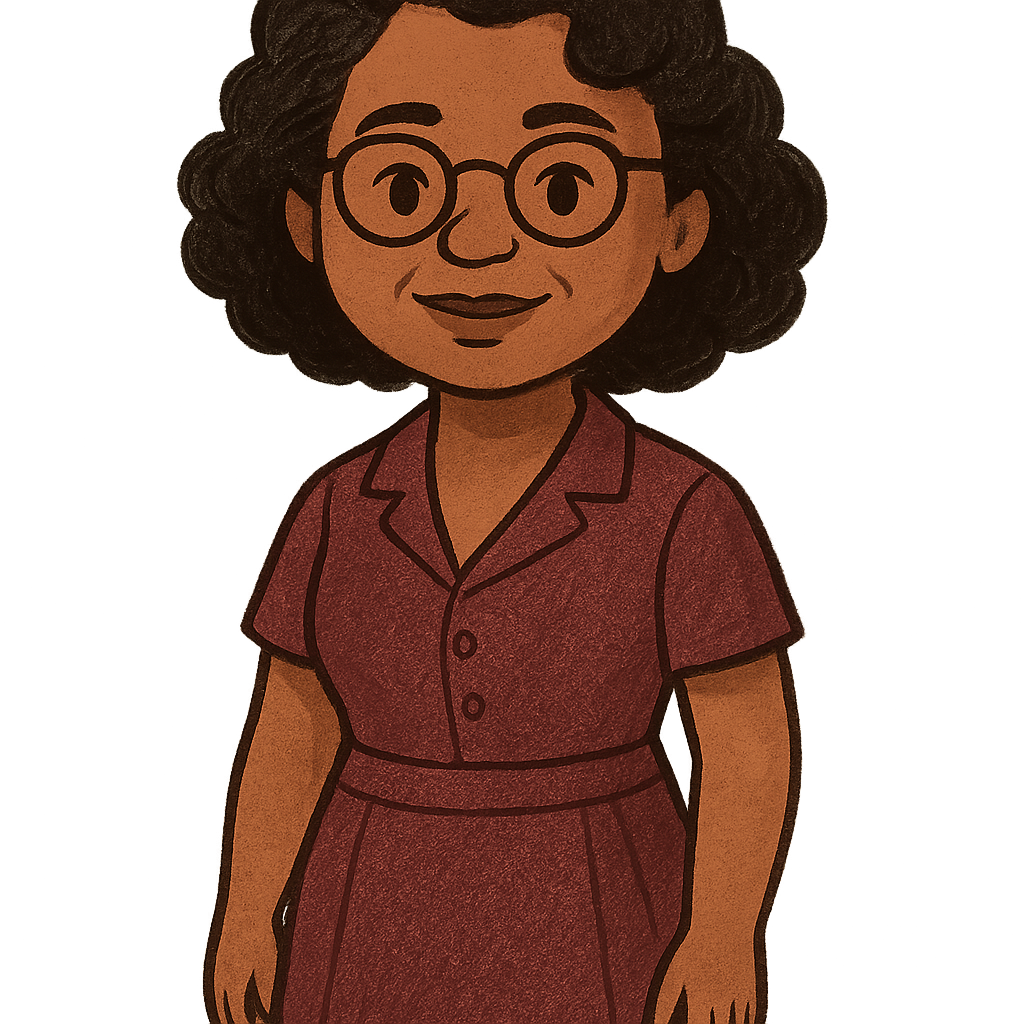
Hello, my name is Dorothy Vaughan, and I want to tell you the story of how a love for numbers took me all the way to the stars. I was born on September 20th, 1910, in Kansas City, Missouri. From my earliest days, I found joy in solving puzzles and working with math. School was my favorite place, and I worked so hard that I graduated from high school when I was only 15 years old! From there, I went to Wilberforce University, one of the first universities in the country for African American students. I earned my degree in mathematics in 1929. After college, I became a math teacher in Virginia, which was a wonderful way to share my passion and also help support my family during a difficult time in our country's history.
Everything changed during World War II. The war created new job opportunities, especially for women, and in 1943, I heard about an exciting opening. I left my teaching job and began working at the Langley Memorial Aeronautical Laboratory. My official title was a 'computer,' but not the kind you might be thinking of. Back then, a 'human computer' was a person who was very good at math. My job was to perform complicated calculations by hand that were essential for the engineers designing airplanes. Because I was an African American woman, the laws at that time required me to work in a separate area from the white employees. Our group was called the 'West Area Computers,' and it was filled with some of the most brilliant Black women I had ever met.
I always believed in doing my best and helping others do the same. In 1949, I was asked to become the acting supervisor of the West Area Computers. This was a very important moment because it made me the first African American manager at the entire laboratory. I took this responsibility very seriously. I made sure my team members were supported and fought for them to get the promotions and pay they deserved. One day, I saw something new being brought into the building—a giant, room-sized machine. It was an electronic computer. I watched it work and realized right away that the future was changing. I knew that soon these machines would be doing our jobs, and if we wanted to stay, we had to become the people who could tell the machines what to do.
Dorothy Vaughan: A Leader with a Vision
Hello, my name is Dorothy Vaughan, and I want to tell you the story of how a love for numbers took me all the way to the stars. I was born on September 20th, 1910, in Kansas City, Missouri. From my earliest days, I found joy in solving puzzles and working with math. School was my favorite place, and I worked so hard that I graduated from high school when I was only 15 years old! From there, I went to Wilberforce University, one of the first universities in the country for African American students. I earned my degree in mathematics in 1929. After college, I became a math teacher in Virginia, which was a wonderful way to share my passion and also help support my family during a difficult time in our country's history.
Everything changed during World War II. The war created new job opportunities, especially for women, and in 1943, I heard about an exciting opening. I left my teaching job and began working at the Langley Memorial Aeronautical Laboratory. My official title was a 'computer,' but not the kind you might be thinking of. Back then, a 'human computer' was a person who was very good at math. My job was to perform complicated calculations by hand that were essential for the engineers designing airplanes. Because I was an African American woman, the laws at that time required me to work in a separate area from the white employees. Our group was called the 'West Area Computers,' and it was filled with some of the most brilliant Black women I had ever met.
I always believed in doing my best and helping others do the same. In 1949, I was asked to become the acting supervisor of the West Area Computers. This was a very important moment because it made me the first African American manager at the entire laboratory. I took this responsibility very seriously. I made sure my team members were supported and fought for them to get the promotions and pay they deserved. One day, I saw something new being brought into the building—a giant, room-sized machine. It was an electronic computer. I watched it work and realized right away that the future was changing. I knew that soon these machines would be doing our jobs, and if we wanted to stay, we had to become the people who could tell the machines what to do.
I decided we had to prepare for the future. I started visiting the library and brought home books about a new computer programming language called FORTRAN. It was like learning a completely new language, but I taught myself, and then I taught the women on my team. We practiced until we became experts. In 1958, our workplace changed its name and its mission. It became NASA, and our country was in the middle of the 'Space Race,' a competition to explore space. It was an exciting time! When the rules about segregation at work finally ended, our West Area Computers group was combined with other teams. Because we had learned FORTRAN, we were ready. Our skills in programming were needed for the important missions that would one day send the first American astronauts into space.
I continued my work at NASA for many years, contributing to incredible missions until I retired in 1971. I lived to be 98 years old. For a long time, the stories of my work and the contributions of my amazing colleagues were not widely known. We were like 'hidden figures' in the history of science. I am proud that I am remembered as a leader who saw the future coming and helped prepare others for it. My story shows that with courage and a willingness to learn, you can help pave the way for everyone who comes after you.
Wow facts
About
Dorothy Vaughan was an African American mathematician and human computer who was the first African American female supervisor at NACA, which later became NASA. She was a pioneer in early computing and made significant contributions to NASA's early computing efforts, including work on the Scout Launch Vehicle Program.
Take a Quiz
Question 1 of 5
In the story, what does the term 'human computer' mean?
Explore next




Want to do even more?
Go beyond exploring. Unlock tools that turn every story into real learning.

Storypie Plus for families
Full stories, quizzes, and printables. Nights and car rides, sorted.
- Unlimited audio stories
- Create Mode: your child stars in the story
- Offline downloads
- Printable worksheets & coloring pages

Why Storypie for Schools
Students engaged. Prep in seconds. Evenings back to you.
- Worksheets & Quizzes
- Classroom Management
- Formative Assessment
- Custom Curriculum & Lesson Plans
- 27 Languages

Why Storypie for Homeschool
Curriculum done. They'll ask for more. Hours back in your day.
- Worksheet Generator
- First-Person Audio Stories
- Built-in Comprehension Quizzes
- Custom Curriculum & Lesson Plans
- Print & Go Activities