English

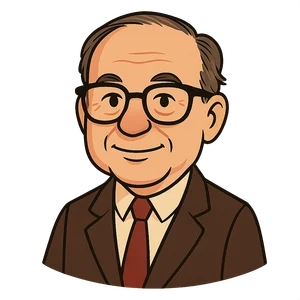
John Bardeen
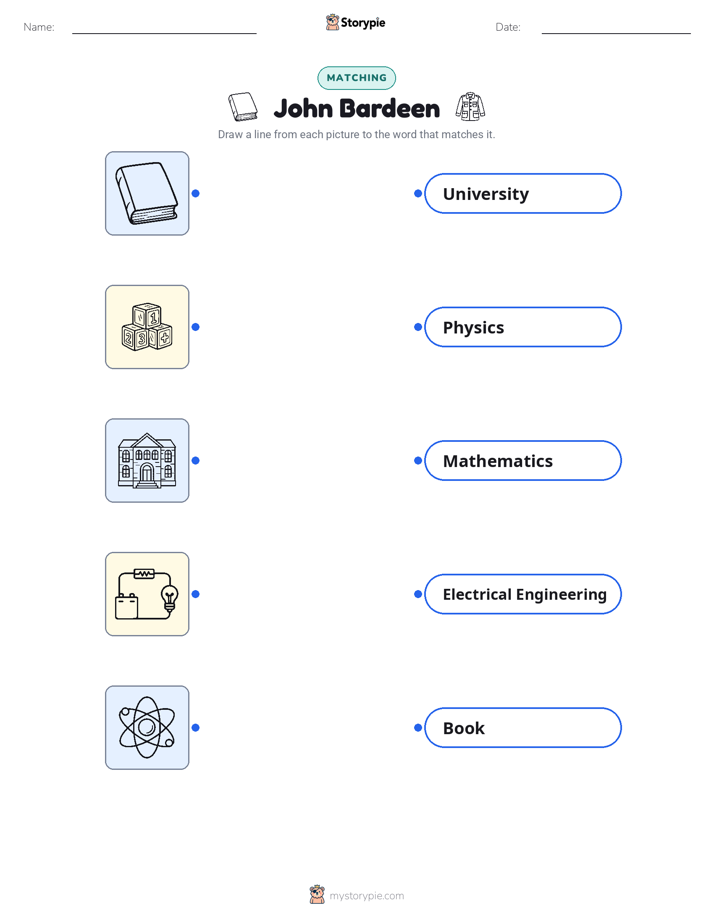
John Bardeen was an American physicist and electrical engineer.
Reads at Grades 3–5 Listens at Grades 1–5
Print & create
Answer keys·No prep·Free with an account
28 worksheets · answer keys · full story · quiz · Ages 8-10 · CEFR B1
Plus adds 244,000+ more stories in 27 languages, audio for every one, and printables for all of them.
Just want John Bardeen?
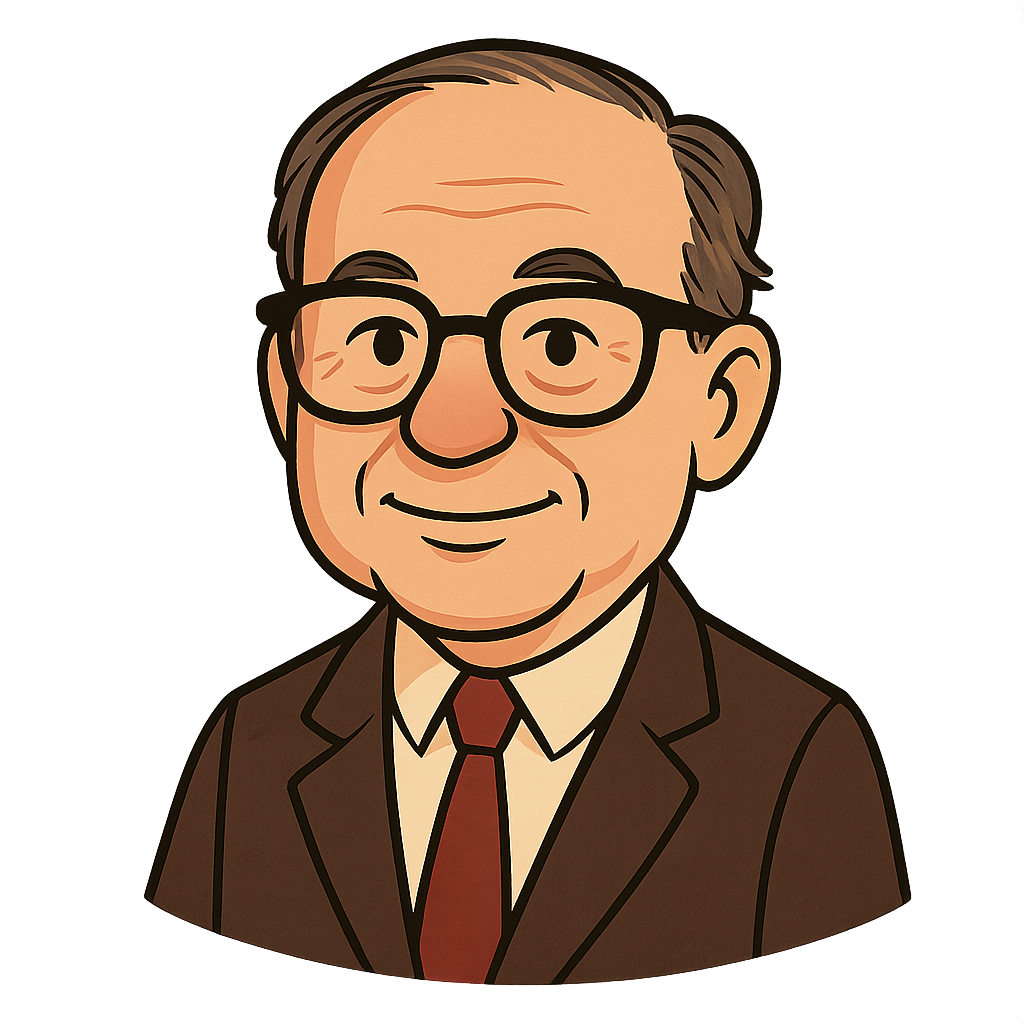
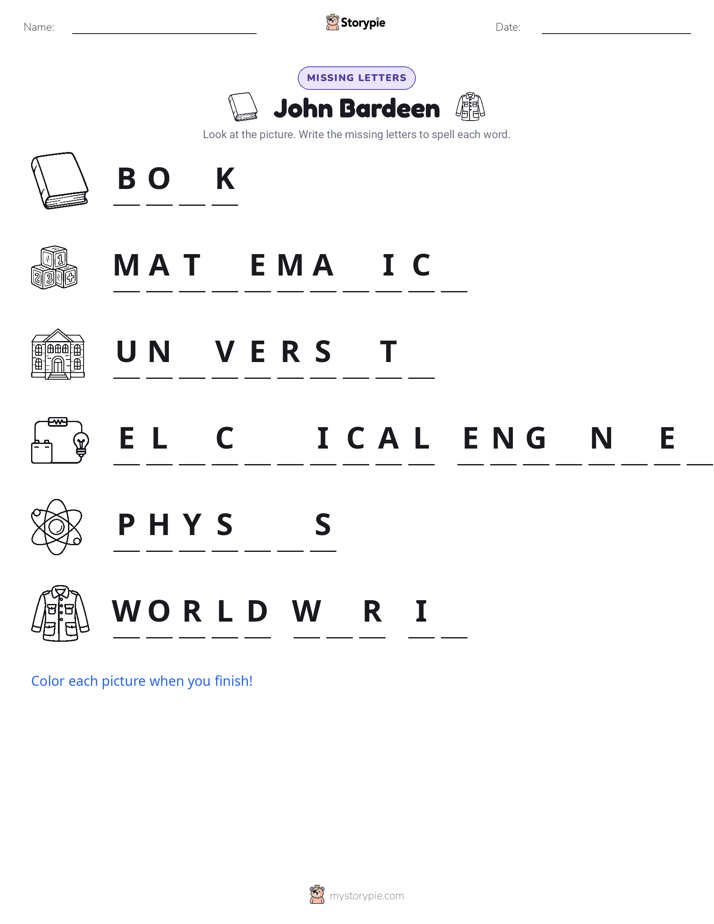
Hello! My name is John Bardeen, and I was a scientist who loved solving puzzles. I was born on May 23rd, 1908, in Madison, Wisconsin. Even when I was a little boy, my favorite subjects were math and science. I was so curious about how the world worked that I couldn't wait to learn more. In fact, I was so excited to start my studies that I went to college at the University of Wisconsin when I was only 15 years old! I loved learning about physics and engineering, which is all about figuring out how things are built and why they work the way they do. My whole life was one big adventure in discovery, and it all started with that early love for asking 'Why?'.
After I finished my studies, I started working at a famous laboratory called Bell Labs in 1945. There, I joined a team with two other scientists, William Shockley and Walter Brattain. We had a big problem to solve. Back then, electronics like radios were powered by big, fragile glass tubes called vacuum tubes. They used a lot of power and got very hot. We knew there had to be a better way. We worked together for months, trying all sorts of ideas. Then, on a very exciting day in December of 1947, we did it! We created something new, called the transistor. It was a tiny device that could act like a switch, turning electric currents on and off very, very fast. It was small, strong, and didn't need much power. This little invention was the key to making electronics smaller and more powerful. For our discovery, my friends and I were awarded the Nobel Prize in Physics in 1956, which is one of the biggest awards a scientist can receive.
John Bardeen: The Scientist Who Changed the World Twice
Hello! My name is John Bardeen, and I was a scientist who loved solving puzzles. I was born on May 23rd, 1908, in Madison, Wisconsin. Even when I was a little boy, my favorite subjects were math and science. I was so curious about how the world worked that I couldn't wait to learn more. In fact, I was so excited to start my studies that I went to college at the University of Wisconsin when I was only 15 years old! I loved learning about physics and engineering, which is all about figuring out how things are built and why they work the way they do. My whole life was one big adventure in discovery, and it all started with that early love for asking 'Why?'.
After I finished my studies, I started working at a famous laboratory called Bell Labs in 1945. There, I joined a team with two other scientists, William Shockley and Walter Brattain. We had a big problem to solve. Back then, electronics like radios were powered by big, fragile glass tubes called vacuum tubes. They used a lot of power and got very hot. We knew there had to be a better way. We worked together for months, trying all sorts of ideas. Then, on a very exciting day in December of 1947, we did it! We created something new, called the transistor. It was a tiny device that could act like a switch, turning electric currents on and off very, very fast. It was small, strong, and didn't need much power. This little invention was the key to making electronics smaller and more powerful. For our discovery, my friends and I were awarded the Nobel Prize in Physics in 1956, which is one of the biggest awards a scientist can receive.
You might think that after inventing the transistor, I would take a long break. But my mind was still buzzing with questions! In 1951, I became a professor at the University of Illinois. I wanted to tackle another mystery that had puzzled scientists for many years: superconductivity. It sounds complicated, but the idea is pretty cool. Imagine electricity flowing through a wire without losing any energy at all—like a sled gliding on perfectly smooth ice forever. That’s superconductivity! It only happens when certain materials get extremely cold, colder than the coldest winter day. Scientists knew it happened, but no one could explain why. I love a good challenge, so I gathered a new team and we set out to solve this puzzle. I believed that if we worked together and kept asking questions, we could figure it out.
At the university, I worked with two brilliant young scientists, Leon Cooper and John Robert Schrieffer. We spent years thinking, experimenting, and sharing our ideas. It was all about teamwork. Finally, in 1957, we had a breakthrough! We came up with a theory that explained exactly how superconductivity worked. We named it the BCS theory, using the first letter of each of our last names: Bardeen, Cooper, and Schrieffer. Our theory helped other scientists understand and use superconductivity in amazing ways. And guess what? For this discovery, our team won another Nobel Prize in Physics in 1972! I felt so incredibly lucky and proud. To this day, I am the only person who has ever won the Nobel Prize in Physics two separate times. It showed me that you should never stop being curious.
I lived a long and happy life filled with discovery, and I lived to be 82 years old. When I look back, I am most proud of how my work helped people. The transistor is now in almost every electronic device you can think of—your phone, your computer, and your television. It truly helped start the digital age we live in today. I hope my story shows you that with curiosity, hard work, and good teamwork, you can solve even the biggest puzzles and help change the world for the better.
Wow facts
About
John Bardeen was an American physicist and electrical engineer. He is the only person to have won the Nobel Prize in Physics twice: first in 1956 for the invention of the transistor, and again in 1972 for a fundamental theory of superconductivity.
Take a Quiz
Question 1 of 5
Why was the invention of the transistor so important?
Explore next





Want to do even more?
Go beyond exploring. Unlock tools that turn every story into real learning.

Storypie Plus for families
Full stories, quizzes, and printables. Nights and car rides, sorted.
- Unlimited audio stories
- Create Mode: your child stars in the story
- Offline downloads
- Printable worksheets & coloring pages

Why Storypie for Schools
Students engaged. Prep in seconds. Evenings back to you.
- Worksheets & Quizzes
- Classroom Management
- Formative Assessment
- Custom Curriculum & Lesson Plans
- 27 Languages

Why Storypie for Homeschool
Curriculum done. They'll ask for more. Hours back in your day.
- Worksheet Generator
- First-Person Audio Stories
- Built-in Comprehension Quizzes
- Custom Curriculum & Lesson Plans
- Print & Go Activities