English

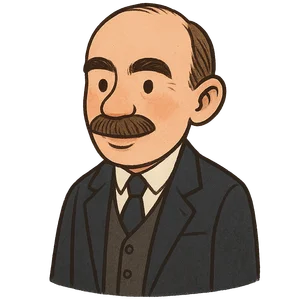
John Maynard Keynes
John Maynard Keynes was a highly influential British economist whose ideas, known as Keynesian economics…
Reads at Grades 3–5 Listens at Grades 1–5
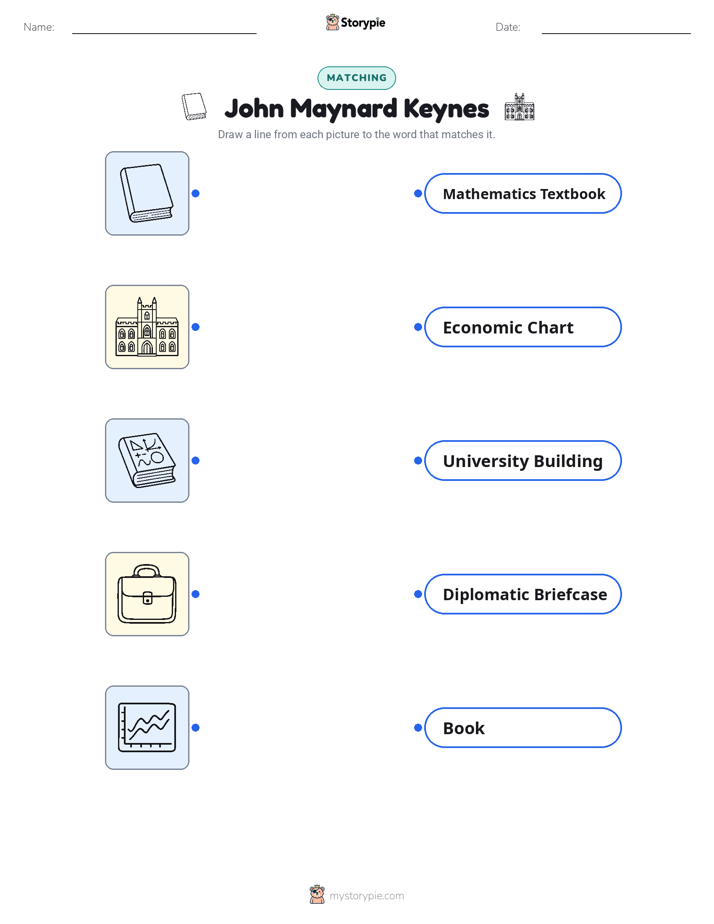
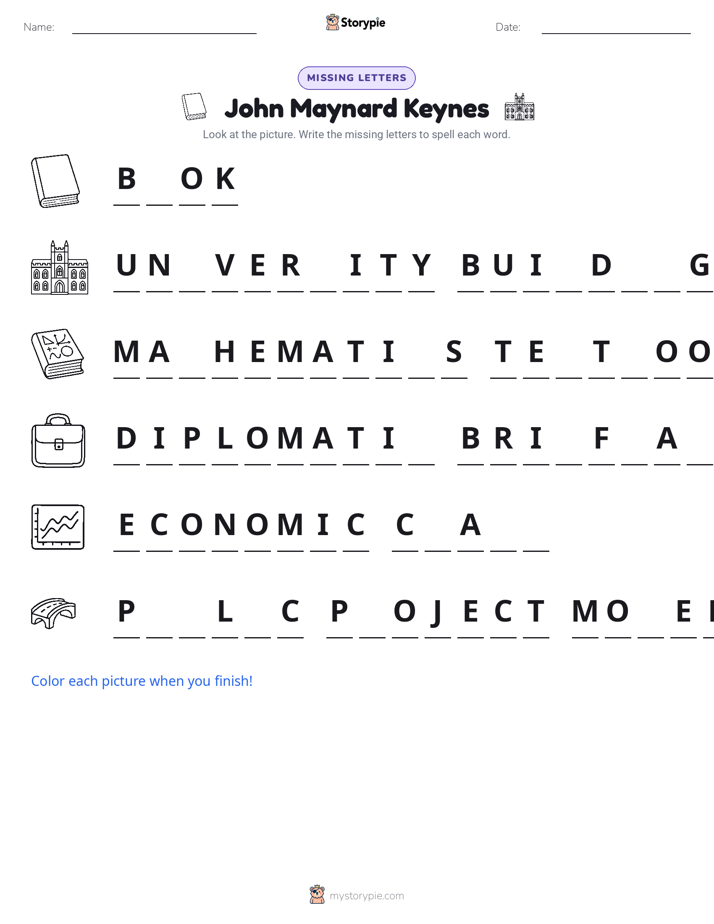
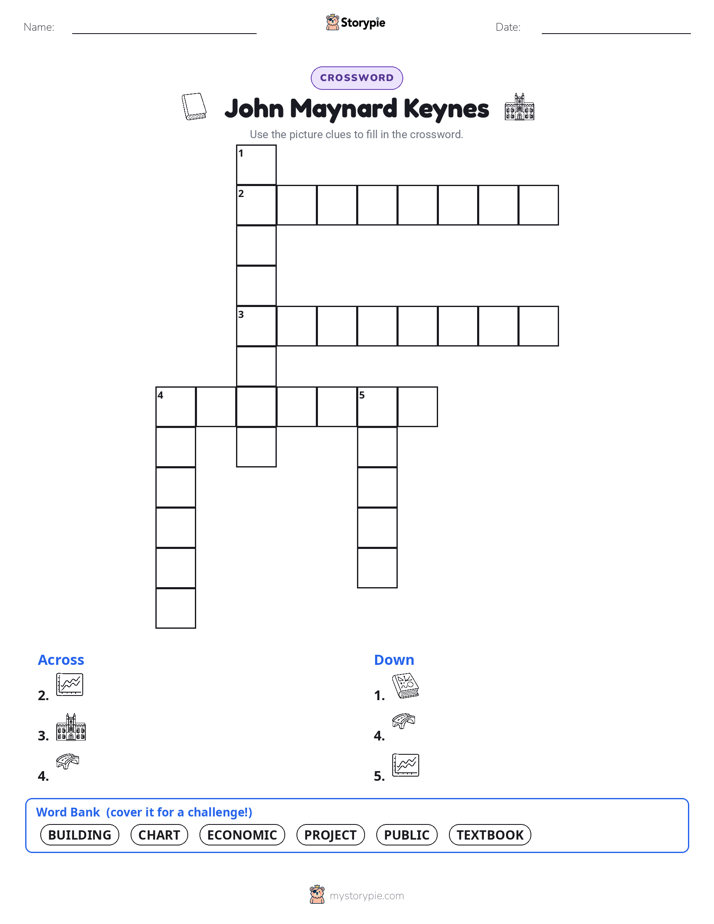
Print & create
Answer keys·No prep·Free with an account
28 worksheets · answer keys · full story · quiz · Ages 8-10 · CEFR B1
Plus adds 208,000+ more stories in 27 languages, audio for every one, and printables for all of them.
Just want John Maynard Keynes?
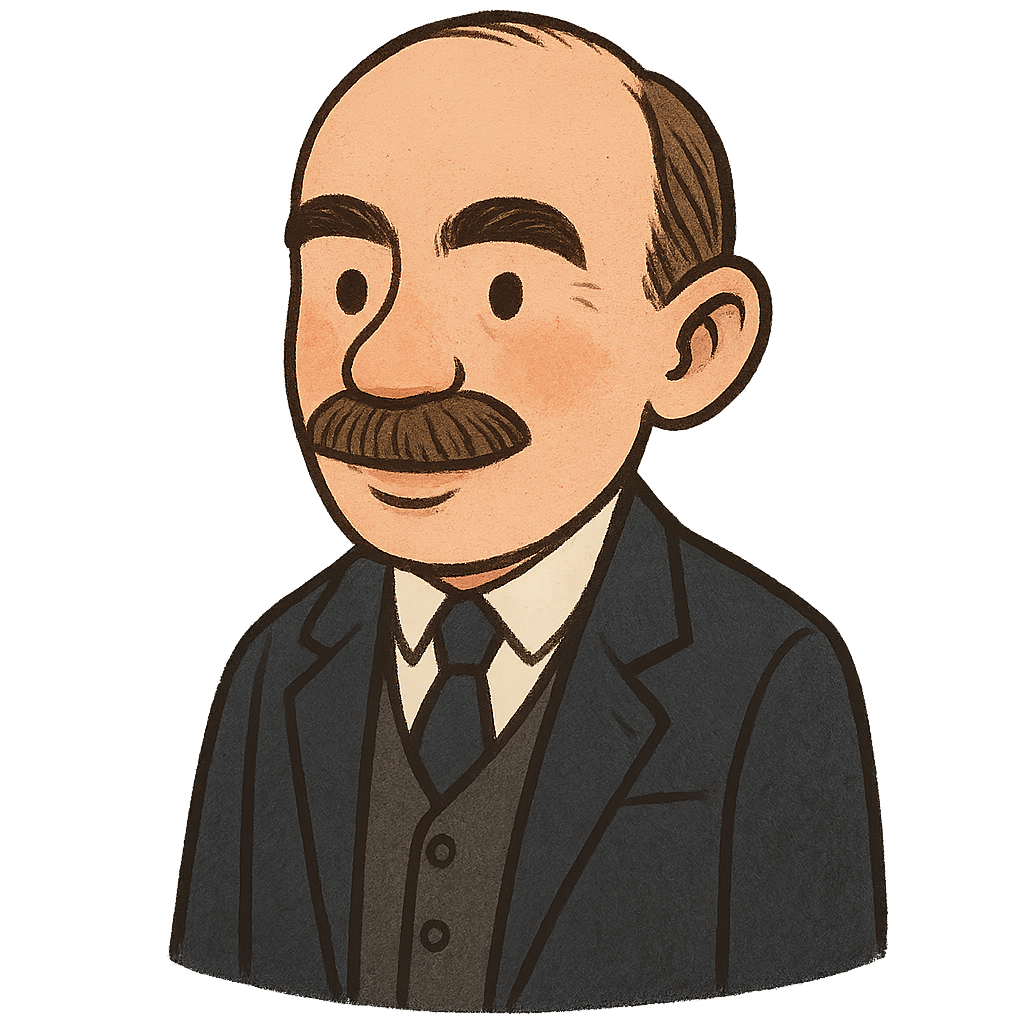
Hello! My name is John Maynard Keynes, and I'd like to tell you my story. I was born on June 5th, 1883, in a famous university town called Cambridge, in England. My family loved learning. My father, John Neville Keynes, was an economist and professor, and my mother, Florence Ada Keynes, was a wonderful writer and helped our community. Growing up surrounded by books and big ideas, I developed a love for numbers and solving puzzles. In 1902, after attending a school called Eton, I went to King's College at Cambridge University, just like my father. I was fascinated by how money worked and how it affected people's lives.
After I finished my studies, I decided to use my skills to help my country. In 1906, I began working for the British government in the India Office. A few years later, the world was changed by World War I, which began in 1914. During this difficult time, I worked at the Treasury, which is the part of the government that manages the country’s money. It was a very important job to make sure we had the resources to get through the war. When the war finally ended in 1918, I went to France for the Paris Peace Conference in 1919. Leaders from many countries gathered to write the Treaty of Versailles, the official agreement to end the war. However, I became very worried. I felt the treaty was too harsh on Germany and would lead to more economic problems in the future. I felt so strongly about it that I wrote a book called 'The Economic Consequences of the Peace' to share my concerns with the world.
John Maynard Keynes
Hello! My name is John Maynard Keynes, and I'd like to tell you my story. I was born on June 5th, 1883, in a famous university town called Cambridge, in England. My family loved learning. My father, John Neville Keynes, was an economist and professor, and my mother, Florence Ada Keynes, was a wonderful writer and helped our community. Growing up surrounded by books and big ideas, I developed a love for numbers and solving puzzles. In 1902, after attending a school called Eton, I went to King's College at Cambridge University, just like my father. I was fascinated by how money worked and how it affected people's lives.
After I finished my studies, I decided to use my skills to help my country. In 1906, I began working for the British government in the India Office. A few years later, the world was changed by World War I, which began in 1914. During this difficult time, I worked at the Treasury, which is the part of the government that manages the country’s money. It was a very important job to make sure we had the resources to get through the war. When the war finally ended in 1918, I went to France for the Paris Peace Conference in 1919. Leaders from many countries gathered to write the Treaty of Versailles, the official agreement to end the war. However, I became very worried. I felt the treaty was too harsh on Germany and would lead to more economic problems in the future. I felt so strongly about it that I wrote a book called 'The Economic Consequences of the Peace' to share my concerns with the world.
My worries, sadly, came true. In the 1930s, the world plunged into a period called the Great Depression. All around the globe, businesses closed, and millions of people lost their jobs and savings. It was a time of great hardship. At the time, most economists believed that governments should not interfere and that the economy would fix itself. But as the years went by, things weren't getting better. I saw the suffering and thought, 'There must be a better way!' I developed a new, revolutionary idea. I argued that when an economy is struggling, the government should step in and help. By spending money on big projects like building roads, bridges, and schools, the government could create jobs for people. When people have jobs, they have money to spend, which helps businesses, which in turn creates even more jobs. It was a cycle of recovery! In 1936, I published my most famous book, 'The General Theory of Employment, Interest and Money,' explaining these ideas.
My ideas started to change how governments thought about their role. When World War II began, I once again worked to help Britain's economy. After that war ended, I knew it was important for countries to work together to prevent another global economic disaster. In 1944, I led the British team at a very important meeting in the United States, at a place called Bretton Woods. We worked with leaders from 44 countries to create a plan for a stable and cooperative world economy. Our work led to the creation of two huge organizations that still exist today: the World Bank and the International Monetary Fund. Their job is to help countries grow their economies and support each other in times of need.
I spent my life using my love of numbers to find practical ways to help people. I lived to be 62 years old, and my work continued to influence the world long after I was gone. Today, my ideas are known as 'Keynesian economics,' and they are still studied by students and used by governments everywhere. My story shows that one new idea can change the world and help millions of people live better lives.
Wow facts
About
John Maynard Keynes was a highly influential British economist whose ideas, known as Keynesian economics, fundamentally changed modern macroeconomics and the economic policies of governments.
Take a Quiz
Question 1 of 5
In what year did I publish my most famous book, 'The General Theory of Employment, Interest and Money'?
Explore next





Want to do even more?
Go beyond exploring. Unlock tools that turn every story into real learning.

Storypie Plus for families
Full stories, quizzes, and printables. Nights and car rides, sorted.
- Unlimited audio stories
- Create Mode: your child stars in the story
- Offline downloads
- Printable worksheets & coloring pages

Why Storypie for Schools
Students engaged. Prep in seconds. Evenings back to you.
- Worksheets & Quizzes
- Classroom Management
- Formative Assessment
- Custom Curriculum & Lesson Plans
- 27 Languages

Why Storypie for Homeschool
Curriculum done. They'll ask for more. Hours back in your day.
- Worksheet Generator
- First-Person Audio Stories
- Built-in Comprehension Quizzes
- Custom Curriculum & Lesson Plans
- Print & Go Activities