English

Martha Graham
Martha Graham was a pioneering American modern dancer and choreographer whose influence on dance has been…
Reads at Grades 6–8 Listens at Grades 4–8
Print & create
Answer keys·No prep·Free with an account
28 worksheets · answer keys · full story · quiz · Ages 10-12 · CEFR B2
Plus adds 244,000+ more stories in 27 languages, audio for every one, and printables for all of them.
Just want Martha Graham?
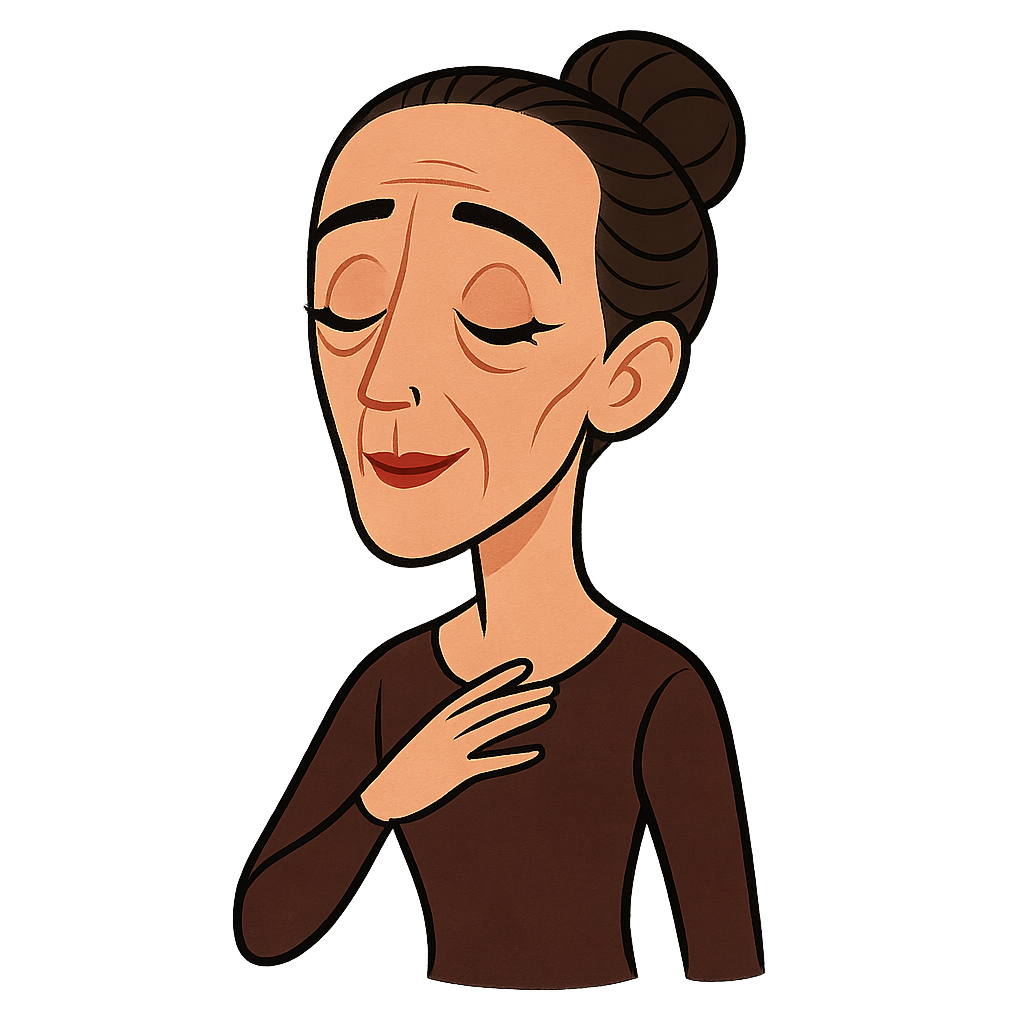
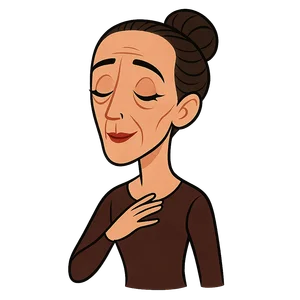
Hello, my name is Martha Graham, and I believe that dance is the hidden language of the soul. I was born on May 11th, 1894, in a town that is now part of Pittsburgh, Pennsylvania. My father was a doctor who studied how people's minds and feelings worked, and he once told me something I never forgot: 'Movement never lies.' He meant that the way we hold ourselves and move our bodies shows our true feelings. That idea planted a seed in my mind. In 1911, when I was a teenager, my father took me to see a performance by the famous dancer Ruth St. Denis. Watching her move on stage was like seeing poetry in motion. In that moment, I knew that I had found my life's calling. I had to become a dancer.
Although I knew I wanted to dance, I had to wait. In those days, it wasn't considered a respectable career for a young woman from my background. But after my father passed away, I finally enrolled at the Denishawn School in Los Angeles in 1916. I was in my early twenties, which was older than most students, but I was determined to learn. I studied under the school's founders, Ruth St. Denis and Ted Shawn, and learned so much from them. After several years, however, I felt a pull to do something different. Their dances were beautiful, but they often told stories from faraway lands or ancient times. I wanted to create dances about the feelings and experiences I knew—about being an American, and about the struggles and joys of being human. In 1926, I moved to New York City and started my own small group of dancers, which was the beginning of the Martha Graham Dance Company.
Martha Graham: A Body That Never Lies
Hello, my name is Martha Graham, and I believe that dance is the hidden language of the soul. I was born on May 11th, 1894, in a town that is now part of Pittsburgh, Pennsylvania. My father was a doctor who studied how people's minds and feelings worked, and he once told me something I never forgot: 'Movement never lies.' He meant that the way we hold ourselves and move our bodies shows our true feelings. That idea planted a seed in my mind. In 1911, when I was a teenager, my father took me to see a performance by the famous dancer Ruth St. Denis. Watching her move on stage was like seeing poetry in motion. In that moment, I knew that I had found my life's calling. I had to become a dancer.
Although I knew I wanted to dance, I had to wait. In those days, it wasn't considered a respectable career for a young woman from my background. But after my father passed away, I finally enrolled at the Denishawn School in Los Angeles in 1916. I was in my early twenties, which was older than most students, but I was determined to learn. I studied under the school's founders, Ruth St. Denis and Ted Shawn, and learned so much from them. After several years, however, I felt a pull to do something different. Their dances were beautiful, but they often told stories from faraway lands or ancient times. I wanted to create dances about the feelings and experiences I knew—about being an American, and about the struggles and joys of being human. In 1926, I moved to New York City and started my own small group of dancers, which was the beginning of the Martha Graham Dance Company.
In New York, I began to create a whole new way of moving. I wanted my dancing to be grounded, powerful, and full of emotion. I developed what became known as the Graham technique, which was based on the simple, natural rhythm of breathing. I called the two main movements 'contraction' and 'release.' A contraction is the sharp, deep exhale of breath that tightens the muscles, and the release is the inhale that follows, letting the energy flow. This technique allowed my dancers and me to express powerful feelings like fear, joy, and anger directly through our bodies. I used this new language to tell stories. My 1930 dance, 'Lamentation,' showed a figure consumed by grief, moving within a tube of fabric. In 1944, I created one of my most famous ballets, 'Appalachian Spring,' with a beautiful musical score by the composer Aaron Copland and a simple, powerful set by the artist Isamu Noguchi. It told the story of pioneers building a new life on the American frontier.
Not everyone understood my style of dance at first. It was so different from the graceful, floating movements of classical ballet that some critics called it ugly. But I knew I was expressing something true and honest, something that came from deep within. My company and I toured all over the United States and eventually the world, sharing this new American art form. I continued dancing on stage until 1969, when I was 75 years old. Over the years, people began to recognize the power and beauty in my work. A truly wonderful moment came in 1976, when I became the first dancer ever to receive the Presidential Medal of Freedom, our country's highest civilian honor. It felt like a victory not just for me, but for the art of dance itself.
I dedicated my entire life to dance, creating over 180 ballets and a technique that would change the art form forever. I lived to be 96 years old, teaching and creating for as long as I could. Today, people call me one of the mothers of modern dance. My company, the oldest in the nation, still performs my work, and dancers all over the world study my technique. I always believed that 'the body says what words cannot,' and I hope that my dances continue to speak to the hearts of people for many years to come.
Wow facts
About
Martha Graham was a pioneering American modern dancer and choreographer whose influence on dance has been compared to that of Picasso's on modern art. She developed the Graham technique, which reshaped American dance and is still taught worldwide.
Take a Quiz
Question 1 of 5
Retell the key events that led Martha Graham to create her own dance company, starting from when she first saw a professional dancer.
Explore next






Want to do even more?
Go beyond exploring. Unlock tools that turn every story into real learning.

Storypie Plus for families
Full stories, quizzes, and printables. Nights and car rides, sorted.
- Unlimited audio stories
- Create Mode: your child stars in the story
- Offline downloads
- Printable worksheets & coloring pages

Why Storypie for Schools
Students engaged. Prep in seconds. Evenings back to you.
- Worksheets & Quizzes
- Classroom Management
- Formative Assessment
- Custom Curriculum & Lesson Plans
- 27 Languages

Why Storypie for Homeschool
Curriculum done. They'll ask for more. Hours back in your day.
- Worksheet Generator
- First-Person Audio Stories
- Built-in Comprehension Quizzes
- Custom Curriculum & Lesson Plans
- Print & Go Activities